
This post may contain affiliate links. As an Amazon Associate I earn from qualifying purchases. If you choose to make a purchase, I may earn a small commission at no extra cost to you.
Your Odyssey carries people, bags and often a full week of errands, so tire choice affects more than steering feel. A tire that rides quietly on a smooth road may feel less sure in heavy rain, while a long-wearing option can trade some grip or comfort for mileage.
Start with the vehicle placard and your usual routes, then weigh wet braking, winter traction, cabin noise, ride comfort and tread life. The best tires for Honda Odyssey in 2026 depend on how you use the van, not a single headline feature. The choices below cover year-round grip, touring comfort, rain control and snow readiness, so you can focus on the traits that matter most to your family.
Our Top Honda Odyssey Tires Picks




More Details on Our Top Picks
Pros
- 3PMSF severe-snow rating
- Strong wet and dry braking
- Directional tread moves water and slush
- Long-lasting all-season design
Cons
- Tread can sound coarse on rough pavement
The directional V-shaped tread gives Michelin CrossClimate2 its distinctive look and helps it clear water and slush from your path. Its all-season compound stays adaptable across changing temperatures, so you get confident braking on dry and wet roads.
When winter brings snow, the 3PMSF severe-snow rating sets it apart from basic all-season designs. Full-depth sipes add biting edges for traction, while the tread blocks keep a stable feel as you steer through turns.
For an Odyssey that spends most of its time on pavement, this tire offers a reassuring mix of wet braking and winter traction. Michelin CrossClimate2 also carries a reputation for long tread life, so you can keep that dependable feel through years of family driving.
The trade-off is a tread pattern that can sound coarse on rough pavement. You may notice more road hum on some surfaces than you would with a tire built chiefly for quiet touring.
Bottom line: Choose it if your Odyssey faces rain, changing temperatures, and regular winter snow. It gives you all-season traction with a useful measure of snow capability.
Pros
- Long-wearing tread design
- Quiet highway ride
- Reliable traction in demanding conditions
- Comfortable manners for long drives
Cons
- No severe-snow rating
- Less sporty steering feel
Michelin Defender LTX M/S2 brings a truck-and-SUV focus to all-season family driving. Its tread design targets long wear and dependable traction, while Michelin tunes the ride to stay quiet and comfortable on highways.
That blend suits an Odyssey used for school runs, road trips, and daily errands. You get steady road manners without the harsh feel that can make long drives tiring, plus an all-season tread for rain and light winter conditions.
The Defender name has a strong reputation for lasting mileage, and the M/S2 continues that focus. Its contact with the road stays composed through routine turns and braking, giving you a predictable feel when the van carries passengers and cargo.
Michelin Defender LTX M/S2 does not carry a severe-snow rating, so it is not the tire for frequent driving through deep winter snow. Its SUV-oriented design also favors comfort and durability over sporty steering response.
Bottom line: Consider it for an Odyssey that racks up highway miles and needs a calm, durable ride. It suits drivers who value comfort and tread life over sharp handling.
Pros
- EcoPlus Technology supports fuel efficiency
- Short wet-road braking
- Quiet, comfortable ride
- Up to 70,000-mile limited tread-life coverage
Cons
- Not designed for severe winter conditions
Continental’s EcoPlus Technology gives CrossContact LX25 a practical focus: lower rolling resistance, long tread life, and confident wet braking. That balance can help your Odyssey use fuel more efficiently while keeping its footing on rain-soaked pavement.
The tread pattern also keeps road noise low, a welcome trait when your passengers want to talk or settle in for a long trip. Responsive handling gives you a steady feel through ordinary turns and lane changes.
Continental CrossContact LX25 offers an easygoing touring character rather than an aggressive SUV tread. Its wet-road braking and quiet ride suit the daily routine of a minivan, from stop-and-go traffic to steady highway travel.
A limited tread-life warranty covers up to 70,000 miles, which adds confidence for drivers who put regular miles on their van. Winter traction remains suited to typical all-season conditions, not the demands of a dedicated snow tire.
Bottom line: Pick it for a quieter Odyssey ride and strong wet-road manners. It fits drivers who value efficient touring and long tread life.
Pros
- Quiet tread design
- Precise, composed handling
- Comfortable touring character
- Predictable all-season road manners
Cons
- Not a severe-snow specialist
- Comfort focus limits sporty response
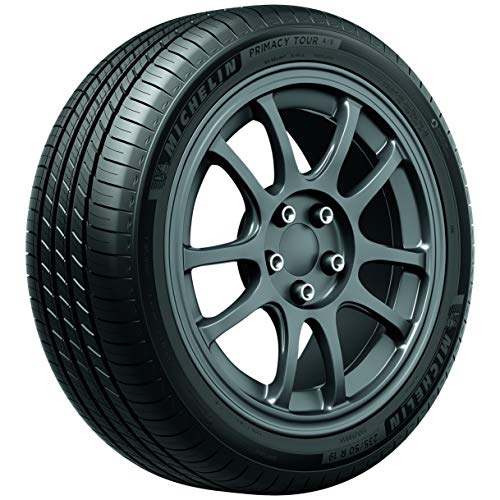
A quiet tread design gives Michelin Primacy Tour A/S its polished touring character. On an Odyssey, that focus can make long drives feel calmer, especially when conversation and cabin comfort matter more than sporty handling.
Michelin pairs that quieter road feel with precise steering and predictable all-season handling. The tire responds smoothly through curves and keeps the van composed during everyday driving, from neighborhood streets to open highways.
Primacy Tour A/S comes from Michelin’s premium touring line, built for drivers who want a refined ride from a family vehicle. Its tread design prioritizes smooth road manners and a comfortable cabin over aggressive grip for rough terrain.
That comfort-first setup works well through ordinary wet and dry conditions, though this tire does not carry the severe-snow focus of an all-weather design. Michelin Primacy Tour A/S is best known for keeping routine drives quiet and controlled.
Bottom line: Choose it for a refined ride and controlled handling on daily drives. It suits Odyssey owners who value cabin comfort over winter-specific traction.
Pros
- Full-depth sipes retain biting edges
- 3D sipe design steadies tread blocks
- Confident wet and dry handling
- Compound targets long tread life
Cons
- Limited ability in deep snow and ice
- Road-focused tread is not for off-road use
Full-depth sipes give Pirelli Scorpion AS Plus 3 traction edges that remain active as the tread wears. Its 3D sipe design also steadies the tread blocks, giving you confident handling and braking on wet and dry roads.
Pirelli designed this all-season tire for crossovers, SUVs, and light trucks, so its road manners suit the weight and shape of a family vehicle. The tread compound aims for long wear while maintaining traction through changing weather.
On an Odyssey, the tire’s balanced handling can make everyday steering feel composed rather than vague. Water-clearing grooves support wet-road control, and the tread stays ready for routine trips in cool weather.
Pirelli Scorpion AS Plus 3 leans toward road use rather than off-road driving. Its all-season design handles common weather well, but it cannot replace a dedicated winter tire for frequent travel on deep snow or ice.
Bottom line: Consider it if your Odyssey needs composed handling in rain and dry weather. It suits family drivers who mostly stay on paved roads.
Pros
- QuietTrack Technology reduces tread noise
- High-silica compound supports wet grip
- Snow Vices add winter traction
- 80,000-mile limited treadwear warranty
Cons
- Less responsive in quick turns
Bridgestone Alenza AS Ultra pairs a high-silica compound with Snow Vices, small tread features that add grip on snowy roads. That design gives your Odyssey useful wet and winter traction while keeping the tire suited to everyday highway driving.
QuietTrack Technology reduces tread noise, helping the cabin stay calm on longer trips. You get a smooth road feel, steady handling, and an all-season tread built for extended use.
Bridgestone covers the Alenza AS Ultra with an 80,000-mile limited treadwear warranty. That long coverage reflects the tire’s emphasis on lasting performance, which matters if your van handles frequent commutes or family travel.
The tire favors a quiet, comfortable ride over sporty steering. Bridgestone Alenza AS Ultra can feel less eager through quick turns than a performance-focused design, but its relaxed road manners suit routine driving.
Bottom line: Pick it for a quiet Odyssey ride and long treadwear coverage. It fits drivers who want everyday comfort with added winter grip.
Pros
- AquaChannel grooves evacuate water
- Quiet tread pattern
- Comfort-focused ride absorbs road impacts
- Built-in Wear Gauge tracks tread wear
- 65,000-mile limited tread-life warranty
Cons
- Softer steering feel in brisk cornering
Goodyear’s AquaChannel grooves move water away from the contact patch, helping Assurance ComfortDrive hold its line on wet roads. That rain-focused tread suits an Odyssey that spends plenty of time in traffic and on busy highways.
A noise-reducing tread pattern cuts down on road sounds, while the tire’s comfort-focused design softens bumps and impacts. You get a composed ride for passengers and steady control through routine curves.
Goodyear Assurance ComfortDrive includes a built-in Wear Gauge that gives you a clear view of tread wear. Its all-season compound also maintains traction in wet and cold conditions, and Goodyear offers a 65,000-mile limited tread-life warranty.
The comfort tuning gives the tire a softer steering feel during brisk cornering. It favors a quiet, settled ride over a sharp response when you make quick steering inputs.
Bottom line: Choose it for an Odyssey that needs a quiet ride and dependable wet-road control. It suits drivers who put comfort ahead of sporty steering.
Pros
- Severe-snow designation
- AquaTred grooves move water and slush
- Evolving grooves maintain wet traction
- Comfort inserts reduce bumps and vibration
Cons
- Steering feel favors comfort over sportiness
Goodyear Assurance WeatherReady 2 carries a severe-snow designation, giving you more winter confidence than a basic all-season tire. Its adaptable tread compound stays ready for changing seasons, while AquaTred Technology uses sweeping grooves to move water and slush away.
Evolving Traction Grooves keep clearing water as the tread wears, which supports wet-road grip over the tire’s life. Comfort inserts also soften bumps and vibrations, helping the Odyssey feel settled through lane changes and on rough pavement.
A variable-pitch tread pattern varies the size of its blocks to reduce road noise. Goodyear Assurance WeatherReady 2 brings that quieter ride together with useful rain and snow traction for year-round family driving.
The winter-ready tread favors all-weather control over sporty steering feel. You get a comfortable, confident response for everyday use, though drivers seeking a crisp performance-tire feel may find it less direct.
Bottom line: Choose it if your Odyssey faces snow as well as rain through the year. It adds severe-snow capability without giving up a comfortable touring feel.
Pros
- Quiet multi-pitch tread pattern
- Micro-silica compound grips wet roads
- Sipes add cold-weather biting edges
- Up to 65,000-mile limited tread-life coverage
Cons
- Not intended for frequent deep-snow driving
Yokohama Geolandar CV G058 uses a staggered multi-pitch tread pattern to keep road noise down. Its quiet highway manners make long drives more pleasant for you and your passengers.
A micro-silica rubber compound gives the tire strong wet-road traction and supports long tread life. Chamfered ribs keep more tread in contact with the road, which promotes even wear and steady handling.
For cooler months, 2D and 3D sipes create extra biting edges, while serrated outer grooves help the tread find grip in slush and snow. That mix gives your Odyssey useful traction across changing weather without sacrificing its touring character.
Yokohama Geolandar CV G058 carries a limited tread-life warranty of up to 65,000 miles for standard fitments. Its snow traction suits typical winter roads, though it does not take the place of a dedicated tire for deep-snow driving.
Bottom line: Consider it for a quiet, steady Odyssey ride with useful wet-weather grip. It suits drivers who face occasional winter conditions on paved roads.
Pros
- Symmetrical tread supports steady handling
- Replacement Tire Monitor tracks tread wear
- Visual Alignment Indicators show uneven wear
- Comfortable touring manners
Cons
- Limited focus on severe winter traction
- Not tuned for sporty handling
General AltiMAX RT45 uses a symmetrical all-season tread for steady handling and even wear. Its touring design gives your Odyssey predictable road manners for errands, commuting, and family trips.
General’s Replacement Tire Monitor marks the tread as it wears, giving you a clear visual cue when the tire nears replacement. Visual Alignment Indicators can also reveal uneven wear across the tread, so you can spot changes in how the tire contacts the road.
The AltiMAX RT45 balances everyday comfort with dependable all-season performance. Its tread pattern works across common weather conditions, while its passenger-tire design keeps the ride focused on paved roads.
General AltiMAX RT45 is a straightforward option for daily driving rather than a tire with a special focus on heavy snow or sporty handling. Its best qualities are clear feedback, steady manners, and a practical touring feel.
Bottom line: Consider it for routine Odyssey driving and clear tread-wear cues. It suits you if you want predictable touring manners across everyday conditions.
Factors to Consider When Choosing Tires for Honda Odyssey
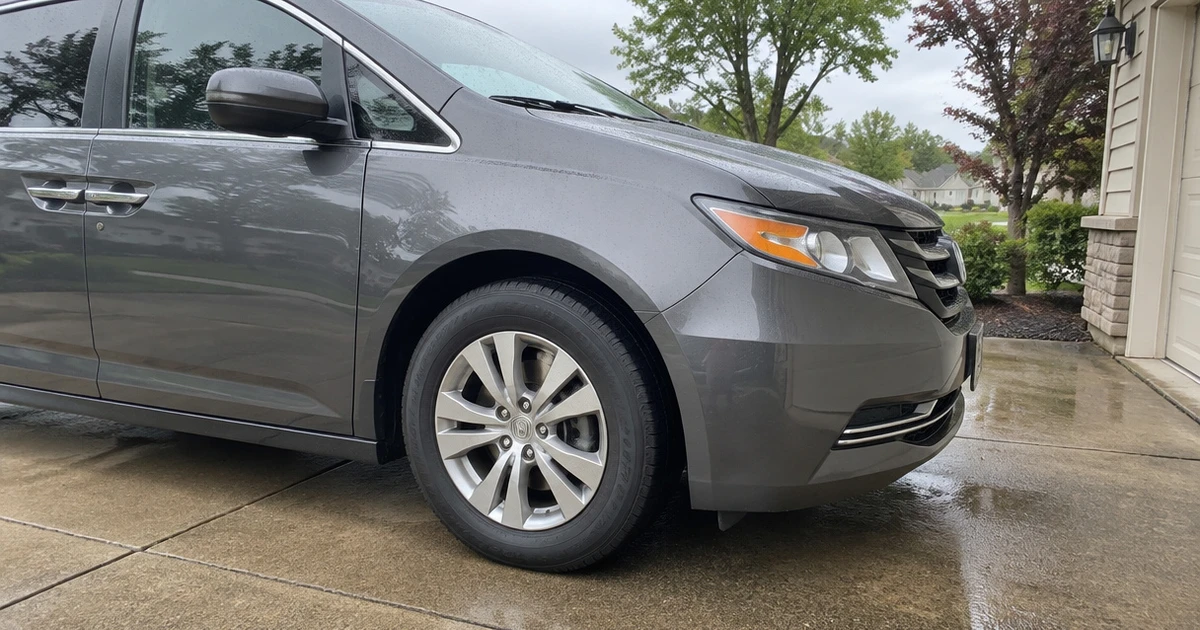
Your Odyssey needs tires that handle its passenger and cargo load without making daily driving tiring. Match the factory fitment first, then decide how much wet grip, winter traction, ride comfort and tread life matter on your routes.
Fit and Load Capacity
Read the tire size on the driver’s-door placard or in the owner’s manual. Do not rely on an old tire if a previous owner changed the wheels.
Match the full size, load index and speed rating, and meet or exceed the vehicle’s factory requirements. Load index matters on a minivan because passengers and luggage can bring you close to its rated capacity.
Before purchase, check:
- Full tire size, including width, aspect ratio and wheel diameter.
- Load index and speed rating listed for your Odyssey.
- Any approved extra-load fitment for your wheel setup.
An extra-load tire can carry more weight at a higher pressure when your vehicle approves it, but it does not change the placard pressure you should use. If you have aftermarket wheels, confirm fitment with a qualified tire shop.
Wet-Road Grip
Rain grip deserves close attention because a loaded minivan needs steady braking and predictable steering on slick roads. Look for a tread pattern with wide grooves that move water away from the contact patch. Dense siping can add biting edges on wet pavement, though tread designs vary by tire.
Do not judge wet performance by tread appearance alone. Check independent tests for wet braking and handling in the size you need, and look for worn-tread results if available.
If your roads flood or you drive through frequent storms, prioritize wet grip over a long mileage warranty. Shallow grooves clear less water and raise the risk of hydroplaning.
Seasonal Traction
Choose a seasonal type for the coldest weather you face, not just the average forecast. Standard all-season tires suit mild winters.
All-weather tires carry the three-peak mountain snowflake symbol and add snow traction, while winter tires use cold-weather rubber and tread for regular snow and ice. Winter tires need seasonal swaps and storage.
Frequent ice, steep hills or packed snow favor a dedicated winter set. For occasional snow and one set all year, choose an all-weather tire with the snowflake mark, then slow down when conditions turn severe.
| Type | Best fit | Trade-off |
|---|---|---|
| All-season | Mild winters | Less winter grip |
| All-weather | Mixed seasons, occasional snow | Less ice grip than winter tires |
| Winter | Frequent cold, snow or ice | Seasonal swaps and storage |
Ride Comfort and Noise
Ride comfort matters in a minivan because you may spend long stretches with passengers aboard. Touring tires often favor a compliant ride and lower road noise, while a more aggressive tread can sound louder on coarse pavement. Look for tests that separate cabin noise from handling, and check that the feedback covers your tire size when possible.
Your wheels and vehicle condition also shape the ride. Larger wheels with shorter sidewalls can feel firmer over potholes, and worn shocks or poor alignment can make even a quiet tire feel rough. If your usual routes include cracked pavement, favor a comfort-focused tread and keep the factory wheel diameter rather than upsizing for appearance.
Tread Life and Care
Tread life depends on compound, alignment, inflation and driving habits, so a mileage warranty gives only a rough comparison. Read its terms for rotation intervals and coverage limits; it does not promise that every set will last that long. A durable touring tire can suit long commutes, but its tread life will not help if you ignore pressure checks or uneven wear.
Check pressure monthly when tires are cold, and use the number on the door placard rather than the maximum molded on the sidewall. Rotate tires on the schedule in your owner’s manual, then ask for an alignment check if the tread wears faster on one edge. Replace tires before the tread reaches the wear bars, especially if wet-road grip matters.
Frequently Asked Questions
How do I find the correct tire size for my Honda Odyssey?
Read the tire placard on the driver’s door jamb or check the owner’s manual. Match the full tire size, load index and speed rating, not just the wheel diameter. If your Odyssey has aftermarket wheels or another change from the factory setup, ask a tire professional to confirm fitment before you buy.
Can I replace only two tires at a time?
Replacing all four at once gives you the most consistent grip and handling. If you replace only two, choose the same type and size as the pair that remains, and have a tire professional place the new pair on the rear axle for better stability on wet roads. Replace mismatched or damaged tires promptly.
Are all-season tires enough for snow?
Standard all-season tires can handle light snow, but they do not match winter tires on ice or in frequent deep snow. If winter weather stays severe for weeks, use dedicated winter tires. For a single set, choose an all-weather tire with the three-peak mountain snowflake symbol and allow extra stopping distance.
What tire pressure should I use?
The driver’s-door placard or owner’s manual gives the cold pressure to use. Check it before driving, while the tires remain cold, because warm tires show higher readings. Do not treat the sidewall’s maximum pressure as your daily target; it describes the tire limit, not your vehicle’s setting.
How often should I rotate my tires?
Follow the rotation interval in your owner’s manual, since the right schedule can vary with vehicle use and tire type. Check pressure monthly and inspect tread for uneven wear as you rotate. If one edge wears faster or the van pulls to one side, ask a shop to check alignment and suspension parts before the wear spreads.