
This post may contain affiliate links. As an Amazon Associate I earn from qualifying purchases. If you choose to make a purchase, I may earn a small commission at no extra cost to you.
Choosing tires for your Cadillac XT5 takes a little thought. Quiet rides and steady wet braking matter on daily drives, while snow or rough roads may call for different tread. The tire must also match your wheel size and load needs.
Start with the size and ratings on the driver’s door placard, then weigh your climate, driving habits, and comfort needs. Touring tires suit routine commuting, while all-weather or winter tires can help where snow lingers. Tread life and warranty support shape value over time.
The options below cover the best tires for Cadillac XT5 you can buy in 2026, from highway touring to snow grip and sportier handling. Use this guide to match a tire to your priorities.
Our Top Tires Picks



More Details on Our Top Picks
Pros
- Three-Peak Mountain Snowflake certified
- Directional tread moves water away
- Designed for grip in changing weather
- Built for long tread life
Cons
- Can produce more road hum than comfort-focused touring tires
- Ride may feel firm over sharp pavement joints
The Michelin CrossClimate2 uses a directional, V-shaped tread that gives this all-season tire its distinctive look and helps channel water away from the contact patch. Its Three-Peak Mountain Snowflake certification also marks it as a more winter-capable choice than a basic all-season tire.
That combination suits the Cadillac XT5’s year-round role, especially if you drive through changing weather and want one tire for wet roads, dry pavement, and occasional snow. The tread design gives you useful grip in cold conditions while keeping braking and handling composed on ordinary roads.
Michelin built the CrossClimate2 to maintain its grip as the tread wears, so its appeal goes beyond a strong first season. You get a tire focused on dependable braking and long service life, with a pattern made to handle rain and light snow without giving up everyday road manners.
The directional layout can produce more road hum than a quiet touring tread, but it brings welcome weather flexibility to an XT5. Year-round traction and the snow certification make the Michelin CrossClimate2 a practical fit for drivers who face real seasonal changes.
Bottom line: Choose it for your XT5 if you want one tire for wet roads, dry pavement, and regular winter weather. It makes the most sense where snow traction matters but a dedicated winter tire is not part of your plan.
Pros
- Quiet tread design for highway comfort
- Precise, predictable steering
- All-season traction for everyday conditions
- Premium touring focus suits SUV use
Cons
- Snow traction is geared toward milder winter roads
- Less focused on sporty steering response
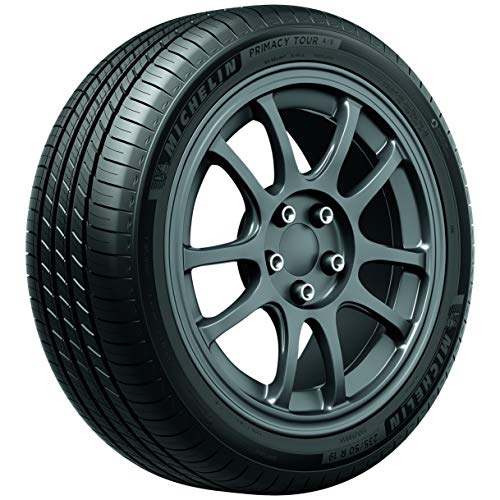
Long highway drives feel more relaxed with a tire built around a quiet tread, and the Michelin Primacy Tour A/S puts cabin comfort near the center of its design. Its noise-conscious tread pattern helps limit the steady tire sound that can stand out in a quiet Cadillac XT5.
The Primacy Tour A/S also targets precise, controlled handling. On dry pavement, you get predictable steering for lane changes and sweeping turns, while its all-season design covers the everyday mix of rain and mild cold that many XT5 drivers face.
Michelin positions this model as a premium touring tire for cars and SUVs, rather than a sharp-edged performance tire. That focus suits the XT5’s comfortable character: the tire is meant to keep the ride settled and the cabin calm through commutes and longer trips.
Its all-season road grip gives you useful flexibility through changing conditions, though the tire’s strongest point remains quiet, composed travel. Michelin Primacy Tour A/S is a polished option for drivers who value a smooth highway ride and steady steering more than sporty responses.
Bottom line: Pick it for your XT5 if a quiet cabin and calm highway manners matter most. Drivers who face frequent heavy snow may want a tire with a stronger winter focus.
Bridgestone Alenza Prestige

Pros
- 70,000-mile limited treadwear coverage
- All-season design for varied road conditions
- Road-focused handling for SUVs
- Radial construction
Cons
- Deep-snow performance is not its main focus
- Steering feel favors touring over sporty driving
Bridgestone’s Alenza Prestige is built for road-focused SUV and truck use, giving the Cadillac XT5 a tire aimed at steady all-season driving. Its 70,000-mile limited treadwear coverage reflects a clear emphasis on long service life.
The radial construction and all-season tread suit the mix of city streets, highways, and changing weather that an XT5 often sees. You get a tire designed for regular pavement use, with a performance-oriented character that keeps steering response composed during everyday driving.
Bridgestone gives the Alenza Prestige a standard-load construction for SUV applications. Its main appeal is the balance of broad seasonal traction and extended treadwear coverage, rather than specialized snow performance or a highly sporty feel.
For daily trips, the tire’s road-focused design keeps the XT5 planted and predictable on paved routes. The long treadwear coverage can be especially useful if you cover a lot of highway miles and prefer a tire built around lasting use.
Bottom line: Consider it for your XT5 if you spend plenty of time on pavement and value long treadwear coverage. It fits drivers who want a steady all-season touring feel.
Pros
- EcoPlus Technology targets lower rolling resistance
- Confident wet-road braking
- Quiet, comfortable ride
- Up to 70,000 miles of limited treadwear coverage
Cons
- Deep snow is outside its main strength
- Tread is intended for paved roads, not rough trails
Continental’s EcoPlus Technology gives the CrossContact LX25 a useful mix of wet-road grip and fuel-conscious design. It pairs with the tire’s touring tread to help your Cadillac XT5 brake on wet pavement while keeping rolling resistance in check.
In regular driving, the CrossContact LX25 brings responsive year-round handling without giving up a quiet, comfortable ride. Its tread pattern limits road noise, which can make a noticeable difference on longer trips in the XT5’s roomy cabin.
Wet braking is a key strength of this model, and the EcoPlus design also targets tread life. Continental backs it with up to 70,000 miles of limited treadwear coverage, giving you a clear sense of its long-distance touring purpose.
The CrossContact LX25 feels suited to paved routes where rain, traffic, and highway miles shape your daily drive. Its quiet ride and wet-road focus complement the XT5 well, while its all-season design handles routine changes in weather.
Bottom line: Choose it for your XT5 if wet-road control and a calm ride rank high on your list. It suits drivers who want touring comfort through regular year-round use.
Pros
- AquaChannel grooves clear water from the tread
- Noise-reducing pattern supports a quiet cabin
- Built-in Wear Gauge tracks tread wear
- 65,000-mile limited treadwear warranty
Cons
- Snow traction does not replace a winter tire
- Comfort tuning favors relaxed driving over sharp cornering
A comfortable ride is the main idea behind the Goodyear Assurance ComfortDrive, which uses a noise-reducing tread pattern to quiet road sounds. In a Cadillac XT5, that low-noise design can help keep highway travel more peaceful.
Goodyear’s AquaChannel grooves move water through the tread to reduce hydroplaning risk and maintain wet-road control. The tire also targets a smooth ride over bumps, with handling tuned for calm steering rather than abrupt responses.
An easy-to-read Wear Gauge lets you track tread depth at a glance, while the 65,000-mile limited treadwear warranty adds useful coverage for regular driving. Those details make the Assurance ComfortDrive a practical touring option for commuters and frequent road-trippers.
On wet and cold roads, the tire is designed to maintain traction as conditions change. Its water-clearing grooves and comfort-led tread give you a pleasant blend of weather control and a cushioned feel on paved routes.
Bottom line: Go with it for your XT5 if a quiet, cushioned ride matters more than sporty handling. It is a sensible touring pick for commuters and highway drivers.
Pros
- Severe-snow-rated all-season design
- AquaTred grooves move water and slush
- Evolving grooves retain water-clearing edges
- Multi-pitch pattern lowers road noise
Cons
- A dedicated winter tire offers more snow focus
- Tread may feel less sporty on dry roads
Goodyear designed the Assurance WeatherReady 2 for drivers who need stronger traction through rain, slush, and snow. Its severe-snow rating gives the Cadillac XT5 added winter capability while keeping the tire useful through the rest of the year.
AquaTred Technology uses sweeping grooves to move water and slush out of the tread. Evolving Traction Grooves keep water-clearing edges in play as the tire wears, which helps preserve wet-road grip over its service life.
The specialized tread compound stays adaptable across seasons, while comfort inserts help reduce bumps and vibration. A multi-pitch tread pattern uses blocks of different sizes to keep noise down, so the winter-oriented design still feels suited to everyday highway driving.
You get wet and cold-weather control with steering that feels composed during lane changes. The WeatherReady 2 gives an XT5 driver a weather-focused option without losing sight of ride comfort and lower road noise.
Bottom line: Consider it for your XT5 if winter weather regularly brings snow or slush. It gives you a useful blend of snow capability, wet grip, and touring comfort.
Pros
- 80,000-mile limited treadwear warranty
- Locking 3-D Sipes add biting edges
- Designed for wet and dry stopping
- Six-year standard limited warranty
Cons
- Touring tread gives up some sporty steering feel
- Deep snow is not its main specialty
Michelin built the Defender2 around long tread life, making it a durable touring option for a Cadillac XT5 that racks up miles. Its 80,000-mile limited treadwear warranty backs that focus with substantial coverage.
Locking 3-D Sipes create many small biting edges for grip on wet and dry pavement. Their interlocking design also steadies the tread blocks, pairing useful stopping traction with predictable handling during everyday driving.
Michelin redesigned the Defender2 to extend tread life while retaining dependable all-season road manners. You can expect a tire geared toward daily commutes and highway trips, with a six-year standard limited warranty adding another layer of coverage.
Its touring character suits the XT5’s role as a comfortable family SUV. The tread emphasizes lasting use and steady braking, while the all-season design keeps it ready for routine shifts in weather.
Bottom line: Buy it for your XT5 if long tread life and dependable pavement grip are your priorities. It is well suited to drivers who spend many miles on regular roads.
Pros
- Sporty, responsive steering
- Asymmetric tread balances grip across conditions
- All-season design adds cold-weather flexibility
- Performance-focused road handling
Cons
- Can produce more road noise than comfort-touring tires
- Not a replacement for a dedicated winter tire
Sharp steering is the defining aim of the Michelin Pilot Sport All Season 4, a performance tire that brings the Pilot Sport family’s road-focused character to all-season driving. Its asymmetric tread design balances dry-road response with grip in changing weather.
For an XT5 driver who prefers a more connected feel, the tire gives steering inputs a quick, direct response. Its all-season tread brings added cold-weather flexibility compared with a summer performance design, while keeping the emphasis on pavement grip and control.
Michelin developed this tire for drivers who want sporty handling without switching to a summer-only model. Chevrolet selected it as the first all-season tire for the Corvette, a sign of the performance role Michelin gave the line.
The performance-oriented tread makes the Pilot Sport All Season 4 feel more eager through corners than a comfort-first touring design. It still covers everyday all-season driving, but its strongest appeal is the extra steering precision it brings to paved roads.
Bottom line: Choose it for your XT5 if you want a sportier feel and sharper steering on pavement. It makes the most sense for drivers who value handling over a softer touring ride.
Pros
- Quiet multi-pitch tread pattern
- Micro-silica compound improves wet traction
- Sipes add biting edges in cold weather
- 65,000-mile limited treadwear warranty for standard applications
Cons
- Steering response favors comfort over sporty precision
- Deep snow is not its main purpose
The Yokohama Geolandar CV G058 uses staggered multi-pitch tread blocks to limit the steady noise that can build during highway travel. That quiet-tread design suits a Cadillac XT5, where a relaxed cabin is part of the appeal.
Yokohama adds a micro-silica rubber compound for wet-weather traction and tread life. Its 2D and 3D sipes, along with serrated outer grooves, create extra biting edges for grip in cold temperatures, slush, and light snow.
Chamfered ribs keep the tread in even contact with the road, supporting consistent handling and wear. Together, these features give the Geolandar CV G058 a comfort-minded character with useful traction when the weather turns wet or cold.
Yokohama backs standard applications with a 65,000-mile limited treadwear warranty. The Geolandar CV G058 is built for steady crossover use, with a balanced mix of road comfort and all-season grip for regular XT5 driving.
Bottom line: Pick it for your XT5 if you want a quiet touring tire with added cold-weather grip. It works well for daily pavement use through changing seasons.
Pros
- Symmetrical tread promotes even wear
- Predictable handling for everyday driving
- All-season design for routine road conditions
- Radial construction
Cons
- Not focused on deep-snow traction
- Less suited to aggressive cornering
For everyday road use, the General AltiMAX RT45 keeps its design straightforward with a symmetrical all-season tread. That layout promotes even wear and predictable handling, qualities that suit routine driving in a Cadillac XT5.
Its radial construction and touring focus make the RT45 a practical choice for commutes and highway trips. You get a tire aimed at steady road manners through common changes in weather, rather than a tread built around aggressive cornering or deep-snow traction.
The symmetrical pattern gives the tire consistent contact with the road, helping your steering feel settled during regular lane changes. General Tire’s AltiMAX RT45 line centers on dependable daily use, making it a sensible option for drivers who want uncomplicated all-season performance.
With its balanced touring tread, the RT45 keeps the focus on familiar pavement conditions and even wear. It brings a measured, predictable feel to everyday trips without leaning into the sharper character of a performance tire.
Bottom line: Consider it for your XT5 if you want a straightforward touring tire for daily pavement use. It suits drivers who value predictable handling and an all-season design.
Factors to Consider When Choosing Tires for Cadillac XT5
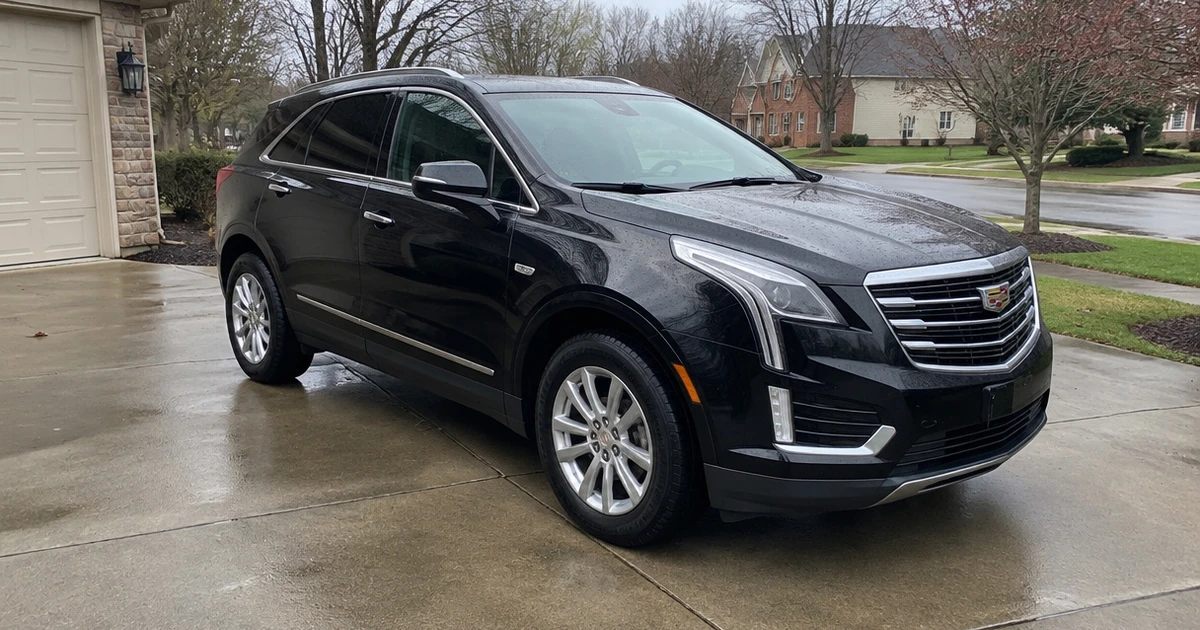
Your XT5’s tire choice affects more than grip. Match the replacement to the vehicle’s approved fitment first, then weigh snow traction, cabin comfort, handling, and tread life. These checks help you compare tire types and focus on traits that fit your daily routes.
- Verify tire size and load or speed ratings.
- Choose traction for your regular climate.
- Plan for tread life, pressure checks, and rotation.
Fitment and Load Ratings
Use the tire size on the driver’s door placard or owner’s manual as your starting point. Match the full size, including width, aspect ratio, and wheel diameter. A different wheel setup may require another approved size, but keep the overall diameter close to the vehicle’s intended range so speed readings and handling stay consistent.
Check load index and speed rating as well. The load index tells you how much weight each tire can carry, and the speed rating marks its rated speed category.
Choose ratings that meet the vehicle maker’s requirements; a lower rating can compromise safe operation. XL tires may support a higher load at the right pressure, but they do not replace checking the placard.
If you use nonstandard wheels, confirm clearance and approved alternatives with a tire professional before you buy. Keep the same size and rating across the set unless the vehicle maker allows a different fitment.
Climate and Traction
Match the tire to your cold-season pattern. All-season tires work for many drivers who see mild winters, but they lose grip as temperatures fall and snow accumulates. All-weather tires carry the three-peak mountain snowflake symbol and offer stronger winter traction while staying on the vehicle year-round.
If you face frequent deep snow or ice, dedicated winter tires deliver the best cold-weather focus, but require a seasonal swap. Use the table as a starting point, and check local rules before winter travel.
| Tire type | Best suited to | Trade-off |
|---|---|---|
| All-season | Mild, mixed weather | Less grip in severe winter |
| All-weather | Year-round use with snow | May trade some warm-weather response |
| Winter | Frequent snow and ice | Requires a seasonal change |
Ride Comfort and Road Noise
Cabin comfort matters on long drives. Touring tires often shape tread blocks and grooves to limit repeating road noise, while flexible sidewalls can soften small bumps. The tread and tire construction both affect how much vibration reaches the cabin.
Think about the roads you use most. Smooth pavement rewards a quiet touring design, while broken pavement may make a softer ride more valuable than quick steering response. Treat comfort and noise claims as a starting point, since cabin sound also depends on pavement, speed, and vehicle condition.
A tire built for daily SUV travel usually suits commuting better than a highly focused performance design. If you drive rough roads often, prioritize ride comfort over sharp steering response.
Tread Life and Warranty
Long tread life can lower replacement frequency, but a mileage warranty does not predict exactly how long your set will last. Driving style, alignment, inflation, road surface, and weather all affect wear. The UTQG treadwear grade gives a rough comparison, yet different makers may assign grades differently, so use it as one clue instead of a promise.
Read the warranty rules before you buy. Many mileage warranties require regular rotation and proper maintenance, and they may exclude damage or uneven wear. Rotate tires on the schedule in your owner’s manual, check alignment if the tread wears more on one edge, and keep a simple service record.
Pressure and Maintenance
Check pressure at least once a month and before long trips, using the cold pressure on the door placard rather than the maximum printed on the tire sidewall. Correct pressure supports handling and helps the tread wear evenly. Temperature swings can change pressure, so check when tires sit for several hours and before driving far.
Inspect the tread and sidewalls as part of that routine. Look for cuts, bulges, embedded objects, and uneven wear; a bulge or sudden loss of pressure calls for prompt professional attention. Rotate on schedule, and ask for an alignment check if the XT5 pulls to one side or the steering wheel sits off-center.
Frequently Asked Questions
What tire size does a Cadillac XT5 use?
The correct size depends on your XT5’s model year, trim, and wheel package. Read the tire placard on the driver’s door jamb or check the owner’s manual, then match the full size and required load and speed ratings. Do not rely only on the tire already on the vehicle, since a previous owner may have changed the wheel setup.
Should I replace all four tires at once?
If your XT5 has all-wheel drive, match all four tires as closely as possible in size, model, and tread depth. Different rolling circumferences can strain the drivetrain. Check the owner’s manual for its tread-depth limits; if one tire suffers damage, ask a tire professional whether repair or a matched replacement makes sense.
Are all-season tires enough for winter driving?
They can suit mild winters with occasional light snow, but they lose grip as temperatures drop and roads grow icy. If you drive often in heavy snow or very cold weather, dedicated winter tires can provide more dependable traction. All-weather tires offer a year-round option with stronger snow capability than typical all-season designs.
When should I replace my tires?
Check tread depth with a gauge and replace tires before they reach the wear bars, which sit near 2/32 inch on many tires. Wet and snowy traction often drops before that point. Also inspect for cracks, bulges, or repeated pressure loss, and have a tire professional check any damage you spot.
How often should I rotate my tires?
Follow the rotation schedule in your owner’s manual, since the right interval can depend on your vehicle and tire setup. Regular rotation helps tires wear more evenly and can support longer service life. Check pressure at the same time, and ask for an alignment check if you notice uneven wear.