
This post may contain affiliate links. As an Amazon Associate I earn from qualifying purchases. If you choose to make a purchase, I may earn a small commission at no extra cost to you.
Choosing tires for a Chevy Cruze can feel confusing because the right fit depends on more than wheel size. A tire may fit the rim yet miss the car’s required load rating, or feel fine in dry weather but struggle on wet roads or winter slush.
Start with the tire information on your driver’s door placard, then decide which conditions matter most in your routine: rain, snow, highway noise, long tread life or sharper steering. The best tires for Chevy Cruze you can buy in 2026 should suit your Cruze’s factory requirements and local climate. The options below cover different driving needs, from year-round traction to comfort-focused commuting and sportier handling.
Our Top Chevy Cruze Tires Picks


More Details on Our Top Picks
Pros
- 3PMSF severe-snow rating
- Strong wet and dry braking
- Directional tread clears water effectively
- Built for year-round use
Cons
- Directional tread limits rotation patterns
- Snow grip cannot match a dedicated winter tire
A sweeping V-shaped tread gives the Michelin CrossClimate2 a distinctive look and channels water away from its contact patch. Its all-season design targets the changing weather a Cruze can face through the year, with confident braking on wet and dry pavement.
The tire carries a 3PMSF severe-snow rating, so it meets an industry standard for traction in packed snow. Its tread compound and directional pattern maintain grip across a wide range of temperatures, giving you more winter ability than a basic all-season tire.
Michelin CrossClimate2 also focuses on braking, with tread blocks shaped to keep their edges working against the road. That design, paired with its wet-weather grip, makes everyday stops feel controlled when rain catches you on a commute.
The tread aims for long wear as well as year-round traction, so you can get more use from a set through changing seasons. It gives the Cruze a practical blend of wet-road control, light-snow capability and everyday comfort, with a look that feels more purposeful than a standard touring tread.
Bottom line: Choose this tire if you want one set for varied weather and value winter traction. It suits Cruze drivers who face occasional snow as well as rain and dry roads.
Pros
- 80,000-mile limited treadwear warranty
- Locking 3-D Sipes add wet-road grip
- Designed for long tread life
- Predictable everyday handling
Cons
- Steering feel favors comfort over sport
- Not intended for severe winter conditions
Michelin built the Defender2 around long tread life, with a redesigned pattern intended to resist wear over years of daily driving. That focus suits a Cruze used for commuting or regular highway trips, where steady performance matters more than a sporty feel.
Locking 3-D Sipes create many small biting edges across the tread. They help the Michelin Defender2 hold grip and brake with control on wet or dry pavement, while the tread blocks stay stable as you steer.
Michelin covers the tire with an 80,000-mile limited treadwear warranty and a six-year standard limited warranty. The warranty reflects the product’s touring focus, though your actual tread life depends on driving conditions and habits.
On the road, the Defender2 gives you predictable handling and dependable all-season traction. It does not chase quick, sharp steering, but its calm response fits the daily rhythm of a Cruze and the kind of varied pavement you meet on errands and longer drives.
Bottom line: The Defender2 suits Cruze owners who put high mileage on their cars and want a touring tire with a long treadwear warranty. Pick it for steady commuting rather than lively cornering.
Pros
- EcoPlus Technology supports fuel efficiency
- Confident wet braking and handling
- Quiet ride on highways
- Light-snow traction for seasonal use
Cons
- Not designed for deep snow
- Touring response feels less sporty
Continental’s EcoPlus Technology gives the TrueContact Tour 54 its practical focus: efficient rolling, longer tread life and confident wet braking. That combination works well for Cruze drivers who spend time on city streets and highways and want a composed all-season ride.
The tread channels water away from the contact area, giving you dependable wet-road handling when rain covers the pavement. The design also provides traction in light snow, so the tire can handle ordinary winter conditions without giving up its touring character.
Continental TrueContact Tour 54 keeps road noise low through a tread pattern designed for a quieter ride. In daily use, that means less tire sound coming through the cabin during steady highway travel, while the tire maintains a smooth, settled feel.
Continental offers up to 80,000 miles of limited tread life coverage on this line. Its balance of road comfort, wet grip and fuel-saving design makes it a sensible fit for a Cruze that sees regular use across the seasons.
Bottom line: Choose the TrueContact Tour 54 for a quiet daily drive with wet-weather confidence and a long treadwear warranty. It fits Cruze owners who value comfort and efficiency.
Pros
- Multi-pitch tread reduces road noise
- Compound resists irregular wear
- Tread clears water and slush
- Comfort-focused ride
Cons
- Steering response favors comfort over sport
- Not intended for severe snow
A multi-pitch tread pattern gives the Bridgestone Turanza EverDrive a quieter character by varying the size and placement of its tread blocks. That design can cut the repeating noise you hear on pavement, a welcome trait when your Cruze spends long stretches on the highway.
Bridgestone uses a compound designed to resist irregular and premature wear. This focus helps the tire maintain an even contact with the road through regular commuting, while the tread pattern moves water and winter slush away from the tread.
The Turanza EverDrive puts comfort ahead of sharp, sporty reactions. Its pattern also helps limit vibration, so the ride feels composed over ordinary roads and lane changes feel steady rather than abrupt.
For Cruze driving, this tire’s appeal lies in its quiet touring manners and all-season practicality. It gives you a calm cabin on daily routes, with a tread design built to handle wet pavement and slushy conditions along the way.
Bottom line: The Turanza EverDrive fits Cruze drivers who spend plenty of time on paved roads and value a quieter cabin. Choose it for comfort and steady all-season use.
Pros
- Severe-snow rated all-season traction
- AquaTred grooves clear water and slush
- Evolving grooves maintain water channels
- Comfort inserts reduce road vibration
Cons
- Steering feel leans toward comfort
- Not a substitute for a winter tire in deep snow
Goodyear designed the Assurance WeatherReady 2 to keep grip through changing weather, including severe snow conditions. Its specialized tread compound stays adaptable across seasons, giving your Cruze more winter readiness than an ordinary all-season touring tire.
AquaTred Technology uses sweeping grooves to move water and slush away from the contact patch. Evolving Traction Grooves continue to open up as the tread wears, keeping channels available to displace water through the tire’s service life.
The tread also uses variable-size blocks to reduce repeating road noise. Goodyear adds comfort inserts that soften bumps and vibration while keeping steering controlled during lane changes, which gives the tire a settled feel on regular drives.
Goodyear Assurance WeatherReady 2 brings those features together for commuters who see rain, slush and occasional snow. It gives you reassuring wet-road grip without making the tire feel like a dedicated winter model during warmer months.
Bottom line: Consider this Goodyear if your Cruze faces wet winters and occasional snow, but you want one tire for year-round driving. Its weather-focused tread suits changing conditions.
Pros
- Grand-touring design balances comfort and handling
- Asymmetric tread supports stable steering
- All-season traction for daily driving
- Comfortable highway manners
Cons
- Not built for severe winter weather
- Less sharp than a dedicated performance tire
Pirelli built the P7 AS Plus 3 as a grand-touring all-season tire for drivers who want a composed ride without giving up responsive handling. Its asymmetric tread gives the tire a stable, planted feel, a useful balance for a Cruze that mixes commuting with longer highway drives.
The pattern uses tread grooves and sipes to maintain grip on wet pavement and provide traction in light snow. Its all-season design also keeps the tire ready for dry-road driving, so you can use it through the year rather than swapping tires with every season.
The Pirelli P7 AS Plus 3 favors smooth road manners over track-style sharpness. On everyday routes, you get steady steering and a comfortable ride, while its tread design gives you confident control in routine wet-weather driving.
This tire fits the grand-touring role well for a compact sedan. It brings together year-round traction, composed handling and a comfort-minded ride, making it a practical option for drivers who want more response than a basic touring tire provides.
Bottom line: The P7 AS Plus 3 suits Cruze drivers who want everyday comfort with a more responsive feel. Choose it for mixed commuting and highway use in mild winter conditions.
Pros
- SportPlus Technology supports responsive handling
- DWS indicators track tread performance
- Strong wet and dry grip
- Snow and ice traction
Cons
- Sport-focused tread can wear faster with aggressive driving
- Ride can feel firm on rough roads
The D, W and S marks in the Continental ExtremeContact DWS06 Plus tread give you a quick visual guide to its tuning for dry, wet and snow conditions. Those symbols wear away as the tire wears, so the tread itself shows when its performance focus changes.
Continental’s SportPlus Technology pairs responsive handling with grip on wet and dry roads. The tread also gives the tire traction in snow and ice, making it a useful all-season option for Cruze drivers who want a sportier feel through changing weather.
Continental ExtremeContact DWS06 Plus delivers short braking distances on wet and dry pavement, with steering that responds quickly to your inputs. Its sporty tread design also adds a more aggressive look without sacrificing its everyday all-season role.
The tire carries a limited tread life warranty of up to 50,000 miles. Its performance focus gives you a livelier drive than a comfort-first touring tire, while still keeping the Cruze usable for regular commuting and longer trips.
Bottom line: Pick this Continental for a Cruze that you want to feel more responsive on winding roads. It suits drivers who still need year-round traction for daily use.
Pros
- Responsive steering feel
- Dynamic Response Technology supports precision
- Strong grip in wet and dry conditions
- All-season design for year-round use
Cons
- Firm ride over broken pavement
- Limited grip in deep snow
The Michelin Pilot Sport All Season 4 brings a performance-tire approach to year-round driving, with an asymmetric tread designed for strong grip and responsive steering. Chevrolet selected this tire for the Corvette, which reflects its performance focus, though it also suits a Cruze driver who wants a more connected feel.
Michelin’s Dynamic Response Technology uses a hybrid belt to help keep steering inputs precise. Its tread and compound work across dry, wet and cool conditions, so you can enjoy quick responses without switching to a summer tire when the weather turns.
Michelin Pilot Sport All Season 4 has more to offer than sharp handling alone. Its all-season design gives you confident wet-road control and useful cold-weather traction, while its tread maintains a performance feel during everyday drives.
The tire’s character leans toward firm, responsive handling rather than a soft touring ride. If you enjoy feeling the road and want an all-season tire that can keep up with brisk driving, it brings a sportier edge to the Cruze.
Bottom line: This Michelin fits Cruze drivers who value quick steering and confident grip more than a plush ride. Choose it for spirited driving in varied but generally moderate conditions.
Pros
- Visual Alignment Indicators show uneven wear
- Replacement Tire Monitor tracks tread condition
- Symmetrical tread supports consistent handling
- Comfortable touring ride
Cons
- Steering lacks a performance tire’s crisp response
- Limited traction in deep snow
General’s Visual Alignment Indicators give the AltiMAX RT45 a useful detail: paired tread marks show uneven wear across the tire. Its Replacement Tire Monitor also uses molded letters that change as the tread wears, making the tire’s touring design more informative over time.
The General AltiMAX RT45 uses a symmetrical all-season tread for consistent handling and even wear. Its touring setup suits the everyday pace of a Cruze, with a comfortable feel for errands, commutes and regular highway travel.
The tire’s tread pattern gives you reliable traction across ordinary wet and dry roads. It does not have the sharp steering character of a performance tire, but the response stays predictable and easy to manage in daily driving.
General built the RT45 to serve as a practical passenger-car tire, with design details that help you track tread wear as the miles add up. That blend of all-season use and comfortable road manners makes it a straightforward fit for routine Cruze driving.
Bottom line: The AltiMAX RT45 suits Cruze owners who want a comfortable touring tire with practical tread-monitoring features. Choose it for everyday use on paved roads.
Pros
- Four grooves channel water away
- Touring tread supports a comfortable ride
- All-season design for daily use
- Predictable handling on paved roads
Cons
- Steering response is comfort-focused
- Not intended for severe winter conditions
Four center grooves give the Hankook Kinergy PT a clear job in wet weather: channel water away from the tread to maintain contact with the road. That design helps reduce hydroplaning risk and gives a Cruze dependable control during rainy commutes.
Hankook computer-optimized the tread for a comfortable ride and all-season performance. The layout aims to keep road noise and vibration in check, so the Kinergy PT feels at home on longer drives as well as short trips around town.
The Hankook Kinergy PT uses a touring tread that balances everyday road comfort with year-round traction. Its steady handling suits the Cruze’s role as a commuter car, and its water-channeling grooves add confidence when showers leave standing water on the road.
This tire favors smooth, predictable manners over quick, sporty steering. You get a comfortable feel for routine driving, along with an all-season tread design that handles common wet and dry conditions without calling for a specialized performance setup.
Bottom line: Consider the Kinergy PT if you want a comfortable, steady tire for regular Cruze commuting. It suits drivers who face frequent rain and value predictable road manners.
Factors to Consider When Choosing Tires for Chevy Cruze
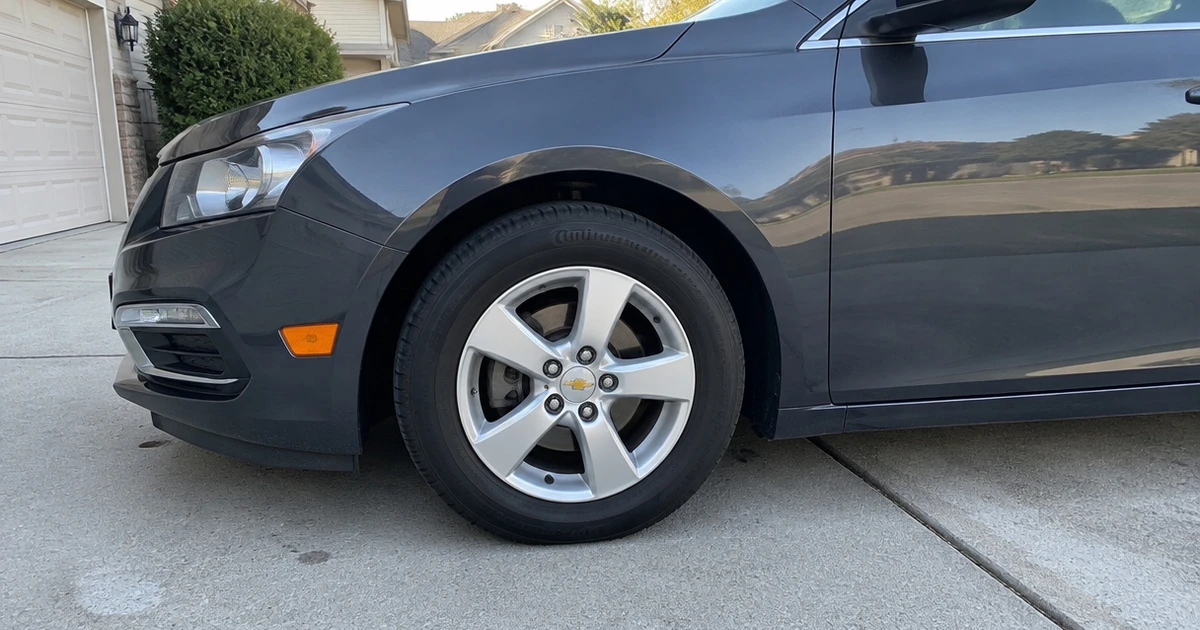
Your Cruze needs tires that match its factory fitment and the roads you drive most. Start with the tire placard and owner’s manual, then weigh wet grip, winter traction, ride comfort and expected service life. A sensible choice balances those needs instead of chasing a single feature.
Size and Load Requirements
The tire placard on the driver’s door frame and the owner’s manual give the approved size, load index and speed rating for your Cruze. Match all three, along with the wheel diameter, rather than choosing by sidewall width alone. A tire that fits the rim can still fall short of the car’s load or speed requirement.
Before you order, check:
- The full tire size code.
- The load index and speed symbol.
- The placard’s cold pressure, not the tire sidewall’s maximum pressure.
Keep the same size on all four corners unless the manual allows another setup. If you change wheels, confirm clearance and fitment with a tire shop.
Climate and Road Grip
Match the tread design to your winters. A standard all-season tire suits mild conditions and occasional cold snaps, while a severe-snow-rated all-weather tire adds winter grip for drivers who face regular snow but want one set year-round. If you drive on icy or deep-snow roads for months, dedicated winter tires usually give more reliable cold-weather traction.
Rain matters too: wide grooves and channels move water away from the contact patch, but tread depth still affects wet grip. Use this guide to sort the broad categories:
| Tire type | Best fit | Trade-off |
|---|---|---|
| All-season | Mild weather and light winter conditions | Less grip in deep snow |
| All-weather | Year-round driving in regular snow | Less cold-weather grip than winter tires |
| Winter | Cold weather, snow and ice | Swap them out in warm months |
Tread Life and Warranty
A treadwear warranty can help you compare touring tires, but treat it as a coverage limit, not a promise that your set will last that long. Read the terms for required rotations, alignment checks, pressure checks and prorated coverage. A tire with a longer warranty may still wear quickly if you drive hard or run incorrect pressure.
Think about your annual mileage and how long you plan to keep the Cruze. Drivers who rack up highway miles may value a long-life touring design, while frequent hard braking and rough pavement can shorten any tire’s service life. Keep purchase records and maintenance notes so you can follow warranty rules.
Ride Comfort and Road Noise
Cabin noise grows on coarse pavement, and tire tread can shape how much sound reaches you. Touring tires often favor a smoother ride and lower road noise, while aggressive tread blocks and stiff sidewalls can create more hum or sharper impacts. Tests that compare noise on the same road surface tell you more than a label alone.
Sidewall height also affects comfort: a taller sidewall usually cushions potholes better, while a shorter one can make steering feel quicker but pass more bumps into the cabin. Stay within the approved size range. If you spend long hours commuting, prioritize ride comfort over a small gain in cornering response.
Handling and Driving Style
Choose a tire category that suits how you drive, not only the Cruze’s badge. For daily commuting and steady highway travel, a touring tire usually gives a calmer ride and a useful balance of wear and wet grip. If you take corners quickly or want more precise steering, a performance-oriented all-season tire can respond more directly, but its tread life and ride comfort may not match a touring design.
Check the tire’s speed rating and handling focus, but keep the car’s approved rating. A sportier tire cannot improve worn suspension or poor alignment. If you drive mostly short city trips, strong wet braking and dependable low-speed grip matter more than track-style response.
Replacement and Maintenance
Plan for the way you’ll maintain and replace the set. Rotate tires at the interval in your owner’s manual, and check pressure monthly when the tires are cold. Ask a shop to inspect alignment if the Cruze pulls to one side or the tread wears unevenly; poor alignment can waste tread quickly.
If you replace only two tires, match their size and type to the pair that stays on the car, and ask a tire professional to fit the new pair on the rear axle for steadier wet-road control. Replace all four together when wear or damage calls for it, and have a shop check the remaining tires before pairing new ones with them.
Frequently Asked Questions
What tire size fits a Chevy Cruze?
Check the tire placard on the driver’s door frame and the owner’s manual for your model year and trim. The placard lists the approved size, load index and speed rating. Use those details when replacing tires, and do not rely only on the size printed on a tire currently on the car; a previous owner may have changed it.
Can I use all-season tires year-round?
Many drivers can use standard all-season tires in warm weather and light winter conditions. These tires lose traction as temperatures drop and snow deepens. If your area gets frequent snow or ice, choose a severe-snow-rated all-weather option or install winter tires for the cold season. Local laws may also set winter tire rules.
When should I replace my tires?
Replace tires when the tread reaches 2/32 inch, the legal minimum in many places, though wet traction falls before that point. Check for cracks, bulges, uneven wear or repeated pressure loss. Follow the vehicle maker’s guidance on tire age, and have a shop inspect older tires even if the tread looks usable.
Should I replace two tires or all four?
Replacing all four at once keeps grip and handling more even. If only two need replacement, match the remaining tires as closely as possible in size and type, then ask a tire professional to place the new pair on the rear axle. Follow the owner’s manual if it gives a specific replacement rule.
What tire pressure should I use?
Use the cold tire pressure on the driver’s door placard, not the maximum pressure molded into the tire sidewall. Check pressure at least monthly and before long trips, ideally when the tires have sat for several hours. Correct pressure helps the Cruze ride, brake and wear tires as intended.