
This post may contain affiliate links. As an Amazon Associate I earn from qualifying purchases. If you choose to make a purchase, I may earn a small commission at no extra cost to you.
Choosing tires for a Porsche 718 can feel tricky because the car responds quickly to changes in grip, sidewall feel and tire balance. A tire that works well on smooth summer roads may feel harsh on broken pavement or struggle when cold weather arrives. Your driving habits and local climate matter as much as the label on the sidewall.
The best tires for Porsche 718 you can buy in 2026 should fit your exact trim, support its handling, and suit your regular roads. This guide covers summer, all-season and winter-focused choices, from road comfort to track use. Use the advice below to narrow your options and check fitment before you order.
Our Top Tires Picks





More Details on Our Top Picks
Pros
- Strong dry grip and wet braking
- Responsive steering feel
- Stable through fast corners
- Racing-derived compound and construction
Cons
- Summer compound loses grip in cold weather
- Costs more tread life than an all-season tire
Michelin Pilot Sport 4S pairs a high-grip summer tread with technology drawn from endurance racing. Its split-compound design places a firmer elastomer on the outer shoulder for cornering grip and a silica-rich compound on the inner tread for wet traction.
That balance gives you confident turn-in on dry roads and strong wet braking when the weather changes. The tread also holds its shape under hard cornering, so steering feels direct through quick bends.
Michelin’s Dynamic Response Technology uses a reinforced belt to help transfer steering inputs to the road. You get a precise feel at speed, while the tread pattern keeps the tire composed under firm braking.
The Michelin Pilot Sport 4S has a long-standing place in the max-performance summer category and has earned use on performance cars from several automakers. Its dry grip and wet braking suit spirited road drives, while its racing roots show in its steady response under load.
Bottom line: For a 718 driven hard on warm roads, this is the well-rounded summer tire to put near the top of your list.
Pros
- Compound warms up quickly
- Rib design supports cornering response
- Tuned for wet-road performance
- Select versions offer noise-reduction technology
Cons
- This SUV-specific version is not a direct match for typical 718 fitments
For fast road driving in a larger performance vehicle, the Pirelli P Zero PZ4 brings a tread design built around steering response and cornering. Its rib layout keeps the tread stable as you turn, while reinforced steel belts add firmness under quick inputs.
Pirelli uses a compound tuned to warm up quickly and maintain wet-road performance. That makes the tire feel ready for spirited driving without needing a long stretch of hard use before it responds.
The PZ4 line also focuses on keeping road noise and rolling resistance in check. Select versions add features such as Pirelli Noise Cancelling System, which uses material inside the tire to reduce cabin noise, or SealInside technology to limit air loss after some punctures.
You get a quick warm-up feel and steady cornering response from this summer performance design. The Pirelli P Zero PZ4 name covers vehicle-specific versions, and this entry targets larger performance SUVs rather than the usual 718 application.
Bottom line: Consider this only if your 718 has a suitable nonstandard setup; its intended role is fast, comfortable driving in a larger performance SUV.
Pros
- All-season traction with sporty handling
- Full-depth 3D sipes
- Grooves channel water from the tread
- 50,000-mile limited tread life warranty
Cons
- Less dry-road grip than a dedicated summer tire
- Not a substitute for a winter tire in severe snow
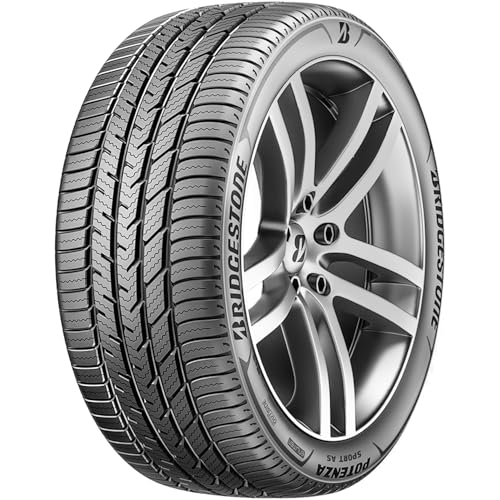
Through damp roads and cool mornings, the all-season Bridgestone Potenza Sport gives you performance-tire handling without limiting you to warm-weather use. Circumferential and lateral grooves channel water away from the tread to help maintain contact on wet pavement.
Full-depth 3D sipes add biting edges across the tread, while open shoulders help the tire hold on through turns. Those details give this sporty all-season design more grip than a basic touring tire when the road gets slick.
Bridgestone uses its PeakLife tread compound to balance response with longer wear. The company backs the tire with a 50,000-mile limited tread life warranty, a useful feature if you drive your 718 often rather than saving it for weekend runs.
The Bridgestone Potenza Sport also keeps its handling focus in changing conditions, so steering still feels composed when the pavement turns wet. Its all-season tread gives you year-round flexibility, though it cannot match a dedicated summer tire’s grip in warm, dry weather.
Bottom line: Go with it if you want one performance-minded tire for varied seasons and value a longer tread life warranty.
Pros
- SportPlus Technology for responsive handling
- Short wet and dry braking distances
- Strong grip on winding roads
- Up to 30,000 miles of limited tread coverage
Cons
- Summer compound is poorly suited to cold weather
- Snow traction is limited
Braking confidence on wet pavement is a core strength of the Continental ExtremeContact Sport 02. Continental’s SportPlus Technology pairs responsive handling with grip in wet and dry conditions, giving you a sure feel when you brake hard or change direction.
The tread compound works with the pattern to keep the tire planted through fast corners. Short braking distances in both wet and dry weather make it easier to carry a consistent driving rhythm on winding roads.
Continental also puts real attention on tread life for a summer performance tire. The company offers up to 30,000 miles of limited tread life coverage, giving you a clear warranty for a tire built around sharp road manners.
On a Porsche 718, that blend of grip and quick response suits back-road driving and regular road use. The Continental ExtremeContact Sport 02 has also earned a place in performance settings such as the AMG Driving Academy, where precise handling matters.
Bottom line: Choose it for warm-weather 718 driving if you want sharp handling and reliable wet-road braking.
Pros
- Track-focused dry grip
- Dual-compound tread design
- Compatible with Michelin Track Connect
- Direct steering response
Cons
- Wears quickly under frequent track use
- Less capable in standing water than a road-focused summer tire
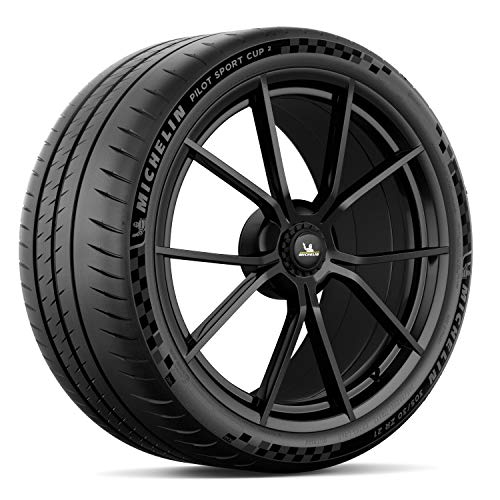
Michelin’s Cup 2 line brings track-focused grip to road-legal tires, and the Michelin Pilot Sport Cup 2 carries that focus into fast laps. Its summer tread uses a high-grip compound and a broad contact area to hold steady under hard cornering.
The outer shoulder uses a firmer compound for support through turns, while the inner tread works with silica to maintain grip on damp pavement. This dual-compound layout gives you firm dry-road response without relying on a slick tread.
The Connect version can work with Michelin Track Connect sensors and an app to show tire pressure and temperature during sessions. That track-focused feedback helps you follow changes in the tire as a session unfolds.
Expect direct steering and strong cornering grip when the Michelin Pilot Sport Cup 2 reaches its working range. It also gives you a more track-oriented feel on the road, where the tread can sound and wear differently from a standard performance tire.
Bottom line: This suits a 718 that sees regular track days and still needs a road-legal tire for the drive there.
Pros
- High dry grip for track use
- Fast steering response
- Broad contact zones under cornering
- Road-legal design
Cons
- Short tread life under frequent hard use
- Limited confidence on cold, wet roads
The R in Michelin Pilot Sport Cup 2 R signals an even sharper track focus. Michelin builds this road-legal tire for high-performance sports cars, with a race-inspired tread and compound that favor dry grip under hard cornering.
Its broad tread blocks give you a firm footprint through fast turns, while the low-groove design keeps more rubber in contact with dry pavement. The result is a tire that responds quickly when you load the front end or put power down on corner exit.
On a 718 used for circuit driving, that focused design can make steering feel immediate and help you hold a clean line through demanding corners. Michelin Pilot Sport Cup 2 R works best once the tire warms up, when its track-ready grip becomes the main point of the design.
This is a specialized summer tire, not a relaxed all-season option. Its performance character rewards smooth inputs and hard use on a dry circuit, where the tread can reach the conditions it was built for.
Bottom line: Reserve it for a 718 that spends serious time on dry circuits and where track grip matters more than long road mileage.
Pros
- Asymmetric tread supports quick handling
- Four grooves move water away
- Footprint supports acceleration and braking
- Used as original equipment on select performance cars
Cons
- Compound hardens in sustained cold below 45 degrees Fahrenheit
- Less suited to year-round driving
An asymmetric tread gives the Goodyear Eagle F1 SuperSport its quick response through corners. Its footprint spreads contact across the road during acceleration, braking, and turning, helping you make crisp inputs in a performance-focused 718.
Four wide grooves move water away from the tread to reduce the risk of hydroplaning on wet roads. That layout gives you useful wet-road control while the summer compound stays focused on grip in warmer conditions.
Goodyear uses a sticky rubber compound to help the tire hold on during spirited driving. Select sports cars also use the Eagle F1 SuperSport as original equipment, reflecting its role as a road tire with serious performance aims.
The Goodyear Eagle F1 SuperSport delivers direct cornering response and firm braking feel when temperatures suit its summer compound. In cold weather, that rubber can harden, so the tire gives up grip as temperatures stay below 45 degrees Fahrenheit.
Bottom line: Consider it for warm-weather road drives if you want a sticky summer tire with a quick, precise feel through corners.
Pros
- Sporty handling across changing seasons
- High-silica tread compound
- Helio+ technology for cold-weather grip
- Selected for Corvette all-season use
Cons
- Less warm-weather grip than a summer performance tire
- Not built for severe winter conditions
For a 718 that stays on the road through changing seasons, the Michelin Pilot Sport All Season 4 brings a sporty feel to all-season driving. Michelin combines a high-silica tread compound with Helio+ technology to maintain grip when the pavement turns wet or cold.
Its performance-focused tread gives you responsive steering on dry roads, while its grooves help clear water in rain. The tire keeps a more composed feel than a basic all-season design when you ask for quick direction changes.
Michelin designed the Pilot Sport All Season 4 to balance handling with longer usable life. Chevrolet chose the tire as the first all-season option for the Corvette, reflecting its place in performance-car use beyond ordinary commuting.
The Michelin Pilot Sport All Season 4 gives you year-round flexibility without the seasonal swap that a dedicated summer setup needs. It can handle light snow, but a winter tire remains the better tool for frequent driving in severe snow or ice.
Bottom line: Pick it for a road-driven 718 that needs performance handling through rain and cooler weather, with occasional light snow.
Pros
- Solid center ribs sharpen steering response
- Silica compound grips in wet and dry conditions
- Profile supports high-speed stability
- Silent Sipe technology reduces tread noise
Cons
- Summer compound loses flexibility in cold weather
- Trial coverage has warranty terms
Yokohama’s Advan Sport line has a performance focus, and the Yokohama Advan Sport V107 builds steering precision into its tread and body. Solid center ribs help the tire respond cleanly to steering inputs, while a rayon matrix body ply adds support through corners.
An ultra-micro silica compound and asymmetric tread work together to grip in both dry and wet conditions. The V107’s shaped profile also helps keep the tire stable at high speed, a welcome trait when a road opens into a long, fast sweep.
Yokohama adds Silent Sipe technology to reduce tread-pattern noise. That gives you a more settled cabin sound without taking away the tire’s performance character.
The 30-day satisfaction trial included with Yokohama’s Promise warranty adds a useful ownership feature. On the road, the Yokohama Advan Sport V107 pairs its steady high-speed feel with quick cornering response, so the steering stays composed when you push harder.
Bottom line: This is a good fit for a 718 driver who values stable high-speed handling and a quieter cabin on summer roads.
Pros
- D, W, and S tread indicators track wear
- Strong wet and dry grip
- Useful snow and ice traction
- Up to 50,000 miles of limited tread coverage
Cons
- Less dry-road grip than a dedicated summer tire
- Not a substitute for a winter tire in severe snow
The tread’s D, W, and S indicators give the Continental ExtremeContact DWS06 Plus a practical feature for year-round driving. As the tread wears, each letter disappears when the tire no longer meets its tuned performance level for dry, wet, or snow conditions.
Continental’s SportPlus Technology combines responsive handling with wet and dry grip. The tread also gives you useful snow and ice traction, making this a broader-season option for a 718 that sees colder weather.
Short braking distances and strong wet grip help keep the tire composed in rain. Continental also backs it with up to 50,000 miles of limited tread life coverage, a helpful benefit if you use your car regularly.
The Continental ExtremeContact DWS06 Plus keeps a performance-minded feel while covering more conditions than a summer tire. Its snow traction can handle winter weather better than a warm-weather design, though it cannot replace a dedicated winter tire in frequent severe snow.
Bottom line: Go for it if your 718 needs all-season versatility, performance handling, and useful traction in light winter weather.
Factors to Consider When Choosing Tires for Porsche 718
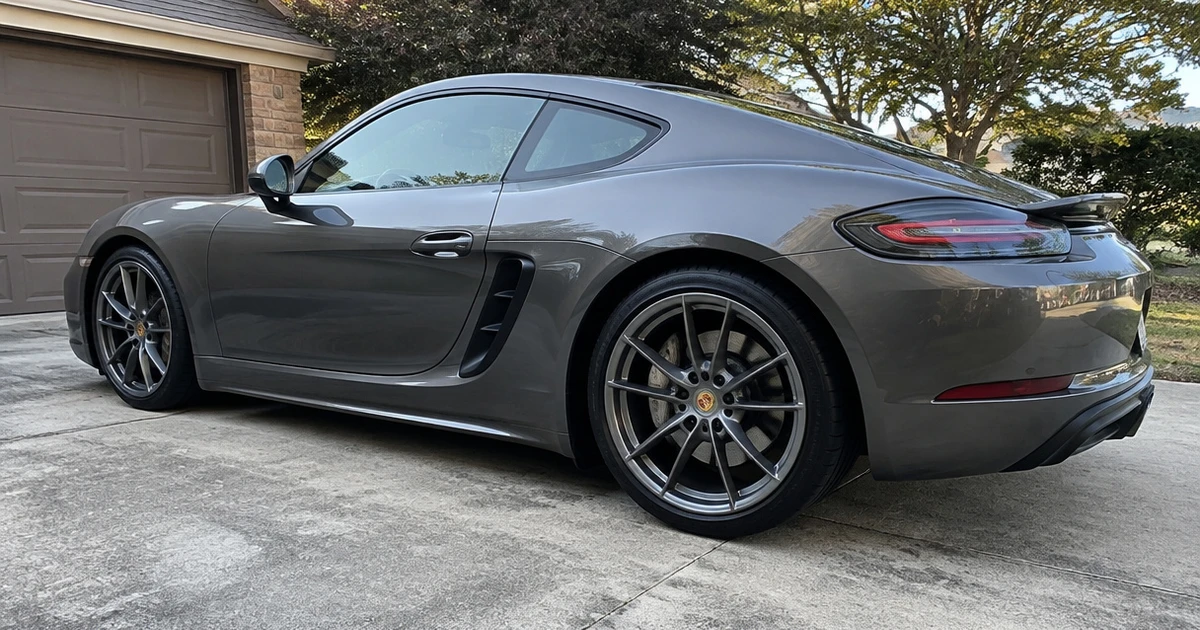
Start with the tire size and setup listed for your exact 718 year and trim. Then match the tire’s season rating and handling character to the roads and weather you face most often. A good fit preserves the car’s balance while giving you useful grip without making daily driving harder.
Fitment and Approved Markings
Check the tire-size and pressure label near the driver’s door and consult the owner’s manual. Fitments can vary by year, trim and wheel package, so do not assume another 718’s size will work for your car. Read the full size code, including the wheel diameter, before you buy.
Some versions use different sizes on the front and rear axles. Keep those sizes in the correct positions, and do not assume you can rotate a staggered set. If your manual or service guidance calls for Porsche-approved tire markings, look for the matching N designation on the sidewall.
- Confirm the full size for both axles.
- Match the factory load and speed ratings.
- Check approved tire markings when specified.
Season and Local Weather
Choose a tire category around the coldest and wettest conditions you regularly face, not an occasional trip. Summer tires suit warm weather and can deliver precise steering, but cold temperatures reduce their grip. All-season tires handle a wider range of conditions, while winter tires give you more traction in frequent snow and cold.
Look for the three-peak mountain snowflake symbol if you need a tire that meets a recognized snow-traction standard. That mark does not promise strong ice grip, so frequent icy roads may call for a dedicated winter tire. Use this guide to narrow the category:
| Driving conditions | Tire type | Main trade-off |
|---|---|---|
| Warm, mostly dry roads | Summer | Limited cold-weather grip |
| Mild seasons, occasional light snow | All-season | Less focused warm-weather response |
| Frequent snow and cold | Winter | Less suited to warm months |
Grip and Driving Style
Think about where you want the tire to perform. For spirited road driving, look for sharp steering response and strong wet braking alongside dry-road grip. Tread grooves help move water away from the contact patch, while the tread pattern and rubber compound shape how the tire responds as you turn.
Track days place more heat and stress on tires than ordinary road trips. A track-focused tire can give you stronger grip in warm conditions, but it may feel less comfortable and lose performance faster in cold or wet weather. If you drive on both road and track, balance track grip with the road conditions you face on the way there.
Ride Comfort, Noise and Wear
A low-profile tire can make steering feel direct, but its shorter sidewall leaves less room to soften sharp bumps. If your roads have rough patches, look beyond grip and check how a tire’s design balances handling with ride comfort. Tread pattern also affects road noise, especially during steady highway driving.
Use treadwear information as a rough comparison, not a promise of mileage. Driving style, alignment, pressure and road surface all affect how quickly tires wear. If you value longer service life, avoid treating every drive like a track session and check tread depth regularly, especially before wet-weather trips.
Load and Speed Ratings
Read the load index and speed symbol on the sidewall, then compare them with the requirements in your owner’s manual or door label. The load index describes the tire’s load capacity, and the speed symbol indicates its rated speed category under specified conditions. Choose ratings that meet the car’s requirements rather than lowering them to cut costs.
Do not treat a high speed rating as permission to drive at that speed. Also, set tire pressure while the tires are cold and follow the vehicle label, not the maximum pressure printed on the sidewall. Correct pressure helps the tire maintain its intended contact with the road and wear more evenly.
Replacement and Upkeep
Compare the full ownership cost, not just the purchase price. A tire that wears quickly can cost more over time, while a good alignment and regular pressure checks can help you get more consistent wear. Inspect the tread and sidewalls for damage, and replace tires when wear or age makes them unsafe.
Try to keep matching tires across each axle, and avoid mixing different tread designs without checking the vehicle maker’s guidance. If you replace only two tires, ask your installer where to place them; many tire makers recommend putting the pair with deeper tread on the rear axle to support wet-road stability. Follow the car’s rotation limits, since some staggered setups restrict rotation.
Frequently Asked Questions
Which tire type suits everyday driving?
For regular use in mild climates, an all-season tire can handle changing temperatures and occasional light snow. A summer tire usually gives sharper warm-weather response and a stronger dry-road feel, while winter tires suit frequent snow and cold conditions. Match the category to the weather you actually drive in.
Can I mix different tire types on my 718?
Avoid mixing tire types or tread designs unless your vehicle maker approves the combination. Different tires can respond differently during braking and cornering, which may upset the car’s balance. Keep matching tires on each axle and follow the size and fitment guidance for your exact year and trim.
Do I need to replace all four tires at once?
Not always. If only one axle needs new tires, match the replacements to the existing tires in size and type, and follow the car’s fitment rules. Ask a qualified installer about axle placement, especially if the remaining tires have uneven wear or the car uses different sizes front and rear.
How should I set tire pressure?
Check pressure when the tires are cold and use the values on the car’s door label or in the owner’s manual. Do not use the sidewall’s maximum pressure as your everyday target. Check all four tires regularly, since pressure can change with temperature and small leaks can go unnoticed.
Can performance tires handle snow?
Summer performance tires lose grip as temperatures drop and do not suit snow or ice. All-season tires can handle some light snow, but they may not provide enough traction for frequent winter conditions. If you regularly drive on snow-covered roads, use tires designed and marked for winter traction.