
This post may contain affiliate links. As an Amazon Associate I earn from qualifying purchases. If you choose to make a purchase, I may earn a small commission at no extra cost to you.
Your Transit 350 may carry tools, equipment, or a full work crew, so its tires do more than roll between jobs. A tire that fits the wheel can still fall short on load capacity, heat control, or durability under a heavy daily load.
Choosing the best tires for Ford Transit 350 starts with the required load rating and pressure, then the roads and weather you face. A good match supports steady handling and braking without paying for features your routes rarely use.
The options below suit different work patterns, from city stops and wet highways to rough access roads. Use your door placard and owner’s manual to confirm fitment when choosing tires in 2026.
Our Top Tires for Ford Transit 350 Picks


More Details on Our Top Picks
Pros
- All-weather tread with severe-snow rating
- CurbGard sidewall protection
- Designed for improved treadlife under heavy loads
- Directional tread with full-depth 3D sipes
Cons
- Directional tread limits rotation options
- Less suited to deep mud than an all-terrain tire
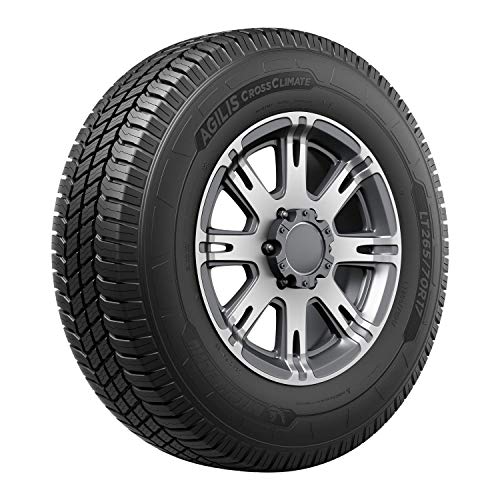
Michelin Agilis CrossClimate uses a directional V-shaped tread and an all-weather compound to give commercial vans grip across changing conditions. Its full-depth 3D sipes add biting edges, and its severe-snow rating reflects its focus on cold-weather traction.
Michelin also adds CurbGard sidewall protectors to help guard against scrapes from curbs and job-site obstacles. That extra protection matters on a Transit 350 that spends long days in tight loading areas or city streets.
Under heavy loads, the reinforced casing and wear-focused tread design give you a sturdy tire for regular work use. Michelin highlights improved treadlife under load, which suits a van that carries tools, supplies, or cargo on frequent routes.
On the highway, the tread aims for steady all-weather traction rather than off-road bite. You get a commercial tire with a clear focus on durability under load, wet-road grip, and year-round use. Michelin Agilis CrossClimate brings those traits together in a design built around the demands of a working van.
Bottom line: Choose this tire for a Transit 350 that carries heavy loads and sees varied weather. Its reinforced design and all-weather tread suit demanding work routes.
Pros
- Functionalized polymer compound resists long-term wear
- All-season traction for highway use
- Commercial-van focus
- Suits high-mileage paved routes
Cons
- Limited bite on loose or muddy ground
- Less focused on severe off-road use
Long-term wear resistance is the focus of the Continental VanContact A/S Ultra. Continental uses a functionalized polymer tread compound to help the tire hold up over high mileage, a useful trait for a Transit 350 that spends much of its time on regular routes.
The all-season design targets commercial vans and highway use. You get a tread made for steady paved-road travel, with all-weather traction for the changing conditions that can turn a routine delivery day into a slower one. It keeps its purpose clear: carry out daily van work while resisting the wear that builds over repeated miles.
That emphasis on durability may matter most for drivers who follow set routes and put consistent mileage on their vehicles. The VanContact A/S Ultra puts less focus on rugged off-road use and more on keeping its tread serviceable through extended road use.
Continental VanContact A/S Ultra gives you a practical blend of commercial-van use and long-wearing rubber. Its highway character also suits drivers who value a composed ride on paved roads over aggressive traction on loose ground.
Bottom line: Pick this for a Transit 350 that racks up regular highway miles. Its tread compound puts long wear ahead of worksite traction.
Pros
- Profile targets more even wear under load
- Commercial light-truck design
- Highway-terrain focus
- All-season road traction
Cons
- Less grip on loose ground than an all-terrain tire
- Highway tread lacks deep-mud traction
Heavy van loads can wear a tread unevenly, so Firestone gave the Transforce HT2 an optimized tire profile to address that problem. The design targets more even wear under load, a practical detail for a Transit 350 that regularly carries equipment or cargo.
This highway-terrain tire focuses on paved-road work rather than rough trails. Its commercial light-truck design suits frequent road travel, where predictable handling and dependable all-season traction matter more than deep tread blocks for mud.
The tread profile also supports steady contact with the road as the van travels under changing loads. That can help keep wear patterns in check over time, especially on routes that involve long stretches of pavement and frequent stops.
Firestone Transforce HT2 keeps its purpose straightforward: commercial use with a focus on highway driving and wear under heavy loads. You get a work-oriented tire that prioritizes consistent road use, without the more open tread style that loose terrain calls for.
Bottom line: Consider this tire for a Transit 350 that carries cargo on mostly paved routes. Its profile focuses on even wear during loaded use.
Pros
- Commercial-van tread design
- Serrated bands add tread edges
- Wide grooves move water away
- All-season road traction
Cons
- Limited traction in deep mud
- Less suited to rough off-road routes
Frequent stops, tight turns, and wet pavement put particular demands on a city van tire. Hankook Vantra LT uses a commercial-van tread with diagonal serrated bands and wide grooves to add tread edges and move water away from the contact area.
The Vantra LT suits a Transit 350 that spends more time on streets and highways than on rough trails. Its all-season design gives you everyday road traction, while the commercial focus fits the repeated starts and loaded driving that come with delivery work.
Hankook’s tread layout keeps the tire oriented toward paved routes instead of deep mud or rocky ground. That makes its road-focused character easy to understand: it favors regular van travel and useful wet-weather grip over an open, aggressive pattern.
For drivers who cover busy urban routes, the Hankook Vantra LT offers a practical blend of commercial-van construction and road manners. It puts its attention on the conditions you face between loading bays, customer stops, and stretches of highway.
Bottom line: This tire fits a Transit 350 that works mainly on city streets and highways. Its road-focused tread favors wet pavement over rough terrain.
Pros
- Four wide channels improve wet-road control
- Tread sheds stones and debris
- Quiet-running highway design
- Resists abnormal wear
- 45-day satisfaction guarantee
Cons
- Highway tread has limited deep-mud traction
- Less suited to rough off-road work
Four wide channels give the Cooper Discoverer HT3 a clear advantage on wet pavement by moving water through the tread. Cooper adds biting edges for stability, giving you a highway tire with a focus on wet-road control for a Transit 350.
The HT3’s tread design also pushes stones and debris away instead of letting them lodge in the grooves. That feature supports traction on rough paved shoulders and light gravel, while the tire’s wear-focused design resists abnormal wear during regular commercial use.
Cooper tunes the tread for a quiet highway ride, a welcome detail if you spend long hours behind the wheel or drive with passengers. The all-season pattern suits paved routes and daily van work, rather than deep mud or demanding off-road travel.
Cooper Discoverer HT3 combines wide water channels, debris-shedding tread, and a quiet-running design. Cooper also offers a 45-day satisfaction guarantee, giving you a set period to decide whether the tire suits your driving needs.
Bottom line: Choose this for a Transit 350 that spends most of its time on wet highways and paved routes. Its water channels and quiet tread suit frequent driving.
Pros
- Computer-optimized tread reduces noise and vibration
- Deep grooves move water and slush
- Durable compound resists uneven wear
- 60,000-mile limited tread life warranty
Cons
- Standard-load construction may not suit many Transit 350s
- Limited traction in deep snow or mud
Goodyear uses a computer-optimized tread pattern to cut road noise and vibration in the Wrangler Workhorse HT. That focus gives you a quieter ride on paved roads, a welcome change during long hours behind the wheel of a Transit 350.
Deep, wide grooves push water and slush away from the tread, giving the tire traction in dry, wet, and light winter conditions. Goodyear pairs that pattern with a durable rubber compound that resists uneven wear and helps maintain consistent performance over time.
The Wrangler Workhorse HT belongs to Goodyear’s highway line for light trucks and SUVs. Its tread suits paved routes and ordinary weather changes, rather than deep snow, mud, or rugged worksite travel. The 60,000-mile limited tread life warranty adds a clear wear commitment from the manufacturer.
There is an important fit concern for a Transit 350: this tire uses standard-load construction, which may not meet the needs of many van setups. Goodyear Wrangler Workhorse HT offers comfort and highway traction, but its load rating narrows its usefulness for this roundup.
Bottom line: Consider it only if your Transit 350 setup can use a standard-load tire. Its quiet ride and highway tread suit paved driving.
Pros
- Open tread blocks grip gravel and dirt
- Stone ejectors clear debris
- Commercial-use focus
- Suits rough access roads
Cons
- Louder on pavement than a highway tire
- Rougher ride on smooth roads
The Toyo M-55 uses an aggressive tread pattern for drivers who leave pavement often. Its large, open blocks bite into gravel and dirt, giving a Transit 350 more useful traction on rough access roads and work sites.
Toyo adds stone-ejector features to help clear debris from the tread grooves. That detail matters on gravel routes, where small stones can collect between tread blocks. The tire’s commercial focus suits demanding work use, and its tread has a tougher character than a typical highway pattern.
On paved stretches, the open tread still gives you the traction needed to connect work sites and highways. Expect a more rugged road feel, though, as this design gives priority to off-pavement grip over a quiet highway ride.
Toyo M-55 brings aggressive all-terrain tread and stone-clearing details to a commercial tire. Its design fits routes where pavement ends and loose surfaces become part of the workday.
Bottom line: Go with this tire if your Transit 350 often travels gravel roads or work sites. Its open tread favors loose surfaces over quiet highway travel.
Factors to Consider When Choosing Tires for Ford Transit 350
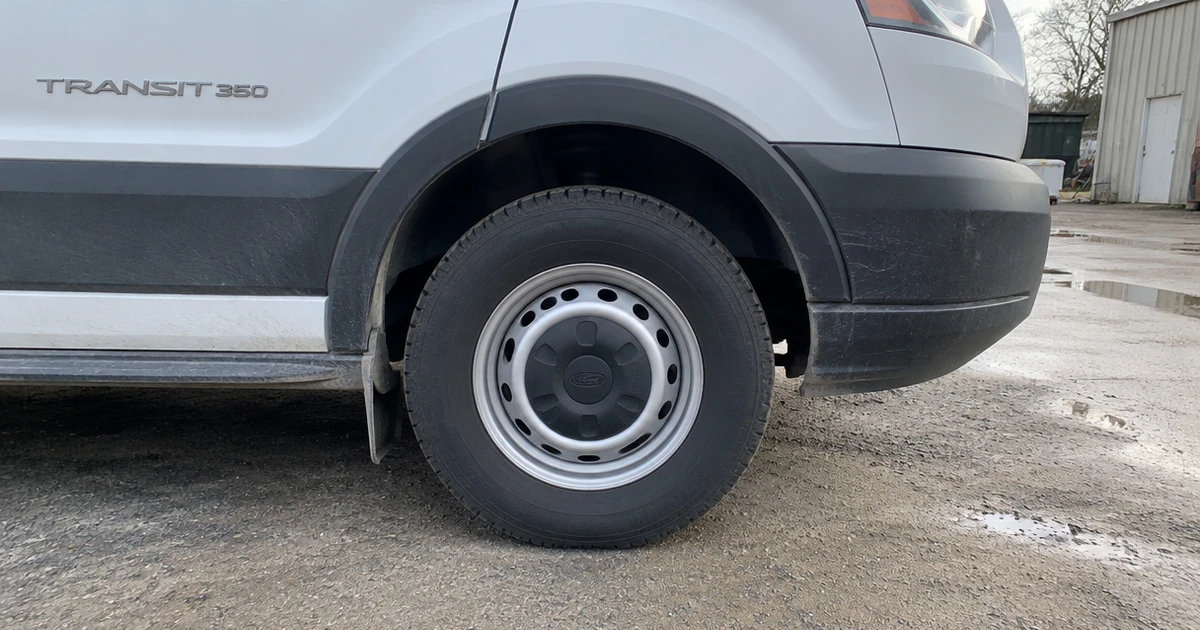
Your van’s tire choice affects how it carries a load, handles weather, and holds up to daily work. Start with the fitment Ford specifies, then weigh your usual cargo and routes against the features that matter most.
Load Rating and Pressure
Start with the tire size, load index, and load range on the driver-door placard or in the owner’s manual. A Transit 350 can carry very different loads by body style and axle setup, so do not choose by wheel fit alone.
Match or exceed the required rating, including the correct capacity for single or dual rear wheels. Use tire load charts at the recommended cold pressure, and check axle limits if you often haul heavy cargo. The sidewall’s maximum pressure does not replace the van’s pressure guidance.
- Confirm the full size and load index.
- Check capacity for single or dual rear wheels.
- Use the van’s cold-pressure guidance.
Routes and Tread Design
Choose a tread that suits the roads you drive most. Highway miles favor a stable pattern that rolls smoothly, while frequent stops and turns in town call for predictable grip and wear. If your work takes you onto gravel or rough access roads, look for a tread built to handle loose surfaces without giving up the road manners you need on pavement.
| Typical route | Useful tread traits | Trade-off |
|---|---|---|
| City streets | Stable grip and even wear | Frequent turns and stops |
| Highways | Steady tracking and low noise | Long stretches at speed |
| Rough access roads | More traction on loose ground | May feel firmer on pavement |
Think about your work week, not an occasional trip. A tire tuned for rough ground may feel less comfortable on daily highway runs, while a highway-focused tread may struggle on muddy job sites.
Weather and Seasonal Grip
For year-round use, check how the tire handles rain and cold, not just dry pavement. Wide grooves and channels help move water away from the contact area, which supports grip on wet roads. Keep tread depth in view, since worn tread has less room to clear water.
All-season tires vary in winter ability. If you regularly drive on snow or ice, look for the Three-Peak Mountain Snowflake symbol, which marks a tire that meets a defined severe-snow traction standard. That symbol does not replace careful driving, and local rules may require winter tires or chains on some routes.
Tread Life and Upkeep
Commercial driving can wear tires quickly, especially when you carry heavy loads, make frequent stops, or drive over rough pavement. A mileage warranty can offer a useful comparison, but it does not promise a set service life. Your actual wear depends on load, pressure, alignment, and driving habits.
Check pressure when tires are cold and inspect the tread for uneven wear, cuts, or embedded debris. Rotate tires on the schedule in your owner’s manual, since axle layouts can call for different rotation patterns. If one shoulder wears faster than the other, ask a shop to check alignment and suspension parts before the wear spreads.
Fitment and Vehicle Guidance
Stay with a size and tire type approved for your van. The placard and owner’s manual give the fitment, pressure, and load requirements to follow; do not rely on a tire that merely clears the wheel well. Also check that the tire’s speed rating meets the vehicle’s guidance.
Dual rear-wheel vans need extra care because the paired tires must work together and keep proper clearance. Follow the vehicle maker’s guidance on matching tires across each pair, and ask a tire professional to confirm fitment if you change sizes or tire construction. After installation, check pressure and watch for rubbing or unusual vibration on your first drives.
Frequently Asked Questions
What load rating do I need for a Ford Transit 350?
The driver-door placard or owner’s manual gives the required tire size and load rating. Match or exceed those requirements, including the right capacity for single or dual rear wheels. If you regularly carry heavy cargo, check that your axle loads stay within the vehicle’s limits.
Can I use LT tires on a Ford Transit 350?
You can use an LT tire only when its size, load capacity, and other fitment details meet the van’s requirements. Check the door placard and owner’s manual before switching tire types. A tire professional can confirm whether the wheel and rear axle setup support the change.
What tire pressure should I use?
Use the cold tire pressure shown on the driver-door placard or in the owner’s manual. Check pressure before driving or after the tires have cooled, since warm tires can show a higher reading. Do not use the maximum pressure printed on the sidewall as your everyday target.
Are all-season tires good for winter driving?
Some all-season tires handle light snow, but their winter grip varies. For regular snow and ice, look for the Three-Peak Mountain Snowflake symbol and check local rules for winter equipment. Slow down in poor conditions, since even a winter-rated tire cannot remove the risk of slippery roads.
How often should I rotate Transit 350 tires?
Follow the rotation schedule and pattern in your owner’s manual, since axle layouts can affect the right setup. Inspect tread regularly for uneven wear, cuts, or damage, and ask a tire shop to check alignment if wear appears on one edge. Rotate sooner if your manual or tire professional advises it.