
This post may contain affiliate links. As an Amazon Associate I earn from qualifying purchases. If you choose to make a purchase, I may earn a small commission at no extra cost to you.
Choosing tires for your Passport means balancing comfort, grip, and durability. Your SUV may spend most of its time on pavement, yet winter weather, gravel roads, or a loaded cabin can change what you need from its tires. A tread pattern that suits your commute may feel loud or less composed on another route.
Start with the factory size and ratings, then match the tread to your climate, road mix, and comfort needs. The best tires for Honda Passport you can buy in 2026 range from quiet highway choices to tougher all-terrain designs. The options below cover different uses and help you weigh grip, ride quality, winter ability, and upkeep before you replace a set.
Our Top Tires for Honda Passport Picks


More Details on Our Top Picks
Pros
- Long-wearing tread for SUV use
- Quiet ride on paved roads
- Dependable wet-road traction
- Comfortable for daily driving
Cons
- Not designed for deep mud or rock crawling
- Less capable than a dedicated winter tire in severe snow
Long tread life and a calm highway ride define the Michelin Defender LTX M/S2. Michelin designed this all-season SUV tire for the weight and power of modern trucks and SUVs, with a focus on lasting tread and steady traction in changing conditions.
Its tread pattern channels water away from the contact area, giving you dependable grip on wet roads. The design also keeps road noise low, so the Passport stays comfortable on commutes and long drives. You get a tire geared toward everyday pavement, not a chunky tread that dominates the ride.
The Michelin Defender LTX M/S2 brings a practical mix of lasting tread life and quiet comfort. It handles wet pavement and light winter conditions with the kind of composed feel that suits regular family travel, while its durable construction fits the demands of a heavier SUV. Its all-season design works across the year, but it does not replace a dedicated winter tire in severe snow.
Bottom line: The Defender LTX M/S2 suits Passport drivers who spend most of their time on pavement and value comfort and long tread life.
Pros
- Deep tread for gravel and dirt
- Durable sidewall design
- All-weather traction for changing seasons
- Suits highway and off-road driving
Cons
- Tread can create more road noise than a touring tire
- Aggressive tread can feel less smooth on pavement
For a Passport that regularly leaves pavement, the Falken Wildpeak A/T4W brings an all-terrain tread with all-weather intent. Its broad blocks and deep grooves bite into gravel and dirt, while the open channels clear loose material from the tread.
Falken builds the A/T4W with sturdy sidewalls and a wear-focused tread compound. That construction suits rougher routes where sharp stones and uneven ground can take a toll. The tire also handles highway travel, so you can use it for everyday driving between trail outings without giving up all road comfort.
The all-weather design gives you traction across changing conditions, including snow and heat. Its deeper tread and rugged shoulders suit drivers who take a Passport onto dirt roads or rocky paths, while the tread pattern maintains useful grip on wet pavement. The Falken Wildpeak A/T4W balances those demands with a more substantial feel than a pavement-focused tire.
Bottom line: Choose the A/T4W for a Passport that sees regular dirt roads, gravel, or winter weather.
Pros
- CoreGard Technology strengthens sidewall protection
- Deflection design helps shed sticks and stones
- Serrated shoulders and mud-phobic bars aid loose-ground traction
- 50,000-mile limited treadwear warranty
Cons
- Tread noise rises on paved roads
- Not as smooth as a highway tire
Baja racing helped shape the BFGoodrich All-Terrain T/A KO3, especially its tough sidewall design. CoreGard Technology resists sidewall damage, and Advanced Deflection Design helps deflect sticks and stones before they snag or split the rubber.
A redesigned tread pattern and all-terrain compound handle gravel wear and rough ground. Serrated shoulders add bite in loose soil, while mud-phobic bars help clear packed mud from the tread. Those details give you useful traction when your Passport leaves maintained roads for demanding trails.
The BFGoodrich All-Terrain T/A KO3 also carries a 50,000-mile limited treadwear warranty and a six-year standard limited warranty. Its reinforced sidewalls and mud-ready tread suit rougher routes, while the all-terrain pattern keeps it useful for regular road travel. Expect a more rugged driving feel than you get from a highway-focused tire.
Bottom line: The KO3 fits Passport owners who take on rough trails and want added sidewall protection.
Pros
- TractionPlus Technology targets wet-road grip
- Quiet ride for an all-terrain tire
- Balanced pavement and gravel performance
- 60,000-mile limited tread life warranty
Cons
- Not intended for deep mud or serious rock crawling
- Less aggressive tread than a trail-focused tire
Continental’s TractionPlus Technology gives the TerrainContact A/T a road-friendly take on all-terrain driving. It targets grip on wet pavement and durability without turning the tread into a loud, aggressive pattern.
That balance suits the Honda Passport well if your routes mix highways with gravel roads and light trails. The tread delivers useful off-pavement traction, while the tire’s quieter road manners keep daily drives comfortable. It also feels composed on wet roads, where predictable grip matters during routine commutes.
The Continental TerrainContact A/T carries a 60,000-mile limited tread life warranty. Its design favors quiet on-road comfort and dependable all-season use over extreme mud or rock performance. That focus makes it easier to live with as a daily tire when your off-road trips stay moderate.
Bottom line: The TerrainContact A/T suits Passport drivers who want some gravel-road ability with a quieter daily ride.
Pros
- Three-Peak Mountain Snowflake snow rating
- Directional tread channels water
- 3D sipes add biting edges
- Strong wet and dry braking
Cons
- Not a substitute for a dedicated winter tire in severe conditions
- Directional tread limits rotation options
A directional V-shaped tread gives the Michelin CrossClimate2 a distinctive look and strong seasonal purpose. Its angled grooves move water away from the contact area, while biting edges add grip on wet pavement and light snow.
Michelin uses 3D sipes across the tread to add traction and help the blocks stay stable under braking. The CrossClimate2 carries the Three-Peak Mountain Snowflake symbol, which marks it for severe snow service. It also maintains useful all-season performance as the tread wears, a handy trait for drivers who face changing weather across the year.
On dry roads, the tire delivers confident braking and predictable handling. The snow-rated tread and wet-road braking make it a capable year-round touring option for a Passport that sees regular highway miles as well as winter weather. Its directional tread pattern gives it a more pronounced look than a typical touring tire.
Bottom line: The CrossClimate2 suits Passport drivers who want touring comfort with added snow capability.
Pros
- 3D sipe technology supports controlled handling
- Full-depth sipes stay active as tread wears
- Designed for wet and dry traction
- Tread compound targets long wear
Cons
- Not rated for severe snow service
- Limited traction for rough off-road routes
Pirelli designed the Scorpion AS Plus 3 for SUVs and crossovers that need steady road manners through the seasons. Its 3D sipe technology works with the tread pattern to keep handling controlled on wet and dry pavement.
Full-depth sipes remain active as the tread wears, giving the tire biting edges for traction and braking over its service life. The tread compound also targets long wear, making the Pirelli Scorpion AS Plus 3 a practical option for a Passport used for commutes, errands, and family trips.
On wet roads, the tire’s design helps maintain a predictable feel when you brake or change lanes. It focuses on responsive handling and year-round road traction, rather than the open, chunky tread you’d want for frequent trail use. The result is a road-oriented SUV tire with a confident feel in everyday driving.
Bottom line: The Scorpion AS Plus 3 suits Passport owners who want responsive road handling in wet and dry weather.
Pros
- Tread suits gravel and packed dirt
- Road-focused design for everyday driving
- Useful for mild off-pavement routes
Cons
- Not suited to technical trails or deep mud
- Less aggressive tread for rocky terrain
Drivers who split their time between pavement and maintained dirt roads may like the Goodyear Wrangler Territory AT. Its all-terrain tread gives you extra bite on gravel and packed soil, while a road-focused pattern keeps it suited to everyday SUV use.
The tread blocks and grooves help clear water from the contact area and add grip on loose surfaces. The design avoids an overly open, trail-first look, so the tire fits a Passport that spends most days on highways but sometimes reaches campsites or rough access roads. You get a practical mix of everyday comfort and mild off-pavement ability.
The Goodyear Wrangler Territory AT leans toward regular driving rather than technical trails. Its moderate all-terrain tread gives you more confidence on dirt than a road-only pattern, while the tire’s pavement-friendly design keeps daily travel in focus. It works best for mixed routes that do not demand deep mud or sharp-rock traction.
Bottom line: The Wrangler Territory AT suits a Passport used mainly on pavement with occasional trips down maintained dirt roads.
Pros
- Three-Peak Mountain Snowflake snow rating
- Open grooves clear loose material
- Stone ejectors reduce trapped stones
- Staggered shoulders add off-road bite
Cons
- Tread can produce extra road hum
- Less refined on pavement than a touring tire
Open shoulder grooves and sturdy tread blocks give the Toyo Open Country A/T III its ready-for-dirt character. The tread pattern clears loose material while its staggered shoulder blocks add grip when you travel across gravel, soil, or uneven ground.
Toyo’s all-terrain compound and tread design also account for wet roads and winter use. The tire carries the Three-Peak Mountain Snowflake symbol, so it meets a severe snow traction standard. Stone ejectors in the grooves help push out trapped stones, which can reduce the risk of stone drilling into the tread.
The Toyo Open Country A/T III keeps a useful balance for a Passport that needs both road and trail traction. Its snow-rated tread and stone-ejecting grooves suit mixed conditions, while the all-terrain blocks add grip beyond pavement. The open pattern brings a more rugged feel than a touring tire on paved roads.
Bottom line: The Open Country A/T III suits Passport drivers who split their travel between highways, gravel, and snowy roads.
Pros
- EcoPlus Technology targets fuel savings and longer wear
- Quiet ride for highway travel
- Short wet-road braking
- Up to 70,000-mile limited tread life warranty
Cons
- Not designed for serious off-road driving
- Less suited to deep snow than a snow-rated tire
Continental’s EcoPlus Technology gives the CrossContact LX25 a clear focus on efficient, comfortable SUV travel. The design targets longer tread life and shorter wet-road braking, while its road-oriented tread keeps cabin noise down.
Responsive handling helps the tire feel settled during everyday driving. Its wet-road grip comes from a tread design that manages water and maintains contact during braking. The Continental CrossContact LX25 also carries a limited tread life warranty of up to 70,000 miles.
For a Honda Passport used mainly on paved roads, the tire brings quiet highway comfort and steady year-round handling. EcoPlus Technology also targets fuel savings and longer tread life, two useful traits for a vehicle that handles regular commutes and longer family trips. This touring design focuses on road manners rather than rough trail use.
Bottom line: The CrossContact LX25 suits Passport owners who value a quiet ride, wet-road grip, and long tread life.
Pros
- DuraGen Technology adds rugged construction
- Aggressive tread grips loose terrain
- Deep grooves clear debris
- Up to 60,000-mile limited tread life warranty
Cons
- Tread noise is more noticeable on highways
- Rugged pattern feels less smooth on pavement
When your Passport needs a tire for demanding dirt routes, the General Grabber A/T X brings a rugged tread and durable construction. General’s DuraGen Technology strengthens the tire for the wear and impacts that come with off-road driving.
The aggressive tread blocks and deep grooves provide traction across loose ground. Their edges bite into dirt and gravel, while the open pattern clears debris as the tire rolls. The design also keeps everyday road use in view, so the Grabber A/T X can handle pavement between trail trips.
General backs the Grabber A/T X with a limited tread life warranty of up to 60,000 miles. Its DuraGen construction and aggressive all-terrain tread suit drivers who ask more of their tires beyond paved roads. Expect the tread to make more noise on asphalt than a touring tire, especially as you travel at highway speeds.
Bottom line: The Grabber A/T X suits Passport owners who need durable traction for frequent off-road driving.
Factors to Consider When Choosing Tires for Honda Passport
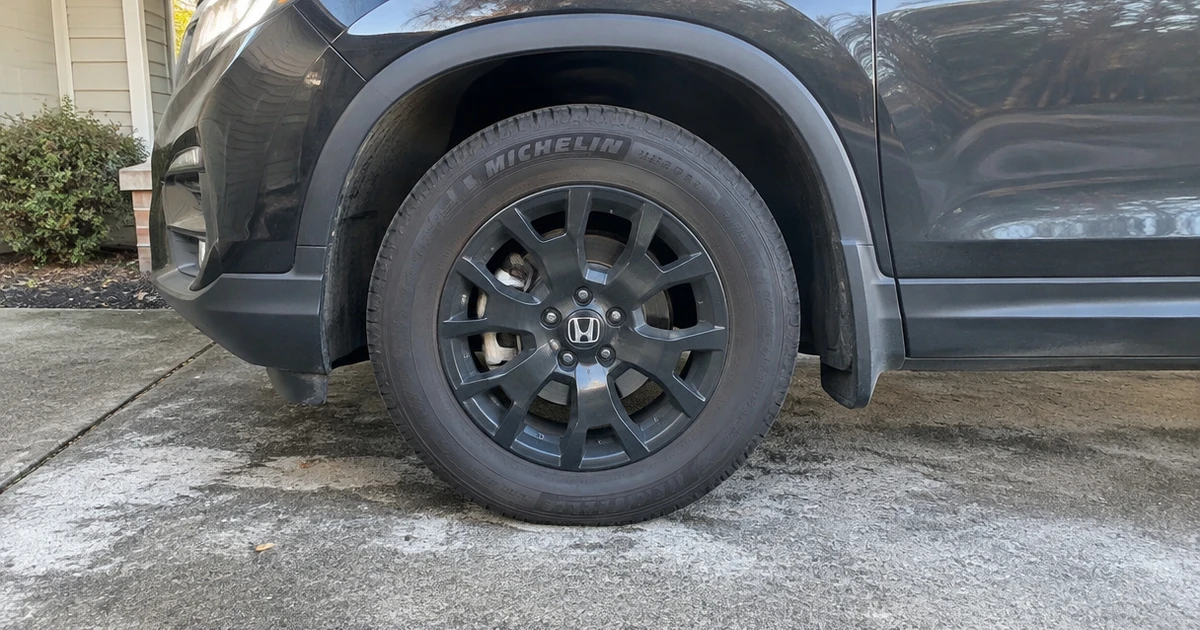
Start with the fit listed for your SUV, then compare tire designs against your usual roads and weather. A tire that suits your daily drive should also handle the loads and conditions you face through the year.
Confirm size and load ratings
Read the tire placard on the driver-side door frame and check the owner’s manual before you shop. Match the full size, including width, aspect ratio, and wheel diameter, rather than relying on a tire that merely fits the rim. Keep the specified load index and speed rating at or above the vehicle maker’s requirements.
Load index matters if you often carry passengers, cargo, or gear. Some tires also carry an extra-load rating, which means they can support more weight at a specified pressure.
Follow the pressure listed for your vehicle, not the maximum pressure printed on the tire sidewall. A tire shop can help check fitment if you have changed wheels from the factory setup.
Match tread to your routes
Think about where you drive most, not just the roughest road you might visit once a year. Highway-focused tires suit paved commutes and long trips.
All-terrain designs add tread edges for gravel and dirt, though their larger tread blocks can add noise. Dedicated winter tires suit regular travel through snow and ice.
Use this quick comparison to narrow the tire style that fits your routine:
| Tire style | Works well for | Main trade-off |
|---|---|---|
| Highway | Daily pavement and long trips | Less bite on loose ground |
| All-terrain | Gravel and occasional trails | More tread noise |
| Winter | Frequent snow or ice | Seasonal tire changes |
Choose for your weather
Rain performance depends on how well a tire moves water away from its contact patch. Look for circumferential grooves and tread channels that help reduce the chance of hydroplaning. Good wet grip also relies on sound rubber compounds, but no tread can overcome excessive speed or standing water.
For occasional light snow, an all-season tire may suit your needs. If you often drive on packed snow or ice, check for the Three-Peak Mountain Snowflake symbol, which marks tires that meet a snow-traction standard.
That symbol does not make a tire a substitute for a dedicated winter tire in severe conditions. Think about your local winter roads and whether you can switch tires by season.
Weigh comfort against tread design
If you spend hours on highways, pay attention to road noise and ride comfort. Tread patterns with tightly spaced blocks often sound quieter on pavement than open, chunky patterns.
Tire construction and rubber compounds also affect how the tire absorbs bumps and responds to steering. You may notice more noise as an aggressive tread wears unevenly.
All-terrain tires can make sense if dirt roads form part of your routine, but their added tread can feel less settled on smooth pavement. Tire weight and rolling resistance can also affect fuel use and acceleration.
Read the tire’s comfort and use details, then compare them with your priorities. A test drive after installation can help you notice changes in noise or handling.
Check tread life and construction
Long tread life depends on the tire’s design as well as how you use and maintain it. Check the treadwear grade as a rough comparison, but do not treat it as a direct prediction of how many miles you will get.
Driving habits, climate, road surfaces, and regular tire care all affect wear. A treadwear warranty can offer added coverage, though its terms often require records of rotations and maintenance.
Look at the tire’s construction for features that suit your roads. Reinforced sidewalls can help resist damage on rough routes, while a touring tire may put more focus on smooth pavement use.
If you drive over sharp rocks or rutted trails, check that the tire’s intended use matches those conditions. No tire can prevent every puncture or sidewall cut.
Plan for maintenance and replacement
Regular checks help your tires wear evenly and maintain their grip. Check pressure at least once a month when the tires are cold, and follow the vehicle maker’s schedule for rotation.
Inspect the tread and sidewalls for uneven wear, cracks, bulges, or embedded objects. A shop can check alignment if the SUV pulls to one side or the tread wears unevenly.
If your vehicle has all-wheel drive, check the manual’s rules for replacing tires. Differences in tread depth can affect the system, so you may need to replace more than one tire at a time.
Keep tires matched in size and type, and ask a tire professional to compare tread depth before you buy a single replacement. Good records can also help with warranty claims.
Frequently Asked Questions
How do you confirm the right tire size for your SUV?
Read the tire placard on the driver-side door frame and check the owner’s manual. Match the full size and keep the load index and speed rating at or above the vehicle maker’s requirements. If you use different wheels from the factory setup, ask a tire professional to confirm fit and clearance.
Are all-season tires enough for winter driving?
All-season tires can suit light snow and milder winters, but their grip can fall short on ice or deep snow. If you often drive in severe winter weather, look for the Three-Peak Mountain Snowflake symbol or use dedicated winter tires. Match your choice to local roads and conditions.
Do you need all-terrain tires for occasional dirt roads?
Not always. A highway tire can handle well-maintained gravel roads at sensible speeds, while an all-terrain tread offers more bite on loose or uneven ground. If your driving stays mostly on pavement, compare the added road noise and tread feel before choosing a more aggressive design.
How often should you rotate your tires?
Follow the rotation schedule in your owner’s manual, since the right interval can vary by vehicle and tire setup. Check pressure monthly and inspect the tread for uneven wear. Regular rotations help tires wear more evenly, but they cannot fix alignment problems or incorrect inflation.
Should you replace all four tires on an all-wheel-drive SUV?
Check your owner’s manual before replacing fewer than four tires. Some all-wheel-drive systems need similar tread depth across all wheels, and a large difference can affect how the system works. A tire professional can measure your remaining tread and help you decide whether to replace one, two, or all four.