
This post may contain affiliate links. As an Amazon Associate I earn from qualifying purchases. If you choose to make a purchase, I may earn a small commission at no extra cost to you.
A Jeep Wagoneer carries substantial weight, so a poor tire match can mean a harsh ride, slow wet stops, or extra highway noise. Your choice depends on where you drive, how often you carry passengers or cargo, and how much winter weather you face.
A good choice should match the vehicle’s approved size and load rating, then balance traction, comfort, tread life, and fuel use for your daily routes. All-season tires suit many drivers, while dedicated winter or more rugged options can make sense for harsher conditions or regular unpaved travel. The best tires for Jeep Wagoneer in 2026 span those needs, with options for highway comfort, rainy commutes, confident handling, and light trails.
Our Top Tires for Jeep Wagoneer Picks



More Details on Our Top Picks
Pros
- Long tread life focus for SUV and pickup use
- Quiet ride on paved roads
- Reliable traction in demanding conditions
- Comfortable highway manners
Cons
- Limited grip in deep mud and on technical trails
- Not a dedicated winter tire
Long tread life sits at the center of the Michelin Defender LTX M/S2, an all-season tire built for pickups and full-size SUVs. Michelin pairs its mileage focus with reliable traction for demanding road conditions.
That balance suits Wagoneer driving, where long highway stretches and everyday errands matter as much as a composed ride. The tread design favors road use, so you get steady handling without the rough feel of an off-road tire.
On paved roads, its quiet, comfortable ride helps keep cabin noise in check. The tire also gives you dependable wet-road grip for changing weather, though it does not target deep mud or technical trails.
The Michelin Defender LTX M/S2 brings together durability and calm road manners rather than a specialized off-road focus. Its SUV and pickup design makes it a practical option for drivers who spend most of their time on pavement.
Bottom line: Choose it for a Wagoneer that spends most of its miles on roads and highways. It suits drivers who value a quiet ride and lasting tread.
Pros
- All-season traction for SUV and truck driving
- 70,000-mile treadwear coverage
- Responsive paved-road handling
- Road-focused design for daily travel
Cons
- Limited traction on rough trails
- Not intended for deep mud
For Wagoneer drivers who want an all-season tire with a road-focused feel, the Bridgestone Alenza Prestige deserves a look. Bridgestone builds the Alenza line for SUVs and trucks, with an emphasis on composed pavement driving.
Its performance-tire design gives you responsive handling for everyday trips and highway travel. The all-season tread provides year-round traction in common road conditions, while the 70,000-mile treadwear coverage adds a clear focus on long service life.
The Bridgestone Alenza Prestige keeps its strengths centered on paved use rather than trail work. That approach fits drivers who value a settled drive and do not need an aggressive tread for dirt roads or rocky terrain.
It makes a sensible match for a street-focused Wagoneer, where predictable handling matters more than off-road bite. The tire’s SUV and truck orientation also aligns with the weight and driving style of larger vehicles.
Bottom line: Pick the Alenza Prestige for a Wagoneer that stays on pavement and needs an all-season tire with long treadwear coverage. It favors everyday road manners over trail traction.
Pros
- EcoPlus Technology supports tread life and fuel efficiency
- Short wet-road braking focus
- Quiet ride for highway travel
- Responsive handling in varied weather
Cons
- Limited traction on rough trails
- Touring tread lacks deep-mud grip
A quiet ride and wet-road control define the Continental CrossContact LX25. Its EcoPlus Technology targets lower rolling resistance, longer tread life, and shorter stops on wet pavement, giving this touring tire a useful mix for family SUV travel.
Continental tunes the tread for responsive handling throughout the year. Its design also limits road noise, which helps keep longer Wagoneer drives more relaxed for everyone in the cabin.
The CrossContact LX25 includes limited tread life coverage up to 70,000 miles. That coverage pairs with the EcoPlus Technology focus on durable wear, rather than asking you to trade everyday comfort for a rugged tread.
Continental CrossContact LX25 works best on paved routes, where its wet braking and calm handling have room to shine. It can handle ordinary changes in weather, but its touring tread does not target loose trails or deep mud.
Bottom line: Choose the CrossContact LX25 for a Wagoneer driven mainly on paved roads, especially if wet braking and cabin comfort rank high on your list. Its long tread life focus suits frequent driving.
Pros
- Symmetric tread pattern promotes even wear
- Pitch sequencing cuts road noise
- Comfortable highway ride
- 70,000-mile tread life coverage
Cons
- Limited grip on rough trails
- Not made for deep mud
Uneven tread wear and highway noise can spoil an otherwise comfortable SUV drive. The Pirelli Scorpion AS 4 uses a computer-tuned symmetric tread pattern to promote even wear, while its pitch sequence helps reduce noise and vibration.
Pirelli built this all-season tire for SUVs and crossovers, so its road manners suit a Wagoneer used for commutes and family trips. The tread pattern aims for steady handling in changing weather without an aggressive trail-focused layout.
The Scorpion AS 4 carries limited tread life coverage up to 70,000 miles. That long-wear focus pairs with its quiet, vibration-reduced ride, which can make a difference on extended highway drives.
Pirelli Scorpion AS 4 favors smooth paved routes over rough ground. Its balanced handling and noise-conscious tread design make it a road tire first, with limited appeal for drivers who regularly leave the pavement.
Bottom line: The Scorpion AS 4 fits Wagoneer owners who want quieter highway travel and steady all-season road handling. Choose it for regular pavement use rather than trail driving.
Pros
- Three-peak mountain snowflake certified
- V-shaped directional tread moves water
- Wet and dry braking focus
- Designed for year-round traction
Cons
- Limited traction in deep mud
- Directional tread restricts rotation patterns
Michelin’s CrossClimate line is known for year-round traction, and the Michelin CrossClimate2 adds a severe-snow rating to that all-season approach. Its directional V-shaped tread moves water away from the contact area and gives the tire a distinct pattern for wet and snowy roads.
The three-peak mountain snowflake certification marks it for use in severe snow conditions. Michelin also focuses on braking in both wet and dry weather, so the tire can handle more than mild rain and occasional flurries.
Michelin CrossClimate2 keeps its all-weather grip as a central strength, with tread design intended to maintain performance as the tire wears. That makes it a practical pick for Wagoneer drivers who see changing seasons and winter roads.
This is still a road tire, not a deep-snow or mud tire. Its directional tread and confident paved-road manners work well for daily travel, while its snow rating gives you added capability when winter weather arrives.
Bottom line: Choose the CrossClimate2 if your Wagoneer faces wet roads and regular winter weather. It brings a useful snow rating without giving up everyday paved-road performance.
Pros
- AquaTred grooves move water and slush
- Evolving grooves maintain water evacuation
- Severe-snow designation
- Comfort inserts reduce bumps and vibration
Cons
- Less grip on rough trails than an all-terrain tire
- Tread favors paved roads
AquaTred Technology gives the Goodyear Assurance WeatherReady 2 its main wet-weather advantage. Sweeping grooves move water and slush away from the tread, while evolving traction grooves keep water-displacing channels working as the tire wears.
Goodyear uses a specialized tread compound that stays adaptable across seasons, and the tire carries a severe-snow designation. That adds winter capability for a Wagoneer that sees a mix of rainy commutes and snowy roads.
Comfort inserts reduce bumps and vibration while helping maintain steering control during lane changes. A multi-pitch tread sequence varies block sizes to keep tire noise lower on highways and city streets.
The Goodyear Assurance WeatherReady 2 combines wet-road control with a composed ride and snow-rated traction. Its design suits regular road travel, though it does not offer the loose-surface bite of an all-terrain tread.
Bottom line: The Assurance WeatherReady 2 suits Wagoneer drivers who deal with frequent rain and some snow. Choose it for wet-road control and a quieter paved-road ride.
Pros
- Responsive paved-road handling
- Asymmetric tread design
- All-season performance focus
- Selected by Chevrolet for the Corvette
Cons
- Limited grip on loose trails
- Less suited to deep snow and mud
Quick steering response gives the Michelin Pilot Sport All Season 4 its appeal on paved roads. Michelin designed this performance tire for drivers who want a more involved feel from an all-season setup, and Chevrolet selected the line for the Corvette.
Its asymmetric tread pattern balances dry-road cornering with channels that move water through the tread. That design supports confident handling in varied weather while keeping the tire focused on street performance.
The Pilot Sport All Season 4 aims to maintain its performance over time, rather than offering only a brief burst of sharp response. For a Wagoneer with a road-oriented setup, it brings sportier steering feel to paved trips and highway driving.
Michelin Pilot Sport All Season 4 is less suited to loose ground than a tire built for trails. Its performance tread puts paved-road grip and handling ahead of deep-snow or mud traction.
Bottom line: Consider it for a Wagoneer setup focused on responsive paved-road handling. It suits drivers who value street performance more than off-road traction.
Pros
- Traction Technology boosts grip and durability
- Wet-road traction focus
- Supports hauling and towing
- 65,000-mile tread life coverage
Cons
- More road noise than a highway tire
- Not built for deep mud
Continental’s TerrainContact A/T2 uses its Traction Technology to balance trail grip with everyday road manners. The all-terrain tread adds durability and wet-road grip, giving Wagoneer drivers a capable option for mixed pavement and dirt-road use.
Continental backs the tire with limited tread life coverage up to 65,000 miles. Its design also supports hauling and towing, so it can handle more demanding SUV duties without giving up its on-road focus.
The bold tread pattern signals its all-terrain role, but the tire does not push into the harsh, noisy feel of a mud-focused design. Balanced off-road performance keeps it useful for reaching a campsite or trailhead, then driving home on pavement.
Continental TerrainContact A/T2 gives you added traction and durability for regular light off-road use. Its road manners still matter, which suits Wagoneer owners who split time between paved routes and maintained trails.
Bottom line: The TerrainContact A/T2 is a fit for Wagoneer owners who drive on pavement but also visit maintained trails. Pick it for a useful balance of road comfort and off-road traction.
Pros
- 70,000-mile limited warranty
- Dependable wet and dry performance
- All-season traction includes snow
- Highway-focused SUV design
Cons
- Limited traction on muddy tracks
- Not intended for rocky trails
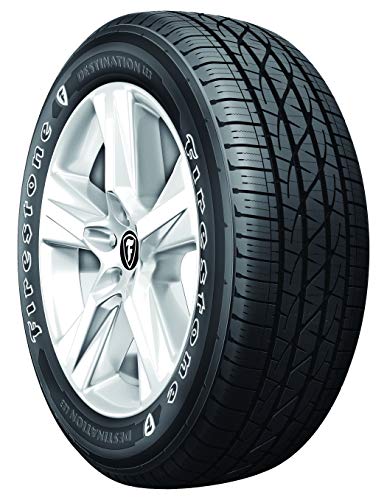
A 70,000-mile limited warranty gives the Firestone Destination LE3 a clear focus on long highway service. This all-season SUV tire also targets dependable wet, dry, and snow performance for drivers who use their Wagoneer throughout the year.
Firestone designed the Destination LE3 for highway travel rather than demanding off-road work. Its tread supports steady road use in changing conditions, giving you a familiar feel on commutes and longer trips.
The LE3’s long-wear coverage makes it appealing for drivers who put plenty of miles on a large SUV. Its all-season design covers everyday weather, while the road-focused tread keeps paved driving at the center.
Firestone Destination LE3 works best on roads and maintained surfaces. It can handle routine snow and wet pavement, but its highway tread does not deliver the bite you need for muddy tracks or rocky trails.
Bottom line: Choose the Destination LE3 for a Wagoneer that spends most of its time on highways and paved roads. Its long warranty and all-season focus suit high-mileage driving.
Pros
- Water evacuation grooves improve wet traction
- Checkmark channels move water away
- Reinforced layer promotes even wear
- 65,000-mile treadwear warranty
Cons
- Limited grip on rough trails
- Not designed for deep mud
Water evacuation grooves and checkmark channels give the Cooper Endeavor Plus a clear wet-road focus. These tread features move water out of the contact area, helping the tire maintain traction on rainy pavement.
Cooper adds a reinforced layer to support more even tread wear over time. Its contemporary tread pattern also reduces road noise and smooths out the ride, which suits the quiet cabin of a Wagoneer.
The Endeavor Plus carries a 65,000-mile treadwear warranty and uses an all-season touring design. That combination suits daily trips and longer highway drives, with a quiet ride that keeps comfort in the picture.
Cooper Endeavor Plus favors pavement over rough trails. Its wet-weather channels have a clear job on rainy roads, but the tread does not target deep mud or demanding off-road routes.
Bottom line: The Endeavor Plus suits Wagoneer drivers who want a quiet touring tire with a strong focus on rain traction. Choose it for daily paved-road use and long highway trips.
Factors to Consider When Choosing Tires for Jeep Wagoneer
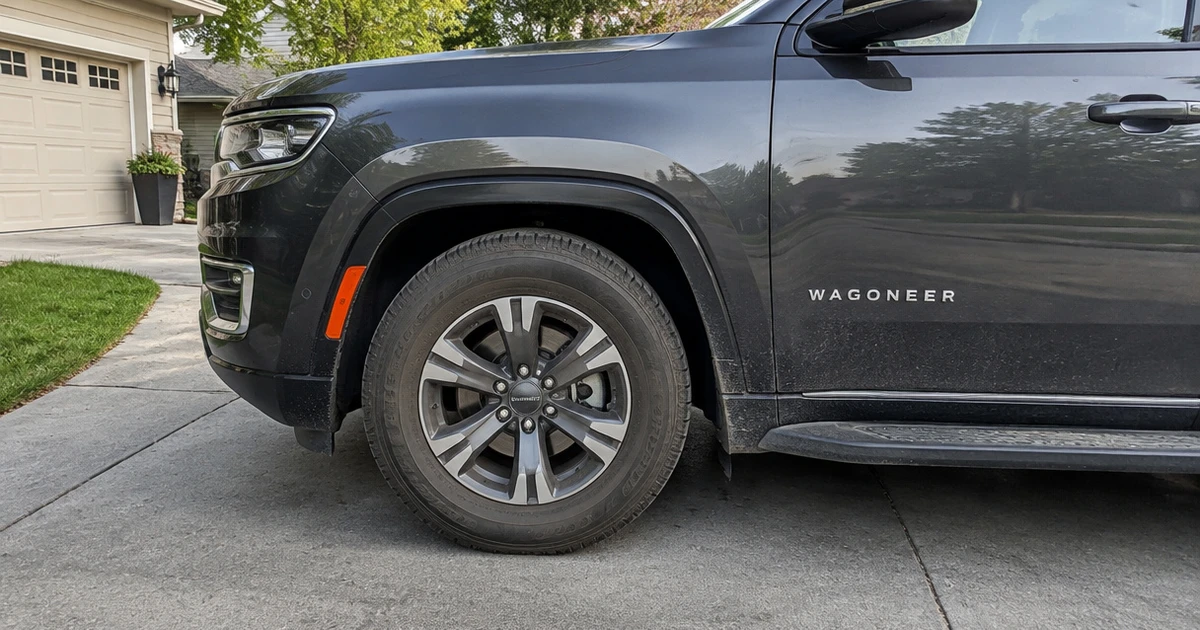
Your driving conditions and vehicle setup should guide your tire choice. Check fitment first, then weigh traction, comfort, and upkeep against the roads you drive most often.
Size and Load Rating
Start with the size and ratings on the driver-door placard or in the owner’s manual. Wagoneer trims and wheel packages can use different fitments, so do not assume a tire from another version will fit. Keep the load index and speed rating at or above the vehicle maker’s requirements, and match the tire type and diameter across all four wheels.
The load index matters on a large SUV that may carry a full cabin or tow. If you often haul people, luggage, or a trailer, check the tire’s load rating and the vehicle’s payload and towing limits together; a tire cannot raise those limits. Ask a tire shop to confirm fitment if you changed wheel size.
Weather and Traction
Think about the toughest weather you face regularly, not just a typical day. All-season tires work for many mild climates, but deep snow and frequent ice call for tires designed for winter conditions. For wet roads, look for circumferential grooves that channel water away from the contact patch, and replace tires before shallow tread weakens wet grip.
Use these points as a starting guide:
- Frequent rain: grooves that move water out of the tread.
- Regular snow: winter tires with a severe-snow marking.
- Mild winters: all-season tires with confident wet-road grip.
A three-peak mountain snowflake marking shows that a tire meets a severe-snow traction standard, though it does not promise equal grip on ice. Match your choice to local conditions and keep enough tread to clear water and snow.
Ride Comfort and Road Noise
A large SUV feels different depending on its tire’s tread pattern and sidewall stiffness. Touring tires usually favor a smooth ride and low road noise, while performance-focused designs can respond more quickly to steering but may feel firmer. Aggressive tread can add grip on loose surfaces, though its open blocks may create more sound on pavement.
If you spend most miles on highways, look for a tread pattern designed to limit road hum and construction that supports the vehicle’s weight. Drivers who value sharper cornering should look for stable shoulders and responsive handling, then accept a firmer ride as a possible trade-off. Correct pressure and alignment also help keep the cabin quiet.
Tread Life and Warranty
Check the treadwear warranty as one part of ownership cost, but treat it as a limited promise rather than a mileage prediction. Read the coverage rules for rotation intervals, alignment, proof of purchase, and uneven wear; skipped maintenance can void coverage. A longer warranty may suit drivers who log many highway miles, but it does not guarantee longer life in your own use.
Your driving habits affect wear. Keep pressure at the door-placard setting, rotate on the schedule in the owner’s manual, and fix pulling or vibration early.
Heavy loads, hard braking, rough roads, and frequent short trips can wear tread faster. Check tread across the width, since uneven wear can point to pressure or alignment trouble before the tire reaches its wear bars.
Tire Type and Driving Style
Pick a tire type based on where your Wagoneer spends most of its time. Highway touring suits paved commutes and long trips.
All-terrain tread helps on frequent gravel roads or mild trails, while a performance all-season design can sharpen steering response. Winter tires help in areas with persistent snow and ice.
Use this chart to narrow the category before comparing tread designs. Let your climate and road mix guide the choice more than a tire’s label alone.
| Tire type | Typical use |
|---|---|
| Highway touring | Daily pavement and long drives |
| All-season | Mixed weather and year-round use |
| All-terrain | Regular gravel roads and mild trails |
| Winter | Persistent snow and ice |
Skip aggressive all-terrain tread if you rarely leave pavement; the extra noise and rolling resistance may bother you. For deep snow or ice, choose a winter-rated tire rather than relying on tread appearance alone.
Frequently Asked Questions
What tire type works best for a Jeep Wagoneer?
Choose based on your usual roads and weather. All-season tires suit many drivers who mainly use paved roads in mild climates. If you face frequent snow or ice, winter tires can add cold-weather grip. For regular gravel roads or mild trails, look for a tire designed to handle loose surfaces.
How do you know when to replace your tires?
Check the tread with a gauge and inspect for cracks, bulges, or uneven wear. Many places set 2/32 inch as the legal minimum, but wet and snowy grip can fall before then. Replace tires earlier if they lose traction, and have a tire shop check damage you cannot safely judge.
Should all four tires match?
Yes. Use the same size and tire type across all four wheels unless the owner’s manual directs otherwise. Different rolling diameters can affect handling and may strain drivetrain parts on some four-wheel-drive systems. Replace tires as a set when tread differences grow, or ask a tire professional to check your options.
Do you need winter tires if you have all-season tires?
All-season tires work for many drivers in mild winters, but they cannot match a winter tire’s grip in persistent snow and cold. If your roads often freeze or stay snow-covered, a dedicated winter set can help you stop and steer with more control. Local weather and road maintenance also matter.
What tire pressure should you use?
Use the cold tire pressure on the driver-door placard or in the owner’s manual. Do not use the maximum pressure printed on the tire sidewall as your target. Check pressure regularly, since cold weather lowers it and warm tires show a higher reading after driving.