
This post may contain affiliate links. As an Amazon Associate I earn from qualifying purchases. If you choose to make a purchase, I may earn a small commission at no extra cost to you.
Your Lincoln Aviator carries the weight and power of a luxury SUV, so tire choice affects more than steering feel. A poor match can add road noise, wear quickly under load, or lose grip in rain and cold. You also need the correct size and load rating for your trim.
For the best tires for Lincoln Aviator you can buy in 2026, start with the door-jamb placard, then weigh your climate, roads and comfort needs. A suitable set should support the vehicle, grip in your usual conditions and suit your driving habits. The choices below cover daily touring, severe weather, sporty handling and other common priorities.
Our Top Lincoln Aviator Tires Picks




More Details on Our Top Picks
Pros
- Three-Peak Mountain Snowflake severe-snow rating
- Strong wet and dry braking
- Directional tread moves water away
- Built for year-round use
Cons
- Directional design limits rotation options
A sweeping V-shaped tread gives Michelin CrossClimate2 a clear focus on year-round grip. Its directional grooves channel water away from the contact patch, while the tire’s snow-biting edges earn it the Three-Peak Mountain Snowflake mark for severe-snow service.
The tread compound stays workable across changing temperatures, and the pattern gives you traction on wet pavement, dry roads, and light snow. Michelin CrossClimate2 also delivers strong wet and dry braking, a useful trait when an Aviator carries passengers through sudden rain or a cold-weather commute.
Michelin puts a lot of emphasis on tread life as well as grip, with the company claiming up to one extra year of tread life. That balance suits drivers who want one set for changing seasons instead of swapping to a dedicated winter tire.
The directional tread does limit rotation options, but the tire brings a wider range of weather ability than a basic all-season design. Its mix of braking, snow capability, and expected longevity makes it a versatile pick for everyday SUV driving.
Bottom line: Choose it for an Aviator that sees varied weather and year-round road use. Its snow rating and braking focus make it a practical one-set option.
Pros
- 70,000-mile limited treadwear coverage
- All-season traction for trucks and SUVs
- Radial construction for paved-road use
- Performance-oriented speed rating
Cons
- Standard-load construction offers less reserve for heavy cargo than reinforced tires
A 70,000-mile treadwear warranty gives Bridgestone Alenza Prestige its clearest appeal for drivers who put steady miles on a luxury SUV. Bridgestone positions this all-season tire for trucks and SUVs, so it fits the road-focused role many Aviator owners want for commuting and family travel.
The tire uses a standard-load radial construction and a performance-oriented design. That combination suits regular paved-road driving, where dependable all-season traction matters more than a trail-ready tread. Its V speed rating reflects a high-speed performance category, though that does not turn it into a sports-car tire or a winter specialist.
Bridgestone Alenza Prestige offers a straightforward approach: road use, four-season traction, and long treadwear coverage. The warranty gives you a useful reference point for expected service life, but it does not promise that every driver will reach that mileage.
Driving style, road conditions, and care all affect wear. For an Aviator that spends most of its time on pavement, the Alenza Prestige focuses on the routine demands of SUV travel rather than off-road use.
Bottom line: Consider it for regular highway and city driving, especially if long treadwear coverage matters to you. It suits an Aviator used mainly on paved roads.
Pros
- Quiet tread design reduces road noise
- Touring focus suits luxury SUVs
- Precise handling for daily driving
- All-season road traction
Cons
- Touring tread is less suited to spirited cornering than a performance tire
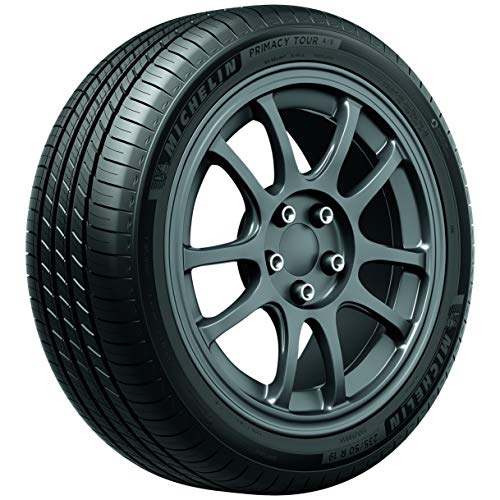
Quiet tread design sits at the heart of Michelin Primacy Tour A/S. Michelin shaped this touring tire for luxury-car comfort, with a tread pattern that keeps road noise in check while delivering precise handling on everyday drives.
That focus fits the Lincoln Aviator’s calm, upscale character. The all-season tread gives you year-round road traction, while its handling design keeps steering response composed through lane changes and sweeping highway curves. It favors smooth road manners over the sharp feel of a dedicated performance tire.
Michelin Primacy Tour A/S is built around a refined touring experience rather than an aggressive tread look or off-road use. Its quiet pattern can make long trips more pleasant for everyone in the cabin, and the tire’s balanced handling works well for daily errands as well as highway travel. It gives you a sensible mix of comfort and control for a premium SUV that spends most of its miles on pavement.
Bottom line: Pick it for a quieter, composed ride in an Aviator used mainly on paved roads. It puts cabin comfort ahead of sporty response.
Pros
- AquaTred grooves clear water and slush
- Severe-snow designation
- Evolving grooves maintain water evacuation as tread wears
- Comfort inserts reduce bumps and vibration
- Multi-pitch tread pattern limits road noise
Cons
- Snow traction does not match a dedicated winter tire
Goodyear’s AquaTred Technology gives Assurance WeatherReady 2 a clear wet-weather purpose. Sweeping grooves move water and slush out of the tread, while evolving traction grooves keep adding water paths as the tread wears.
A specialized tread compound maintains grip across seasons, and the tire earns a severe-snow designation for winter conditions. That makes Goodyear Assurance WeatherReady 2 a useful all-season option for an Aviator that faces rain, slush, and occasional snow. It focuses on road control rather than off-road traction.
Comfort inserts soften bumps and road vibration while preserving steering control during lane changes. Goodyear also varies the tread-block sizes in a multi-pitch pattern to limit the repeating sounds that can build up on long drives.
Those details suit a large SUV, where wet-road handling and a calm cabin both matter. The tire brings its strongest qualities to changing weather on paved roads.
Bottom line: Choose it if your Aviator regularly meets rain or occasional snow. The tread design and comfort inserts address both wet-road control and ride comfort.
Pros
- EcoPlus Technology targets fuel efficiency
- Short wet-road braking
- Quiet ride for SUV travel
- Responsive year-round handling
- Up to 70,000-mile limited treadwear coverage
Cons
- Touring tread has limited grip on loose, rough surfaces
Continental’s EcoPlus Technology gives CrossContact LX25 a practical touring focus. The system targets fuel efficiency and tread life while also supporting shorter wet-road braking, a useful blend for an Aviator that covers long commutes or family miles.
Its all-season tread pairs responsive handling with a quiet ride. Continental CrossContact LX25 keeps road noise low for a more relaxed cabin, and the tread design maintains predictable behavior through ordinary changes in weather. That makes it a road-first SUV tire rather than a choice for rough trails or deep snow.
Continental offers up to 70,000 miles of limited treadwear coverage, depending on the application. The warranty adds a clear longevity target, while EcoPlus Technology addresses the everyday costs of rolling resistance and wear.
Its wet braking focus matters on a heavy vehicle, especially when rain interrupts a highway trip. The tire’s strengths center on comfort, steady all-season manners, and efficient touring.
Bottom line: Consider it for an Aviator that spends most of its time on paved roads. It brings a quiet touring ride and a focus on wet braking and tread life.
Pros
- Responsive, performance-focused handling
- All-season road use
- Selected by Chevrolet for the Corvette
- Michelin performance-tire design
Cons
- Sport-focused tuning can feel firm on broken pavement
Responsive handling is the main draw of Michelin Pilot Sport All Season 4. Michelin developed this performance-focused tire for drivers who want sharp road manners without giving up all-season use, and Chevrolet selected it as the first all-season tire for the Corvette.
That sporting background gives the tire a different feel from a comfort-first touring design. Its tread focuses on grip and steering response through dry and wet conditions, making it a fitting option for an Aviator driver who enjoys a more engaged drive. Michelin Pilot Sport All Season 4 also brings the brand’s performance-tire know-how to year-round road use.
The all-season design adds flexibility for changing temperatures, but the tire’s character stays firmly on the sporty side. It is aimed at paved roads and responsive driving, not deep snow or rough trails.
On a larger SUV, that means you can prioritize steering feel and confident road grip over a soft, quiet touring character. Michelin builds the tire around performance that lasts through regular use, rather than a short burst of summer-only grip.
Bottom line: Choose it for an Aviator if steering response matters more to you than a soft touring ride. It brings a sporty edge to year-round driving.
Pros
- Asymmetric three-rib tread supports crisp steering
- Stable feel through highway curves
- Micro-silica compound improves wet grip
- Four grooves channel away water
Cons
- Road-focused tread offers limited grip on loose terrain
An asymmetric three-rib tread gives Yokohama Geolandar X-CV its crisp steering feel. The central layout keeps the tire responsive, while the outer shoulder blocks add stability through faster highway curves.
Yokohama uses a micro-silica compound with end-locked polymers to improve wet grip and reduce rolling resistance. Four wide circumferential grooves channel water away from the contact patch, which helps the tire hold its line on wet pavement. Those features suit an Aviator used for highway trips and everyday paved-road driving.
Yokohama Geolandar X-CV has a road-focused design for trucks and SUVs, with all-season traction and an emphasis on stable handling. The tread’s water channels address a common concern for a heavy crossover in rain, while the compound balances wet grip with efficient rolling. Its strengths come through on paved routes rather than loose ground, where a more rugged tread pattern would make more sense.
Bottom line: Pick it for an Aviator that spends plenty of time on highways and wet pavement. Its tread design favors steering response and stable road manners.
Pros
- SportPlus Technology for responsive handling
- Strong wet and dry grip
- Snow and ice traction
- Tread indicators track dry, wet, and snow performance
- Up to 50,000-mile limited treadwear coverage
Cons
- Performance tuning can feel firm on rough pavement
Continental’s SportPlus Technology gives ExtremeContact DWS06 Plus its performance focus. It pairs responsive handling with strong dry and wet grip, while the tread also delivers snow and ice traction for all-season use.
The D, W, and S marks in the tread act as tuned performance indicators for dry, wet, and snow conditions. As the tread wears, those letters disappear to show when the tire no longer holds its original level of performance in that condition. Continental ExtremeContact DWS06 Plus also targets short braking distances on both wet and dry roads.
This tire brings a sportier character to an Aviator than a comfort-focused touring design. Its all-season tread covers changing road conditions, while the performance tuning suits drivers who want direct handling on paved routes.
Continental offers up to 50,000 miles of limited treadwear coverage. The design favors grip and steering response, so expect a firmer feel on rough pavement than a soft touring tire typically delivers.
Bottom line: Consider it if you want an Aviator tire with sporty road manners and year-round traction. Its tread indicators give you a visible cue as the tire wears.
Pros
- Multi-pitch pattern reduces road noise
- Sipes add cold-weather biting edges
- Micro-silica compound supports wet traction
- Up to 65,000-mile limited treadwear coverage
Cons
- Not intended for deep snow or off-road trails
A staggered multi-pitch tread helps Yokohama Geolandar CV G058 keep road noise down. That quiet touring character suits the Lincoln Aviator, where tire sound can stand out during long stretches of steady highway driving.
Yokohama combines two-dimensional and three-dimensional sipes with serrated outer grooves to add biting edges in cold weather, slush, and snow. A micro-silica rubber compound adds wet traction, while chamfered ribs help the tread meet the road evenly as it wears. Together, those details give the tire a broad all-season role for crossover and SUV use.
Yokohama Geolandar CV G058 also carries a limited treadwear warranty of up to 65,000 miles for standard applications. Its mix of quiet road manners and cold-weather tread features suits drivers who want a touring tire with more winter bite than a basic warm-weather design. It remains a paved-road tire, with tread features built for rain and seasonal snow rather than deep drifts or trails.
Bottom line: Choose it for a quiet, all-season ride in an Aviator used mostly on paved roads. Its sipes add useful grip in slush and light snow.
Pros
- Full-depth sipes clear slush
- Wide grooves move water away
- Micro-serrations add wet-weather biting edges
- Variable Pitch Technology limits road noise
- Strong center rib supports quick handling
Cons
- Road-touring tread is not suited to serious off-road use
Full-depth sipes and lateral voids give Kumho Crugen HP71 useful winter-minded details for an all-season touring tire. Those grooves clear slush from beneath the tread, while wide circumferential channels move water away to support wet-road grip.
Micro-serrations in the tread blocks add more edges for wet conditions and help resist hydroplaning. Kumho also uses a strong center rib and reinforced shoulder blocks to keep steering quick and encourage even tread wear. Those features give the tire a composed road feel for a Lincoln Aviator used in daily traffic.
Kumho Crugen HP71 uses Variable Pitch Technology to limit tread noise, so the tire keeps a quiet touring character on longer drives. Its combination of slush-clearing voids, water channels, and a stable center rib suits drivers who face changing weather but spend most of their time on pavement. The design does not turn it into an off-road tire, but it gives an SUV useful wet-road and light winter traction.
Bottom line: Consider it for an Aviator that sees rain, slush, and regular paved-road travel. It balances wet-weather features with quiet touring manners.
Factors to Consider When Choosing Tires for Lincoln Aviator
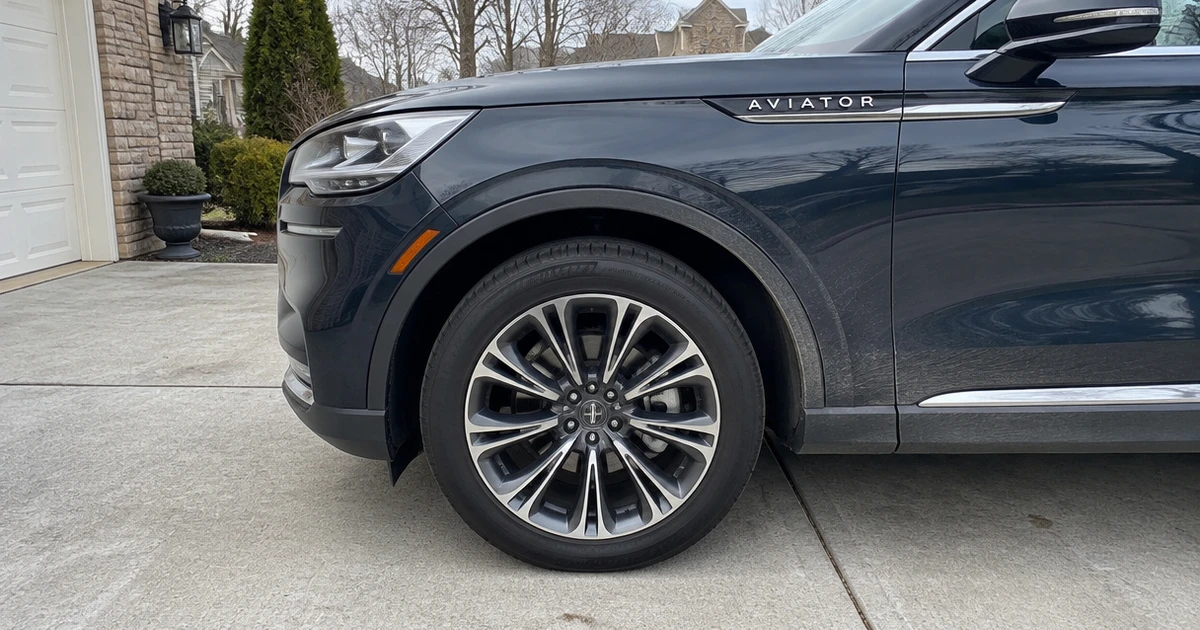
Your Aviator’s weight, available all-wheel drive and luxury focus shape the right tire choice. Start with the door-jamb placard and owner’s manual, then match tire behavior to your roads and seasons.
Size and Ratings
Start with the tire size on the driver-door placard, then compare it with the sidewall on your current set. Aviator trims can use different wheel and tire combinations, so another trim’s size may not fit your vehicle. The placard gives the factory size and recommended cold pressure.
Check the replacement’s load index and speed rating against the placard and owner’s manual. The load index shows how much weight each tire can support, while the speed rating identifies its tested speed category. Keep the required ratings or choose a higher rating; do not go below them.
- Match the full tire size, including its letter and number sequence.
- Keep the load index at or above the vehicle requirement.
- Use the placard’s cold pressure, not the sidewall maximum.
Weather and Seasons
Match the tire to the harshest weather you face often. Standard all-season tires handle rain and mild winters, while winter tires deliver more grip in frequent cold, packed snow or icy conditions. Summer tires favor warm-weather response but lose grip as temperatures drop.
All-weather tires bridge those needs if you see regular snow and prefer one set. Check for the Three-Peak Mountain Snowflake mark, which shows the tire passed a defined snow-traction test.
The mark does not remove the need for slower driving on slick roads. Use these categories as a starting point and account for your local climate.
| Tire type | Best fit | Main trade-off |
|---|---|---|
| Standard all-season | Rain and mild winters | Less grip in deep snow |
| All-weather | Regular snow with one set | Can feel less focused in warm weather |
| Winter | Frequent cold, snow or ice | Requires seasonal changes |
Ride Comfort and Noise
An Aviator’s quiet cabin can make tire noise easy to hear, especially on rough pavement. Touring tires with a closed tread pattern and a comfort-focused design often suit drivers who spend long hours on highways. Look for noise-control and ride-comfort features, but treat those claims as clues rather than guarantees; pavement texture and vehicle setup change what you hear.
Your wheel size also shapes ride feel. A larger wheel usually leaves less sidewall between rim and road, which can make sharp bumps feel harsher and raise the risk of wheel or tire damage on potholes. If comfort matters most, stay with the factory wheel diameter and prioritize a tire that balances stable steering with a compliant ride.
Tread Life and Warranty
Tread life matters if you cover long highway miles or want fewer replacements. The Uniform Tire Quality Grade treadwear number offers a relative comparison, but use it only as a rough guide among tires that target similar driving needs. Your habits, road surface, alignment and inflation can change actual wear, so no grade guarantees a certain mileage.
Read any mileage warranty carefully. Its terms may require regular rotations, proof of service and replacement before the tread reaches a set depth.
Keep your receipts and inspect tread across its full width; uneven wear can signal low pressure, poor alignment or a suspension issue. Fix the cause before mounting new tires, or the same wear may return.
All-Wheel Drive and Tire Care
If your Aviator uses all-wheel drive, buy four tires with the same size and closely matched tread depth unless the manual gives another replacement method. A large difference in rolling circumference can make the system work harder. Ask a tire shop to measure all four tires before you replace fewer than four.
Rotate tires on the schedule and pattern in your owner’s manual, since the drivetrain and tire setup can affect the right routine. Check pressure monthly with the tires cold, and look for uneven wear or damage. A vibration at highway speed can point to imbalance or damage, so have a shop inspect it promptly.
Frequently Asked Questions
Are all-season tires enough for a Lincoln Aviator?
Often, yes, if you drive on paved roads and winters stay mild. All-season tires balance wet grip, comfort and tread life for year-round use, but they lose traction in deep snow and sustained ice. If you regularly face severe winter weather, choose a tire with a severe-snow rating or use dedicated winter tires.
How do you know which tire size fits a Lincoln Aviator?
Read the tire size, load index and speed rating on the driver-door placard, then check the owner’s manual for trim-specific guidance. Do not rely only on your current tires, since a previous owner may have changed the wheels. Follow the placard’s recommended cold pressure, too.
How often should you rotate your tires?
Follow the interval and rotation pattern in your owner’s manual, since tire design and drivetrain can affect the schedule. Check pressure monthly and inspect tread for uneven wear. If one shoulder wears faster or the vehicle pulls, ask a shop to check alignment and suspension before the wear spreads.
Do you need to replace all four tires on an all-wheel-drive Aviator?
Keep all four tires close in tread depth and use matching tire types and sizes. A large difference in rolling circumference can put extra strain on the drivetrain. Follow the owner’s manual or ask a tire professional to measure the remaining tread before you replace fewer than four tires.
When should you replace tires on a Lincoln Aviator?
Check the tread regularly and replace tires when the tread reaches its wear bars. Also inspect for cracks, bulges, cuts or repeated pressure loss. A damaged sidewall needs prompt attention, and a repair shop can tell you whether a puncture sits in a repairable area of the tread.