
This post may contain affiliate links. As an Amazon Associate I earn from qualifying purchases. If you choose to make a purchase, I may earn a small commission at no extra cost to you.
The Infiniti QX80’s size and weight put real demands on its tires, and the wrong set can make wet roads, winter trips, or long highway drives less comfortable. You also need to match the tire to your exact model year and wheel setup.
A good choice fits the door placard, carries the required load, and suits the weather and roads you face most. The best tires for Infiniti QX80 in 2026 range from quiet highway options to snow-focused and trail-friendly designs. The list below covers choices for different priorities, so you can compare what matters for your driving without paying for traits you rarely use.
Our Top Tires for Infiniti QX80 Picks




More Details on Our Top Picks
Pros
- Long-wearing tread for full-size SUVs
- Quiet, comfortable highway ride
- All-season traction for changing conditions
- Road-focused handling
Cons
- Not designed for demanding off-road use
Michelin Defender LTX M/S2 is built for the demands of heavier pickups and full-size SUVs, where long tread life and a calm ride matter. Its highway-focused all-season tread suits a QX80 that spends most of its time on paved roads, while its design targets reliable traction in changing conditions.
Michelin developed this line with a focus on extended tread life for larger, more powerful vehicles. The tread pattern balances road grip with a quiet ride, so highway miles feel composed instead of tiring.
In daily driving, the M/S2 keeps road noise low and delivers steady handling on dry pavement and in rain. Its all-season tread also gives you useful traction when the weather turns, without the aggressive feel of an off-road tire.
Michelin Defender LTX M/S2 suits the QX80’s road-going character, especially if you value comfort for long trips. Its strengths are lasting wear and quiet highway manners, with traction made for routine changes in weather.
Bottom line: Choose it for a QX80 used mainly on roads, especially if you want a comfortable ride and long tread life.
Pros
- All-season road traction
- Up to 70,000-mile treadwear coverage
- Performance-focused SUV handling
- Made for truck and SUV use
Cons
- Performance focus may feel firm on rough pavement
- Not intended for serious off-road driving
If your QX80 serves as a family hauler or road-trip vehicle, Bridgestone Alenza Prestige focuses on smooth, confident pavement driving. Its all-season design targets SUVs and trucks, with a performance-oriented feel that suits steady highway travel and everyday errands.
The Alenza Prestige pairs year-round traction with a treadwear warranty of up to 70,000 miles. Its tread design favors predictable road manners, while the tire’s construction is made for the demands of SUV use.
In real driving, that focus means composed handling on dry roads and useful grip when rain arrives. It also gives you a more responsive feel than a tire built only for soft, comfort-first cruising. The tire’s performance character fits a QX80 that sees regular highway miles and needs stable steering.
Bridgestone Alenza Prestige brings touring comfort and all-season road grip together in a premium SUV tire. Its long treadwear coverage adds reassurance for drivers who put plenty of miles on their vehicle.
Bottom line: Consider it for your QX80 if you want confident road handling and a long treadwear warranty for frequent driving.
Pros
- Quiet tread pattern
- Computer-tuned design promotes even wear
- Confident year-round handling
- 70,000-mile limited tread life warranty
Cons
- Road-focused tread is not suited to rough trails
Quiet highway travel is a central part of the Pirelli Scorpion AS 4’s design. Its optimized tread pattern uses closely arranged tread elements and tuned pitch sequencing to reduce road noise and vibration, which can make a long drive in your QX80 more relaxing.
Pirelli computer-tunes the symmetric pattern to encourage even wear across the tread. That design works with the tire’s all-season construction to deliver steady handling through changing weather and help maintain its road manners over time.
On paved roads, the Scorpion AS 4 feels composed and gives you predictable steering. Its reduced tread voids keep the pattern quieter, while the SUV-focused build gives you the everyday traction needed for commutes and family trips.
Pirelli backs the line with a 70,000-mile limited tread life warranty. Pirelli Scorpion AS 4 centers on low cabin noise and even tread wear, rather than a rugged off-road look or feel.
Bottom line: Pick it for your QX80 if quiet highway comfort and steady all-season handling matter most.
Pros
- AquaTred grooves move water and slush
- Evolving grooves maintain wet traction
- Severe-snow designation
- Comfort inserts reduce bumps and vibration
Cons
- Not a replacement for a dedicated winter tire in severe conditions
Slush and standing water call for a tread that can clear its path, and Goodyear Assurance WeatherReady 2 uses AquaTred Technology to do that job. Sweeping grooves channel water away from the contact area, while evolving traction grooves help preserve wet grip as the tread wears.
Goodyear uses a specialized tread compound that stays adaptable across seasons. The tire also carries the severe-snow designation, giving you more winter-weather capability than a basic all-season design.
Comfort inserts reduce bumps and vibrations, while variable tread block sizes limit the steady hum that can build during highway travel. That combination gives your QX80 a more settled feel on longer drives and more confident control in rain or slush.
Goodyear Assurance WeatherReady 2 combines wet-road control with added snow traction. Its layered approach to water evacuation keeps grip in focus throughout the tire’s life, and the quiet tread pattern adds comfort for daily use.
Bottom line: Choose it for your QX80 if you face regular rain, slush, and occasional snow during the year.
Pros
- TractionPlus Technology for wet-road grip
- Up to 70,000-mile tread life coverage
- Comfortable highway manners
- Durable construction for truck and SUV use
Cons
- Less suited to rough trails than an all-terrain tire
Continental TerrainContact H/T brings a highway-tire approach to trucks and SUVs, with TractionPlus Technology at the center of its design. The compound and tread focus on grip and durability, giving a QX80 a planted feel on paved routes while keeping road noise in check.
Wet-road performance is a key strength. The tread works to deliver short braking distances on wet pavement, which can give you more control when traffic slows or rain covers the road.
Continental backs the tire with up to 70,000 miles of limited tread life coverage. Its sturdy construction suits the loads and miles associated with larger vehicles, while the road-focused pattern keeps the ride comfortable for daily driving and long highway trips.
TractionPlus Technology brings together wet-road grip and durable construction in a tire built for year-round pavement use. Continental TerrainContact H/T is a practical fit for a QX80 that spends little time away from the road.
Bottom line: Choose it for your QX80 if you want durable highway performance with a focus on wet braking and comfort.
Pros
- Silent Wall Technology reduces tread resonance
- Four circumferential grooves evacuate water
- Multi-wave sipes improve wet and dry braking
- Touring-focused ride comfort
Cons
- Not designed for demanding off-road terrain
Cabin noise can wear on you during a long drive, so Toyo Open Country Q/T uses Silent Wall Technology to reduce pipe resonance in the tread. That design focus suits the quiet, road-centered character many QX80 drivers want for commuting and travel.
Four wide circumferential grooves move water away from the tread, and open lateral slits add another route for drainage. Multi-wave sipes give the tread more biting edges for wet and dry braking, while also helping limit irregular wear.
On the road, the Q/T delivers a calm touring feel with useful wet-weather traction. Its tread design favors paved driving, and the steering remains composed through routine turns and lane changes.
Toyo Open Country Q/T balances low road noise with water evacuation for everyday SUV use. Silent Wall Technology gives the tire a clear comfort focus, while the siping and grooves add practical grip in wet conditions.
Bottom line: Consider it for your QX80 if a quiet cabin and steady wet-road traction top your list.
Pros
- Full-depth 3-D locking sipes
- Handles paved and unpaved roads
- All-season traction in rain and snow
- 60,000-mile warranty
Cons
- Can produce more tread noise than a highway tire
- Not intended for deep mud or technical trails
For QX80 owners who mix paved driving with gravel roads and light trails, BFGoodrich Trail-Terrain T/A offers a more adventure-ready tread. Its design balances road use with the durability needed for unpaved routes, so you can leave smooth pavement without choosing a heavily aggressive tread.
Full-depth 3-D locking sipes stabilize the tread blocks as they flex. That helps the tire wear evenly and maintain grip in rain and snow, while keeping its road manners comfortable and quiet.
The all-season pattern gives you useful traction through changing conditions, and the tire carries a 60,000-mile warranty. BFGoodrich also includes a 60-day satisfaction guarantee, adding a trial period to its coverage.
BFGoodrich Trail-Terrain T/A offers paved-road comfort with added ability on mild trails. The 3-D locking sipes and stable tread blocks give it a practical balance for SUV drivers who split their time between town and unpaved roads.
Bottom line: Choose it for your QX80 if your routes include gravel and light trails as well as paved roads.
Pros
- 70,000-mile limited warranty
- Wet, dry, and snow traction
- Sustained performance through tread life
- Highway-focused ride
Cons
- Not built for off-road use
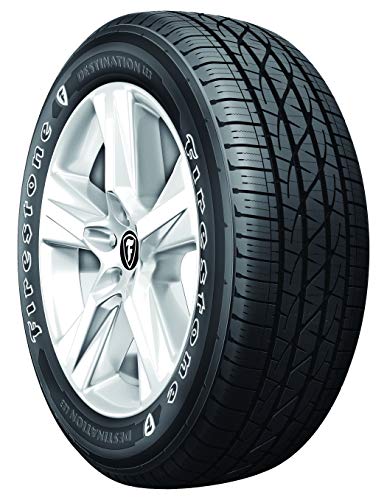
Firestone Destination LE3 is built around dependable highway traction and long-term tread life. Its all-season design covers wet, dry, and snowy roads, giving your QX80 a practical setup for everyday driving through changing weather.
Firestone backs the LE3 with a 70,000-mile limited warranty, its longest limited warranty for this tire line. That coverage pairs with its focus on sustained performance through the tread’s life, rather than a short-lived burst of grip.
On pavement, the Destination LE3 aims for predictable handling and a comfortable ride. Its highway-tire character suits commutes and family trips, and the tread gives you usable traction when rain or light snow arrives.
The Firestone Destination LE3 keeps the emphasis on lasting highway performance and all-season traction. For a QX80 used on regular roads, the combination of a long warranty and everyday grip makes it a straightforward touring option.
Bottom line: Consider it for your QX80 if you want a long treadwear warranty and dependable road traction in varied weather.
Pros
- Designed for wet-road braking
- Precise steering response on wet and dry roads
- Comfort Balance Technology reduces noise and vibration
- Up to 65,000-mile tread life coverage
Cons
- Highway tread is not meant for rough off-road routes
Rainy-road braking and steering response are key strengths of General Grabber HTS60. Its highway tread is designed to give truck and SUV drivers confident handling on wet pavement, which helps your QX80 feel controlled during everyday drives.
General’s durable construction resists wear from regular use, while its quiet tread keeps the cabin more comfortable on longer trips. The line also uses Comfort Balance Technology to reduce road noise and vibrations as you drive.
The Grabber HTS60’s road-focused pattern gives you predictable handling on dry pavement as well as in rain. General offers up to 65,000 miles of limited tread life coverage, adding useful support for drivers who rack up highway miles.
General Grabber HTS60 pairs wet-road braking with a quieter ride. Its Comfort Balance Technology and wear-resistant build make it a practical highway tire for a large SUV that sees steady daily use.
Bottom line: Choose it for your QX80 if you value controlled wet-road handling and a quiet ride on paved routes.
Pros
- Variable Pitch Technology reduces tread noise
- Full-depth sipes maintain winter traction
- Wide grooves evacuate water
- Strong center rib supports quick handling
Cons
- Not designed for off-road driving
A smooth, quiet ride defines the Kumho Crugen HP71’s touring design. Kumho uses Variable Pitch Technology to vary the tread block pattern and reduce the steady noise that can build during highway travel in a large SUV.
Wide circumferential grooves and micro-serrated tread blocks help move water away, giving the tire useful wet-road traction. Full-depth sipes and lateral voids clear slush from beneath the tread, adding winter grip that lasts as the tire wears.
A strong center rib and reinforced shoulder blocks support even wear and quick steering response. On a QX80, those features help create stable road manners for commutes, errands, and longer trips, while the tread remains focused on paved use.
Kumho Crugen HP71 brings together quiet touring comfort and wet-weather traction. Its water-clearing grooves, sipes, and variable-pitch tread make it a well-rounded road tire for drivers who want calm everyday handling.
Bottom line: Pick it for your QX80 if a quiet touring ride and reliable wet-weather grip are your priorities.
Factors to Consider When Choosing Tires for Infiniti QX80
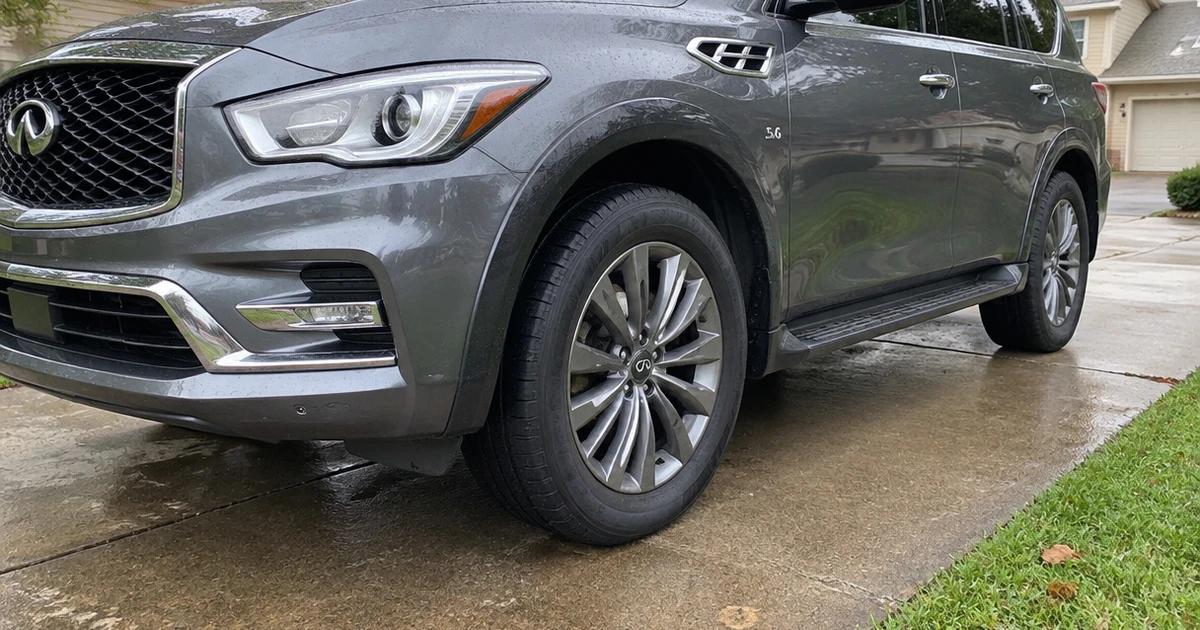
Start with the fitment details in your QX80 owner’s manual and driver-door placard. Then match the tire’s strengths to your usual roads, climate, passenger load, and towing habits. A good set supports the SUV’s weight while keeping steering predictable and the cabin comfortable.
Fitment and Load Rating
Start with the exact tire size approved for your model year and wheel package. Then check the load index and speed rating, not just the size. The load index shows how much weight each tire can carry at its rated pressure, and you should meet the ratings in your manual.
Passengers, luggage, and trailer tongue weight add up, so do not choose a lower load rating. Keep the approved wheel diameter unless a tire professional checks clearance and handling for a change.
Before buying, confirm:
- The size, load index, and speed rating meet your vehicle’s requirements.
- The tire clears the vehicle if you change wheel diameter.
- Cold inflation pressure matches the driver-door placard.
Weather and Traction
Choose for your regular climate, not a rare trip. All-season tires suit drivers who see mild winters and want one set year-round, while dedicated winter tires use cold-flexible rubber and tread features that grip better in snow and freezing conditions. In regions with frequent ice or deep snow, a winter set gives more control than relying on an all-season label.
Some all-weather tires carry the three-peak mountain snowflake symbol, which marks a tested level of severe-snow traction. That symbol does not mean every tire performs equally on ice. If you switch to winter tires, fit a matching set of four and store the other set properly; mixing winter and non-winter tires can upset handling.
Road Use and Tread Design
Match the tread design to where you spend most of your miles. Highway-focused SUV tires generally suit paved commutes, road trips, and towing, with tread patterns built for stable handling and lower road noise. Their closely spaced grooves can feel calm on pavement, but they do not offer the same loose-surface bite as an all-terrain design.
Choose an all-terrain tread if you regularly use gravel roads, campsites, or mild trails. Larger tread blocks and open grooves help the tire find grip on loose ground, though they can add hum and may feel less smooth on pavement.
For occasional unpaved access, a mild all-terrain pattern often makes more sense than an aggressive off-road tread. Check towing and load needs before favoring traction features.
Ride Comfort and Noise
Cabin comfort depends on tread pattern, casing design, and the road surface. A touring-style tire with a less open tread often makes less noise on clean pavement than a rugged pattern. If you spend hours on highways, check owner feedback and independent tests for cabin noise and wet braking, not just claims about a quiet ride.
Pressure and alignment affect comfort too. Underinflation can make steering feel vague and heat the tire, while excessive pressure can make bumps feel sharper and wear the tread unevenly.
Set pressure when tires are cold and use the door placard value. If the QX80 pulls to one side or the steering wheel shakes, have alignment and balance checked rather than blaming the tire alone.
Tread Life and Maintenance
Look at treadwear warranties as a comparison tool, not a promise of a fixed lifespan. The stated mileage depends on proper rotation, inflation, alignment, and use, and the warranty usually has conditions. A tire that carries a long warranty may still wear faster under heavy towing, rough roads, or frequent hard acceleration.
Ask how the tire maker defines eligible wear and what maintenance records you must keep. Plan rotations at the interval in your owner’s manual or tire maker’s guidance, and inspect tread and sidewalls regularly.
Replace tires before tread gets too low for safe wet-road grip. If your SUV has an AWD or 4WD system, match tread depth across all four tires according to the manual.
| Tire style | Best fit | Trade-off |
|---|---|---|
| Highway | Paved roads and towing | Less grip on loose trails |
| All-terrain | Gravel roads and mild trails | More tread noise on pavement |
| Winter | Frequent snow and cold | Seasonal changes and storage |
Frequently Asked Questions
What tire size should you use on an Infiniti QX80?
The door placard and owner’s manual give the approved size for your QX80. Match that size, load index, and speed rating when replacing tires. A different wheel setup can change clearance and handling, so ask a qualified tire shop to confirm the fit before you buy.
Are all-season tires suitable for an Infiniti QX80?
For mild winters and mostly paved driving, a quality all-season tire can work year-round. If you face regular snow, freezing temperatures, or icy roads, dedicated winter tires give better cold-weather traction. An all-weather tire with the three-peak mountain snowflake mark can suit some drivers who need one set, but it does not match a winter tire in every severe condition.
Should you replace all four tires at once?
Replacing all four at once usually gives the QX80 the most even grip and handling, especially if your SUV has a four-wheel-drive or all-wheel-drive system. If you replace fewer tires, match the existing tires’ size, type, and tread pattern, then check the manual for tread-depth limits. A large tread-depth gap can strain some drivetrains.
How often should you rotate your tires?
Follow the rotation schedule in your owner’s manual and use the pattern approved for your tire type. Many drivers rotate every 5,000 to 7,500 miles, but the right interval depends on the vehicle and tire. Check tread wear at each rotation; uneven wear can point to low pressure, alignment trouble, or worn suspension parts.
How should you check tire pressure?
Check pressure when the tires are cold, before driving far, and use the number on the driver-door placard. Do not use the maximum pressure molded on the tire as your target. Check at least monthly and before a long trip, since pressure drops in cold weather and can change with temperature.