
This post may contain affiliate links. As an Amazon Associate I earn from qualifying purchases. If you choose to make a purchase, I may earn a small commission at no extra cost to you.
Choosing tires for a Nissan Leaf takes more than matching the size. Tire weight, rolling resistance, and grip can affect how far you travel between charges, while a noisy or harsh set can make a quiet electric car less pleasant on rough roads. You also need the correct load rating for your Leaf’s trim and driving needs.
The best tires for Nissan Leaf driving balance efficiency with dependable braking and a ride that suits your routes. Check the door placard before shopping, then weigh your usual weather, mileage, and road surfaces. The options below cover different priorities, from quiet commuting and long tread life to all-weather traction and sharper handling, so you can narrow the field for 2026.
Our Top Tires for Nissan Leaf Picks


More Details on Our Top Picks
Pros
- Low rolling resistance supports EV range
- Quiet ride complements the Leaf’s cabin
- All-season design suits year-round driving
- Built for extended tread life
Cons
- Less focused on sharp, sporty handling
- Not a substitute for a winter tire in severe snow
Low rolling resistance drives the design of Michelin e.Primacy, which makes it a natural fit for a Nissan Leaf. The tire reduces energy lost as it rolls, a useful trait for an EV where every bit of range matters. Michelin also tunes it for electric, hybrid, and gas vehicles.
Its all-season tread gives you year-round versatility for ordinary road conditions, while the construction focuses on a quiet, comfortable ride. That calm feel suits the Leaf’s quiet cabin, where tire noise can stand out more than it does in a gas car. The design also targets long tread life, so you can spend more time driving between tire changes.
Michelin e.Primacy puts efficiency and comfort ahead of a sporty feel. Its balance suits commuting, errands, and longer highway drives, especially if you want to protect your Leaf’s driving range without giving up everyday all-season use. Severe winter weather still calls for a dedicated winter tire.
Bottom line: Choose Michelin e.Primacy for a Leaf you use mainly for commuting and everyday travel. It puts quiet comfort and energy efficiency first.
Pros
- Long treadwear focus
- 80,000-mile limited treadwear warranty
- Locking 3-D Sipes add wet-road grip
- Stable all-season road manners
Cons
- Steering feel is less sporty
- Deep snow calls for a winter tire
If you want a tire that can stay on your Leaf for years, Michelin Defender2 puts tread life at the center of its design. Michelin uses a redesigned tread and a durable all-season compound to slow wear. Its 80,000-mile limited treadwear warranty reflects that focus.
Locking 3-D Sipes create many small biting edges for grip, then hold the tread blocks steady as they meet the road. That design gives you dependable braking on wet and dry pavement, with extra edges for light snow. The tire’s touring character favors stable road manners over quick, sporty steering.
Michelin Defender2 gives Leaf drivers a practical option for frequent daily miles. Its long-wearing tread can reduce how often you replace tires, and the steady ride works well for commuting and highway trips. The tread pattern also handles the mix of weather you may face through the year.
Bottom line: Michelin Defender2 fits Leaf owners who value long tread life and dependable daily traction. It makes the most sense for steady commuting rather than spirited driving.
Pros
- Quiet touring tread
- EcoPlus Technology targets lower rolling resistance
- Useful wet-road braking design
- QuickView Indicators show tread wear
- 70,000-mile limited tread life warranty
Cons
- Light-snow traction falls short of a winter tire
- Less suited to sporty handling
A quieter ride is a welcome trait in an electric car, and Continental PureContact LS builds comfort into its touring design. Its tread pattern limits road noise, which helps keep the Leaf’s cabin relaxed on longer drives. The tire also uses Continental’s EcoPlus Technology to balance low rolling resistance with tread life.
EcoPlus Technology also focuses on wet-road braking, a useful feature for daily driving in rain. The tread provides traction in light snow, so you can keep the same tires through milder winter conditions. Continental’s QuickView Indicators sit in the tread and show how its performance changes as the tire wears.
Continental PureContact LS pairs that practical design with a 70,000-mile limited tread life warranty. You get a composed touring tire for highway miles, commutes, and routine trips around town. Its calm road feel fits the Leaf particularly well, where less tire noise makes conversations and audio easier to hear.
Bottom line: Choose PureContact LS if you want a quiet touring tire for regular Leaf use. Its mix of comfort and wet-road focus suits drivers who see occasional light snow.
Pros
- Three-Peak Mountain Snowflake certified
- Directional tread moves water and slush
- Thermal Adaptive Tread Compound
- Strong wet- and dry-road braking
Cons
- Tread can sound louder on rough pavement
- Dedicated winter tires still suit deep snow and ice better
The directional V-shaped tread gives Michelin CrossClimate2 a distinct approach to year-round traction. Its grooves channel water and slush away from the contact area, while Michelin’s Thermal Adaptive Tread Compound maintains grip as temperatures change. That design offers Leaf drivers confidence across a wider range of weather than a mild-weather touring tire.
CrossClimate2 carries the Three-Peak Mountain Snowflake certification, which marks it for severe snow service. It also provides wet- and dry-road braking for the everyday conditions you face outside winter. Michelin tunes the tread to retain its performance as it wears, so the tire does not rely only on fresh tread for its grip.
Michelin CrossClimate2 gives you a reassuring option for a Leaf used through changing seasons. Its pronounced tread pattern can make more noise on rough pavement than a comfort-first touring design. On clear roads, though, it delivers sure-footed handling for commuting and highway travel.
Bottom line: Michelin CrossClimate2 suits Leaf drivers who face changing seasons and occasional snow. It gives you year-round traction without requiring a switch to winter tires in milder conditions.
Pros
- i Sound Absorber reduces cabin noise
- EV-focused tread and compound
- Low rolling resistance design
- Responsive handling feel
Cons
- Serious winter weather calls for a dedicated winter tire
- Performance focus may feel firm on rough roads
Hankook iON evo AS was built for electric vehicles, so its design speaks directly to the Leaf’s needs. Hankook’s i Sound Absorber technology uses a sound-absorbing layer inside the tire to reduce noise that would otherwise reach the cabin. The tread and compound also focus on low rolling resistance, which can help conserve battery energy.
EVs deliver strong torque as soon as you press the accelerator, and the iON evo AS has a tread design made to handle that demand. Its all-season layout gives you useful traction for regular wet and dry driving, while its performance-oriented character adds a more responsive feel on winding roads. That blend suits drivers who want a tire with an EV-specific design rather than a general touring approach.
Hankook iON evo AS puts quiet running and energy use ahead of winter specialization. It can make everyday driving in a Leaf more composed, especially on longer routes where tire noise builds. In serious snow and ice, a dedicated winter tire gives you more suitable traction.
Bottom line: Hankook iON evo AS fits Leaf drivers who want EV-specific noise control and efficiency. Consider it for regular road use rather than severe winter travel.
Pros
- Asymmetrical tread supports all-season handling
- Wide shoulder blocks add cornering grip
- SoundComfort Technology reduces road noise
- EV-focused design considers rolling efficiency
Cons
- 40,000-mile treadwear warranty is modest
- Not intended for severe winter conditions
Goodyear ElectricDrive GT brings an ultra-high-performance tread to the electric vehicle tire category. Its asymmetrical pattern balances grip across wet, dry, and light-snow roads, while wide shoulder blocks add support through corners. For a Leaf driver who enjoys a more responsive feel, that design adds confidence without giving up all-season use.
SoundComfort Technology places a layer of sound-absorbing material inside the tire to cut cabin noise. That matters in an EV, where the quiet motor leaves more room for tire sounds to reach you. The design also considers rolling efficiency, so the tire suits the demands of battery-powered driving.
Goodyear ElectricDrive GT has a 40,000-mile limited treadwear warranty. Its handling focus gives you a more engaged feel on dry roads, while the tread still works for everyday rain and light snow. The warranty is shorter than you might want from a tire chosen mainly for long service life.
Bottom line: Goodyear ElectricDrive GT suits Leaf drivers who value cornering grip and a quieter cabin. Its performance focus fits best if long tread life is not your main priority.
Pros
- Multi-pitch tread reduces road noise
- Compound resists irregular wear
- Tread channels water and slush
- Comfortable touring character
Cons
- Steering response favors comfort over sportiness
- Deep snow and ice call for winter tires
Bridgestone Turanza EverDrive uses a multi-pitch tread pattern to keep road noise and vibration in check. Different tread block shapes meet the pavement at varied intervals, which helps soften the steady hum you hear on longer drives. That quiet touring design pairs well with the Leaf’s low-noise cabin.
Bridgestone also uses a next-generation compound to guard against irregular and premature wear. Its tread channels water and winter slush away from the contact area, giving you more confident control when roads turn wet. The overall design aims for steady all-season road manners rather than a sharp, performance-first response.
Bridgestone Turanza EverDrive suits the routines many Leaf owners face: work trips, errands, and highway miles. Its focus on low noise and even wear can make day-to-day driving more relaxed. In deep snow or on ice, a tire built specifically for winter conditions offers a better fit.
Bottom line: Bridgestone Turanza EverDrive is for Leaf drivers who put a smooth, quiet ride first. Its touring design suits everyday routes in mixed weather.
Pros
- Silica-rich compound supports wet-road grip
- Comfortable grand touring ride
- All-season tread handles light snow
- Stable feel on dry pavement
Cons
- Less sharp steering than a performance tire
- Not suited to severe winter conditions
Pirelli P7 AS Plus 3 brings a grand touring feel to everyday all-season driving. Pirelli pairs a silica-rich tread compound with a carefully shaped tread pattern to balance wet grip, tread wear, and road comfort. For a Leaf, that combination keeps routine drives composed without pushing the tire toward a hard-edged performance feel.
The tread’s grooves move water away, while its sipes add edges for traction on wet roads and in light snow. Its design also aims for stable handling on dry pavement, which helps the tire feel predictable during lane changes and highway travel. The balance makes it a useful option for drivers who spend most of their time on paved roads.
Pirelli P7 AS Plus 3 is a touring tire first, with comfort and all-season road use at the heart of its character. It can handle typical rain and mild winter weather, but it does not replace a dedicated winter tire for harsher conditions. Its steering feel also stays calmer than a true performance tire.
Bottom line: Choose Pirelli P7 AS Plus 3 for a Leaf used mostly on paved roads in ordinary weather. It offers a comfortable touring feel with useful wet-road traction.
Pros
- Asymmetric tread balances road demands
- Circumferential grooves clear water
- Comfortable touring character
- Predictable everyday handling
Cons
- Steering response prioritizes comfort over sport
- Light-snow grip cannot match a winter tire
Yokohama Avid Ascend GT takes the steady, comfortable approach that suits a daily commuter. Its asymmetric tread gives the tire separate zones for different road demands, while circumferential grooves help clear water on rainy streets. That practical design makes it a natural touring option for a Nissan Leaf.
Yokohama uses a tread compound and siping pattern meant to maintain traction as conditions change. The tire stays composed on dry pavement and gives you added grip in wet weather, with enough all-season versatility for light snow. Its road manners focus on comfort and predictable handling rather than quick steering response.
Yokohama Avid Ascend GT feels at home on work commutes, school runs, and regular highway trips. The touring design keeps the drive relaxed without making the tire feel vague in ordinary turns. Drivers who want a more aggressive cornering feel may prefer a tire with a stronger performance focus.
Bottom line: Yokohama Avid Ascend GT suits Leaf owners who want comfortable, predictable tires for commuting. It handles routine wet and dry roads with an easygoing touring feel.
Pros
- Visual Alignment Indicators reveal uneven wear
- Replacement Tire Monitor tracks tread wear
- Comfort Balance Technology cuts vibration
- Symmetrical tread supports steady handling
Cons
- Steering feel is not sporty
- Severe snow calls for a winter tire
General AltiMAX RT45 gives Leaf drivers a straightforward all-season touring design with useful tread-wear cues. Its Visual Alignment Indicators show uneven wear patterns that can point to alignment issues, while the Replacement Tire Monitor makes tread wear easier to track. Those molded features bring practical information into the tire itself.
General’s Comfort Balance Technology places a cushioning layer beneath the tread to reduce road noise and vibration. The symmetrical tread pattern supports consistent handling, and its all-season layout covers regular dry and wet driving. That mix suits daily Leaf use, where a calm ride can matter as much as dependable traction.
General AltiMAX RT45 focuses on comfort and predictable road behavior, not sporty steering. Its tread can handle light winter conditions, though it lacks the specialized grip of a winter tire in severe snow or ice. The overall design offers useful everyday features without making the driving experience feel complicated.
Bottom line: General AltiMAX RT45 fits Leaf owners who want a comfortable touring tire with clear wear indicators. It suits routine driving in mild to moderate weather.
Factors to Consider When Choosing Tires for Nissan Leaf
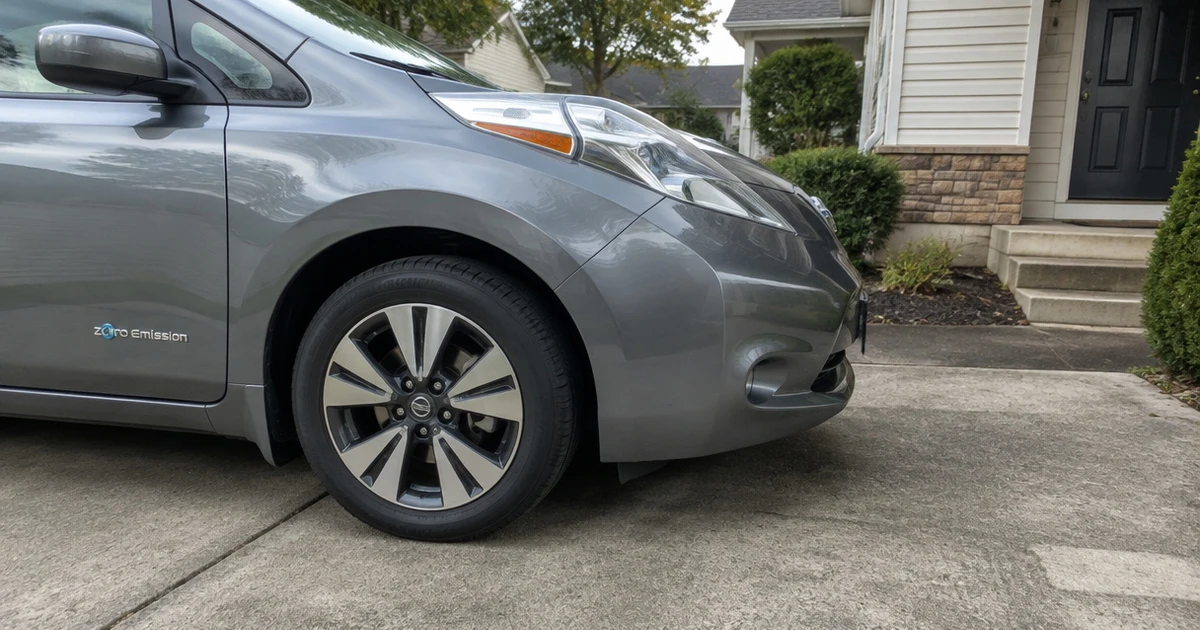
Before you compare tread patterns, start with the Leaf’s requirements and your regular routes. The right tire should fit the vehicle, carry its load, and give you the mix of efficiency, grip, comfort, and wear you need.
Correct Size and Load Rating
Read the full tire code on the driver-door placard or in your owner’s manual. Your Leaf’s trim and wheel package determine the correct width, aspect ratio, and rim diameter, so a similar-looking tire may still fit poorly or alter handling. Match the listed load index and speed rating; do not select a lower rating than the vehicle requires.
The load index tells you how much weight each tire can carry. If you change wheel sizes, ask a tire professional to confirm the tire’s overall diameter, clearance, and pressure guidance before you buy.
- Match the full size code on the placard.
- Meet the listed load index and speed rating.
- Check wheel and suspension clearance if you change sizes.
Rolling Resistance and Range
Look for a tire built to reduce energy loss as it flexes. Lower rolling resistance can help conserve battery energy, especially on regular commutes, but it should not outweigh safe wet braking or a proper load rating. Tire labels and manufacturer data can help you compare efficiency within the correct size; treat range claims as estimates because speed, temperature, hills, and tire pressure also affect energy use.
If range matters most, choose an efficiency-focused touring design and keep pressures at the vehicle maker’s recommended cold setting. Do not overinflate to chase extra distance, since that can reduce grip and wear the tread unevenly.
| Priority | Feature to compare | What it helps with |
|---|---|---|
| Range | Low rolling resistance | Energy use on regular trips |
| Rain | Wet-braking performance | Grip on damp roads |
| Comfort | Touring-focused design | Noise and ride feel |
Wet Grip and Braking
Choose a tread pattern with wide grooves and channels that move water away from the contact patch. This helps the tire hold the road in rain and lowers the risk of hydroplaning, though worn tread and excess speed can still overwhelm it. Check wet-braking information when you compare tires, and do not focus on dry handling alone.
Since the Leaf sends power to the front wheels, brisk starts can wear those tires faster. Rotate them on the schedule in your manual and inspect all four for uneven wear, cuts, or embedded debris. Leave extra space when heavy rain reduces visibility and grip.
Ride Noise and Comfort
An electric motor makes tire noise easier to hear, especially on smooth pavement and at highway speed. Tread design, casing stiffness, and rubber compounds all affect the sound and feel you notice in the cabin. Look for touring-focused construction if you spend long stretches on the freeway, and check noise notes from reliable tire tests when available.
Comfort also depends on sidewall height and pressure. Shorter sidewalls can feel firmer over broken pavement, while underinflation can make steering feel soft and raise heat. Keep the recommended pressure and judge the tire on the roads you use most.
Weather and Seasonal Needs
Choose a tire for the weather you actually face. All-season tires suit many mild climates, but they do not match a dedicated winter tire on packed snow or ice. Look for the mountain-and-snowflake symbol if you need a tire that meets a severe-snow traction standard; it does not guarantee the same grip as a winter tire in every condition.
An all-weather design can offer stronger cold-weather traction than a basic all-season option while staying on the car year-round. If winters bring regular ice or deep snow, use dedicated winter tires and switch back when temperatures rise. In warm areas, focus on wet braking and tread that handles heat.
Tread Life and Maintenance
Treat a treadwear warranty as a comparison point, not a promise of exact mileage. Your driving habits, road surfaces, inflation, alignment, and rotation schedule affect how long a tire lasts. A Leaf’s instant torque and front-wheel drive can place extra wear on the front tires, especially if you accelerate hard.
Follow the rotation interval in your manual and ask a shop to check alignment if wear looks uneven. Replace tires when tread reaches the legal limit in your area or when damage, cracks, or age make them unsafe. Do not wait for a long warranty to expire.
Frequently Asked Questions
What tire size fits a Nissan Leaf?
Use the full size code on the driver-door placard or in the owner’s manual, then match its load index and speed rating. Leaf trims can call for different sizes, so do not rely on the size from another Leaf or on a tire a prior owner chose if it differs from the vehicle guidance.
Can low rolling resistance tires improve driving range?
Low rolling resistance can reduce energy loss as a tire rolls, which may help your Leaf travel farther on a charge. The gain varies with speed, temperature, terrain, pressure, and driving style. Keep tires at the recommended cold pressure, since underinflation can waste energy and harm handling.
Does a Nissan Leaf need special tires?
Most Leafs can use standard passenger tires if the size, load index, and speed rating match the vehicle requirements. Some drivers prefer tires designed for electric vehicles because they may focus on load support, low rolling resistance, and noise control. Compare grip, comfort, and tread life for the roads you use.
How often should I replace Nissan Leaf tires?
Check tread and tire condition regularly rather than relying on a fixed replacement date. Front-wheel drive and electric torque can wear the front tires faster, especially with hard starts. Rotate tires on the schedule in your manual, and replace them when tread reaches your local legal limit or damage makes them unsafe.
Can I use all-season tires year-round on a Nissan Leaf?
All-season tires can suit year-round driving in mild climates, but they offer less traction than winter tires on ice and packed snow. If you face severe winter weather often, use dedicated winter tires during cold months. In milder areas, check wet-grip performance and keep tread in good condition.