
This post may contain affiliate links. As an Amazon Associate I earn from qualifying purchases. If you choose to make a purchase, I may earn a small commission at no extra cost to you.
Your Nissan Versa spends most of its time on ordinary roads, but the wrong tires can make daily driving noisy, harsh, or less secure when rain arrives. Choosing replacements also gets tricky because fitments and factory tire sizes can vary by model year and trim.
A good match starts with the size and load rating listed for your car, then balances wet grip, tread life, comfort, and the weather you face. The best tires for Nissan Versa you can buy in 2026 should suit your routes rather than chase a single headline feature. The options below cover different priorities, from year-round traction to a quieter commute, so you can narrow the choice to what matters to you.
Our Top Tires for Nissan Versa Picks


More Details on Our Top Picks
Pros
- 80,000-mile limited treadwear warranty
- Locking 3-D Sipes aid wet and dry braking
- Built for long tread life
- Comfortable touring manners
Cons
- Deep snow grip falls short of a dedicated winter tire
- Steering feel favors comfort over sportiness
Long tread life gives the Michelin Defender2 its main appeal for a Nissan Versa used for regular commuting. Michelin built the tire around a redesigned tread, then added an 80,000-mile limited treadwear warranty and a six-year standard limited warranty.
Its Locking 3-D Sipes create extra biting edges across the tread. Those edges help the tire grip wet and dry pavement when you brake, while the all-season tread handles changing weather through the year.
On daily drives, the Defender2 puts a steady, comfort-focused feel ahead of sporty steering. Its long-wearing design suits drivers who cover plenty of miles and want to replace tires less often.
The Defender2 is Michelin’s longest-lasting tire line, and its durability is a key part of its reputation. You get a practical touring tire with extra attention to tread life and braking rather than a performance-focused feel.
Bottom line: Choose the Michelin Defender2 for a Versa that racks up commute miles and needs a durable all-season tire. It suits you best if long tread life matters more than sporty handling.
Pros
- 3PMSF severe-snow rating
- Directional tread clears water effectively
- Strong wet and dry braking
- Built for year-round use
Cons
- Directional tread limits rotation options
- Less focused on sporty steering response
A directional V-shaped tread gives the Michelin CrossClimate2 a distinct look and a clear purpose: year-round grip when weather shifts from rain to snow. Its 3PMSF severe-snow rating marks it as an all-weather tire, not just a basic all-season option.
The tread channels water away from the contact patch, while its biting edges help you find traction on slick roads. Michelin designed the CrossClimate2 for wet and dry braking, and its winter capability gives you added confidence when light snow turns to packed roads.
On a Nissan Versa, the tire’s steady grip can make daily driving feel more composed through mixed weather. The directional tread pattern also gives it a specific rotation path, which can limit rotation options compared with a nondirectional design.
The Michelin CrossClimate2 combines warm-weather road manners with a tread built for colder conditions. You get a tire that keeps snow traction in the conversation without giving up year-round use.
Bottom line: The CrossClimate2 fits Versa drivers who face winter weather but want one tire for the full year. Pick it for added snow traction without moving to a dedicated winter tire.
Pros
- 70,000-mile limited tread life warranty
- EcoPlus Technology reduces rolling resistance
- Quiet touring tread
- QuickView Indicators show tread condition
Cons
- Light-snow traction does not match severe-snow tires
- Steering response favors comfort over sport
A quiet cabin matters on a small car, and the Continental PureContact LS uses a touring tread to keep road sound in check. Its EcoPlus Technology combines a specialized compound and tread design to reduce rolling resistance, improve wet-road braking, and extend tread life.
Continental backs the PureContact LS with a 70,000-mile limited tread life warranty. On a Nissan Versa, the touring-focused ride feels suited to long commutes, while its tread offers useful traction in light snow.
The built-in QuickView Indicators give you a visual guide to the tire’s wear and performance condition. That feature makes it easier to track how the tread changes over time without relying only on a quick glance at the outer shoulder.
This tire puts comfort and efficiency ahead of sharp, sporty response. Its balance of quiet road manners, wet traction, and a substantial treadwear warranty makes it a practical choice for regular driving.
Bottom line: The PureContact LS suits Versa drivers who spend many hours on paved roads and value a quieter ride. Consider it if you want touring comfort with a long treadwear warranty.
Pros
- Multi-pitch tread cuts road noise
- Compound guards against irregular wear
- Tread channels water and slush
- Comfort-focused ride
Cons
- Steering feel is less sporty
- Winter traction has limits in deep snow
Road noise and vibration can wear on you during a long commute, so Bridgestone built the Turanza EverDrive around a comfort-minded tread. Its multi-pitch pattern varies the size and spacing of the tread blocks to reduce repeating road noise and vibration.
A next-generation tread compound guards against irregular and premature wear. The Turanza EverDrive also uses a pattern that moves water and winter slush away from the tire, adding useful traction when roads turn wet.
In a Nissan Versa, that blend of a calmer ride and all-season grip suits daily trips around town or longer highway drives. The tread’s water channels give you a more secure feel on rainy roads, while the compound targets even wear over time.
Bridgestone gives this tire a touring character rather than a sharp, sporty one. You get a design focused on comfort and predictable control through changing road conditions.
Bottom line: Choose the Turanza EverDrive for a Versa that spends most of its time on commutes and highways. It favors a smooth, quiet ride over quick steering response.
Pros
- 3PMSF severe-snow rating
- AquaTred grooves move water and slush
- Evolving Traction Grooves maintain water evacuation
- Comfort inserts reduce bumps and vibration
Cons
- Winter-focused tread gives up some sporty road feel
- Less suited to drivers who rarely face cold weather
The Goodyear Assurance WeatherReady 2 carries a 3PMSF severe-snow rating, giving it a useful edge for drivers who face regular winter weather. Its specialized tread compound stays adaptable across seasons, while AquaTred Technology uses sweeping grooves to move water and slush away.
Goodyear added Evolving Traction Grooves to keep water moving through the tread as it wears. That feature pairs with the tire’s comfort inserts, which reduce bumps and vibration while keeping steering controlled during lane changes.
The WeatherReady 2 can bring a steadier feel to a Nissan Versa on wet roads and in light snow. Its variable-size tread blocks also help limit road noise, so the winter-ready design still works for everyday trips.
This tire gives you more cold-weather ability than a basic all-season tire while keeping its wet-road focus. Goodyear’s tread design targets dependable grip when rain, slush, or snow changes the road surface.
Bottom line: The Assurance WeatherReady 2 is a good fit for Versa drivers who see snow as well as rain. Choose it for extra winter traction without switching to a dedicated winter tire.
Pros
- Four center grooves channel water
- Computer-optimized highway tread
- Comfortable touring ride
- All-season traction
Cons
- Steering response is less sporty
- Not built for severe winter conditions
Four center grooves give the Hankook Kinergy PT a clear wet-weather job: channel water away from the tread to reduce hydroplaning risk. Hankook pairs those grooves with a computer-optimized highway tread intended to balance all-season traction with a comfortable ride.
That touring design gives a Nissan Versa a calm feel on daily drives, especially on paved roads and highways. The tread does not chase sharp, sporty handling; it puts predictable road manners and comfort first.
The Kinergy PT’s central grooves help clear water from beneath the tire as you travel through rain. Its broad touring focus makes it a practical fit for drivers who want a steady feel across ordinary commuting conditions.
Hankook has built this line around straightforward all-season use and low-stress highway driving. You get a tire with a simple, functional tread layout and a comfort-first character.
Bottom line: The Kinergy PT works well for a Versa used for regular commuting and highway trips. Go with it if comfort and wet-road drainage matter more to you than sharp handling.
Pros
- 65,000-mile limited treadwear warranty
- Checkmark channels help clear water
- Stable, predictable handling
- Quiet, smooth touring ride
Cons
- Snow traction is limited in deep winter conditions
- Steering feel is comfort-focused
Cooper gives the Endeavor a tread layout made to push water away from the contact patch. Its water evacuation grooves and checkmark channels work together to improve wet traction, while the tread pattern aims for stable, predictable handling.
The Endeavor also has a contemporary tread design that reduces road noise and supports a smooth ride. In a Nissan Versa, that quieter touring character can make routine drives feel less tiring, especially on longer stretches of pavement.
Cooper backs the Endeavor with a 65,000-mile limited treadwear warranty. Its all-season tread balances wet-road grip with everyday comfort, without leaning into a sporty or aggressive feel.
On damp roads, the channel layout gives this tire its clearest strength. The Cooper Endeavor brings that focus together with a stable response and a treadwear warranty suited to regular use.
Bottom line: The Cooper Endeavor suits Versa drivers who often deal with rain and want a quiet ride. It also fits drivers who value a clear treadwear warranty.
Pros
- 65,000-mile limited tread life warranty on H-rated versions
- Four wide grooves drain water
- Interlocking sipes add biting edges
- Tread ribs help reduce road noise
Cons
- Packed-snow grip falls short of severe-snow tires
- Steering response favors touring comfort
A high-dispersion silica compound gives the Kumho Solus TA51a a mix of grip and tread life. Kumho combines that compound with interlocking sipes, which add biting edges for traction, and four wide circumferential grooves that drain water.
The tire’s ribs and grooves also break up road noise, giving a Nissan Versa a quieter touring feel on everyday drives. Its tread design works across changing seasons, with the grooves helping clear water when rain leaves the pavement slick.
Kumho backs H-speed-rated versions with a 65,000-mile limited tread life warranty. The TA51a’s compound uses multi-functionalized polymers to balance traction with wear, giving the tire a sensible focus for year-round driving.
The Solus TA51a blends wet-road drainage with a comfort-minded tread. Its design makes it a balanced touring tire for drivers who want quiet manners and useful all-season grip.
Bottom line: The Solus TA51a is suited to Versa drivers who want balanced all-season grip and a quiet ride. Look to it if a treadwear warranty and wet-road drainage rank high on your list.
Pros
- Up to 65,000-mile limited treadwear warranty
- Circumferential grooves remove water
- Deep sipes add year-round biting edges
- Computer-tuned tread reduces road noise
Cons
- Steering feel is not especially sporty
- Deep snow calls for a winter-focused tire
Firestone tunes the All Season’s tread for low road noise, a useful trait in a Nissan Versa’s compact cabin. Its deep sipe pattern adds biting edges for year-round traction, while circumferential grooves move water away from the contact patch.
That combination gives the tire a practical role on wet commutes and everyday trips. Firestone designed it for passenger cars and crossovers, with a comfortable ride and steady all-season manners as its focus.
The All Season can carry an up to 65,000-mile limited treadwear warranty, depending on its size and speed rating. Its tread layout aims to keep the ride quiet while giving you added grip when roads turn wet.
This is a comfort-focused touring tire rather than a sporty option. The deep sipes and water channels give its tread a useful mix of wet-weather and year-round traction.
Bottom line: The Firestone All Season suits Versa drivers who want a quiet, comfortable tire for regular roads. It offers a practical balance of wet traction and touring comfort.
Pros
- Replacement Tire Monitor signals tread wear
- Visual Alignment Indicators show uneven wear
- Symmetrical tread supports consistent handling
- All-season touring design
Cons
- Deep-snow traction is limited
- Steering feel favors comfort over sport
General Tire adds useful wear cues to the AltiMAX RT45 with its Replacement Tire Monitor and Visual Alignment Indicators. The monitor shows when the tread reaches its replacement point, while the alignment indicators can reveal uneven wear across the tread shoulders.
Its symmetrical all-season tread gives the tire consistent handling and supports even wear. On a Nissan Versa, that straightforward touring design suits regular city and highway driving without an aggressive tread pattern.
The AltiMAX RT45 focuses on steady, comfortable road manners through changing weather. Its tread gives you everyday all-season traction, while the built-in indicators make it easier to spot wear patterns as the tire ages.
General Tire has made this line a practical touring option, with tread monitoring features that add useful information during the tire’s life. The overall feel favors predictable handling and everyday comfort over sharp steering response.
Bottom line: The AltiMAX RT45 fits Versa drivers who value straightforward touring manners and visible tread-wear cues. Choose it if consistent handling matters more than sporty response.
Factors to Consider When Choosing Tires for Nissan Versa
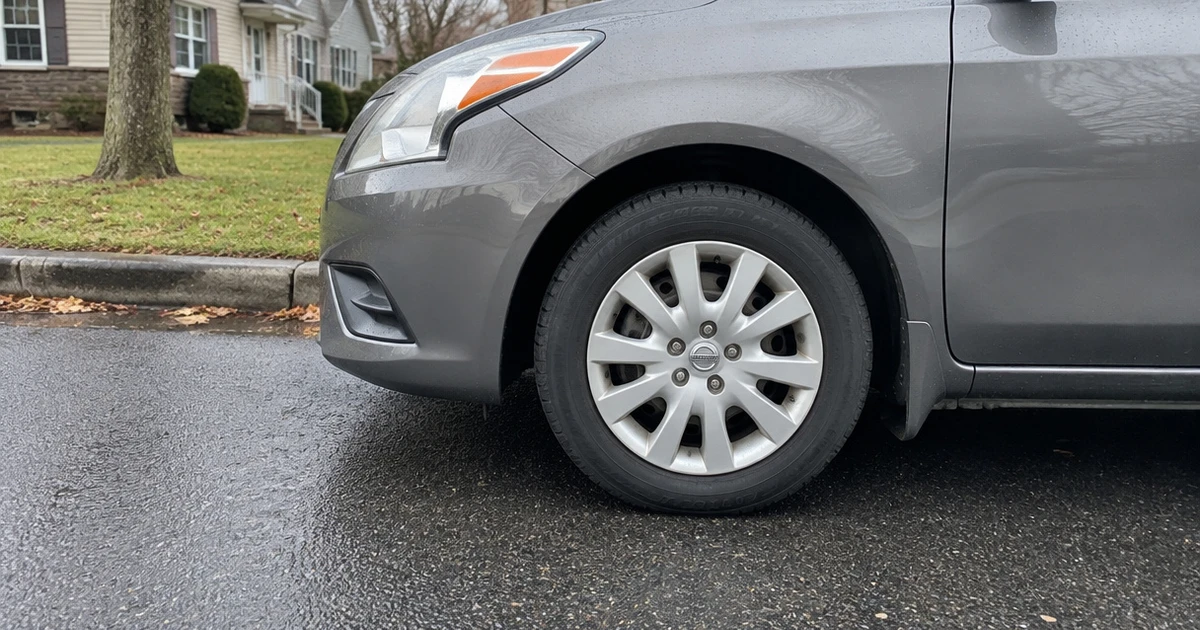
Your Versa does not need a specialty tire for most daily driving, but the right choice should match its approved fitment and the roads you use. Start with the car’s requirements, then weigh weather grip, tread life, comfort, and upkeep against your commute.
Match the Approved Fit
Check the tire placard on the driver-side doorjamb and your owner’s manual before you shop. Versa fitments can change by model year and trim, so do not rely on a size you remember from another car.
Match the full size code, including width, aspect ratio, and wheel diameter, and meet the required load index and speed rating. A tire that fits the rim but falls short of the vehicle rating is not an acceptable substitute.
Keep all four tires on the same approved size unless a qualified tire shop confirms another setup. Use this quick guide to read the sidewall priorities:
- Size code: match the approved fitment.
- Load index and speed rating: meet the car’s required ratings.
- Season marking: match the conditions where you drive.
Choose for Your Climate
Start with the conditions you face most often, not a rare trip. All-season tires suit drivers who see mild winters and want one set for the whole year. If snow and ice regularly cover your roads, a winter tire’s softer cold-weather compound and deeper, more flexible tread can give better traction.
For a place with frequent temperature swings and occasional snow, all-weather tires offer a year-round alternative with stronger winter credentials than ordinary all-season designs. No single tread suits every climate equally well, so weigh your local winters against storage space and the hassle of seasonal changeovers.
Use this comparison to set a direction:
| Driving conditions | Tire type | Main trade-off |
|---|---|---|
| Mild winters | All-season | Convenient year-round use, limited snow grip |
| Frequent snow and ice | Winter | Stronger cold-weather grip, seasonal changeover |
| Variable weather | All-weather | Year-round use, less specialized than winter tires |
Prioritize Wet-Road Control
Wet-road control depends on more than a tire’s label. Look for grooves that channel water away from the contact area, plus tread blocks that retain useful edges as the tire wears.
Good wet braking matters on a small car that spends time in town traffic, where sudden stops and painted road markings are common. If your area gets heavy rain, favor a tire with a strong wet-traction reputation over a design focused mainly on long tread life or low rolling resistance.
Also check tread depth regularly: shallow grooves clear less water and raise the risk of hydroplaning. Slow down in standing water, since even a capable tire cannot overcome excessive speed or worn tread.
Balance Comfort and Tread Life
A small sedan can pass road noise and sharp bumps into the cabin, so tire design affects daily comfort. Touring tires often use tread patterns and rubber compounds that balance quiet cruising with predictable steering.
A softer ride may feel pleasant on rough pavement, but avoid choosing by comfort claims alone. Compare the tire’s treadwear warranty and construction with how many miles you drive, then read the warranty terms for coverage conditions and maintenance requirements.
Longer tread life can help commuters, but a hard-wearing design may give up some wet grip or steering response. If most trips involve short city runs, even wear and consistent braking may matter more to you than maximum highway mileage.
Keep Up with Tire Care
Before purchase, confirm that the tire carries the right seasonal marking for your climate and matches every requirement on the door placard. After installation, keep cold pressure at the figure on the placard, not the maximum printed on the tire sidewall.
Check pressure monthly and before long drives, since underinflation can hurt handling and wear. Rotate tires on the schedule in the manual, and ask a shop to check alignment if the car pulls or the tread wears unevenly.
Replace tires as a set when possible. If you replace only two, put the pair with deeper tread on the rear axle for steadier control on wet roads, and confirm the installer follows the car maker’s guidance.
Frequently Asked Questions
What tire size does a Nissan Versa use?
The correct size depends on your Versa’s model year and trim. Read the tire placard on the driver-side doorjamb and check the owner’s manual before ordering. Match the full size code, load index, and speed rating. Do not choose a tire based only on wheel diameter or another Versa you have seen.
Can you use all-season tires year-round?
All-season tires work for many drivers in areas with mild winters and occasional snow. They offer a practical single-set option, but they do not match dedicated winter tires on packed snow or ice. If your roads often freeze or stay snow-covered, winter tires usually give you more dependable cold-weather traction.
Should you replace all four tires at once?
Replacing all four at once keeps tread depth and grip consistent across the car. If you replace only two, place the new pair on the rear axle for better stability on wet roads, and ask the installer to check whether the remaining tires still meet safe tread and condition needs. Follow your vehicle manual for any special guidance.
How often should you check tire pressure?
Check pressure at least once a month and before a long trip, using a gauge when tires are cold. Follow the pressure on the door placard or owner’s manual, not the maximum on the sidewall. Temperature changes can shift pressure, so check again during cold snaps.
How can you tell when tires need replacement?
Watch for tread wear bars across the grooves, which show when tread has reached its replacement point. Also replace a tire if you see bulges, deep cuts, exposed cords, or repeated pressure loss. Have a shop inspect damage you cannot judge safely, and follow local rules for minimum tread depth.