
This post may contain affiliate links. As an Amazon Associate I earn from qualifying purchases. If you choose to make a purchase, I may earn a small commission at no extra cost to you.
The BRZ rewards a tire that lets you feel the road, but the right choice depends on how and where you drive. A summer tire can sharpen steering and braking in warm weather, while its cold-weather limits make it a poor match for year-round use. An all-season tire adds flexibility, though it may soften the car’s responses.
Your wheel size, local climate, and tolerance for road noise matter as much as grip. The best tires for Subaru BRZ in 2026 include options for daily commuting, spirited back-road driving, autocross, and occasional snow. This guide explains how to check fitment and compare tire traits so you can choose a setup that suits your needs.
Our Top Tires for Subaru BRZ Picks


More Details on Our Top Picks
Pros
- Dual-sided tread supports wet and dry grip
- Large inner grooves help clear water
- Rigid outer blocks support cornering
- Direct steering feel for spirited drives
Cons
- Summer compound loses grip in cold weather
- Not designed for snow driving
The Michelin Pilot Sport 5 uses a dual-sided tread layout to balance wet-road grip with dry-road control. Large grooves on the inner tread move water away, while firmer outer blocks hold their shape through corners.
That balance suits the BRZ’s quick steering and rear-wheel-drive character. On a wet commute, the open inner tread gives water a clear path out of the contact patch; on dry roads, the outer shoulder gives you a steady feel when you turn in.
Michelin designed this fifth-generation Pilot Sport with ideas drawn from motorsport, but its focus remains useful on public roads. Steering inputs feel direct, and the tread design gives you confidence when a familiar route turns damp or twisty.
The Michelin Pilot Sport 5 brings a composed feel to everyday driving without losing its performance focus. It is a summer tire, so its grip suits warm conditions rather than snow or freezing roads.
Bottom line: Choose the Michelin Pilot Sport 5 for a BRZ you drive on warm, wet, and dry roads. It balances daily road manners with responsive handling.
Pros
- Responsive steering from Dynamic Response Technology
- Strong dry grip for fast cornering
- Wet-focused inner tread compound
- Racing-derived design
Cons
- Summer compound lacks cold-weather grip
- Aggressive driving can wear the tread quickly
If your BRZ sees fast back roads or occasional track sessions, the Michelin Pilot Sport 4S offers the sharp summer response that kind of driving calls for. Its tread uses different rubber compounds across the inner and outer sections, balancing wet traction with dry grip.
Michelin’s Dynamic Response Technology uses a belt made with aramid and nylon to help the tire respond closely to steering inputs. You feel that precision in quick direction changes, where the front end takes a set without a vague delay.
The Pilot Sport 4S grew from Michelin’s endurance-racing work, and carmakers such as Porsche, Ferrari, and Mercedes-AMG have used it on performance models. On the road, its dry grip and wet braking give you useful control when the pace rises or rain interrupts a drive.
The Michelin Pilot Sport 4S has a more focused feel than a general-purpose road tire, especially under hard braking and cornering. Its summer compound calls for warm conditions and does not suit snow or freezing roads.
Bottom line: Choose this tire for a BRZ that spends most of its time on warm roads and needs sharp handling. It also suits drivers who enjoy occasional track use.
Pros
- SportPlus Technology supports responsive handling
- Strong wet and dry braking
- Balanced grip for road driving
- Limited treadwear warranty up to 30,000 miles
Cons
- Summer tread does not suit snow
- Track use can shorten tread life
Continental built the ExtremeContact Sport 02 to deliver strong braking and grip on both wet and dry pavement. Its SportPlus Technology focuses on responsive handling, while the tread design gives the tire a planted feel as you steer a BRZ through a bend.
That balance matters in a light, rear-wheel-drive coupe. The Sport 02 gives you a clear response as you add steering, and its wet-road performance makes changing weather less of a reason to leave the car parked.
Continental also gives this model a limited treadwear warranty of up to 30,000 miles. That coverage adds everyday value for a summer performance tire, though track use and aggressive driving can wear performance tires faster.
On a dry road, the ExtremeContact Sport 02 feels eager without losing its road-going character. In rain, its braking and grip help you keep the BRZ composed through turns and during stops.
Bottom line: The Continental ExtremeContact Sport 02 fits BRZ drivers who want capable handling in both wet and dry summer weather. Its treadwear coverage also suits regular road use.
Pros
- Stiff outside shoulder supports hard cornering
- High-grip compound aids braking
- Low-angle grooves maintain tread contact
- Main grooves move water away
Cons
- Tread wears quickly under hard use
- Road noise rises on rough pavement
On a tight course, the Bridgestone Potenza RE-71RS puts its broad outside shoulder to work. The stiff shoulder keeps its shape under heavy cornering loads, while low-angle grooves leave more tread in contact with the pavement.
Bridgestone pairs that layout with a high-grip polymer compound built for braking and cornering. The result feels especially focused during quick turns, where the tire can help a BRZ hold its line as you carry speed through a corner.
The main grooves give water a route away from the tread, so the RE-71RS can handle damp pavement in warm weather. Still, its design puts dry grip and sharp response first, which suits autocross and track use more than a quiet commute.
The Potenza RE-71RS rewards precise inputs and gives you a firm connection to the road. Its motorsport-oriented tread and compound come with the brisk wear and road noise common to this type of high-grip tire.
Bottom line: Pick the Bridgestone Potenza RE-71RS for a BRZ used for autocross or track days in warm weather. It suits drivers who value cornering grip over quiet cruising.
Pros
- Large shoulder blocks support cornering
- Responsive sidewall feel
- Performance-focused tread design
- Works for spirited road and autocross use
Cons
- Road noise can rise on rough pavement
- Summer tread lacks snow traction
A large outer shoulder gives the Yokohama Advan Neova AD09 a clear focus on cornering grip. Its summer tread design and responsive sidewall give a BRZ a direct feel as you turn in, which comes in handy on tight back roads and autocross courses.
The AD09 comes from Yokohama’s Neova performance line, known for its motorsport lean. Its tread blocks stay firm under cornering forces, and its grooves help manage water on wet pavement during warm-weather drives.
That direct response makes the tire feel lively in a light coupe. You get a clear sense of what the front tires are doing, and the grip stays well suited to spirited road use when conditions remain mild.
The Yokohama Advan Neova AD09 favors dry grip and precise handling over a soft, quiet ride. It is a summer tire, so its performance does not extend to snowy roads or freezing temperatures.
Bottom line: Consider the Yokohama Advan Neova AD09 for a BRZ that splits its time between spirited street driving and autocross. Its focused summer handling suits warm-weather use.
Pros
- Helio+ compound supports cold-weather traction
- Responsive steering for an all-season tire
- Strong wet-road control
- Chevrolet selected it for the Corvette
Cons
- Deep snow exceeds its intended role
- Dry grip falls short of a summer tire
Michelin’s Pilot Sport All Season 4 brings performance-tire handling to a tread made for changing seasons. Its Helio+ technology uses a specialized rubber compound to maintain traction in cold and wet conditions, while the tread keeps steering response crisp for an all-season tire.
That blend suits a BRZ you drive through more than one season. It gives you a more confident feel on wet roads and in light winter conditions than a summer tire, while still responding well to quick steering inputs on dry pavement.
Michelin also uses Dynamic Response Technology in this line to connect steering inputs with the road. Chevrolet chose the Pilot Sport All Season 4 for the Corvette, a sign of its performance focus beyond ordinary all-season driving.
The Michelin Pilot Sport All Season 4 favors road feel and control over maximum snow grip. It can handle changing weather, but it does not replace a dedicated winter tire in deep snow or severe cold.
Bottom line: Pick the Michelin Pilot Sport All Season 4 for a BRZ you drive year-round in mixed conditions. It suits you when sharp road response matters as much as seasonal flexibility.
Pros
- D, W, and S tread indicators track performance
- SportPlus Technology supports responsive handling
- Wet and dry braking performance
- Limited treadwear warranty up to 50,000 miles
Cons
- Deep snow calls for a dedicated winter tire
- Steering feels less focused than a summer tire
Continental’s Tuned Performance Indicators put a simple guide right in the ExtremeContact DWS06 Plus tread. The D, W, and S marks wear away as the tire loses its best dry, wet, or snow performance, giving you a visible cue about how its abilities change.
SportPlus Technology supports responsive handling and grip on wet and dry roads. The tread also gives the BRZ more winter traction than a summer tire, making this an appealing fit for drivers who encounter light snow as well as rain.
Continental backs the DWS06 Plus with limited treadwear coverage of up to 50,000 miles. Its all-season design aims to balance road life with performance, and the tread indicators make its changing condition easy to read.
The ExtremeContact DWS06 Plus gives you useful grip through a wide range of weather without losing its sporty road feel. Deep snow and ice still call for a dedicated winter tire.
Bottom line: Choose the Continental ExtremeContact DWS06 Plus if your BRZ faces rain and occasional snow. Its tread indicators and long treadwear coverage add useful everyday features.
Pros
- Reinforced sidewalls support cornering stability
- Precise steering response
- Compound grips on wet and dry pavement
- Built for spirited and competitive driving
Cons
- Cold weather limits its grip
- Firm ride can feel harsh on rough roads
Autocross puts heavy demands on steering precision, and the Falken Azenis RT660+ answers with reinforced sidewalls and a specialized tread pattern. Those features give a BRZ a steady feel through tight slaloms and quick changes in direction.
Falken uses a high-grade tread compound to deliver grip on dry roads and in wet conditions. The tire’s performance focus shows up in hard cornering, where its construction helps the car respond cleanly to quick steering inputs.
The Azenis RT660+ suits spirited street driving as well as competitive use. Its sturdy build supports consistent performance under hard use, while its summer design keeps its focus on warm-weather grip.
With the Falken Azenis RT660+, you get a firm, direct road feel rather than a soft touring ride. Wet-weather grip does not make it a winter tire, and cold conditions limit its performance.
Bottom line: Choose the Falken Azenis RT660+ for a BRZ you take to autocross or drive hard on warm roads. It suits drivers who want a firm, precise response.
Pros
- Low road noise for a performance tire
- Wet and dry braking performance
- All-season tread offers snow traction
- Limited treadwear warranty up to 50,000 miles
Cons
- Ice grip falls short of a winter tire
- Steering feel is less sharp than a summer tire
Quiet road manners give the General G-MAX AS-07 a practical edge for everyday BRZ driving. Its all-season tread works across dry, wet, and snowy roads, while its design keeps road noise low for a more relaxed cabin.
General Tire tunes this model for high-performance all-season use, so you can keep a responsive feel without giving up seasonal flexibility. Its wet and dry braking performance adds control when traffic stops suddenly or a familiar road turns slick.
The G-MAX AS-07 also brings snow traction for drivers who face light winter weather. A limited treadwear warranty of up to 50,000 miles gives you useful coverage for regular road use.
The General G-MAX AS-07 balances comfort and grip for a sporty daily driver. Its winter traction helps on snowy streets, though ice and deep snow remain better suited to a dedicated winter tire.
Bottom line: Consider the General G-MAX AS-07 for a BRZ you use as a quiet daily driver in varied weather. Its all-season grip and treadwear coverage suit regular road use.
Factors to Consider When Choosing Tires for Subaru BRZ
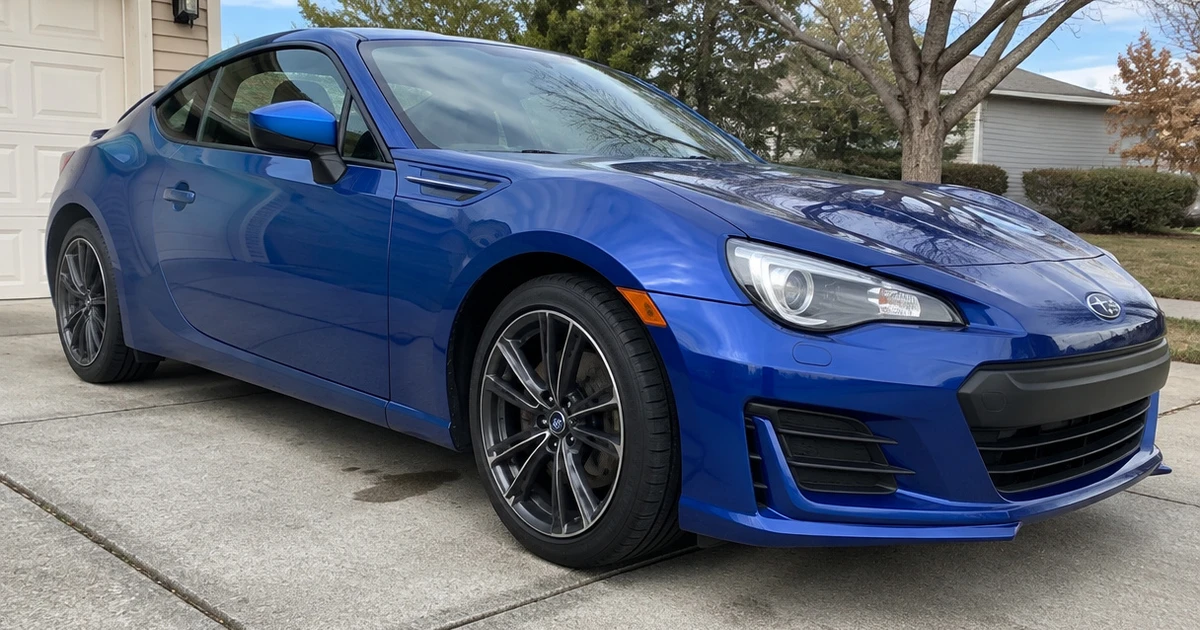
Your tire choice affects how the BRZ steers, brakes, and handles changing weather. Start with your usual roads and driving habits, then confirm that any tire you choose fits your car and wheels.
Fitment and Clearance
Start with the tire size on the driver’s door placard or in the owner’s manual. Check wheel diameter and width, along with load index and speed rating.
These details keep the tire within the car’s approved fitment range. If you change wheel size, match the overall tire diameter closely to the original so the speedometer and stability-control systems read wheel speed correctly.
Check clearance at full steering lock and with passengers or cargo. A tire that rubs under load can wear quickly and affect control.
Keep a square setup unless your trim and wheel package call for something else. Ask a qualified tire shop to confirm unusual fitment changes.
Climate and Seasonal Use
Choose a tire for the temperatures and conditions you face most often. Summer tires deliver responsive handling in warm weather, but cold temperatures can reduce their grip.
All-season tires suit drivers who want one set for varied conditions, while dedicated winter tires help in regular snow and freezing weather. No all-season tire matches a winter tire’s grip on packed snow and ice.
- Warm, dry roads: look for a summer performance tire.
- Mixed weather: consider an all-season tire with strong wet grip.
- Frequent snow or ice: choose a dedicated winter tire.
| Typical conditions | Tire type | Main benefit |
|---|---|---|
| Warm weather | Summer | Precise steering |
| Mixed seasons | All-season | Year-round flexibility |
| Snow and ice | Winter | Cold-weather traction |
Wet-Road Grip
Rain can quickly expose the limits of a tire, especially on a light rear-wheel-drive car. Look for a tread pattern with clear channels that move water away from the contact patch.
Deep grooves help resist hydroplaning, while smaller cuts in the tread, called sipes, add grip on damp or slushy roads. A tire’s wet-braking performance matters more for everyday safety than a sharp feel on a dry road.
Consider how often you drive in heavy rain and how quickly water collects on your usual routes. Replace tires before the tread wears too low, since shallow grooves cannot clear water as well.
Check pressure regularly, too. Underinflated tires can respond poorly and wear unevenly.
Handling, Ride, and Noise
Think about how much steering feel you want and how much comfort you are willing to give up. A performance tire with a firm sidewall can make the BRZ feel more direct through corners, but it may send more bumps into the cabin. A touring-focused tire often rides more gently and makes less road noise, though it may feel less precise during hard driving.
Pay attention to the roads you use every day, not just your favorite back road. Rough pavement and long commutes make ride comfort and cabin noise more noticeable. If possible, compare tires with similar intended uses and ask a tire shop about their tread and sidewall design.
Tread Life and Tire Ratings
Check the Uniform Tire Quality Grade, or UTQG, for treadwear, traction, and temperature ratings. Treadwear numbers can help you compare tires within a similar category, but they do not predict exactly how long a tire will last.
Driving style, road surface, alignment, and inflation all affect wear. A soft performance tire may wear faster than a touring tire, especially if you drive hard.
Match the tire’s load index and speed rating to the car’s requirements rather than choosing a lower rating to save money. Inspect tread depth and wear across the full width of each tire. Uneven wear can point to pressure or alignment problems, so correct those issues before fitting a new set.
Frequently Asked Questions
What tire size should I use on a Subaru BRZ?
Use the size shown on your car’s door placard or in its owner’s manual. Check that the tire also meets the required load index and speed rating. If you change wheel size, have a tire shop confirm the overall diameter and clearance before you drive.
Are summer tires safe for year-round driving?
Summer tires work well in warm weather, but cold temperatures can reduce their grip. They also struggle on snow and ice. If your area gets regular winter weather, use a suitable winter tire or choose an all-season tire for more varied conditions.
Can I use all-season tires for occasional autocross?
You can use all-season tires for occasional events, especially if you drive the car every day and want one set for mixed conditions. They usually give up some warm-weather grip and sharp response compared with a summer performance tire. Check event rules before you go.
Should I replace all four tires at once?
Replacing all four tires together helps keep grip balanced across the car. If you replace fewer than four, match the new tires to the remaining tires in size and type, and check tread depth differences. A tire shop can advise you if the existing set has uneven wear.
How often should I check tire pressure?
Check pressure at least once a month and before a long drive. Measure when the tires sit cold, then follow the pressure on the car’s door placard rather than the maximum printed on the tire. Check all four tires, including the spare if your car carries one.