
This post may contain affiliate links. As an Amazon Associate I earn from qualifying purchases. If you choose to make a purchase, I may earn a small commission at no extra cost to you.
Choosing tires for your Equinox can feel tricky because the right set depends on more than the vehicle name. Your trim and model year affect fit, while your roads, weather, and driving style shape how much grip, comfort, and tread life you need. A tire that works well for one driver may feel noisy, harsh, or uncertain for another.
A good tire should match the size and load rating on your door placard, then suit the conditions you face most often. This guide compares the best tires for the Chevy Equinox in 2026 with options for wet roads, quiet highway trips, sporty handling, and long commutes.
Our Top Tires for the Chevy Equinox Picks




More Details on Our Top Picks
Pros
- Strong wet and dry braking
- Useful traction in light snow
- Three-peak mountain snowflake rated
- Designed for lasting all-season performance
Cons
- Firmer and noisier than some touring tires
- Less capable than winter tires on ice
Michelin CrossClimate2 earns the top spot among tires for the Chevy Equinox because it combines strong wet and dry braking with useful cold-weather traction. Its all-weather design suits you if your drives include rain, slush, and occasional snow.
The standout feature is its directional, V-shaped tread, which helps move water and slush away from the contact patch. A flexible tread compound and the three-peak mountain snowflake rating give it more winter capability than a typical all-season tire.
On clear roads, you get predictable handling and confident braking. In light snow, its extra biting edges help you keep moving, though an all-weather tire still cannot match a dedicated winter tire on ice or deep snow.
Owners often praise the year-round traction and long-wearing tread. The Michelin CrossClimate2 also has a reputation for holding onto useful wet and dry performance as its tread wears.
Expect a firmer ride and more road noise than some comfort-focused touring tires. Its winter grip also comes with a trade-off in rolling resistance compared with many standard all-season options.
Bottom line: Choose it if you want one tire for changing weather and occasional snow. It suits Equinox drivers who value traction more than a soft, quiet ride.
Pros
- Responsive steering and handling
- Strong grip on wet and dry roads
- Useful light-snow traction
- Tread markers show changing performance
Cons
- Firmer ride than touring tires
- Hard driving can shorten tread life
Continental ExtremeContact DWS06 Plus earns a place among Equinox tire options for drivers who want sharper handling and strong all-season grip. Its ultra-high-performance design feels more at home on winding roads than a comfort-first touring tire.
Continental’s SportPlus Technology pairs a performance-focused tread compound with a pattern that grips well on wet and dry pavement. The tread also carries D, W, and S markers that fade as wear reduces the tire’s tuning for dry, wet, and snow conditions.
You get responsive steering and confident braking in rain, plus useful traction in light snow for a performance all-season tire. Its snow and ice ability helps with occasional winter weather, but it does not replace a dedicated winter tire in harsher conditions.
Owners often value the precise road feel and strong wet grip. Continental offers limited tread life coverage of up to 50,000 miles, though hard driving can wear a performance tire faster than relaxed highway use.
The ride can feel firmer, and the tread may sound louder than a touring tire.
Bottom line: Pick it if your Equinox sees mostly paved roads and you prefer quick steering response. Skip it if a quiet, soft ride matters more than sporty handling.
Pros
- QuietTrack tread helps limit road noise
- Long tread life warranty
- High-silica compound aids wet grip
- Snow Vices add bite on snowy roads
Cons
- Less responsive than performance tires
- Not a match for dedicated winter tires
Bridgestone Alenza A/S Ultra stands out among Equinox tire choices if you want a quiet ride and long tread life. This SUV and crossover touring tire focuses on calm highway manners while still offering traction for wet roads and winter weather.
QuietTrack Technology uses a tread pattern aimed at reducing road noise, while a high-silica compound helps the tire grip in wet and cold conditions. Small features called Snow Vices add extra edges that help the tread bite into snowy roads.
On a daily commute, you get steady handling and a comfortable feel rather than sharp, sporty responses. Its wet and light-snow traction suits changing conditions, but frequent deep snow or icy roads call for a dedicated winter tire.
Owners often appreciate the quiet highway ride and even wear. Bridgestone offers an 80,000-mile limited tread life warranty, which makes this tire appealing if you plan to keep your Equinox for years.
The long-wear focus comes with a less sporty feel than performance tires. The Bridgestone Alenza A/S Ultra also costs you some winter grip compared with all-weather tires built for more severe snow.
Bottom line: Choose it if you want a comfortable, long-lasting tire for commuting and highway trips. It fits drivers who value a quiet cabin over sporty steering.
Pros
- Severe-snow rated
- Grooves help move water and slush
- Comfort inserts help smooth bumps
- Tread pattern aims to reduce noise
Cons
- Less sporty than performance tires
- Not a substitute for winter tires on ice
Goodyear Assurance WeatherReady2 earns its place among Chevy Equinox tires for drivers who face frequent rain and some snow. Its all-weather approach gives you more winter traction than a standard all-season tire while keeping the focus on everyday road use.
AquaTred grooves help clear water and slush from the tread, and evolving traction grooves keep those channels useful as the tire wears. Goodyear also uses comfort inserts to soften bumps and a varied tread-block pattern to limit road noise.
The tire carries a severe-snow rating, so you can expect stronger snow traction than a basic all-season design. Its wet-road grip also makes it a sensible choice for rainy commutes, though ice and deep snow still favor a dedicated winter tire.
Owners often value the rain-focused tread and composed feel in changing weather. The Goodyear Assurance WeatherReady2 balances traction with ride comfort, giving you a practical option if you do not want to swap tires each season.
Its all-weather tread puts more focus on weather grip than sporty handling. You may also hear more road noise than you would with a touring tire built mainly for quiet highway travel.
Bottom line: Pick it if your Equinox regularly meets rain, slush, or occasional snow. It suits you if year-round traction matters more than sporty handling.
Pros
- Low rolling resistance helps limit drag
- Tread pattern aims to reduce noise
- Useful wet and dry traction
- Handles light snow
Cons
- Limited grip in deep snow and ice
- Less sporty steering response
Pirelli Scorpion Verde All Season Plus II earns a spot among Equinox tire options for drivers who want a quiet, efficient touring tire. Its design targets daily SUV and crossover use, with traction for dry roads, rain, and light snow.
Pirelli uses a silica-enhanced tread compound to support wet grip and reduce rolling resistance. Its optimized tread pattern also aims to keep road noise in check, which helps on longer highway drives.
You can expect predictable handling in normal driving and useful traction on wet pavement. The tire can manage light snow, but it lacks the severe-winter focus of an all-weather tire and is not the right choice for frequent deep snow or icy roads.
Owners often appreciate the quiet touring feel and balanced everyday manners. The Pirelli Scorpion Verde All Season Plus II may also help limit rolling drag, though your fuel use still depends on driving habits and vehicle condition.
This tire favors comfort and efficiency over sporty steering response. Pirelli includes a limited tread wear warranty, but the coverage depends on the tire fitment.
Bottom line: Choose it if you want a comfortable touring tire for everyday driving and highway trips. It suits Equinox owners who see only occasional light snow.
Pros
- Limited tread warranty reaches 70,000 miles
- Dependable wet and dry performance
- Handles occasional snow
- Suits regular highway driving
Cons
- Not made for regular off-road use
- Limited traction in severe winter weather
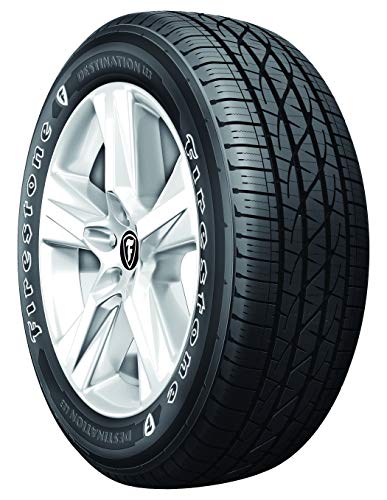
Firestone Destination LE3 earns a place among Chevy Equinox tire picks as a practical highway-focused option. It aims to give you steady all-season performance and long tread life for daily driving and road trips.
Firestone builds the Destination LE3 for wet, dry, and snowy roads, with a tread design meant to keep its performance consistent as it wears. Its limited tread warranty reaches 70,000 miles, which makes it appealing if you spend many hours on the road.
On paved routes, you get dependable handling for normal commuting and highway speeds. It can handle occasional snow, but it lacks the winter-focused traction of a severe-snow-rated tire for areas with frequent storms.
Owners often value the long tread warranty and steady all-season behavior.
Its highway design does not suit regular off-road use, and its snow grip has limits in harsher weather.
Bottom line: Pick it if you drive mostly on paved roads and want long tread life. It suits Equinox owners who face mild winter weather rather than frequent snow and ice.
Pros
- Comfortable and quiet ride
- Strong wet-road braking
- Sidewall stabilizer supports steady handling
- Warranty reaches up to 75,000 miles
Cons
- Not suited to severe winter weather
- Less sporty than performance tires
BFGoodrich Advantage Control earns a spot among Equinox tires for drivers who want predictable handling and a comfortable daily ride. It suits commuter use, with an emphasis on wet-road stopping and all-season control.
A g-Wedge Sidewall Stabilizer helps the tire maintain a steady feel through turns and lane changes. The tread design also aims to limit noise as it wears, while the compound and grooves support traction in changing weather.
Wet braking is a key strength, and the Advantage Control feels composed during ordinary driving on dry roads. Its all-season tread can handle light snow, but drivers who regularly face deep snow or ice should choose a tire with stronger winter credentials.
Owners often praise the smooth, quiet ride and reassuring wet grip. BFGoodrich offers limited tread life coverage of up to 75,000 miles, depending on the tire’s rating and fitment.
The BFGoodrich Advantage Control leans toward comfort and steady control rather than quick, sporty steering. Its snow traction works for occasional winter weather, not a full season of harsh conditions.
Bottom line: Choose it if you want a composed tire for commuting and family trips. It suits drivers who value wet-road control and a comfortable cabin.
Pros
- Water channels help clear rain
- Reinforced tread supports even wear
- Quiet design suits highway commutes
- 65,000-mile treadwear warranty
Cons
- Limited traction in severe winter weather
- Less responsive than performance tires
Cooper Endeavor Plus earns its place among tires for the Chevy Equinox as a comfortable touring choice for everyday roads. It pairs wet-weather traction with a tread design aimed at keeping the ride smooth and quiet.
Water evacuation grooves and checkmark-shaped channels help clear rain from beneath the tread. Cooper also adds reinforced material to support even wear, and its limited treadwear warranty reaches 65,000 miles.
In regular driving, you get dependable wet-road grip and a calm feel on the highway. The Cooper Endeavor Plus handles light snow, but it does not offer the added winter focus of a severe-snow-rated all-weather tire.
Owners often like the comfortable ride and tread life for daily use. The pattern also helps control road noise, which can make long commutes less tiring.
This tire favors comfort and even wear over sharp steering response.
Bottom line: Pick it if you want a smooth, quiet tire for commuting and regular highway use. It suits drivers who see rain and occasional light snow.
Pros
- Balanced touring comfort
- Wide grooves help clear water
- Useful wet and dry traction
- Tread pattern helps limit road noise
Cons
- Less winter grip than all-weather tires
- Not the sharpest choice for sporty handling
Yokohama AVID Ascend GT earns a place among Equinox tire choices for drivers who want balanced touring manners. It combines everyday road comfort with useful wet and dry traction, making it a sensible choice for routine commuting.
Yokohama uses a TriBLEND compound with Orange Oil to support grip and tread life. Wide grooves help channel water away, while a varied tread pattern helps keep road noise down.
You get predictable handling on dry pavement and reassuring traction in rain. The tire can manage light snow, but it does not have the winter focus of an all-weather model with a severe-snow rating.
Owners often praise the balanced ride quality and steady everyday grip.
It does not offer the same snow capability as an all-weather tire, so it fits mild winter conditions best.
Bottom line: Choose it if you want a balanced tire for commuting and regular road trips. It suits Equinox drivers who see mostly dry roads, rain, and only light snow.
Pros
- Quiet ride with reduced vibration
- Grooves help clear water
- Extra siping supports wet and light-snow grip
- Long tread life warranty
Cons
- Limited traction in severe winter weather
- Less responsive than performance tires
General AltiMAX RT43 earns a place among Chevy Equinox tire options as a comfortable all-season touring tire. Its strengths include a quiet ride, practical wet traction, and useful grip for light snow.
Wide grooves help move water out of the tread, while extra siping creates more edges to grip wet and lightly snowy roads. General also uses a tread design that helps reduce road noise and vibration on everyday drives.
You get steady, predictable handling for commuting and highway use rather than a sporty feel. The tire can cope with occasional light snow, but it lacks the deeper winter traction of an all-weather tire with a severe-snow rating.
Owners often value the comfortable ride and dependable everyday behavior. General offers a limited tread life warranty of up to 75,000 miles for T-rated versions and 60,000 miles for H- and V-rated versions.
The General AltiMAX RT43 favors comfort over quick steering response.
Bottom line: Pick it if you want an easygoing, comfortable tire for daily driving. It suits Equinox owners who want long tread life and face only mild winter conditions.
Factors to Consider When Choosing Tires for the Chevy Equinox
Start with your vehicle’s fit requirements, then weigh the conditions and roads you face most. A tire that suits your usual trips can make everyday driving more comfortable and predictable.
Correct Fit and Load
Start with the tire size on the driver-door placard or in the owner’s manual, not a guess based on wheel diameter. The full code includes width, aspect ratio, construction, and wheel diameter, and each part affects fit, ride, and handling.
Match the original load index and follow the vehicle maker’s guidance for speed rating. A tire with too little load capacity can run hot under a full passenger and cargo load. An unsuitable size can affect clearance and speed readings.
Set cold pressure to the number on the placard, not the maximum pressure molded into the tire sidewall.
- Check the door placard before ordering.
- Match load and speed ratings to the vehicle’s requirements.
- Use the placard pressure when the tires are cold.
Weather and Road Conditions
Choose for the weather you face most often. All-season tires suit drivers who see mild winters and want one set for year-round use. If you regularly drive through heavy rain or snow, look for strong wet grip and a severe-snow rating marked by the three-peak mountain snowflake symbol.
Dedicated winter tires provide added traction in frequent snow and low temperatures, but you’ll need to change sets as seasons shift. Think about your routes, too: rough roads can favor a tougher design, while mostly dry city streets may call for a quieter, more comfortable ride.
| Tire type | Good fit for | Main trade-off |
|---|---|---|
| All-season | Mild weather and daily use | Limited grip in severe winter weather |
| All-weather | Year-round use with more snow traction | May feel less focused in warm weather |
| Winter | Frequent snow and cold temperatures | Requires seasonal tire changes |
Comfort and Road Noise
Your Equinox may spend much of its time on commutes and highways, so pay attention to ride comfort as well as grip. A touring tire often favors a softer ride and lower road noise. A firmer design may respond more quickly to steering inputs, but it can send more bumps and pavement sound into the cabin.
Think about the roads you use every week. If your commute includes broken pavement, comfort should rank high; if you take long highway trips, quiet cruising may matter more. Tire noise can also change as the tread wears, so regular rotation helps keep wear even and the ride consistent.
Tread Life and Warranty
Look at the treadwear rating and mileage warranty as comparison tools, not promises of a set lifespan. Driving habits, road surfaces, climate, tire pressure, and alignment all affect how quickly tread wears. A warranty may also require regular rotations and proof of maintenance, so read its terms before you rely on it.
Inspect your tires often for uneven wear, cuts, or bulges. Uneven wear can point to pressure or alignment problems that shorten tire life. Rotate the tires on the schedule in your owner’s manual, and have a shop check the alignment if one edge wears faster than the rest.
Efficiency and Handling
Rolling resistance affects how much energy your vehicle uses to move the tires. A design aimed at lower rolling resistance may help fuel economy, but your results also depend on tire pressure, speed, weather, and driving habits. Keep pressure at the placard figure rather than reducing it to chase a small efficiency gain.
For confident handling, look for a tire suited to your typical speeds and road conditions, with dependable wet traction if you often drive in rain. A more responsive tread and sidewall can make steering feel direct, while a comfort-focused tire may feel softer. Choose the balance that suits your daily routes and how you like the Equinox to respond.
Which of These Tires for the Chevy Equinox Is Right for You?
Picking Your Next Set of Equinox Tires
Choose Michelin CrossClimate2 for versatile year-round use, Continental ExtremeContact DWS06 Plus for sporty grip, or Bridgestone Alenza A/S Ultra for a quieter highway ride. Goodyear Assurance WeatherReady2 suits frequent rain and snow, while Pirelli Scorpion Verde All Season Plus II fits efficiency-minded touring.
Firestone Destination LE3 suits long highway mileage, BFGoodrich Advantage Control favors steady daily handling, and Cooper Endeavor Plus fits a smooth commute. Yokohama AVID Ascend GT balances touring comfort and control, while General AltiMAX RT43 appeals if proven comfort matters most. Check your placard, climate, and usual routes before you choose.
Frequently Asked Questions
What tire size does a Chevy Equinox need?
The correct size depends on your Equinox’s model year and trim. Check the driver-door placard or owner’s manual for the approved tire size, load index, and pressure. Keep those details handy when shopping, since two versions of the same vehicle may use different wheels and tire sizes.
Are all-season tires enough for snow?
All-season tires can handle light snow and cold-weather driving, but they may lose grip in frequent or deep snow. If winter conditions are a regular part of your commute, look for the three-peak mountain snowflake symbol or use dedicated winter tires. Match your choice to local weather and road conditions.
How often should I rotate my Equinox tires?
Follow the rotation schedule in your owner’s manual, since the right interval can vary by vehicle and tire setup. Many drivers rotate tires at regular service visits. Check for uneven tread wear between visits, and ask a tire shop to inspect the alignment if one tire wears faster than the others.
Can I replace only two tires?
You can replace two tires in some situations, but the new pair should usually go on the rear axle for steadier handling on wet roads. All-wheel-drive versions may need closely matched tread depth across all four tires. Check your manual or ask a tire professional before replacing fewer than four.
When should I replace my tires?
Check the treadwear bars in the grooves and replace tires when the tread reaches the legal minimum of 2/32 inch. For better traction in rain, you may want to replace them sooner. Cuts, bulges, cracks, or repeated pressure loss also call for a prompt inspection.