
This post may contain affiliate links. As an Amazon Associate I earn from qualifying purchases. If you choose to make a purchase, I may earn a small commission at no extra cost to you.
UTV tires can change how confidently your machine climbs, turns, and brakes. The wrong tread may spin in mud or feel harsh on hard ground, while a poor fit can affect clearance and handling. Start with the terrain you ride most and the tire size your UTV supports.
This guide covers the best tires for UTVs you can buy in 2026, with options for mud, trails, hard surfaces, and mixed routes. The BF Goodrich Mud-Terrain T/A KM3 UTV earns the top spot for its strong off-road grip and tough build. You’ll also find picks for specific riding needs, plus advice on choosing the right tire for your machine.
Our Top UTV Tires Picks



More Details on Our Top Picks
Pros
- Strong grip in mud and ruts
- Open lugs clear packed mud
- Large shoulder lugs add trail grip
- Built for off-road riding
Cons
- Noisy on firm surfaces
- Less suited to smooth, hard trails
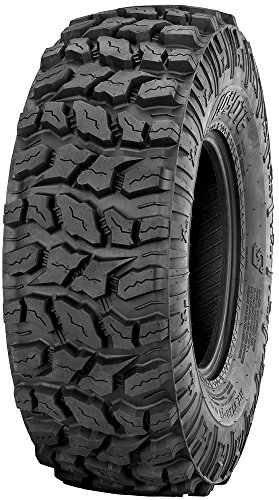
BF Goodrich Mud-Terrain T/A KM3 UTV earns the top spot for riders who regularly tackle mud and rough trails. Its aggressive tread gives you dependable bite when softer ground challenges less specialized tires.
The KM3 family uses Terrain-Attack tread blocks to grip loose ground and mud-phobic bars to help clear packed mud. Large shoulder lugs add grip near the tire’s edges, while the sidewall design helps protect against trail hazards.
On the trail, the open tread can dig through sticky mud and keep pulling when the route gets rutted. BF Goodrich Mud-Terrain T/A KM3 UTV also handles rough, uneven ground well, though its strong mud focus can feel less settled on hard-packed trails.
Owners value its mud-clearing tread and sturdy feel over demanding rides. The trade-off is extra tread noise and a less smooth feel on firm surfaces, and this tire suits off-road use rather than highway travel.
Bottom line: Choose it if muddy trails and rough terrain make up most of your riding. Riders who spend more time on hard-packed paths may prefer a less aggressive tread.
Pros
- Handles a mix of trail surfaces
- Radial construction supports a composed ride
- Shoulder blocks help in loose turns
- More versatile than a mud-only tread
Cons
- Less bite in deep mud
- Not a specialized rock tire
Sedona Coyote UTV Tire earns a place here as a capable all-around choice for mixed trail riding. Its tread gives you useful grip across common off-road surfaces without focusing as narrowly on deep mud as a mud tire.
The Coyote uses a radial construction and an assertive tread pattern with open shoulders. That design gives the tire a balance of traction and trail comfort, while the shoulder blocks help it hold its line through loose turns.
On dirt and gravel, the tread offers steady drive and predictable handling. Sedona Coyote UTV Tire also works well for riders who move between firmer paths and softer sections, though loose, deep mud can call for taller, more widely spaced lugs.
Owners often appreciate its versatile trail grip and composed ride across changing ground. Its balanced pattern makes it a practical everyday trail tire, but it cannot match a dedicated mud tire when the trail turns thick and slick.
Bottom line: Pick it if your UTV sees varied trails and you want one tire for regular mixed-terrain rides. Choose a more aggressive mud tire for frequent deep bogs.
Pros
- Comfortable feel on firm ground
- Useful for utility and trail riding
- Tread suits grass and packed paths
- Works across several off-road vehicle types
Cons
- Limited grip in deep mud
- Less bite in loose dirt
Carlisle All Trail II ATV Tire stands out for riders who spend more time on firm ground than in deep mud. Its restrained tread suits utility vehicles and trail use where a smooth, steady ride matters more than maximum bite in soft terrain.
The tire uses a bias-ply build and a relatively close tread pattern. That layout gives it a broad-feeling contact patch on hard surfaces and avoids the tall, widely spaced lugs that can feel unsettled on firm paths.
On packed dirt, grass, and similar ground, the All Trail II offers practical traction for everyday work and casual riding. Carlisle All Trail II ATV Tire can also suit utility vehicles that cross between paved areas and trails, but its shallow tread cannot dig like a mud-focused design.
Owners tend to value its steady hard-ground manners and useful fit across several types of small off-road vehicles. Its main trade-off comes in loose dirt, where the calmer tread gives up grip, especially when mud fills the grooves.
Bottom line: Choose it for utility riding on hard-packed trails, grass, or similar surfaces. Riders who regularly cross muddy or deeply rutted ground should choose a more open tread.
Pros
- Aggressive grip across mixed terrain
- Radial construction suits trail riding
- Shoulder lugs aid grip on uneven ground
- Strong reputation for tread life
Cons
- Heavier than less aggressive options
- Deep mud can pack the tread
Maxxis Carnivore UTV is a strong choice for riders who need an aggressive all-terrain tire for rough trails. Its place in this roundup comes from a tough tread design that pairs trail grip with a reputation for lasting well.
Maxxis builds the Carnivore around a radial carcass and chunky tread blocks. The lugs extend toward the shoulders, giving you extra contact along the tire’s edges when you steer through uneven ground or climb over rough sections.
In real use, the tread works across dirt, rocks, and mixed trail conditions. Maxxis Carnivore UTV can feel more composed than a mud-only tire on firmer routes, while its durable tread design suits riders who put in frequent miles.
Owners often praise its wear life and dependable grip on varied terrain. The substantial tread adds weight and can create more noise on hard surfaces, while the pattern does not clear deep mud as readily as a dedicated mud tire.
Bottom line: Pick it if you ride rough, varied trails and want a tire with a strong reputation for wear. A dedicated mud tire makes more sense for frequent rides through deep muck.
Pros
- Open tread clears mud and dirt
- Pattern designed for side-by-side use
- Uniform construction can ease balancing
- Smooth ride for an aggressive tire
Cons
- Tread noise on hard-packed ground
- Less suited to quiet, firm-surface rides
Nitto Trail Grappler SxS earns its place for riders who want a mud-ready tire with a modern side-by-side tread design. Nitto adapted the familiar Trail Grappler M/T pattern for UTV use, with open spaces that help move dirt and mud out of the tread.
The tread blocks use a pattern shaped through computer modeling, and Nitto’s automated manufacturing process helps keep the tire uniform. That consistency can make balancing easier and support a smoother ride than you might expect from such an aggressive design.
On muddy trails, the open tread layout helps clear debris so the lugs can keep finding traction. The tire also works across loose dirt and rough ground, though those large tread blocks can feel louder and less settled on hard-packed paths.
Owners appreciate its mix of trail grip and ride comfort, along with its mud-clearing ability. Nitto Trail Grappler SxS suits riders who favor off-road performance, but its aggressive tread gives up some quietness on firm surfaces.
Bottom line: Choose it if you ride muddy or loose trails and want a tire that clears debris well. Riders who spend most of their time on firm paths may prefer a quieter tread.
Pros
- Strong traction in soft mud
- Open lugs shed packed soil
- Lighter feel than many mud tires
- Handles ordinary dirt trails
Cons
- Less composed on hard-packed paths
- Rocky riding can speed up wear
Maxxis Zilla is a popular pick for riders who want aggressive mud traction without the feel of an especially heavy tire. Its place in this roundup rests on a light build and an open tread that suits soft, wet ground.
The Zilla uses tall, angled lugs with generous space between them. Those gaps help shed mud as the tire turns, while the lugs give you the bite needed to keep moving through soft trails.
On muddy routes, the self-clearing tread helps the tire keep working instead of carrying a packed layer of soil. Maxxis Zilla can also handle ordinary dirt trails, but its open tread does not feel as calm on hard-packed ground as a tighter all-terrain pattern.
Owners often value its mix of mud grip and lower weight, especially on rides where heavy tires can dull a UTV’s response. Frequent riding over sharp rocks can wear the tread and put more strain on the tire than softer terrain does.
Bottom line: Choose it if you spend plenty of time in mud and want an aggressive tire with a lighter feel. For frequent rock trails, a more protective all-terrain option may suit you better.
Pros
- Reinforced sidewalls resist trail damage
- Radial construction supports stable handling
- Tread suits varied terrain
- Open grooves help clear dirt
Cons
- Heavier than lighter trail tires
- Less effective in deep mud
GBC Kanati Mongrel is a sturdy all-terrain choice for riders who want a tire suited to modern, powerful side-by-sides. Its truck-style tread and reinforced build give it a different focus from lightweight trail tires and mud-only designs.
The Mongrel uses a radial construction with a high-ply rating and reinforced sidewalls. Its full tread pattern reaches across the tire, and the open grooves help clear dirt as you move between trail surfaces.
On firm dirt and rough trails, the stable radial feel and broad tread layout support confident handling. GBC Kanati Mongrel can tackle loose ground too, though its more balanced pattern does not dig through deep mud as well as a tire with taller, wider-spaced lugs.
Owners value its durable feel and all-terrain range, especially for regular UTV use. The strong casing adds weight, and the tread can feel less smooth on hard surfaces than a tire designed mainly for firm trails.
Bottom line: Pick it if you want a tough tire for mixed terrain and regular side-by-side use. Riders who focus on deep mud or smooth hard trails should look at a more specialized tread.
Factors to Consider When Choosing Tires for UTVs
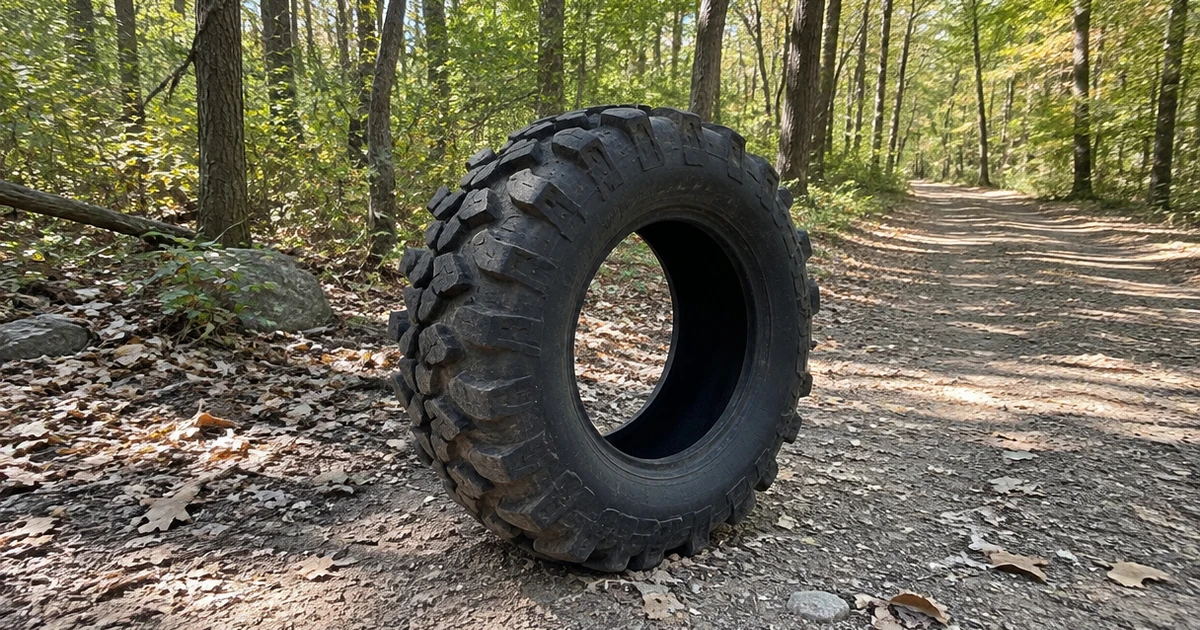
Match the tire to your usual terrain, machine, and load. A little time spent checking fit and construction can help you avoid poor handling and early wear.
Tread for Your Terrain
Start with the ground you ride most, not the rare obstacle you might meet once a season. Mud tires use deep, widely spaced lugs that dig in and shed muck, but their open tread can feel rough and wear faster on firm ground.
Hard-surface tires use closer tread blocks for steadier contact and smoother rolling. For mixed routes, look for a pattern with enough space to clear dirt and enough center tread to hold on packed ground.
Use this as a starting point, then weigh the trade-off against your regular trails. Tread shape, rubber compound, and tire pressure all affect grip.
| Riding surface | Tread feature | Common trade-off |
|---|---|---|
| Deep mud | Wide gaps and tall lugs | More vibration on firm ground |
| Hardpack | Closer center tread | Less bite in deep muck |
| Mixed trails | Balanced lugs and shoulder grip | No single pattern excels everywhere |
Size and Clearance
Check your owner’s manual or the tire size fitted to your UTV before shopping. The size markings show the tire’s width, overall diameter, and wheel diameter.
A larger tire can add ground clearance, but it may also rub the fenders or suspension and affect acceleration, braking, and steering. A wider tire can float better on soft ground, though it may take more effort to turn.
Check these points before changing sizes:
- Confirm that the tire matches the wheel diameter.
- Check clearance with the wheels turned and the suspension compressed.
- Keep all four tires close in overall diameter, especially on a four-wheel-drive machine.
Stay with the original size if you need a simple replacement or often carry a full load.
Load and Carcass Strength
Think about the weight your UTV carries on a typical ride, including passengers, cargo, and installed gear. Check the tire’s load rating against your machine’s requirements rather than choosing by tread alone.
A higher ply rating can point to a tougher carcass, but it describes a strength class, not the tire’s exact number of material layers. A stronger tire may handle sharp rocks and heavy work better, yet add weight and feel firmer over bumps.
Give extra attention to load capacity if you use a cargo bed, tow equipment, or ride with passengers. Follow the vehicle maker’s load limits, since stronger tires do not raise the safe capacity of the UTV itself. Match the tire rating to the full load you expect, not just the machine’s empty weight.
Construction and Ride Feel
Radial tires often give you a smoother ride and stable contact on longer runs over firm trails. Bias tires can suit riders who want a more flexible sidewall for rough ground, though they may feel less smooth at speed.
These are broad tendencies, not guarantees. Tread layout, tire pressure, wheel setup, and the UTV’s suspension all affect how a tire feels on the trail.
Think about the surfaces you cover on a normal ride. If you spend many miles on packed dirt, a less aggressive tread can roll with less noise and vibration.
If you cross sharp rocks, inspect sidewall design and carcass strength as well as the tread. Choose construction that supports your usual pace and load.
Pressure and Upkeep
Use the cold pressure range in your UTV manual as your starting point. The maximum pressure printed on a tire is not automatically the right pressure for everyday riding.
Too much air can shrink the contact patch and make the ride harsh; too little can let the tire flex excessively, damage the sidewall, or unseat the bead. Check pressure before a ride with a gauge, then make changes only within the vehicle maker’s guidance.
Inspect the tread and sidewalls for cuts, cracks, embedded debris, and damaged lugs. Clear out stones before they work deeper into the rubber, and replace tires when worn tread no longer grips your usual terrain.
Keep the tires matched in size and wear, particularly if your UTV has four-wheel drive. Regular checks help you catch damage before it affects control on the trail.
Choosing UTV Tires for Your Riding Style
The BF Goodrich Mud-Terrain T/A KM3 UTV suits riders who want a capable all-around off-road tire, while the Sedona Coyote offers a balanced trail option. Choose the Carlisle All Trail II for hard surfaces and the Maxxis Carnivore if long wear matters most. The Nitto Trail Grappler SxS focuses on clearing mud, and the lighter Maxxis Zilla suits soft, muddy routes.
For varied terrain, the GBC Kanati Mongrel offers a flexible middle ground. Before you buy, match the tread and construction to your usual trails, check tire size and clearance, and follow your UTV’s load and pressure guidance.
Frequently Asked Questions
How do I choose the right tire size for my UTV?
Start with the size recommended in your owner’s manual or the size already fitted to your machine. Check wheel diameter, overall tire diameter, and width, then confirm that the tire clears the body and suspension through turns and suspension travel. Larger tires can affect steering, braking, and acceleration, so check fit before changing sizes.
Should all four UTV tires match?
Using matching tires helps your UTV handle predictably and keeps the front and rear rolling at similar rates. This matters especially on four-wheel-drive machines, where a large difference in tire diameter can strain the drivetrain. Replace tires in pairs or as a full set when needed, and keep tread wear reasonably even across all four wheels.
Are radial tires better than bias tires for UTVs?
Neither construction suits every rider. Radial tires often feel smoother on longer rides over firm ground, while bias tires can offer flexible sidewalls that work well on rough routes. Compare the tire’s load rating, carcass, and tread too. Your terrain, riding pace, and machine setup all shape how each tire performs.
What tire pressure should I use in my UTV?
Follow the pressure guidance in your UTV owner’s manual, and check it when the tires are cold. The number printed on the sidewall gives a limit, not necessarily the right setting for your machine. Pressure that runs too high can reduce grip and comfort, while pressure that runs too low can damage the tire or loosen it from the wheel.
When should I replace UTV tires?
Replace a tire when worn tread no longer grips your usual surfaces or when you find serious cuts, cracks, bulges, or damaged lugs. Check tires often if you ride over rocks or carry heavy loads. A tire can still hold air while its tread or sidewall has lost the condition you need for safe control.