
This post may contain affiliate links. As an Amazon Associate I earn from qualifying purchases. If you choose to make a purchase, I may earn a small commission at no extra cost to you.
Choosing all-terrain tires for an SUV can feel like a compromise. You want grip on gravel and dirt, but your tires also need to behave on wet pavement, stay comfortable on long drives and carry your vehicle’s weight. A rugged tread alone cannot tell you how well a tire suits your daily routes.
Start with your driving routine, then check winter markings, load capacity, size and road manners. The best all terrain tires for suvs balance those needs without adding more noise or roughness than you want. This guide covers options for different habits and explains what to check before you choose the best All Terrain Tires for SUVs you can buy in 2026.
Our Top All-Terrain Tires for SUVs Picks


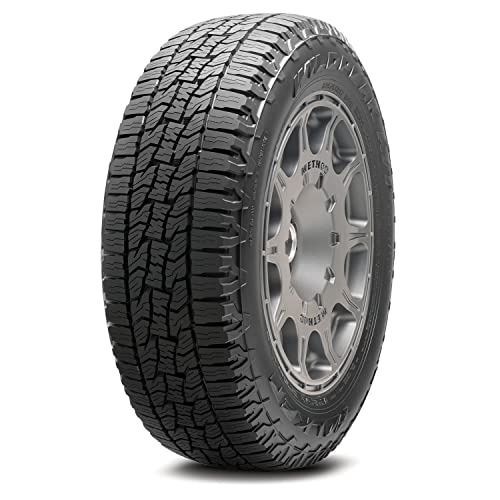


More Details on Our Top Picks
Pros
- Full-depth 3-D locking sipes support tread stability
- Comfortable, quiet road manners
- All-season traction for rain and light snow
- 60,000-mile limited treadwear warranty
Cons
- Tread favors maintained trails over deep mud
- Less aggressive sidewall tread than rugged off-road tires
BFGoodrich Trail-Terrain T/A pairs a road-friendly tread with enough bite for gravel roads and packed dirt. Its design suits the way many SUVs get used: steady pavement miles through the week, with occasional routes that leave the pavement behind.
Full-depth 3-D locking sipes cut across the tread blocks and help them stay stable as the tire wears. That tread stability promotes even wear, while the closely arranged blocks keep road noise in check and give you a comfortable ride. The tire also delivers all-season traction for rainy drives and light snow.
On unpaved roads, the tread gives you useful grip without the feel of a dedicated mud tire. BFGoodrich Trail-Terrain T/A also has a 60,000-mile limited treadwear warranty and a 60-day satisfaction guarantee. Its mix of quieter road manners, light trail ability, and long-wear design gives you a practical tire for varied SUV driving.
Bottom line: Choose this tire for an SUV that spends most of its time on pavement but takes regular trips onto gravel or packed dirt. It offers a balanced mix of comfort, everyday traction, and trail-ready durability.
Pros
- Three-Peak Mountain Snowflake rated
- Heat Diffuser technology manages sidewall heat
- Deep tread for varied terrain
- Durable sidewall construction
Cons
- Rugged tread can add road noise
- Less road-focused feel than a touring tire
Falken Wildpeak A/T4W uses a rugged all-weather tread for drivers who face changing conditions across the year. Its deep tread and durable sidewalls suit loose gravel, muddy tracks, and rocky routes, while the tread pattern still serves highway driving.
Falken’s Heat Diffuser technology manages heat around the lower sidewall, where heavy loads and long drives can build warmth. The tire also uses 3-D Canyon Sipes to add biting edges through the tread. Those features give you useful grip in snow and wet weather, and the A/T4W carries the Three-Peak Mountain Snowflake symbol for severe-snow service.
On the highway, the tire feels more at home than a full mud tire, though its robust tread favors trail strength over a quiet touring feel. The Falken Wildpeak A/T4W gives you a durable option for an SUV that regularly moves between pavement and rougher ground. Its all-weather focus also suits drivers who need one set of tires for changing seasons.
Bottom line: Consider it for an SUV that sees winter roads as well as rough trails. It suits drivers who put year-round traction and sturdy construction ahead of a quiet highway ride.
Pros
- Road-oriented all-terrain tread
- Suits paved routes and maintained gravel
- All-season design
- Practical fit for routine SUV driving
Cons
- Limited bite in deep mud
- Less suited to rocky, demanding trails
If your SUV spends most of its time on paved roads, the Goodyear Wrangler Territory AT offers a less aggressive take on all-terrain driving. Its tread gives you a path onto gravel and other firm unpaved surfaces without the heavily open look of a tire aimed at deep mud.
That road-oriented pattern suits everyday trips where quiet, predictable behavior matters as much as occasional trail access. The all-season design fits drivers who deal with changing weather and want a single tire for routine commuting and weekend outings. On packed dirt or gravel, the tread gives you basic all-terrain grip while keeping the tire’s focus on regular road use.
The Wrangler Territory AT has a straightforward role in the Goodyear Wrangler line: it brings light off-pavement ability to a familiar SUV tire format. It does not rely on a named specialty technology to make its case. Instead, its restrained tread design makes the most sense for drivers who want a practical balance for roads, driveways, and maintained trails.
Bottom line: This tire suits SUV drivers who mostly use paved roads and occasionally travel on maintained dirt or gravel. Pick it for a mild all-terrain tread rather than a trail-focused setup.
Pros
- TractionPlus Technology balances grip and durability
- Low road noise
- Wet-road traction
- 60,000-mile limited treadwear warranty
Cons
- Less suited to deep mud than aggressive all-terrain tires
- Not aimed at frequent rock crawling
Continental TerrainContact A/T uses TractionPlus Technology to balance pavement comfort with traction beyond the road. That focus makes it a useful fit for SUV drivers who want to reach campsites or gravel roads without giving up quiet highway miles.
Continental builds the tread to provide grip on wet roads and durability on rougher surfaces. Its road manners stand out in daily use: the tread keeps noise low, so long drives and conversation in the cabin feel less tiring. You still get an all-terrain tread for occasional dirt and gravel, not a pattern built only for smooth pavement.
Continental backs the TerrainContact A/T with a 60,000-mile limited treadwear warranty. That long-wear coverage pairs with the tire’s comfort-first design for drivers who rack up regular road mileage. The Continental TerrainContact A/T gives you a measured approach to trail driving, with wet-road grip and a quieter ride at its core.
Bottom line: Choose it for an SUV that racks up highway miles but still needs traction on gravel and firm trails. Its quiet ride and long treadwear coverage suit everyday driving.
Pros
- Three-Peak Mountain Snowflake rated
- Silica-enhanced compound for wet-weather grip
- Open shoulder grooves clear loose material
- Sipes add winter biting edges
Cons
- More tread noise than a highway tire
- Less specialized for deep mud than a mud-terrain tire
Toyo Open Country A/T III combines a substantial all-terrain tread with snow-rated performance. Its open shoulder grooves and tread blocks give loose dirt and gravel places to move through, while the pattern keeps enough contact on pavement for everyday driving.
Toyo uses a silica-enhanced tread compound to maintain grip in wet conditions and cold weather. The tire also carries the Three-Peak Mountain Snowflake symbol, which marks its performance in severe snow conditions. Sipes across the tread add extra biting edges, giving you more traction on winter roads than a basic all-season pattern.
On paved routes, the Open Country A/T III remains composed for an all-terrain tire, then gives you a more useful tread when the road turns to gravel or snow. Toyo Open Country A/T III is known for covering a broad range of driving without focusing only on one surface. Its tread design and winter rating make it a capable pick for drivers who split time between ordinary roads and seasonal trail trips.
Bottom line: This tire fits SUV drivers who need dependable traction on snow-covered roads and unpaved routes. It also suits drivers who want a capable tread for daily pavement use.
Pros
- Endurocore construction adds strength for loads
- Cut- and chip-resistant Enduro compound
- Three-Peak Mountain Snowflake rated
- 60,000-mile limited treadwear warranty
Cons
- Tread can produce more noise than a touring tire
- Less focused on deep mud than a mud-terrain tire
Yokohama Geolandar A/T G015 puts durability and winter traction at the center of its design. Its Endurocore construction adds strength for carrying loads, which can matter when your SUV travels with passengers or gear on rough roads.
Yokohama uses a cut- and chip-resistant Enduro compound to stand up to gravel and rocky surfaces. The tire also carries the Three-Peak Mountain Snowflake symbol, so you get a tread built for severe snow conditions as well as ordinary wet roads. That mix gives you more seasonal range than a basic all-season tire.
The Geolandar A/T G015 has a 60,000-mile limited treadwear warranty, and Yokohama offers a 30-day satisfaction guarantee. In day-to-day driving, its all-terrain tread covers pavement, dirt roads, and winter routes without narrowing its focus to one surface. Yokohama Geolandar A/T G015 is a durable, all-weather design for drivers who value load support and year-round use.
Bottom line: Consider it for an SUV that carries gear and encounters gravel or winter weather. It pairs sturdy construction with a useful mix of road and trail traction.
Pros
- Tread extends down the sidewall
- Connected center lugs add snow traction
- Three-Peak Mountain Snowflake rated
- Tread resists cuts and tearing
Cons
- Sidewall tread can feel less refined on pavement
- Not a dedicated tire for deep mud
Cooper Discoverer Road+Trail AT runs its tread pattern farther down the sidewall than a conventional road tire. The angled sidewall lugs give you extra tread area along the shoulder, where soft dirt or uneven ground can challenge a tire.
Interlocking tread blocks help the tire hold a steady line on wet pavement and uneven surfaces. Connected center lugs add stability and traction on snow, and the tire carries the Three-Peak Mountain Snowflake symbol for severe-snow service. Cooper also shaped the tread to wear evenly and resist cuts, cracks, and tears on demanding routes.
For everyday driving, the Road+Trail AT aims for a smoother, quieter ride than a more trail-focused pattern. It gives you a useful balance for city streets, winter roads, and occasional off-pavement travel. Cooper Discoverer Road+Trail AT puts its sidewall tread and linked center lugs to work when the route turns rough or snowy.
Bottom line: Pick it for an SUV that faces snow and uneven roads but still needs comfortable street manners. Its sidewall tread also suits drivers who regularly leave pavement for maintained trails.
Pros
- Made for crossovers and smaller SUVs
- 3-D Canyon Sipe Technology
- Three-Peak Mountain Snowflake rated
- 65,000-mile limited treadwear warranty
Cons
- Not built for heavy truck loads
- Less suited to rough rock trails than a truck all-terrain tire
Falken Wildpeak A/T Trail brings all-terrain tread to smaller SUVs and crossovers without aiming for the heavy-duty feel of a full truck tire. Its purpose suits drivers who take a crossover onto forest roads, gravel, or snowy routes but use it mainly for daily travel.
Falken’s 3-D Canyon Sipe Technology adds biting edges across the tread blocks. Increased tread depth gives those edges room to work in winter conditions, offering more snow traction than a traditional all-season design. The tire also carries the Three-Peak Mountain Snowflake symbol for severe-snow service.
On pavement, its crossover-focused design keeps everyday driving in view while still giving you tread for unpaved routes. Falken backs the Wildpeak A/T Trail with a 65,000-mile limited manufacturer treadwear warranty. Falken Wildpeak A/T Trail makes the most of its compact-SUV role by pairing winter-ready grip with an all-terrain pattern for lighter off-road use.
Bottom line: This tire fits crossover owners who want winter traction and occasional trail access without a heavy truck-style tread. It also suits drivers who value a long treadwear warranty.
Pros
- Low road noise
- Balanced pavement and off-road traction
- Durable construction for rough surfaces
- Up to 60,000-mile treadwear coverage
Cons
- Less aggressive tread for deep mud
- Not a specialized tire for rock crawling
General Grabber APT focuses on a calm ride alongside useful all-terrain traction. Its tread balances off-road grip with road manners, so you can take your SUV onto gravel without carrying a highly aggressive pattern through every highway mile.
General Tire also tunes the Grabber APT for low road noise, which can make regular drives more comfortable. Its durable construction handles the rougher contact that comes with off-road use, while the all-terrain tread gives you traction across paved and unpaved surfaces. That balance suits drivers who take occasional trips onto dirt roads but still rely on their SUV every day.
The Grabber APT has limited manufacturer treadwear coverage for up to 60,000 miles. Its long-wear design and quiet ride give the tire a road-friendly character, while its tread keeps light off-road use within reach. General Grabber APT is a practical option for drivers who want one set of tires for commuting and weekend routes on firm trails.
Bottom line: Choose it for an SUV that sees plenty of pavement and occasional gravel or dirt roads. The quiet ride and long treadwear coverage suit regular road use.
Pros
- CoreGard Technology strengthens sidewall protection
- Advanced Deflection Design deflects sticks and stones
- Serrated shoulders add loose-surface grip
- 50,000-mile treadwear warranty
Cons
- Rugged tread can add highway noise
- Less road-focused than a mild all-terrain tire
BFGoodrich All-Terrain T/A KO3 builds its reputation around sidewall toughness and trail durability. CoreGard Technology draws on BFGoodrich’s Baja racing experience, while the Advanced Deflection Design directs sticks and stones away from vulnerable sidewall areas.
A new tread pattern and all-terrain compound give the KO3 a durable base for gravel and rough ground. Serrated shoulders add bite on loose surfaces, and mud-phobic bars help clear mud from the tread. The tire also builds on the KO line’s snow and mud traction, giving you a rugged option for varied trail conditions.
On pavement, the KO3 still serves as an all-terrain tire for SUVs and light trucks, but its construction puts trail protection first. BFGoodrich backs the All-Terrain T/A KO3 with a 50,000-mile limited treadwear warranty and a six-year standard limited warranty. BFGoodrich All-Terrain T/A KO3 suits drivers who expect their tires to face rough, rocky routes.
Bottom line: Buy it for an SUV that regularly travels over rocky or rough trails and needs tough sidewall protection. Its tread and construction suit demanding off-road use.
Factors to Consider When Choosing All Terrain Tires for SUVs
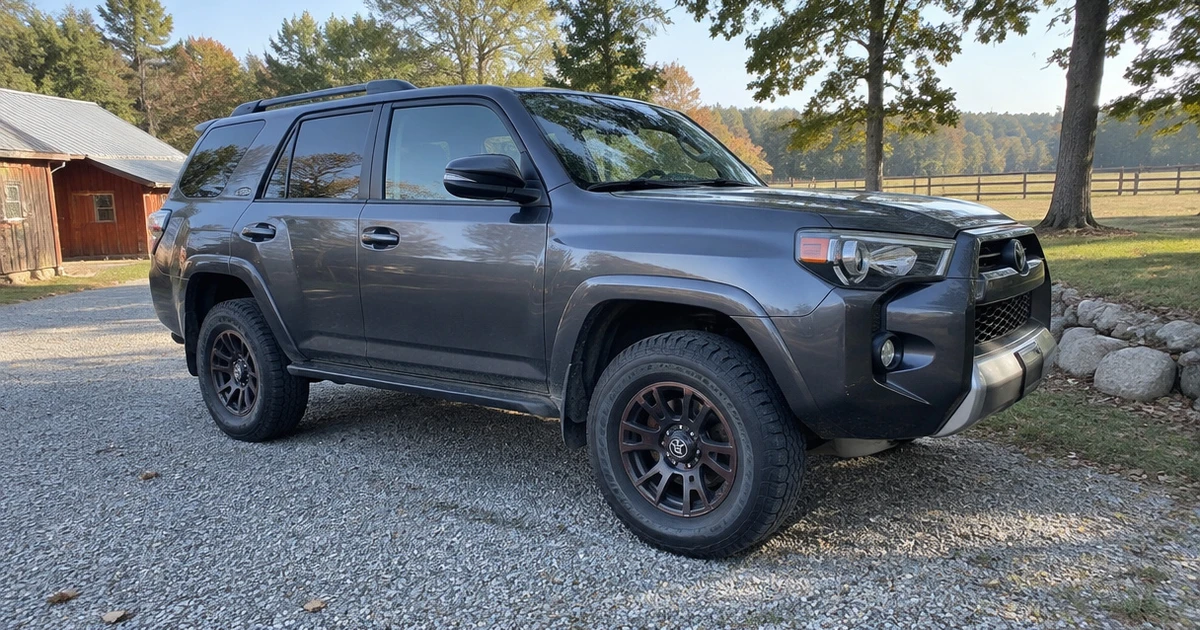
All-terrain tires trade some road comfort for extra grip away from pavement, and the right balance depends on your routes and SUV. Use these checks to match the tread, winter ability and load rating to the work you expect the tires to do.
Match the Tread to Your Routes
Start with the roads you drive most, not the roughest place you might visit once a year. If most miles fall on pavement, choose an all-terrain tread with closely grouped blocks and stable center ribs; these features usually track and brake more calmly than widely spaced, aggressive lugs. Frequent gravel or dirt calls for open shoulder grooves that can clear loose material.
For mud, deep voids and strong side lugs can help a tire bite, but they can add noise and feel less settled at speed. Rock travel puts more value on sidewall protection and a tread design that can resist cuts. Check trail access and your SUV’s clearance too: tires cannot make a low vehicle safe on every route.
Check Winter and Wet-Weather Grip
All-terrain tread depth alone does not show how a tire behaves in winter. Check for the Three-Peak Mountain Snowflake sidewall mark if you drive on packed snow; it means the tire passed a defined snow traction test. An M+S mark alone does not show that the tire passed that test.
A snow-rated all-terrain tire still cannot match a dedicated winter tire on ice. If you face freezing rain, steep hills or frequent snow, weigh winter tires or seasonal swaps. In warm, wet climates, focus on rain grip and drainage; wide channels help move water away from the tread.
| Marking | What it tells you | Practical note |
|---|---|---|
| M+S | Tread pattern for mud and snow | No severe-snow test |
| Three-Peak Snowflake | Meets a set snow traction threshold | Better snow credentials |
Confirm Size and Load Capacity
Your SUV’s door placard or owner’s manual gives the right size to start with. The tire must meet the vehicle’s load index and speed rating; matching only width and wheel diameter can leave you with too little capacity or the wrong rating.
- Match the full size code, including wheel diameter.
- Choose a load index at least as high as the vehicle requires.
- Keep the specified speed rating unless a qualified tire professional confirms an approved alternative.
If you tow, haul gear or carry several passengers often, pay close attention to the load capacity on the tire label. A higher load range can add capacity at the right pressure, but it can also make the ride firmer. Never exceed the SUV’s stated limits or use sidewall maximum pressure as your normal target.
Weigh Comfort Against Road Handling
Tread blocks and shoulder gaps affect noise, steering feel and ride comfort. Tighter patterns often run more quietly on pavement, while large voids and stiff tread blocks can hum or feel busy on long trips. If your SUV spends most of its time commuting, look for a road-focused all-terrain pattern and check whether the tire maker lists a comfort or noise feature.
Also think about wet pavement. Deep grooves can move water, but tread shape and rubber compound both affect grip, so avoid judging rain performance by appearance alone.
If possible, compare independent road tests for wet braking and handling, then match those results to your usual speeds and climate. A softer ride matters more on rough local roads than on smooth highways.
Review Wear and Maintenance Needs
Check the treadwear warranty as a sign of the use the maker expects, but read its terms rather than treating a mileage figure as a promise. Coverage may depend on rotation records, alignment, proper inflation and even wear. Aggressive off-road driving can wear tread faster than steady highway use, so choose a tire that fits the miles and terrain you actually cover.
After installation, follow the vehicle’s pressure label, rotate on schedule and fix alignment or suspension issues early. Inspect the tread and sidewalls after rough trips; cuts, bulges or uneven wear call for prompt attention from a tire shop. Keep a record of rotations if the warranty requires it, and replace tires before worn tread compromises wet or snow traction.
Frequently Asked Questions
Are all-terrain tires good for daily driving?
Yes, many all-terrain tires work well for daily SUV use, especially designs with tighter tread blocks and a less aggressive shoulder. Expect more road sound and a slightly different ride feel than with a highway tire. Check wet braking and comfort reports for the roads you use most.
Can all-terrain tires handle snow?
Some all-terrain tires carry the Three-Peak Mountain Snowflake mark, which shows they passed a defined snow traction test. That helps in packed snow, but it does not make them winter tires for every condition. Dedicated winter tires usually grip better on ice and in severe cold.
How long do all-terrain tires last?
Tread life varies with the tire’s rubber compound, tread pattern, vehicle weight, alignment, pressure and driving habits. Highway use usually wears an all-terrain tire more slowly than frequent off-road travel, hard cornering or heavy towing. Check tread depth often and rotate on the schedule your vehicle maker recommends.
Do all-terrain tires reduce fuel economy?
Often, yes, though the effect depends on the tire and how you drive. Open tread blocks and extra weight can increase rolling resistance compared with a highway tire, which may reduce fuel economy. Correct pressure, smooth acceleration and regular alignment help limit avoidable losses.
Should you replace all four tires at once?
Replacing all four at once keeps tread depth consistent, which matters for handling and can protect some all-wheel-drive systems. If one tire fails early, ask a tire professional whether the remaining tires can safely match it in size and tread depth. Follow your SUV maker’s replacement guidance for its drivetrain.