
This post may contain affiliate links. As an Amazon Associate I earn from qualifying purchases. If you choose to make a purchase, I may earn a small commission at no extra cost to you.
Your Jeep Renegade needs tires that fit its trim and suit the roads you drive most. A tire that works well on dry pavement may feel less sure in heavy rain, while an aggressive tread can add noise to your daily commute. Replacing the set without checking the factory size, load rating, and speed rating can affect handling and wear.
Start with your weather, mileage, and route mix. Look for dependable wet braking, steady cornering, and a comfort level you can accept, then decide whether snow grip or light-trail traction deserves more weight. The best tires for Jeep Renegade you can buy in 2026 span quiet touring choices, long-wearing designs, all-weather options, and tougher tires for unpaved roads.
Our Top Jeep Renegade Tires Picks




More Details on Our Top Picks
Pros
- Three-peak mountain snowflake rating for severe snow
- V-shaped tread moves water away
- 3D SipeLock technology adds biting edges
- Confident wet and dry braking
Cons
- More road noise than a basic touring tire
- Costs more than many standard all-season options
The distinctive V-shaped tread on the Michelin CrossClimate2 channels water away and gives the tire a sure-footed feel on wet roads. Its Thermal Adaptive Tread Compound stays flexible across changing temperatures, while the tread design also earns the three-peak mountain snowflake rating for severe snow traction.
Michelin’s 3D SipeLock technology adds biting edges for grip and helps the tread blocks stay stable under braking. In everyday driving, you get confident stopping on wet and dry pavement, along with steering that feels composed through turns.
The Michelin CrossClimate2 is a useful year-round option when your Renegade sees rain, warm pavement, and occasional snow. Its winter-focused design gives you more cold-weather traction than a basic all-season tire, without requiring a seasonal tire swap.
The tread can produce a little more road sound than a conventional touring tire, but the trade comes with added winter grip. You also get a design built to retain useful traction as the tread wears.
Bottom line: Choose the Michelin CrossClimate2 if you want one tire for year-round driving and regular winter weather. It suits Renegade owners who value cold-weather grip as much as wet-road control.
Pros
- 80,000-mile limited treadwear warranty
- Locking 3-D Sipes add wet and dry grip
- Designed for extended tread life
- Stable handling for paved roads
Cons
- Not designed for serious off-road use
- Deep snow calls for a dedicated winter tire
Long tread life is the main reason the Michelin Defender2 deserves a place on your Renegade shortlist. Michelin redesigned the tire for lasting wear and backs it with an 80,000-mile limited treadwear warranty, giving you a clear signal of its touring focus.
Locking 3-D Sipes create extra edges for grip, then help keep the tread blocks firm when you brake. That design gives the Defender2 steady stopping on wet and dry pavement, with a calm, predictable feel during routine trips.
You’ll notice its road manners most on commutes and longer highway drives. The tread favors even wear and stable handling over an aggressive trail feel, so the tire suits a Renegade that spends most of its time on pavement.
The Defender2 also carries a six-year standard limited warranty. Its all-season tread handles ordinary rain and changing temperatures, while the tread life focus makes it a practical option for drivers who cover a lot of road miles.
Bottom line: The Michelin Defender2 fits Renegade drivers who rack up highway miles and want a long-wearing touring tire. Pick it for regular pavement driving rather than trail use.
Continental CrossContact LX25

Pros
- EcoPlus Technology balances efficiency and wet grip
- Quiet tread pattern
- Responsive year-round handling
- Up to 70,000-mile limited tread life coverage
Cons
- Less suited to rough trails
- Not a dedicated severe-snow tire
A quiet cabin and a settled ride define the Continental CrossContact LX25. Its tread pattern limits road noise, while Continental’s EcoPlus Technology balances fuel-saving rolling resistance with wet-road braking and tread life.
That mix suits the daily rhythm of a Jeep Renegade, from stop-and-go traffic to longer highway runs. The tire responds smoothly to steering inputs, and its all-season tread keeps handling consistent as the weather shifts.
Continental designed the LX25 for crossover and SUV use, so it brings a more composed road feel than a rugged off-road tread. On wet pavement, the design focuses on short braking distances and dependable traction rather than a sporty, firm response.
You can also get up to 70,000 miles of limited manufacturer tread life coverage. The CrossContact LX25 gives you a comfortable touring character without giving up the wet-weather control that matters in everyday driving.
Bottom line: Choose the Continental CrossContact LX25 for a quieter, more comfortable Renegade commute. It works best for drivers who spend most of their time on paved roads.
Pros
- Comfortable touring ride
- Asymmetric tread design
- All-season traction for changing conditions
- Predictable steering on paved roads
Cons
- Not built for rugged off-road driving
- Lacks a severe-snow rating
Comfortable touring manners sit at the heart of the Pirelli P7 AS Plus 3. Its all-season tread balances grip and a smooth road feel, giving your Renegade composed handling during routine city trips and highway drives.
The tread pattern uses an asymmetric layout to manage contact with the road as you steer and brake. Pirelli pairs that design with an all-season rubber compound for dependable traction in changing weather, including wet pavement.
The Pirelli P7 AS Plus 3 feels more at home on paved roads than on rough tracks. Its touring focus favors a settled ride and predictable steering, rather than the chunky tread and loose-surface bite you’d look for in a trail tire.
In day-to-day use, you get a comfortable tire for common driving conditions without a harsh, performance-focused feel. It’s a straightforward fit for Renegade duty that centers on commuting, errands, and road trips.
Bottom line: The Pirelli P7 AS Plus 3 suits Renegade drivers who want a comfortable tire for everyday paved-road use. Consider it for commuting and road trips in mild winter conditions.
Pros
- AquaTred Technology moves water and slush
- Severe-snow rating
- Evolving grooves maintain water evacuation
- Comfort inserts reduce bumps and vibration
Cons
- Less precise than a summer performance tire
- Tread prioritizes grip over off-road toughness
Water-clearing grooves give the Goodyear Assurance WeatherReady 2 its strongest everyday advantage. AquaTred Technology uses sweeping channels to move water and slush from the contact area, helping the tire hold its line when roads turn slick.
Its specialized tread compound stays adaptable through seasonal temperature swings, and the tire carries the three-peak mountain snowflake rating for severe snow service. Evolving Traction Grooves expose fresh channels as the tread wears, keeping water evacuation part of the tire’s design over time.
Goodyear also uses comfort inserts to soften road bumps and steady steering during lane changes. A multi-pitch tread pattern varies the size of the blocks to reduce the repetitive sound that tires can make on long drives.
The Assurance WeatherReady 2 gives your Renegade year-round traction with a clear emphasis on wet roads and winter conditions. Its mix of grip and ride comfort suits daily driving through unpredictable weather.
Bottom line: Pick the Goodyear Assurance WeatherReady 2 if rain and winter weather shape your daily driving. It’s a good fit for a Renegade that stays on paved roads through all four seasons.
Pros
- Multi-pitch tread limits road noise
- Compound resists irregular wear
- Tread moves water and slush away
- Comfortable feel for highway driving
Cons
- Not intended for rugged trails
- No severe-snow rating
A multi-pitch tread pattern helps the Bridgestone Turanza EverDrive keep road noise and vibration in check. That quiet, smooth character suits a Renegade that spends its days on commuter routes and highways.
Bridgestone uses a next-generation compound designed to resist irregular and premature wear. The compound pairs with a tread pattern that channels water and winter slush away, giving you steadier control when pavement gets wet or cold.
In daily use, the Turanza EverDrive leans toward comfort and predictable road manners. Its tread avoids the rough, chunky feel of an off-road tire, and the pattern’s changing block sizes help soften the tire’s sound inside the cabin.
This is a touring tire for regular road use, with design choices aimed at a calm drive and more even wear. The Bridgestone Turanza EverDrive makes sense for Renegade owners who value a smooth ride during ordinary commutes.
Bottom line: The Bridgestone Turanza EverDrive is a fit for Renegade drivers who want a quiet, comfortable daily tire. Choose it for paved-road use in changing but not severe winter weather.
Pros
- Designed for crossovers and smaller SUVs
- 3D Canyon Sipe Technology adds winter grip
- Three-peak mountain snowflake rating
- 65,000-mile limited treadwear warranty
Cons
- More road noise than a touring tire
- Not suited to deep mud or rough rock
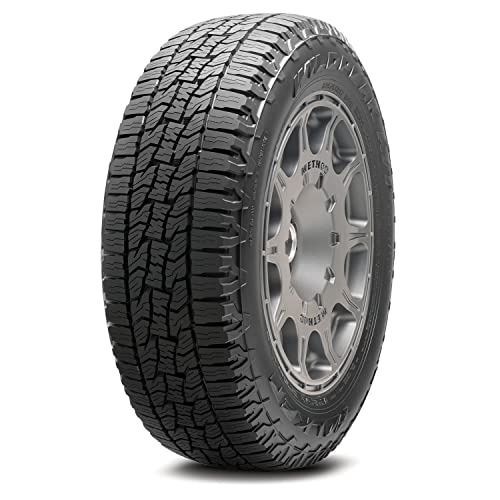
The Falken Wildpeak A/T Trail gives your Renegade a more adventurous tread without turning it into a heavy-duty off-road tire. Falken designed the line for crossovers and smaller SUVs that split time between pavement and light trails.
Its 3D Canyon Sipe Technology adds biting edges for grip, while the deeper tread gives you more winter traction than a traditional all-season design. The tire carries the three-peak mountain snowflake rating, so it can handle severe-snow conditions as well as dry and wet roads.
On paved routes, the tread keeps steering predictable for an all-terrain tire. Once the pavement ends, its more pronounced pattern offers extra traction on gravel and packed dirt, where a standard touring tread can feel out of place.
Falken backs the Wildpeak A/T Trail with a 65,000-mile limited treadwear warranty. The tire still favors light-duty adventures over deep mud or rocky off-road work, keeping its crossover focus clear.
Bottom line: The Falken Wildpeak A/T Trail suits Renegade owners who use gravel roads and light trails along with pavement. Its winter rating also makes it a useful pick for snowy conditions.
Pros
- Micro-silica compound improves wet traction
- Sipes add grip in cold weather
- Quiet staggered multi-pitch tread
- 65,000-mile limited treadwear warranty for standard fitments
Cons
- Not designed for rocky off-road routes
- Less capable than a dedicated winter tire in deep snow
The Yokohama Geolandar CV G058 pairs a quiet tread with added biting edges for colder weather. Its staggered multi-pitch pattern reduces the steady hum you can hear on longer drives, while combined 2D and 3D sipes add grip on ice, slush, and snow.
Yokohama uses a micro-silica rubber compound to build wet traction and support longer tread life. Chamfered ribs keep more of the tread in contact with the road, which encourages even wear and steady handling.
For a Renegade used mainly on paved routes, the Geolandar CV G058 offers a comfortable, composed feel. Its serrated outer grooves add more edges for traction, while the tread pattern keeps the ride from feeling harsh on everyday trips.
The tire comes with a 65,000-mile limited treadwear warranty for standard fitments. Yokohama gives you an all-season crossover design that pays attention to both wet-road control and cabin comfort.
Bottom line: Consider the Yokohama Geolandar CV G058 for a Renegade that mainly sees city streets and highways. It combines a quiet ride with useful traction in wet and cold weather.
Pros
- Comfort Balance Technology reduces road vibration
- Visual Alignment Indicators show uneven wear
- Replacement Tire Monitor tracks tread wear
- Symmetric tread supports consistent handling
Cons
- Limited traction in deep snow
- Not built for trail driving
General’s AltiMAX RT45 focuses on steady road manners for everyday driving. Its symmetric tread pattern supports consistent handling, and the siped tread blocks add edges for grip as wet or dry conditions change.
Comfort Balance Technology places a layer beneath the tread to soften road vibration. General also uses Visual Alignment Indicators to help show uneven wear patterns, while the Replacement Tire Monitor makes tread wear easier to track.
On your Renegade, the AltiMAX RT45 has the calm feel you want from a touring tire on commutes and highway runs. Its tread favors paved-road comfort and consistent contact over the loose-surface bite of an all-terrain design.
The line’s mix of ride comfort and all-season handling makes it a practical everyday option. The AltiMAX RT45 keeps its design focused on familiar roads, where quiet operation and predictable steering matter most.
Bottom line: The General AltiMAX RT45 suits Renegade drivers who want a comfortable touring tire for regular paved-road use. It’s a practical pick for commutes and highway trips.
Pros
- Computer-optimized tread for a comfortable ride
- Four center grooves channel water
- All-season tread for changing conditions
- Predictable highway handling
Cons
- Limited grip in deep snow
- Not suited to off-road use
A computer-optimized tread design gives the Hankook Kinergy PT a comfortable highway feel. Its touring pattern focuses on smooth, predictable handling for daily drives and longer road trips in a range of ordinary weather.
Four wide center grooves move water away from the tread, helping the tire maintain grip on wet pavement. The groove layout also reduces the chance of hydroplaning when you drive through standing water.
The Kinergy PT’s all-season tread and radial construction suit a Jeep Renegade that spends most of its time on paved roads. It favors comfort and consistent handling rather than the sharper response or loose-surface grip of a specialized tire.
Hankook designed this line for passenger vehicles and crossovers, with a tread pattern that supports a steady ride on the highway. The Kinergy PT makes long stretches of road feel composed while still covering everyday wet-road needs.
Bottom line: The Hankook Kinergy PT fits Renegade drivers who spend a lot of time commuting or traveling on highways. Choose it for comfort and steady wet-road handling.
Factors to Consider When Choosing Tires for Jeep Renegade
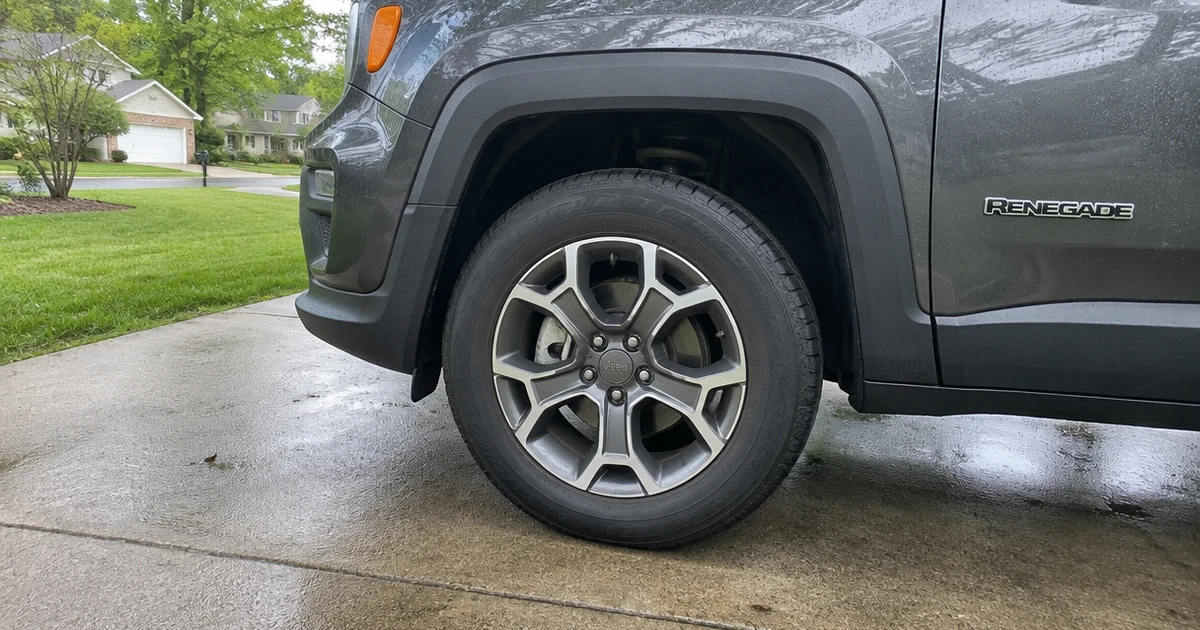
Start with the Renegade’s factory requirements, then match your tires to the weather, roads, and mileage you face most. A small trade-off in noise or winter grip can matter more than a feature you rarely use.
Tire Size and Ratings
Read the tire placard on the driver-side door jamb and the owner’s manual before you shop. Match the full size, including width, aspect ratio, and wheel diameter.
Meet the listed load index and speed rating, and do not go below either. Renegade trims and model years can use different fitments, so a size that suits another version may not fit yours.
Use this quick check before you order. Confirm the following:
- The placard’s size, load index, and speed rating.
- Clearance if you choose an approved alternate size.
- Manual guidance on tread-depth differences for all-wheel drive.
A tire shop can verify alternate fitment and speedometer effects. Keeping the factory wheel size can simplify your choice.
Weather and Seasonal Traction
Choose tires for the coldest conditions you regularly face, not just the average forecast. Standard all-season tires suit mild winters, while all-weather tires carry the Three-Peak Mountain Snowflake symbol for meeting a defined snow-traction threshold.
That symbol does not make a tire a winter tire or promise strong grip on ice. Dedicated winter tires use cold-weather compounds and tread designs that stay flexible in freezing temperatures, but you need to change them when seasons shift.
Prioritize deep grooves and plentiful siping if rain is common. Use the chart as a starting point, then match it to your local roads.
| Tire type | Good match | Main trade-off |
|---|---|---|
| All-season | Mild winter, year-round use | Less grip in severe snow |
| All-weather | Frequent snow, one set year-round | More wear in warm months |
| Winter | Regular ice or deep snow | Seasonal changeover and storage |
Roads and Tread Design
Think about where you drive most, since your Renegade may spend nearly all its time on pavement. For paved commutes, a touring tread with closely packed blocks often keeps steering calm and road noise lower.
If your regular route includes gravel or maintained dirt roads, look for a more open tread with sturdy shoulder blocks and added sidewall protection. Those features can help resist cuts and find grip on loose ground.
An aggressive all-terrain pattern can sound louder and feel less smooth on pavement. Match the tread to the share of your driving that takes place off-road, rather than a rare trip you might take.
Ride Comfort, Noise, and Efficiency
Ride quality depends on more than a tire’s label. A touring design with a flexible casing and closely spaced tread blocks can soften small bumps and limit hum, while a stiff, open tread can send more vibration into the cabin.
For longer highway trips, compare independent tests for wet braking, cabin noise, and stability, not just comfort claims. A larger wheel with a shorter sidewall can make impacts feel sharper, so keep the factory wheel size if comfort matters most.
Correct pressure matters too: follow the door placard, since overinflation can make the ride harsh and underinflation can increase heat and wear. Check pressure monthly when the tires are cold.
Tread Life and Upkeep
Use a treadwear warranty as a comparison point, but treat its mileage as a conditional promise, not a lifespan guarantee. Coverage often depends on proper inflation, regular rotations, and remaining tread, while driving style and alignment also affect wear.
A higher UTQG treadwear grade can point to a harder-wearing tread, but use it mainly to compare options from the same maker. It does not predict your exact mileage.
If you drive many highway miles, a touring tire with a longer treadwear warranty may suit you. Check pressure monthly, rotate on schedule, and inspect for uneven wear or damage.
Frequently Asked Questions
How do I confirm tire size?
Read the tire placard on the driver-side door jamb, then compare its full size and load and speed ratings with the tire you plan to buy. Check your owner’s manual too, especially if your Renegade has a different wheel package. Do not choose a size based only on another Renegade’s setup.
Can I use all-terrain tires for everyday driving?
Yes, if your routes include regular gravel or dirt, but match the tread to how often you leave pavement. Open blocks and tougher sidewalls can help on loose, rough surfaces. On mostly paved commutes, that tread may add road hum and a firmer ride, so a road-focused pattern often makes more sense.
Should I replace all four tires at once?
Replacing all four keeps grip and handling more even, especially on all-wheel-drive models that can react poorly to large tread-depth differences. Check the owner’s manual for its limit. If only one tire has damage, ask a tire shop whether a matching replacement can safely pair with the other three.
Are all-season tires enough for winter?
That depends on winter conditions. Standard all-season tires can handle cool weather and occasional light snow, but they lose grip in sustained freezing temperatures and on packed snow or ice. If you regularly drive through severe winter weather, choose tires with a recognized severe-snow rating or use dedicated winter tires.
How often should I rotate my tires?
Follow the rotation schedule in your owner’s manual, since the interval can vary with tire type and driving conditions. Regular rotation helps even out wear, especially when the front tires carry more steering and braking work. Check pressure at the same time, and ask for an alignment check if wear looks uneven.