
This post may contain affiliate links. As an Amazon Associate I earn from qualifying purchases. If you choose to make a purchase, I may earn a small commission at no extra cost to you.
SUVs can feel planted on dry roads yet slide quickly on packed snow or black ice. Your stock all-season tires may lose grip as temperatures fall, especially during early braking and turns. Choosing winter tires means sorting through tread styles, rubber compounds, and trade-offs like road noise and faster wear on warm pavement.
Start with how you drive: a steep rural route calls for different strengths than a cleared city commute. The best snow tires for SUVs you can choose in 2026 should fit your vehicle, match your winter conditions, and give you the grip you need without adding trade-offs you cannot live with. The options below cover a range of driving needs.
Our Top Snow Tires for SUVs Picks





More Details on Our Top Picks
Pros
- Water-dispersing Multi-Cell compound targets slippery ice
- Bite particles add grip on icy roads
- Tread edges cut through snow and slush
- Even contact pressure supports stable handling
Cons
- Soft winter compound wears faster in warm weather
Bridgestone Blizzak DM-V2 uses a porous Multi-Cell compound to tackle one of winter driving’s hardest problems: the thin film of water that forms on ice. Tiny pores pull that water away from the contact patch, while bite particles in the compound add grip on slick surfaces.
Its tread pattern adds more block edges to cut into snow and slush. Those edges work with broad grooves that move slush out from under the tire, giving you steadier traction as conditions change.
Bridgestone also shaped the contact patch to spread pressure evenly across the road. That design gives the Blizzak DM-V2 a stable feel when you brake or turn on snow and ice, rather than concentrating grip in just part of the tread.
On packed snow, the tread blocks create plenty of biting edges for acceleration and controlled cornering. The tire’s winter-focused rubber stays pliable in cold weather, and the Multi-Cell compound gives it a clear focus on icy roads.
Bridgestone backs the Blizzak DM-V2 with a winter tire limited warranty. Its mix of ice-focused compound, snow grip, and predictable handling makes it a well-rounded winter option for SUVs.
Bottom line: Choose the Bridgestone Blizzak DM-V2 if ice and packed snow feature often on your winter routes. It gives SUV drivers a strong balance of braking grip and steady handling.
Pros
- Flex-Ice 2.0 compound stays pliable in cold
- Cross Z sipes add biting edges
- Full-depth siping maintains tread edges as it wears
- SUV line includes electric vehicle applications
Cons
- Steering feels softer on warm, dry pavement
For SUV drivers who face long stretches of cold, icy pavement, Michelin X-Ice Snow SUV puts winter braking near the center of its design. Its Flex-Ice 2.0 compound stays pliable in low temperatures, while the directional tread works to maintain grip on snow and ice.
Cross Z sipes create extra biting edges across the tread blocks. Their interlocking shape adds stability as the blocks flex, which can make steering feel more controlled on slick roads.
The wide grooves channel water and slush away from the contact patch, and the full-depth sipes keep creating edges as the tread wears. That combination makes the Michelin X-Ice Snow SUV useful through changing winter conditions, from fresh snow to wet, icy streets.
Michelin also makes this line for crossovers and SUVs, including electric vehicles. The Flex-Ice 2.0 compound and full-depth siping give it a winter-focused feel without relying on metal studs for traction.
On clear, cold roads, the tread stays composed and gives you predictable steering. Warm pavement can make its soft winter rubber feel less precise than a tire built for mild weather.
Bottom line: Michelin X-Ice Snow SUV suits drivers who put icy-road braking high on their list. It also fits SUV owners who want a studless winter tire for an electric vehicle.
Pros
- Arctic Grip Crystals add grip on ice
- Double Block Grip improves handling on snow
- Aramid sidewalls resist punctures and impacts
- Winter Safety Indicator shows remaining tread depth
Cons
- Studless tread lacks metal-stud bite on polished ice
Arctic Grip Crystals give Nokian Hakkapeliitta R5 SUV an unusual way to hold onto ice without metal studs. These small particles sit within the tread and act like built-in grip elements, so the tire keeps biting into slick surfaces as the tread wears.
Nokian’s Double Block Grip design pairs different tread block shapes to improve traction and steering control. The blocks work together on snow, helping the tire stay planted as you accelerate or turn.
Aramid Strong Sidewalls add a layer of toughness against punctures and impacts. That extra strength suits heavier SUV use, while Nokian’s Winter Safety Indicator lets you check remaining tread depth from the tire itself.
The compound also uses natural rubber, plant-derived oils, and pine resin. These materials reduce reliance on petroleum-based ingredients while keeping the tread suited to cold conditions.
Nokian Hakkapeliitta R5 SUV brings its Arctic Grip Crystals together with a sturdy sidewall design and clear tread wear markings. As a studless tire, it still cannot match metal studs on polished ice, but it delivers winter grip without them.
Bottom line: Nokian Hakkapeliitta R5 SUV fits drivers who want studless traction for snow and ice, plus extra sidewall protection. Its built-in tread indicator also makes wear easier to track.
Pros
- ENLITEN technology balances winter grip and efficiency
- 3D sipes add biting edges and block stability
- Studless design suits daily winter road use
Cons
- Passenger-car focus limits SUV applications
- Less suited to deep snow than a dedicated SUV tire
Bridgestone Blizzak 6 brings a performance focus to studless winter driving. Its ENLITEN technology pairs a winter compound with a tread design meant to balance grip in snow, wet weather, and cold conditions.
Zigzag 3D sipes create biting edges across the tread blocks. Their interlocking shape helps the blocks hold their form through turns, which gives you more direct steering than a loose, heavily flexing tread.
The Blizzak 6 has a passenger-car focus rather than an SUV-specific design. Its winter tread can suit some crossovers, but the line does not target larger SUV applications.
On cold, clear pavement, the performance-oriented tread gives the tire a more controlled feel than a soft, purely snow-focused design. The 3D zigzag sipes help it keep traction as you move from wet pavement onto snow-covered roads.
Bridgestone’s ENLITEN approach also focuses on tread life and efficiency alongside winter grip. The result gives drivers a studless option for daily winter travel when steering response matters.
Bottom line: Bridgestone Blizzak 6 fits drivers who need a performance winter tire for a compatible crossover. It is a poor match for larger SUVs that need a dedicated SUV tire.
Pros
- PolarPlus Technology keeps the tread flexible in cold
- Meets severe-snow service requirements
- Tread supports braking on winter roads
- Includes a trial period and roadside assistance
Cons
- Steering feels softer on warm, dry pavement
Continental’s PolarPlus Technology gives VikingContact 7 its main cold-weather advantage. The rubber compound stays flexible as temperatures fall, helping the tread keep contact with snow, ice, and cold pavement.
The tread combines biting edges with grooves that move water and slush away from the road contact area. That layout gives the Continental VikingContact 7 useful traction during braking and cornering, not just when you pull away from a stop.
This tire carries the Three-Peak Mountain Snowflake mark, which means it meets severe-snow service requirements. Its PolarPlus compound supports grip through cold spells, while the tread works across snow and wet winter roads.
Continental includes a 60-day trial and three years of roadside assistance with the tire. Those benefits add practical backup for winter driving, especially if a trip brings an unexpected tire problem.
In day-to-day use, the VikingContact 7 leans toward dependable winter traction instead of sporty steering. Its softer cold-weather rubber can feel less crisp on warm, dry roads than a summer touring tire.
Bottom line: Continental VikingContact 7 suits drivers who need reliable grip through cold, snowy seasons. The trial period and roadside assistance add useful support for regular winter travel.
Pros
- Directional tread channels slush away
- Dense sipes create biting edges
- Winter compound stays flexible in cold
- Useful traction on cleared winter roads
Cons
- Passenger-car focus limits larger SUV use
- Steering feels less sharp on dry roads
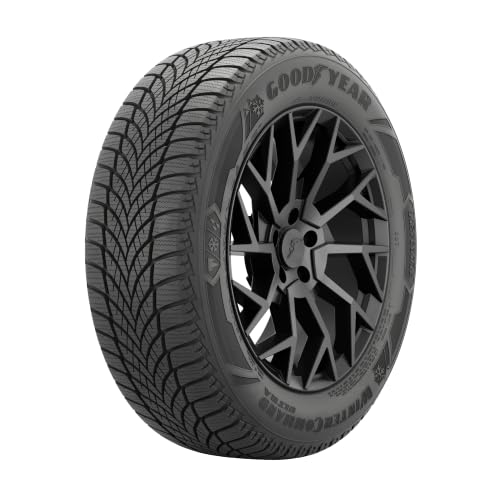
Slush and changing winter road conditions call for a tread that can clear water as well as bite into snow. Goodyear WinterCommand Ultra uses a directional pattern with wide grooves to channel slush away from the contact patch.
Closely spaced sipes add biting edges across the tread blocks. Goodyear pairs them with a winter compound that stays flexible in low temperatures, so the tire can grip cold pavement rather than turning stiff.
The directional layout gives you a clear sense of the tire’s winter focus, especially on snowy roads and in light slush. In everyday cold-weather driving, its tread offers useful traction for braking and starts without the hard feel of a studded tire.
Goodyear WinterCommand Ultra comes from a passenger touring line, so it suits smaller vehicles and some compatible crossovers better than larger SUVs. Its directional winter tread and cold-weather compound make it a practical option for drivers whose winter trips mostly follow cleared roads.
On dry roads, the flexible rubber and dense siping can make steering feel less sharp than a warm-weather tire. The model keeps its focus on winter grip rather than crisp handling in mild conditions.
Bottom line: Goodyear WinterCommand Ultra fits drivers who spend winter on plowed roads with occasional snow and slush. It works best for passenger vehicles and compatible smaller crossovers.
Pros
- Three-dimensional sipes add grip on snow and ice
- High-density compound promotes even wear
- Low-heat under-tread compound reduces rolling resistance
- SUV-focused design suits larger vehicles
Cons
- Studless tread lacks metal-stud bite on slick ice
A directional tread gives Yokohama iceGUARD G075 a wide contact area for snow and icy roads. Three-dimensional sipes and small micro edges add extra points of grip, helping the tread stay stable when you brake or steer.
Yokohama uses a high-density rubber compound to maintain road contact and promote even tread wear. Under the tread, a low-heat compound adds stiffness and reduces rolling resistance, which supports steadier performance on long winter drives.
The iceGUARD G075 focuses on SUVs and crossovers, including larger vehicles that need a winter tire built for heavier use. Its tread handles snow and slush with a directional pattern that clears the contact area as the tire rolls.
Yokohama covers the tire under its standard warranty, which includes a 30-day satisfaction trial. On the road, the dense siping gives you a more planted feel on snow than a basic all-season tread, while the compound supports even wear.
As a studless tire, the G075 relies on its compound and tread edges for ice traction rather than metal studs. That makes it a quieter, more road-friendly option than a studded setup, though very slick ice still tests its limits.
Bottom line: Yokohama iceGUARD G075 suits SUV drivers who face snowy roads and want a stable studless tire. Its low-heat compound also makes it a good fit for longer winter drives.
Pros
- Microbit compound uses walnut-shell particles for ice grip
- Multi-wave sipes add biting edges
- Snow claws support traction in deeper snow
- Directional tread clears water and slush
Cons
- Studless design gives less bite on polished ice
Walnut-shell particles in Toyo Observe GSi-6’s Microbit compound add tiny gripping edges for icy roads. Toyo combines those particles with a winter rubber blend that stays flexible in the cold, giving the tire a distinct focus on studless ice traction.
Multi-wave sipes create extra biting edges across the tread blocks. Snow claws add grip in deeper snow, while the directional pattern moves water and slush away from the tire’s contact area.
The Observe GSi-6 line includes an SUV-focused version for heavier crossovers and sport utility vehicles. Its tread balances snow traction with stability on wet winter pavement, so steering stays controlled as road conditions shift.
Toyo Observe GSi-6 uses Microbit technology to add grip without metal studs. The small particles work alongside the sipes rather than replacing the tread’s main job of clearing slush and holding the road.
Its broad winter focus suits drivers who deal with a mix of snow, ice, and wet roads. The tire’s studless design can feel less sure on polished ice than a tire fitted with metal studs.
Bottom line: Toyo Observe GSi-6 fits SUV drivers who face mixed winter conditions and prefer a studless tire. Its Microbit compound gives it a clear focus on ice grip.
Pros
- Studdable design adds an option for icy roads
- Directional tread moves snow and slush
- Cold-weather compound supports winter braking
- Includes a trial and limited treadwear coverage
Cons
- Passenger-car design limits SUV applications
- Optional studs add road noise
General Altimax Arctic 12 gives you the option to add metal studs for extra grip on icy roads. Its directional tread also creates a clear path for snow and slush, while angled grooves and tread edges help the tire hold its line.
General pairs the pattern with a cold-weather rubber compound to maintain traction in low temperatures. The result supports braking on wet, snowy, and icy surfaces, with steering that stays controlled on clear roads.
The Altimax Arctic 12 is a passenger-car winter line, not a dedicated SUV model. That makes it a limited fit for an SUV-focused roundup, though the studdable design suits drivers who need extra ice bite in a compatible vehicle.
General includes a 45-day trial and 72 months of limited treadwear coverage. Its studdable tread lets you tailor the tire to severe ice, while the directional pattern handles snow and wet pavement.
Without optional studs, the tire depends on its rubber and tread edges for ice traction. It also lacks the broad SUV focus that larger vehicles often need.
Bottom line: General Altimax Arctic 12 suits drivers who need a studdable winter tire for a compatible vehicle. It is not a practical choice for most SUVs.
Pros
- SUV-focused winter design
- Deep grooves move water and slush
- Tread can accept studs in compatible versions
- Built for lasting winter traction
Cons
- Steering feels less sharp on bare pavement
- Open tread can create more road noise
Deep grooves and a winter-focused tread give Firestone Winterforce 2 UV a practical design for snowy SUV travel. Its open channels help move slush and water away, while the tread blocks create edges that grip snow as you accelerate and turn.
The Winterforce 2 UV line focuses on utility vehicles and winter use rather than sporty steering. Firestone builds the tread for lasting winter traction, and the design can accept studs in compatible versions for extra grip on ice.
On snowy roads, the block pattern gives you dependable traction for everyday trips. The tire keeps its winter grip through cold conditions, while its deeper tread leaves room for wear over repeated winter use.
Firestone Winterforce 2 UV makes a straightforward SUV winter option for drivers who value useful snow traction and a stud-ready design. Its steering feels less sharp on bare pavement than a touring tire, and the open tread can create more road noise.
Bottom line: Firestone Winterforce 2 UV suits SUV owners who want practical snow traction and the option of studs. It fits drivers who put winter grip ahead of quiet, sporty road manners.
Factors to Consider When Choosing Snow Tires for SUVs
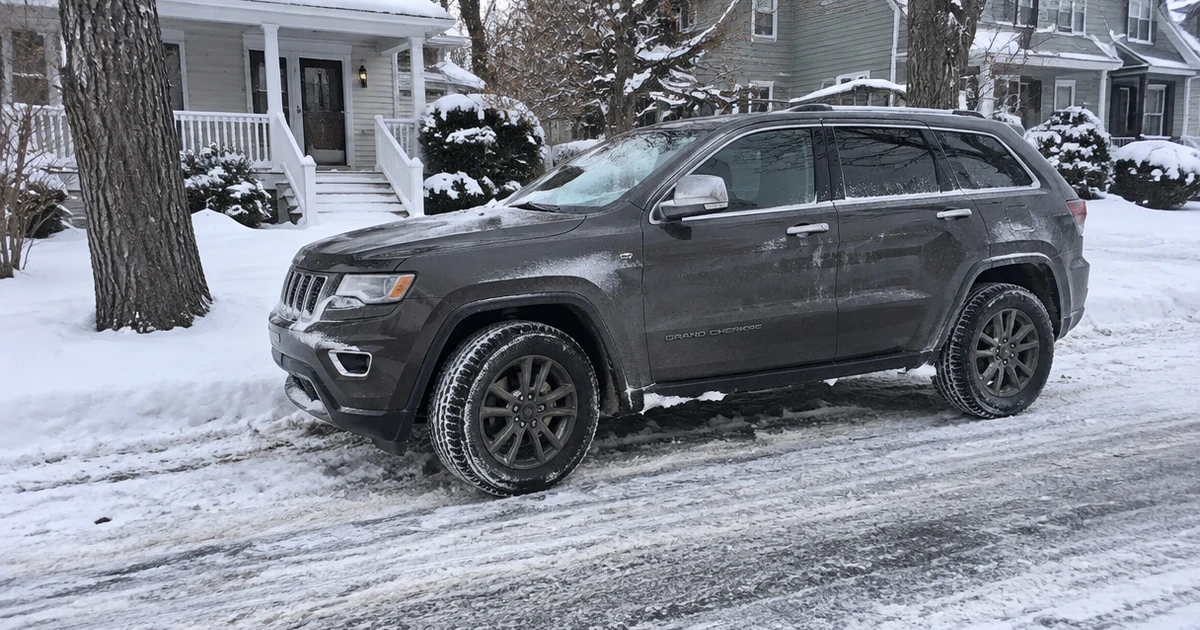
Match your tire choice to the roads you drive and the winter weather you face. A good fit can improve control, but the right tread and tire rating matter as much as the vehicle’s size.
Check the Winter Rating and Season
Look for the three-peak mountain snowflake symbol on the sidewall. It shows that a tire meets a defined snow-traction test, though it does not measure ice braking or promise equal grip on every road. The M+S mark alone does not meet that same snow-traction standard.
Winter tires use rubber compounds that stay flexible in low temperatures, which helps them hold the road when all-season tires stiffen. If your area has long stretches of cold weather, a dedicated winter set can help with traction and braking. If you face only brief cold snaps, check your local climate and winter driving needs before making the switch.
Match the Tread to Your Roads
Deep grooves and open tread blocks help a tire push through fresh or loose snow. Dense sipes, the small cuts across the tread, create extra biting edges for packed snow and slick surfaces. A tread with strong water channels can also help move slush away from the contact patch.
Think about what covers your usual route, not just the worst storm of the season. This quick guide can help you narrow your focus:
| Typical road condition | Tread feature to look for |
|---|---|
| Fresh, deep snow | Open grooves and larger blocks |
| Packed snow and ice | Many fine sipes and soft winter rubber |
| Wet slush | Channels that clear water and slush |
Most drivers face more than one condition, so look for a balanced tread if your route changes from plowed streets to snow-covered roads.
Get the Size and Load Rating Right
Check the tire placard on your SUV or its owner’s manual for approved sizes and load ratings. The load index tells you how much weight a tire can carry, so match the vehicle’s requirements rather than choosing by appearance. Also follow the vehicle maker’s guidance for speed ratings and approved winter fitments.
- Use the same tire type and size on all four wheels.
- Match or exceed the required load index.
- Ask a tire professional about alternate approved sizes.
Four matching winter tires help keep traction and handling more even. On an all-wheel-drive SUV, mismatched tires can also strain the drivetrain, so replace them as a set whenever possible.
Choose Studded or Studless Tires
Studless winter tires rely on their tread design and flexible rubber for grip. They suit many drivers who face snow, cold pavement, and occasional ice, and they usually make less road noise than studded options. Studded tires add metal pins that can help on hard, icy surfaces, especially on untreated roads.
Studs can make more noise and may wear road surfaces, and some places limit their use during certain months. Check local rules before buying them. If your routes stay mostly plowed, a studless tire may fit your needs better; if you regularly drive on frozen, untreated roads, studs may offer a useful edge.
Plan for Noise, Wear, and Storage
Winter tires can sound louder than your regular tires, especially on bare pavement. Tread design affects that sound, so check for noise information and think about how much highway driving you do. Winter rubber also wears faster in warm weather, so switch back to your regular tires when temperatures stay mild.
Plan where you will store the off-season set before you buy. Keep tires in a cool, dry place away from sunlight, heat, and chemicals. If you drive long distances on clear roads, a quieter tread and timely seasonal changes can help limit wear while keeping winter performance for the months you need it.
Find the Winter Tire That Fits Your SUV
For balanced winter use, the Bridgestone Blizzak DM-V2 suits drivers who want a strong all-around SUV tire. Choose the Michelin X-Ice Snow SUV for ice braking, or the Nokian Hakkapeliitta R5 SUV for arctic grip. The Bridgestone Blizzak 6 targets sporty winter control, while the Continental VikingContact 7 focuses on cold-weather grip.
For daily commutes, look at the Goodyear WinterCommand Ultra. The Yokohama iceGUARD G075 fits large SUVs, and the Toyo Observe GSi-6 suits slushy roads. The General Altimax Arctic 12 gives you a stud-ready option, while the Firestone Winterforce 2 UV makes sense if value matters most.
Frequently Asked Questions
Do SUVs need winter tires on all four wheels?
Yes. A matching set gives your SUV more even grip and handling across all four corners. Replacing only two tires can create a mismatch in traction, which may affect steering and stability, especially on slippery roads.
Can winter tires help with ice braking?
Winter tires can improve grip in cold conditions, but ice remains a challenge for any tire. Soft winter rubber and tread edges can help the tire hold the surface, while slower speeds and extra following distance give you more room to stop.
Are studded tires better than studless tires?
Studded tires can help on hard, icy roads, while studless tires suit many mixed winter routes and usually make less noise on clear pavement. Your choice depends on your regular road conditions, and local rules may limit when you can use studs.
Can you drive on winter tires all year?
You can, but warm pavement wears winter tread faster and can reduce handling performance. Switch to your regular tires when the cold season ends and temperatures stay mild. Store the winter set in a cool, dry place until you need it again.
Does an all-wheel-drive SUV still need winter tires?
All-wheel drive can help your SUV move forward, but it does not create extra tire grip for braking or turning. Winter tires can help you maintain control on cold, snowy roads, regardless of which wheels send power to the ground.