
This post may contain affiliate links. As an Amazon Associate I earn from qualifying purchases. If you choose to make a purchase, I may earn a small commission at no extra cost to you.
Road noise can make a routine commute tiring, especially on rough pavement or at highway speed. Your tires play a big part, but your car’s insulation, tire pressure and the road surface also shape what you hear.
A good quiet tire limits tread hum without giving up the wet grip and stable handling you need. Look for a design that fits your vehicle and suits the way you drive. The options below cover the best tires for a quiet ride you can buy in 2026, with choices for commuters, SUVs and electric vehicles.
Our Top Tires for a Quiet Ride Picks



More Details on Our Top Picks
Pros
- EcoPlus Technology balances efficiency and wet-road control
- Low road noise on everyday drives
- Light-snow traction for year-round use
- QuickView Indicators show tread performance changes
- Limited 70,000-mile tread life coverage
Cons
- Light-snow grip cannot replace a dedicated winter tire
Continental PureContact LS uses EcoPlus Technology to balance a quiet ride with efficiency and wet-road control. Its tread compound lowers rolling resistance, while the tread design delivers strong wet braking and useful traction in light snow.
On the highway, the touring-focused pattern keeps road noise subdued and the ride comfortable. You also get responsive handling for everyday driving, rather than a tread built only for soft cruising. Its quiet manners suit commutes and longer trips alike.
Continental backs the tire with limited 70,000-mile tread life coverage. QuickView Indicators molded into the tread give you a visual way to track changing tread performance as the tire wears. That combination of calm cabin sound, wet-road confidence and a long coverage period makes this a well-rounded all-season touring tire.
Bottom line: Choose the PureContact LS for a quiet, comfortable touring tire with practical wet-weather performance. It suits drivers who want efficiency without giving up year-round versatility.
Pros
- Quiet tread design for a more peaceful cabin
- Precise handling for daily driving
- Touring focus suits luxury vehicles
- All-season tread for changing road conditions
Cons
- Less sporty steering feel than a performance tire
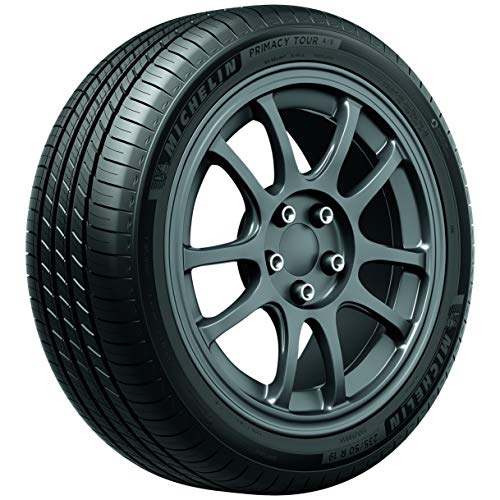
A quiet tread design gives the Michelin Primacy Tour A/S its calm, refined character on everyday drives. Michelin built this all-season touring tire for luxury cars and SUVs, pairing low road noise with precise handling.
The tread pattern keeps the ride composed on long highway stretches, where a steady tire hum can wear on you. Its handling also feels controlled through ordinary turns and lane changes, so comfort does not come at the expense of everyday steering response. This is a road-focused design for drivers who spend most of their time on paved streets.
The Primacy Tour A/S favors smooth, predictable travel over sporty feedback. You get a polished touring feel suited to a premium vehicle, with an all-season tread for changing conditions. Its quiet, comfortable character is the main reason to put it on your shortlist.
Bottom line: The Primacy Tour A/S fits drivers who value a calm cabin and measured handling in a premium vehicle. Pick it for comfortable highway travel rather than sharp, sporty response.
Pros
- Multi-pitch tread reduces road noise and vibration
- Compound resists irregular and premature wear
- Tread moves water and slush away
- Comfort-focused feel for daily driving
Cons
- Touring tread favors comfort over sporty steering response
Bridgestone uses a multi-pitch tread pattern on the Turanza EverDrive to break up repeating road sounds and reduce vibration. That design gives you a quieter, more relaxed feel on daily trips and longer highway drives.
Its next-generation compound targets irregular and premature wear, helping the tread maintain an even contact with the road over time. The pattern also channels water and winter slush away from the tire, adding confidence when wet weather interrupts your drive. You get a comfort-focused all-season tire with useful wet-weather control.
The Turanza EverDrive keeps its attention on steady, quiet road manners rather than sporty response. Its tread design tackles road noise at the source, while the compound addresses the uneven wear that can affect long-term comfort. That balance is the core of its appeal.
Bottom line: Consider the Turanza EverDrive for a quieter commute and a tread compound designed to resist uneven wear. It suits drivers who value composed road manners over a sporty feel.
Pros
- AquaChannel grooves evacuate water
- Noise-reducing tread pattern
- Smooth handling over road impacts
- Built-in Wear Gauge tracks tread wear
- Limited 65,000-mile tread life coverage
Cons
- Comfort-focused tread is not intended for serious off-road use
Goodyear’s AquaChannel grooves give the Assurance ComfortDrive a clear focus on wet-road control. Their balanced layout moves water out from beneath the tread, while the noise-reducing pattern keeps street sounds from dominating the cabin.
The ComfortDrive also targets a smoother feel over rough pavement. Its handling design absorbs impacts and keeps steering transitions composed, which can make a long drive feel less tiring. In cold, wet conditions, the tread maintains all-season traction for everyday travel.
Goodyear adds a built-in Wear Gauge so you can see how the tread changes as it wears. The company also backs the tire with limited 65,000-mile tread life coverage, subject to exclusions. Together, these features make the ComfortDrive a quiet touring option with practical details for wet roads and long-term use.
Bottom line: The Assurance ComfortDrive suits you if wet-road comfort and low cabin noise top your list. Its Wear Gauge and tread life coverage add useful ownership features.
Pros
- Energy Passive compound reduces rolling energy loss
- Quiet, comfortable ride
- Suitable for gas, hybrid and electric vehicles
- Efficiency focus can extend EV range
Cons
- Efficiency tuning favors comfort over sporty steering feedback
Michelin designed the e.Primacy around low rolling resistance, a useful trait when you want to conserve fuel or extend an electric vehicle’s driving range. Its Energy Passive compound reduces energy loss as the tire rolls, while the quiet-tuned design keeps road sound in check.
That efficiency focus also makes the tire a natural fit for hybrids and electric vehicles, where tire noise can stand out in a quiet cabin. The e.Primacy delivers a comfortable ride for everyday travel without leaning into a stiff, sporty feel. You can use it on a gas-powered car, too, if efficiency matters to you.
Michelin describes the e.Primacy as a premium all-season tire built for extended use. Its comfort and energy-saving design work together, rather than asking you to choose between a quiet drive and reduced rolling resistance. That gives the model a distinct role in daily travel.
Bottom line: The e.Primacy is a good fit for EV and hybrid drivers who want a quiet ride with low rolling resistance. It also suits gas-car drivers focused on efficiency.
Pros
- QuietTrack Technology reduces tread noise
- High-silica compound improves wet and winter performance
- Snow Vices add grip on snowy roads
- Limited 80,000-mile tread life coverage
Cons
- Highway tread offers limited grip on loose trails
Bridgestone’s QuietTrack Technology targets the tread noise that can carry through an SUV cabin. The Alenza AS Ultra pairs that design with a comfort-focused highway tread, giving you a quieter ride on commutes and long trips.
A high-silica compound improves wet and winter performance, while the tire’s Snow Vices add grip on snowy roads. Those features make the Alenza AS Ultra more capable in changing weather than a warm-weather touring tire. Its main strengths remain steady highway comfort and year-round road use.
Bridgestone backs the tire with limited 80,000-mile tread life coverage. That long coverage period complements a design built for lasting wear, while the noise-reducing tread keeps daily driving more relaxed. It’s a road-oriented SUV tire, not an off-road specialist.
Bottom line: The Alenza AS Ultra suits SUV drivers who want quieter highway travel and useful winter traction. Choose it for paved-road use rather than trail driving.
Pros
- Low road noise for a comfortable ride
- EcoPlus Technology targets efficiency and tread life
- Short wet-road braking distances
- Responsive handling throughout the year
- Up to 70,000 miles of limited tread life coverage
Cons
- Paved-road focus limits its usefulness on rough trails
The Continental CrossContact LX25 brings EcoPlus Technology to crossover and SUV driving, pairing low road noise with wet-road control. Its compound lowers rolling resistance, while the tread design supports shorter braking distances on wet pavement.
That calm tread character makes daily commuting and highway travel more comfortable. You also get responsive handling throughout the year, so the tire feels composed during regular turns and lane changes. It is built for paved roads, where quiet comfort and predictable control matter most.
Continental offers up to 70,000 miles of limited tread life coverage on the CrossContact LX25. Its EcoPlus design also targets longer tread life alongside fuel efficiency. The result is a practical touring tire that brings together a quiet cabin, wet braking and consistent everyday handling.
Bottom line: The CrossContact LX25 fits crossover drivers who want a quiet ride with dependable wet-road handling. It’s best suited to pavement rather than rough trail use.
Pros
- Full-depth sipes maintain traction as the tread wears
- 3D sipe design supports stable handling
- Designed for CUVs, SUVs and light trucks
- All-season tread for changing conditions
Cons
- Not designed for serious off-road driving
Pirelli gives the Scorpion AS Plus 3 full-depth tread sipes, so their edges keep working as the tire wears. Its 3D sipe design also steadies the tread blocks, supporting confident handling and braking on dry and wet roads.
The compound and tread pattern suit CUVs, SUVs and light trucks driven through changing seasons. On paved roads, the touring design gives you a comfortable ride without demanding a sporty driving style. Its all-season layout adds traction for everyday weather shifts, while the tread detail helps maintain control.
The Scorpion AS Plus 3 focuses on consistent road manners over the life of the tread. Pirelli’s full-depth sipes work from early wear through later use, and the 3D design adds stability in turns. That blend makes it a quiet-minded option for regular SUV and crossover travel.
Bottom line: Choose the Scorpion AS Plus 3 for a comfortable SUV or crossover ride with lasting siping and all-season control. It suits drivers who stay mostly on paved roads.
Pros
- TriBLEND compound balances grip and wear
- Asymmetric tread supports steady handling
- 3D sipes add all-season traction
- Touring design keeps road noise restrained
Cons
- Steering feel favors comfort over sporty response
Yokohama’s TriBLEND compound gives the Avid Ascend GT a touring-focused mix of grip, wear and rolling efficiency. Its asymmetric tread design adds different working zones across the tire, while 3D sipes create extra biting edges for changing road conditions.
The tread pattern keeps road noise restrained during everyday travel, making the Avid Ascend GT a comfortable option for commutes and highway miles. Its design balances dry-road handling with wet-weather traction, so you get steady control without a harsh, overly sporty feel. It is an all-season touring tire made for regular paved-road use.
The Avid Ascend GT brings its compound and tread features together for predictable road manners. Its 3D sipes add traction as conditions shift, while the asymmetric layout supports balanced handling. That mix gives you a composed ride for everyday driving.
Bottom line: The Avid Ascend GT suits drivers who want an even balance of quiet comfort and everyday control. Choose it for touring manners rather than a sharp performance feel.
Pros
- Computer-optimized tread for a comfortable highway ride
- Four center grooves channel water
- All-season design for everyday driving
- Touring focus keeps the ride composed
Cons
- Deep-snow traction falls short of a dedicated winter tire
Hankook computer-optimizes the Kinergy PT’s highway tread for comfortable driving and all-season performance. That touring design keeps the ride composed on long stretches of pavement, where steady tire noise can become tiring.
Four center grooves move water away from the contact patch to reduce hydroplaning risk on wet roads. The tread gives you useful everyday wet-weather control while keeping comfort at the front of the design. Its all-season focus suits regular driving rather than extreme winter conditions.
The Kinergy PT keeps its design straightforward: a comfort-tuned tread for highway use and grooves that channel water. That makes it a practical touring tire for quieter daily drives and longer trips. It favors calm road manners over a sporty feel.
Bottom line: The Kinergy PT is a sensible fit for drivers who want a comfortable touring tire for highway miles. Choose a dedicated winter tire if deep-snow traction is a priority.
Factors to Consider When Choosing Tires for a Quiet Ride
A quieter ride starts with tires that suit your vehicle and your usual roads. Check the details below alongside the comfort you want and the driving conditions you face most often.
Tread Pattern and Road Noise
Road noise often starts where tread blocks meet pavement. A closed shoulder and blocks with varied shapes can soften repeating hum, while large open gaps may add more roar on coarse roads.
Some tread designs vary the spacing between blocks to spread sound across more frequencies, which can make it less noticeable in the cabin. Your vehicle’s insulation and the pavement still affect the result.
Do not judge quietness by tread appearance alone. Look for independent road-noise tests on a vehicle like yours, and check whether the test used smooth or rough pavement. Some regions publish external pass-by noise labels, but those measure sound outside the vehicle, not the noise you hear in the cabin.
Tire Type and Vehicle Fit
Start with the size, load index and speed rating listed on your vehicle’s door placard or in its owner’s manual. These details help you choose a tire that fits and can handle your vehicle’s weight and speed needs. A different size can change handling and ride comfort, so check with a tire professional before making a change.
Your driving needs can guide the tire style you choose. Touring tires often suit daily road use, while performance tires put more focus on responsive handling. Tires designed for rougher terrain can have deeper tread gaps that produce more sound on paved roads.
| Tire style | Often suits | Possible trade-off |
|---|---|---|
| Touring | Daily commuting | Less focus on sharp handling |
| Performance | Responsive steering | May feel firmer on rough roads |
| All-terrain | Mixed paved and unpaved use | More tread noise on pavement |
Wet Grip and Weather
Quietness matters less if the tires struggle in rain. Look for tread grooves that channel water away from the contact patch, along with sipes that help the tread grip wet roads. A tire’s rubber compound also affects how it performs in different temperatures, so check that its weather rating suits your local climate.
Compare wet braking and handling results from independent tests when you can. Think about the roads you drive most: frequent rain calls for strong wet performance, while regular snow may call for a tire suited to winter conditions. Do not choose a tire based on noise alone if its grip does not match your needs.
Pressure, Alignment and Wear
Incorrect pressure can affect comfort, noise and tread wear. Check your tires when they are cold and follow the pressure listed in your owner’s manual or on the vehicle placard.
Do not use the maximum pressure molded into the tire sidewall as your everyday target. Correct pressure helps the tread meet the road as intended.
Uneven wear can make tires louder over time. Keep up with rotations and alignment checks based on your vehicle maker’s schedule, and ask a tire shop to inspect wear that looks uneven or changes suddenly. These habits can help you spot problems before they affect comfort or handling.
- Check cold pressure regularly.
- Follow the vehicle’s rotation schedule.
- Inspect tread for uneven wear.
Tread Life and Testing
Noise can change as a tire wears, so look beyond how it sounds when new. Read independent tests for both comfort and performance, and check whether they cover the tire size and type you need. Results from a different vehicle or road may not match what you hear in your own car.
A mileage warranty can give you a sense of the tire’s expected service life, but it does not promise a specific result. Your pressure, alignment, driving habits and road conditions all affect wear. If you value a quiet ride over many miles, look for test notes on noise as the tread ages.
Frequently Asked Questions
What makes a tire quiet?
Tread design plays a large part. The shape and spacing of tread blocks affect the sound they make against the road, while the vehicle’s suspension and cabin insulation affect how much noise reaches you. Road texture, tire pressure and wear can change the sound as well.
Can new tires reduce cabin noise?
They can, especially if your old tires have uneven wear or a tread design that creates a strong hum. A quieter set may reduce some road noise, but your car’s insulation and the pavement still matter. Compare comfort tests on vehicles and roads similar to yours.
Do wider tires make more road noise?
Not always. Noise depends on tread design, rubber compound, pressure and the road surface, not width alone. Still, changing to a wider size can affect ride and handling. Check your vehicle’s approved tire sizes before making a change, and ask a tire professional if you are unsure.
Can tire pressure affect road noise?
Yes. Pressure that falls outside the vehicle maker’s recommended range can change how the tread contacts the road, affecting both comfort and wear. Check pressure when the tires are cold and use the value on your vehicle’s placard or in the owner’s manual, not the sidewall maximum.
Are all-season tires quiet?
Some are designed for comfortable everyday driving, while others focus more on grip in challenging weather or sharper handling. Tread pattern and vehicle fit also affect noise. Check independent comfort tests and make sure the tire’s weather performance suits the roads and climate where you drive.