
This post may contain affiliate links. As an Amazon Associate I earn from qualifying purchases. If you choose to make a purchase, I may earn a small commission at no extra cost to you.
Choosing tires for your Volkswagen Atlas Cross Sport means balancing comfort, wet braking, seasonal grip, and tread life. A quiet touring tire may suit your commute, while a weather-focused design can help if you face frequent rain or snow. Your trim and wheel setup also determine the approved size and load rating.
The best tires for Volkswagen Atlas Cross Sport you can buy in 2026 should match those requirements and the roads you drive. The options below cover different needs, from all-weather confidence to quiet highway comfort and sharper steering, so you can focus on the traits that matter in daily use.
Our Top Tires for Volkswagen Atlas Cross Sport Picks


More Details on Our Top Picks
Pros
- Severe-snow rating for winter traction
- Directional tread channels water and slush
- Strong wet and dry braking
- Designed to retain grip as it wears
Cons
- Tread noise can rise on rough pavement
Michelin CrossClimate2 uses a directional V-shaped tread to handle changing weather throughout the year. Its sweeping grooves move water away from the contact patch, while angled tread edges add grip on slush and light snow.
The Three-Peak Mountain Snowflake rating marks it for severe snow conditions, a useful distinction for drivers who face winter roads. Michelin also designed the tire to deliver strong wet and dry braking, including as the tread wears.
On dry pavement, the CrossClimate2 feels stable and responds cleanly to steering inputs. Its tread design balances cold-weather bite with composed handling on warm, rainy days, so you can leave it on through changing seasons.
Michelin CrossClimate2 also carries a long-wear focus, giving it appeal for drivers who want year-round performance without a seasonal tire change. Expect a more pronounced tread sound on some rough roads than you get from a quiet-focused touring design.
Bottom line: Choose it for an Atlas Cross Sport that faces changing weather, including regular snow and slush. Its mix of braking grip and year-round ability suits drivers who prefer one tire through every season.
Pros
- 70,000-mile treadwear warranty
- All-season design for routine road use
- SUV and crossover focus
- Road-oriented handling
Cons
- Not designed for regular off-road driving
For a Cross Sport that spends most of its time on paved roads, Bridgestone Alenza Prestige focuses on steady all-season performance and long tread life. Bridgestone’s Alenza family targets SUVs and crossovers, and this model brings that road-focused approach to daily driving.
The 70,000-mile treadwear warranty gives the tire a clear touring purpose. Its all-season design handles routine dry and wet trips, while its performance focus gives you a more road-oriented feel than a tire meant for regular trail use.
At highway speeds, the Alenza Prestige offers the composed character that suits family travel and longer commutes. Its radial construction and SUV-focused design make it a practical choice for drivers who value predictable handling over off-road tread features.
Bridgestone Alenza Prestige keeps its appeal straightforward: a long warranty, year-round road use, and a design aimed at SUVs. It does not lean on a named tread technology or a severe-winter rating to make its case, so its strongest role is everyday pavement driving.
Bottom line: Consider it for an Atlas Cross Sport used mainly for commuting and family trips on paved roads. Its long treadwear coverage suits drivers who want a touring tire with a clear SUV focus.
Pros
- Symmetric tread helps manage uneven wear
- Reduced tread voids limit road noise
- Tuned tread blocks reduce vibration
- 70,000-mile limited tread life warranty
Cons
- Steering response feels less sporty than a performance tire
A computer-tuned symmetric tread gives Pirelli Scorpion AS 4 an even contact pattern across the road. That design helps control uneven wear, while the reduced tread voids leave less open space to generate road noise.
Pirelli also tunes the tread-block spacing to reduce vibration and soften the sound that reaches the cabin. On an Atlas Cross Sport, that quiet ride can make a difference on long highway stretches and everyday errands.
The Scorpion AS 4 targets CUVs and SUVs with year-round handling in mind. Its tread pattern gives you stable response in ordinary dry and wet conditions, and its touring character fits the Cross Sport’s paved-road role.
Pirelli backs the tire with a 70,000-mile limited tread life warranty, matching its focus on sustained use. Pirelli Scorpion AS 4 favors a calm, even feel over the sharper steering response of an ultra-high-performance tire.
Bottom line: Pick it for an Atlas Cross Sport that racks up highway miles and benefits from a quieter cabin. Its touring design and long treadwear coverage suit steady, year-round pavement use.
Pros
- EcoPlus Technology balances efficiency and tread life
- Strong wet-road braking
- Quiet touring ride
- Up to 70,000-mile limited treadwear coverage
Cons
- Not intended for severe winter conditions
Continental CrossContact LX25 uses EcoPlus Technology to balance wet-road braking, tread life, and fuel efficiency. Its tread design gives you a composed feel in rain, which can matter on an SUV that often carries passengers or cargo.
Wide grooves help clear water from the contact area, while the tire’s construction aims to keep the ride quiet. Continental CrossContact LX25 stays responsive through everyday turns and lane changes, with a touring feel suited to paved routes.
Continental backs the tire with a limited treadwear warranty of up to 70,000 miles. That coverage fits its long-distance focus, while its wet braking performance adds reassurance during rainy commutes and highway travel.
On dry pavement, the tire steers predictably without pushing the Cross Sport toward a sporty, firm ride. The low-noise design also helps keep the cabin more relaxed during longer trips, especially on smooth roads.
Bottom line: Choose it for an Atlas Cross Sport driven mostly on paved roads, especially if wet-weather braking and ride comfort matter to you. Its touring focus also suits drivers who cover long distances.
Pros
- Severe-snow rating
- AquaTred grooves clear water and slush
- Evolving grooves maintain wet traction
- Comfort inserts reduce bumps and vibration
Cons
- Winter-focused tread can feel less crisp in warm weather
Goodyear Assurance WeatherReady 2 uses a season-adaptive tread compound and earns a Three-Peak Mountain Snowflake rating. That severe-snow rating gives you more winter capability than a standard all-season tire, while keeping the tire ready for warmer months.
AquaTred Technology pairs sweeping grooves with evolving traction grooves to move water and slush away from the tread. Those grooves keep working as the tire wears, helping the Cross Sport maintain wet-road grip over time.
Goodyear adds comfort inserts to soften bumps and reduce vibration through the cabin. Its variable-pitch tread blocks also limit road noise, so the tire brings a calmer feel to daily drives and longer highway trips.
Steering stays controlled through wet roads and lane changes, while the tread gives you useful grip in snow. Goodyear Assurance WeatherReady 2 combines those road manners with a cold-weather focus that suits drivers who face more than occasional flurries.
Bottom line: Consider it for an Atlas Cross Sport that sees regular snow, slush, and rain. Its cold-weather rating and wet-road features suit drivers who want one tire for changing seasons.
Pros
- Responsive steering feel
- Asymmetric tread supports cornering grip
- All-season performance design
- Chevrolet selected the line for Corvette use
Cons
- Passenger-car performance fitment limits Atlas Cross Sport use
Michelin Pilot Sport All Season 4 brings a performance-car approach to year-round traction. Its asymmetric tread design gives the outer shoulder a firm role in cornering, while the inner tread channels water from the contact patch.
Michelin’s Pilot Sport line focuses on responsive steering and grip, and this all-season model carries that character into cooler weather. The tire also gained a place as the first all-season tire selected by Chevrolet for the Corvette.
In everyday driving, the Pilot Sport All Season 4 feels direct through corners and stable during brisk highway travel. Its design prioritizes steering response over the softer ride many SUV touring tires deliver.
Michelin Pilot Sport All Season 4 gives you performance-oriented handling in a tire that can serve across more than one season. That emphasis makes its role on an Atlas Cross Sport narrow, since the exact tire must suit the vehicle’s approved setup.
Bottom line: Reserve it for an Atlas Cross Sport setup that specifically approves this type of passenger-car performance tire. Its steering response suits drivers who prioritize sporty handling over SUV touring comfort.
Pros
- Tuned Performance Indicators show tread capability
- Strong dry and wet grip
- Snow and ice traction
- Up to 50,000-mile limited tread life coverage
Cons
- Passenger-car performance fitment limits Atlas Cross Sport use
The D, W, and S markers molded into Continental ExtremeContact DWS06 Plus give its tread a useful feature: they fade as the tire loses its tuning for dry, wet, and snow conditions. That Tuned Performance Indicator lets you see how the tread’s abilities change over time.
Continental’s SportPlus Technology focuses on responsive handling and grip across dry and wet roads. The tread also provides strong snow and ice performance, giving this ultra-high-performance all-season tire a wider weather range than a summer tire.
On dry pavement, the tire responds quickly to steering inputs and holds a steady line through corners. Its wet-road braking and grip add confidence in rain, while the tread pattern keeps its performance focus visible in the tire’s styling.
Continental backs the DWS06 Plus with a limited tread life warranty of up to 50,000 miles. This model centers on passenger-car performance, so its place on an Atlas Cross Sport depends on an approved setup that accepts this tire type.
Bottom line: Use it only if your Atlas Cross Sport setup specifically allows this passenger-car performance tire. Its grip and steering response suit drivers who place handling ahead of a traditional SUV touring ride.
Pros
- 80,000-mile limited treadwear warranty
- Locking 3-D Sipes add biting edges
- Wet and dry braking focus
- Six-year standard limited warranty
Cons
- Not designed for severe-snow conditions
Michelin Defender2 puts tread life at the center of its design, with an 80,000-mile limited treadwear warranty. Michelin redesigned the tire to last, making it a practical touring option for drivers who cover many miles in an Atlas Cross Sport.
Its Locking 3-D Sipes create many biting edges across the tread. Those edges add grip on wet and dry pavement and help the tire brake with control as the tread wears.
Defender2 handles everyday driving with a steady, predictable feel. The all-season tread suits commutes and family trips, while the long-wear construction gives you a reason to look beyond short-term performance.
Michelin Defender2 focuses on dependable road manners rather than sporty handling or severe-snow use. Michelin also includes a six-year standard limited warranty, adding coverage alongside its long treadwear promise.
Bottom line: Choose it for an Atlas Cross Sport that sees steady year-round road use and high mileage. Its long treadwear warranty makes it especially appealing if you want a touring tire built for extended service.
Pros
- Micro-silica compound supports wet traction
- Sipes add cold-weather biting edges
- Quiet multi-pitch tread pattern
- 65,000-mile limited tread life warranty
Cons
- Not intended for severe winter conditions
Yokohama Geolandar CV G058 combines a micro-silica rubber compound with a tread built for wet-weather grip. That compound helps the tire maintain traction on damp roads, while the staggered multi-pitch pattern lowers road noise.
Two-dimensional and three-dimensional sipes add biting edges for cold temperatures, ice, slush, and snow. Serrated outer grooves add more grip in winter conditions, giving the Cross Sport useful traction when the weather turns.
Chamfered ribs keep more of the tread in contact with the road, which helps promote even wear. The Geolandar CV G058 feels settled on paved routes, with a quiet touring character that suits longer drives.
Yokohama backs the tire with a 65,000-mile limited tread life warranty for standard fitments. Its tread design balances wet grip, winter traction, and cabin comfort without giving the tire an aggressive off-road character.
Bottom line: Consider it for an Atlas Cross Sport driven through wet, cold weather where cabin noise also matters. Its touring tread and winter-focused edges suit paved-road use in changing conditions.
Pros
- Variable Pitch Technology limits road noise
- Grooves help clear water
- Full-depth sipes support winter traction
- Center rib promotes steady handling
Cons
- Steering feel lacks the sharpness of a performance tire
Kumho Crugen HP71 uses Variable Pitch Technology to reduce tread noise as the tire rolls. Its touring tread gives the Atlas Cross Sport a quiet, comfortable feel on highways and everyday paved routes.
Wide circumferential grooves and micro-serrated tread blocks move water away from the contact patch. Those features improve wet-weather grip and help the tire resist hydroplaning during heavy rain.
Full-depth sipes and lateral voids clear slush from beneath the tread, preserving useful winter traction as the tire wears. A strong center rib and reinforced shoulder blocks also support even wear and quick steering response.
The Crugen HP71 balances a calm ride with practical wet-weather handling. Kumho Crugen HP71 does not chase sharp, sports-car steering; its design puts comfort, steady road manners, and all-season traction ahead of aggressive response.
Bottom line: Pick it for an Atlas Cross Sport used mainly for commuting and highway travel. Its quiet ride, wet-road grooves, and comfort-focused tread suit drivers who value relaxed daily driving.
Factors to Consider When Choosing Tires for Volkswagen Atlas Cross Sport
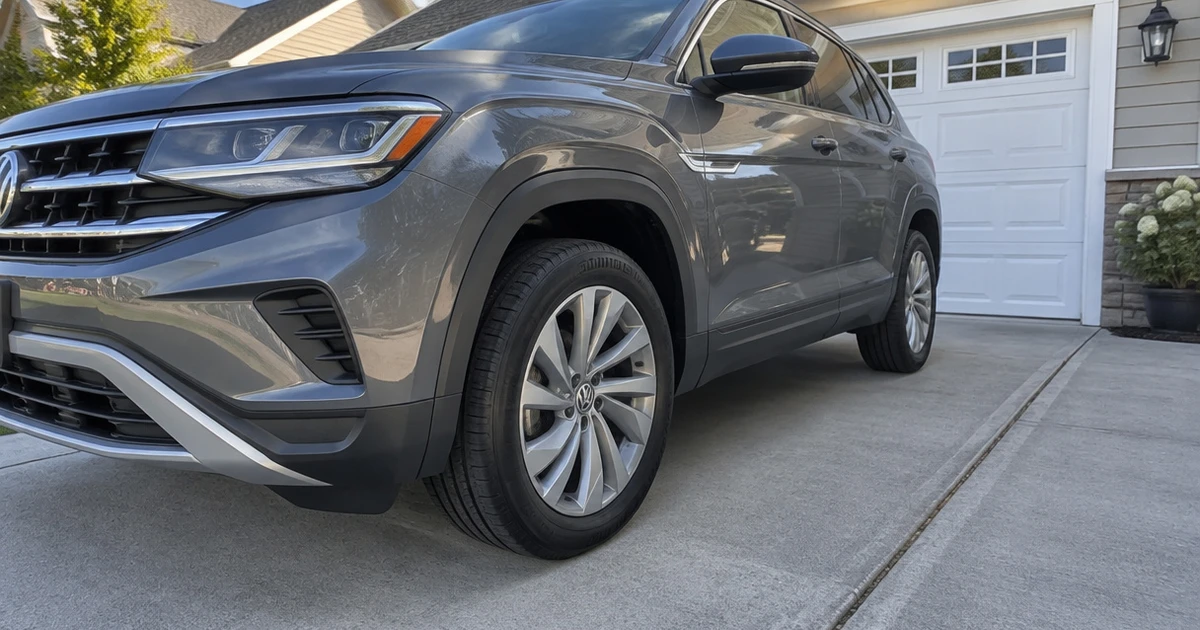
Your Atlas Cross Sport needs tires that match its approved fitment and the conditions you drive in. Use these checks to compare features and choose tires suited to your routine.
Correct Fit and Load Capacity
Start with the tire placard on the driver-side door jamb and the owner’s manual. They identify the factory-approved size, load index, speed rating, and cold inflation pressure for your trim and wheel package.
Match those details when replacing tires, and check that the new tire meets or exceeds the required load and speed ratings. A different outside diameter can affect speed readings, clearance, and vehicle systems.
If you regularly carry passengers or cargo, check load capacity rather than using the sidewall maximum pressure as your target. Set pressure when tires are cold, using the placard value; the sidewall number does not tell you the correct pressure for your vehicle.
Weather and Seasonal Grip
Choose a tire type based on your cold-weather pattern, not one snowy day each year. Standard all-season designs suit mild winters and mixed use, while certain all-weather tires carry the three-peak mountain snowflake symbol for stronger snow traction.
Dedicated winter tires suit regular snow, ice, or long stretches of freezing weather because their compounds stay flexible in cold conditions. Summer tires can lose grip as temperatures drop, even on clear roads, so avoid them for a vehicle used through winter.
Check local rules if you cross mountain passes, since some routes require winter-rated tires or chains during storms. The snowflake symbol signals a tested snow-traction threshold, but it does not promise strong ice braking.
| Tire type | Good fit for | Trade-off |
|---|---|---|
| All-season | Mild winters and mixed driving | Less grip in heavy snow |
| All-weather | Year-round use with some snow | Less focused on warm-weather handling |
| Winter | Frequent snow, ice, or deep cold | Seasonal tire changes needed |
Wet Roads and Stopping
Wet grip depends on tread design, compound, and tread depth. Wide circumferential grooves and open channels help move water from the contact patch, while modern rubber compounds can stay pliable across a range of temperatures.
Look for clear wet-traction information and pay attention to how a tire handles standing water, not only a wet-road label. As the tread wears, its ability to channel water drops, so replace tires before they reach the wear bars if you often drive in heavy rain.
Keep pressure at the vehicle’s recommended level, since underinflation can increase heat and uneven wear. Correct pressure also helps the tire respond as designed during a sudden stop.
Ride Comfort, Noise, and Handling
Cabin noise matters on long commutes, and tread design can change the sound you hear at highway speed. Touring tires often use smaller tread blocks and patterns designed to reduce repeating noise, while more open or aggressive patterns can sound busier on pavement.
Sidewall stiffness also shapes the ride and steering feel. A softer setup may absorb rough pavement better, while a performance-focused tire can respond more quickly to steering but send more bumps into the cabin.
Use the vehicle’s intended category and load rating as a guide, then compare experiences on roads like yours. Keep the alignment correct and rotate on schedule, since uneven wear can make even a quiet tire noisy.
Tread Life and Maintenance
Check the treadwear grade and any mileage warranty, but treat both as guides rather than promises. UTQG treadwear grades offer a rough comparison, yet testing methods and tire compounds differ, so the number does not predict the exact mileage you will get.
A mileage warranty usually requires proof of rotations and proper care, and it may only cover remaining tread under stated terms. Review the warranty conditions and choose a tire whose expected service life fits how many miles you drive each year.
Regular care helps tires wear evenly and last longer. Add these checks to your routine:
- Check cold pressure monthly and before long trips.
- Rotate tires at the interval in the owner’s manual.
- Have alignment checked if the vehicle pulls or tread wears unevenly.
Frequently Asked Questions
What tire size does the Volkswagen Atlas Cross Sport use?
Your Atlas Cross Sport’s approved tire size can vary by model year, trim, and wheel package. Read the tire placard on the driver-side door jamb and confirm it in the owner’s manual; match the listed size, load index, and speed rating rather than relying on a general fitment chart.
Should I replace all four tires on an all-wheel-drive Atlas Cross Sport?
If your Atlas Cross Sport has all-wheel drive, replacing all four tires together usually gives the system the closest match in rolling size and grip. Large tread-depth differences can strain the drivetrain, so ask a tire professional about the vehicle maker’s allowed tread difference if one tire gets damaged.
Are all-season tires enough for snow?
All-season tires can handle occasional light snow, but their grip falls short in frequent deep snow, packed snow, and ice. If winter weather lasts for months, a dedicated winter tire gives better cold-weather traction; look for the three-peak mountain snowflake symbol when selecting a severe-snow-rated option.
How often should I rotate my tires?
Follow the rotation schedule in your owner’s manual, since the correct interval and pattern depend on tire setup and drivetrain. Regular rotation helps spread wear across the set, and a shop can check pressure and alignment at the same visit if you spot uneven wear or pulling.
When should I replace my tires?
Replace tires when tread reaches the built-in wear bars, which indicate about 2/32 inch of remaining tread, or sooner if you often drive on wet or snowy roads. Cracks, bulges, cuts, or repeated pressure loss call for prompt inspection, even when the tread still looks deep.