
This post may contain affiliate links. As an Amazon Associate I earn from qualifying purchases. If you choose to make a purchase, I may earn a small commission at no extra cost to you.
Choosing tires for an Audi A5 can feel like a compromise: a tire that sharpens steering may add road noise, while a comfort-focused option may feel less eager in corners. Your climate, commute and wheel setup should guide the choice, not the badge on the trunk.
Start with the size, load and speed ratings Audi specifies, then decide how much wet grip, winter traction, tread life and ride comfort you need. This guide to the best tires for Audi A5 in 2026 compares 10 options for distinct driving needs, so you can narrow the field and match a tire to how you use the car.
Our Top Audi A5 Tires Picks





More Details on Our Top Picks
Pros
- Responsive handling for a high-performance all-season tire
- Chevrolet selected it for the Corvette
- Useful wet-road grip and braking
- Balances performance with tread life
Cons
- Snow grip does not match a dedicated winter tire
Chevrolet chose the Michelin Pilot Sport All Season 4 as the Corvette’s first all-season tire, a fitting sign of its performance focus. Its asymmetric tread and carefully shaped tread blocks give an Audi A5 responsive steering feel, while the design keeps grip available across changing weather.
Michelin built this tire to balance sporty handling with useful tread life. The tread compound and grooves work together to maintain traction on wet roads, and the tread pattern gives you confident wet-road braking without making the tire feel soft in corners. It can handle light snow, though it is not a dedicated winter tire.
The Michelin Pilot Sport All Season 4 brings a sporty, controlled feel to everyday driving, from quick lane changes to winding roads. Its all-season design also makes it a practical pick if you want performance without swapping to a summer tire for part of the year. For an A5, it pairs well with the car’s quick responses while giving you more weather range than a summer-only option.
Bottom line: Choose it for an Audi A5 that needs sharp road manners across much of the year. It suits drivers who value sporty handling but still face occasional light snow.
Pros
- Strong wet braking for rainy roads
- Tread pattern provides light-snow traction
- Durable compound supports longer tread life
- Built-in gauge shows tread wear
Cons
- Not designed for deep snow or severe winter use
Rainy commutes and brisk drives call for a tire that can hold its line on wet pavement. The Goodyear Eagle F1 All Season uses a sporty tread pattern and a durable compound to give your Audi A5 secure wet braking alongside year-round traction.
Its tread design channels water away from the contact area, helping you keep control through downpours. The pattern also provides grip in light snow, so the tire can handle mild winter conditions without giving up its performance character. Goodyear adds a built-in wear gauge that lets you see how the tread has worn over time.
On dry roads, the Eagle F1 feels suited to an A5’s quick steering and firm response. Its 45,000-mile limited tread life warranty adds useful backing for drivers who put regular miles on their car. The tire makes a practical daily companion when wet-weather braking matters as much as a sporty feel, though it is not meant to replace a dedicated snow tire in harsher conditions.
Bottom line: Consider it for an A5 that sees frequent rain and mild winter weather. It gives you a sporty feel with useful tread-life coverage.
Pros
- SportPlus Technology supports responsive handling
- Tuned indicators track dry, wet, and snow performance
- Strong wet and dry braking
- Snow and ice traction for an all-season tire
Cons
- The tread indicators require attention as the tire wears
Continental’s SportPlus Technology gives the ExtremeContact DWS06 Plus its blend of sharp response and year-round grip. On an Audi A5, the tire feels at home in quick turns, while its tread design delivers strong dry and wet traction for daily roads.
The name’s D, W, and S symbols are Tuned Performance Indicators molded into the tread. As the tire wears, the symbols show when it no longer has the same level of tuning for dry, wet, or snow conditions. That gives you a simple visual way to track how its performance focus changes with tread wear.
Continental also designed the DWS06 Plus for winter grip, including traction on snow and ice, so it covers more weather than a summer performance tire. Short braking distances in wet and dry conditions add confidence in routine driving. The Continental ExtremeContact DWS06 Plus comes with up to 50,000 miles of limited tread-life coverage, which makes its performance focus easier to live with over time.
Bottom line: Pick it for an Audi A5 that needs responsive handling and useful snow traction. Its tread indicators are a handy feature if you want a clear view of wear.
Pros
- Dense siping helps reduce road noise
- Four grooves channel water and slush
- Asymmetric tread supports handling and braking
- 50,000-mile limited tread-life warranty
Cons
- Not a replacement for a dedicated winter tire
A quiet cabin can make daily driving in your Audi A5 feel more relaxed, and the Pirelli P Zero AS Plus 3 puts real thought into road comfort. Its dense siping helps create grip while also limiting road noise and vibration, giving you a quieter ride without dropping its performance focus.
The asymmetric tread pattern supports handling and braking, while four wide grooves move water and slush through the tread. That layout gives you reliable wet-road control when rain pools on the road. The design suits performance-oriented coupes and sedans, so it fits the A5’s mix of comfort and responsive road manners.
Pirelli backs the P Zero AS Plus 3 with a 50,000-mile limited tread-life warranty. Its all-season design offers added flexibility for changing conditions, though it remains a road-focused performance tire rather than a dedicated winter choice. In ordinary driving, the balance of quietness and steering response makes this tire feel composed without dulling the A5’s handling.
Bottom line: Choose this Pirelli for an A5 you use daily, especially if cabin noise matters to you. It blends a comfortable ride with performance-oriented handling.
Pros
- Quiet tread design promotes a calmer cabin
- Touring focus suits long highway drives
- Precise handling for everyday roads
Cons
- SUV-oriented application does not suit most A5 setups
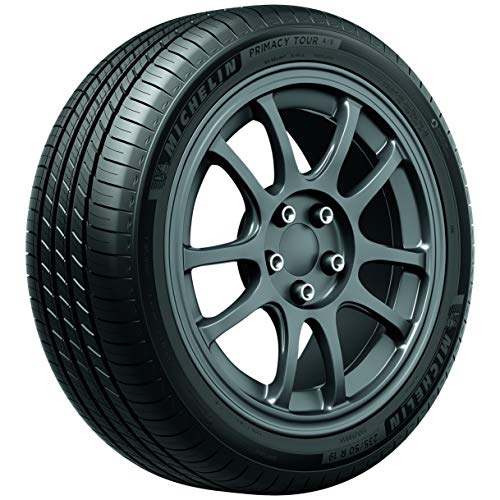
Michelin’s Primacy Tour A/S line puts a calm, refined ride ahead of aggressive cornering. Its quiet tread design helps reduce the sounds that reach the cabin, while its touring focus suits drivers who spend long stretches behind the wheel. In an Audi A5, that character can make highway trips feel more relaxed and composed.
The tire also aims for precise handling, so you still get a steady response through everyday turns. Its all-season design suits drivers who want one touring tire for a range of conditions rather than a summer-focused setup. The Primacy Tour A/S brings Michelin’s premium touring approach to a vehicle, with an emphasis on quiet comfort and controlled road manners.
This specific application is SUV-oriented, which limits its usefulness for most Audi A5 setups. That fitment issue matters more than its comfort qualities for many A5 owners, so it belongs on this list only for an unusual compatible configuration. The Michelin Primacy Tour A/S remains a polished touring tire for the vehicles it suits.
Bottom line: Consider it only if your A5 has an unusual compatible setup and comfort is your main goal. Its best qualities are quiet travel and refined touring manners.
Pros
- Three-Peak Mountain Snowflake certified
- Strong braking on wet and dry roads
- Designed to retain performance as tread wears
- Useful snow traction for an all-weather tire
Cons
- SUV-oriented application does not suit most A5 setups
The Michelin CrossClimate2 carries the Three-Peak Mountain Snowflake certification, a useful mark for drivers who face real winter weather. Its V-shaped tread design gives the tire a distinct all-weather focus, with braking and traction built for rain, dry pavement, and snow.
Michelin designed the CrossClimate2 to maintain performance as the tread wears, making it more than a fair-weather touring option. It delivers strong wet and dry braking, and the tread pattern helps it hold traction in winter conditions. That wider weather range can be useful for an Audi A5 that sees cold months but does not need a dedicated winter tire year-round.
This particular version has an SUV-oriented application, so it does not suit most A5 setups. The Michelin CrossClimate2 line still offers a compelling all-weather design for compatible cars, with a focus on braking confidence and extended tread life. Its winter certification sets it apart from ordinary all-season tires that lack a snow-use rating.
Bottom line: Look at this tire only if your A5 has a compatible setup and you need added winter traction. Its all-weather design suits drivers who face snow as well as rain.
Pros
- PeakLife compound supports long tread life
- Full-depth 3D sipes add traction
- Grooves help move water away
- 50,000-mile limited tread-life warranty
Cons
- Snow performance remains below a dedicated winter tire
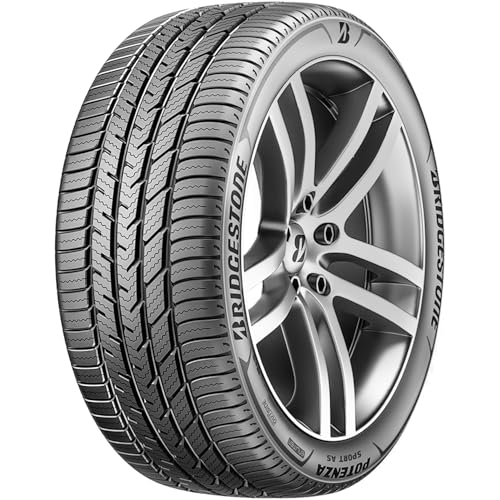
Bridgestone’s PeakLife tread compound gives the Potenza Sport AS a clear focus on lasting performance. The tire brings an all-season tread to the sporty Potenza line, so your Audi A5 can keep a responsive feel while gaining broader weather range than a summer tire.
Full-depth 3D sipes and an open shoulder design add biting edges for traction. Circumferential and lateral grooves push water out from beneath the tread, helping resist hydroplaning on rainy roads. That tread layout gives you wet-road confidence while keeping the tire’s performance character intact.
Bridgestone backs the Potenza Sport AS with a 50,000-mile limited tread-life warranty. Its PeakLife compound supports longer wear, while the all-season design handles changing road conditions. The result is a tire built for drivers who want their A5 to feel engaged on dry pavement without giving up practical wet-weather grip.
Bottom line: Pick it for an A5 that needs sporty road manners and longer tread-life coverage. It suits drivers who face rain and occasional light snow.
Pros
- Excellent dry grip and responsive handling
- Wet braking adds control in rain
- Racing-derived design supports high-speed stability
- Used by several performance car makers
Cons
- Summer tread lacks winter-weather traction
Endurance racing helped shape the Michelin Pilot Sport 4S, a summer tire built for sharp control and high-speed road handling. On an Audi A5, its strong dry grip gives you a planted feel through fast corners, while its responsive steering suits spirited drives.
Michelin uses different tread compounds across the tire to balance dry grip with wet braking. Its outer tread focuses on grip through corners, while the inner area adds silica-rich rubber for wet-road performance. That wet braking control gives the Pilot Sport 4S more range than a tire focused only on dry pavement.
The Michelin Pilot Sport 4S has earned fitment approval from performance car makers such as Mercedes-AMG, Ferrari, and Porsche. Its focused design makes sense for warm-weather driving, when the A5’s handling can take center stage. Since it is a summer tire, it does not offer the year-round flexibility of an all-season model.
Bottom line: Choose it for warm-weather drives when you want your A5 to feel precise and planted. It suits drivers who value handling over year-round use.
Pros
- Asymmetric tread supports quick response in turns
- Flexible compound grips wet pavement
- Tread pattern limits road noise
- Lightweight construction supports nimble handling
Cons
- Performance focus offers limited snow versatility
Quick steering response is central to the Goodyear Eagle F1 Asymmetric 6. Its asymmetric tread pattern helps the tire respond cleanly in turns, giving your Audi A5 precise cornering feel on dry roads.
Goodyear shaped the tread to keep more rubber in contact with the road for stability during spirited driving. A flexible compound maintains contact on wet pavement, where it adds traction and control. The tire’s low-noise tread pattern also helps keep the cabin calmer on longer drives, while its lightweight construction supports a nimble road feel.
The Eagle F1 Asymmetric 6 suits drivers who want an engaging tire for clear, wet, and dry roads. Its combination of quick turn-in and quiet running makes it a natural match for the A5’s balanced character. This is a performance-focused tire, so its strengths center on road handling rather than snow capability.
Bottom line: Consider it for an A5 driven mainly on clear or wet roads. It gives you crisp steering and a quieter ride for daily travel.
Pros
- Wet and dry braking performance
- Snow traction for an all-season tire
- Low road noise supports a comfortable ride
- Up to 50,000 miles of limited tread-life coverage
Cons
- Snow grip does not match a dedicated winter tire
General designed the G-MAX AS-07 to deliver performance across dry roads, rain, and snow. Its all-season focus gives your Audi A5 broader weather range than a summer tire, while the tread design aims to keep road noise low for a more comfortable daily drive.
The tire delivers wet and dry braking, with snow traction for colder conditions. That mix suits an A5 used for commuting and weekend drives, where dependable response matters more than track-focused grip. General backs the G-MAX AS-07 with up to 50,000 miles of limited tread-life coverage, adding useful support for regular driving.
The G-MAX AS-07 keeps its focus on practical performance rather than an extreme summer setup. Its quieter ride can make longer trips less tiring, and the all-season tread gives you more flexibility as the weather changes. General Tire’s design gives A5 drivers a performance-style option with coverage for a broad mix of road conditions.
Bottom line: Choose it for an Audi A5 that needs all-season traction and a quiet ride. It suits drivers who want performance-focused handling with tread-life coverage.
Factors to Consider When Choosing Tires for Audi A5
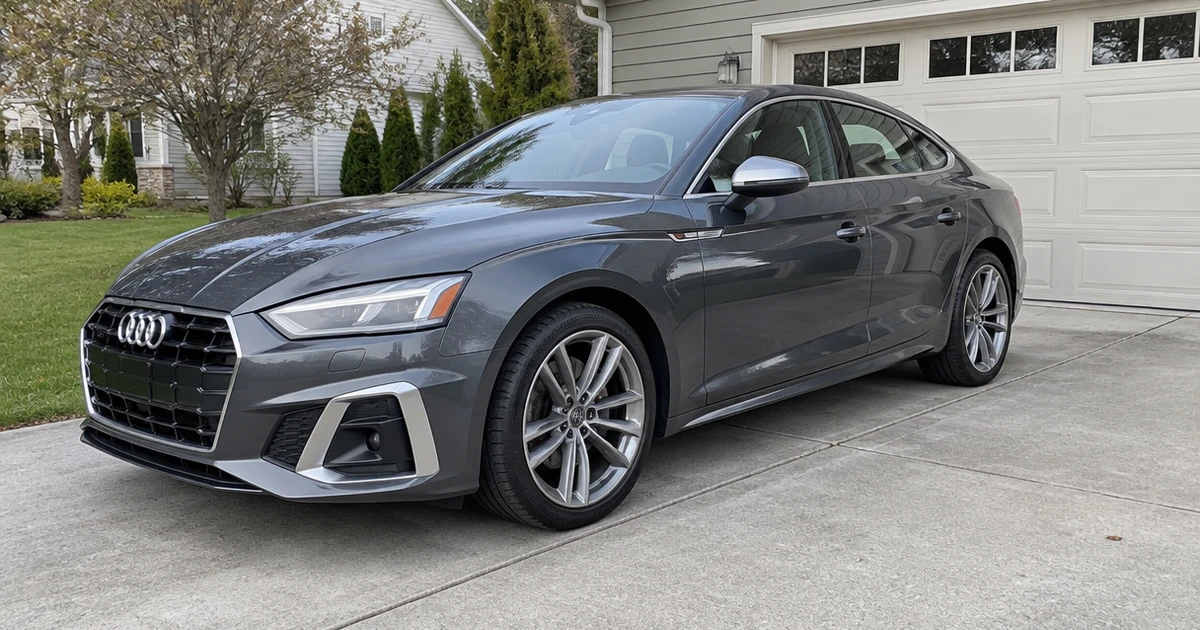
An Audi A5 can use different tire setups across model years and trims, so begin with the vehicle’s approved fitment. Then weigh climate and driving style against comfort, traction and long-term wear.
Fit and Ratings
Read the tire size on the driver-side door placard, then compare it with the sidewall of the tires on the car. The placard lists Audi’s approved fitment and cold pressure; the owner’s manual may list other approved setups. Do not rely on wheel diameter alone, since tire width and sidewall height also affect clearance and handling.
Match the required load index and meet the specified speed rating. The load index tells you how much weight each tire supports, while the speed rating reflects its tested capability at speed.
Some A5 trims use staggered fitment, with different front and rear sizes, which can limit rotation. Confirm fitment by model year, trim and wheel package before you buy.
Season and Climate
Choose a tire type for the winters you actually drive through. All-season tires suit mild climates and occasional cold snaps, while summer tires focus on warm-weather grip and steering response.
Dedicated winter tires use cold-flexible rubber and tread designs that grip snow and slush. All-weather tires offer a year-round option when you need more winter traction than a typical all-season tire provides.
All-wheel drive can help your A5 pull away on slippery roads, but it cannot improve braking or cornering grip. Use the table to match a tire category to your usual conditions, then check local rules for winter markings.
| Tire type | Best fit | Main strength |
|---|---|---|
| Summer | Warm roads, little cold weather | Warm-weather response |
| All-season | Mild winters, mixed use | Year-round convenience |
| Winter | Frequent snow or ice | Cold-weather grip |
| All-weather | Variable seasons, occasional snow | Year-round winter capability |
Wet and Snow Traction
Rain performance matters because broad tires can move a lot of water, and standing water can lift a tire and cause hydroplaning. Look for independent wet-braking and hydroplaning results from a trusted tire test, and compare the same tire category and similar sizes. Strong wet braking can matter more than a small gain in dry cornering if your roads stay wet for much of the year.
Check the tread pattern for wide circumferential grooves and open channels that help move water away. Keep pressure at the door-placard setting; underinflation can weaken response and add heat. If you drive in snow, seek the three-peak mountain snowflake symbol on winter or all-weather tires rather than relying on a marketing label alone.
Steering, Ride and Noise
Decide whether you value crisp steering or a calmer ride more. Ultra-high-performance tires usually use firmer tread compounds, stiff sidewalls and broad shoulder blocks to support quick response in warm weather.
Those choices can make sharp bumps and coarse pavement feel stronger inside the cabin. Touring tires generally favor comfort and lower road noise, though they may feel less direct during a fast lane change.
Check independent road-noise and comfort tests if cabin quiet matters to you, and read reviews for your exact size because tread designs can behave differently across sizes. For spirited driving, choose a tire with a firm sidewall and predictable breakaway. For long commutes, a smoother touring design may make more sense.
Tread Life and Warranty
Read the UTQG treadwear grade as a rough comparison, not a promise of the exact life you will get. Manufacturers assign those grades, and they do not reflect one universal real-road test. A mileage warranty may require regular rotations, alignment checks and proof of service, so read its conditions before relying on the mileage claim.
Your driving habits can matter more than the rating. Hard launches, sharp cornering, rough roads and incorrect pressure all speed wear. Check tread depth across the inner, center and outer ribs every month; uneven wear can point to alignment or inflation trouble that a new tire alone will not fix.
Matching and Maintenance
If your A5 has all-wheel drive, closely matched tire circumference helps the drivetrain work as designed. Follow the owner’s manual on allowable tread-depth differences, and replace a full set when wear varies beyond that limit.
If one tire suffers a puncture, ask a tire shop to measure the remaining tread before replacing only that tire. A repair may work when damage sits in the tread and stays within repairable limits.
Check cold pressure monthly and before long trips, using the door placard rather than the maximum pressure molded into the sidewall. Use this quick routine:
- Check pressure before driving, when the tires are cold.
- Inspect tread for uneven wear, cuts or embedded objects.
- Rotate tires only if the vehicle’s approved pattern allows it.
Frequently Asked Questions
What tire size fits an Audi A5?
Use the size listed on the driver-side door placard or in the owner’s manual, and match the required load index and speed rating. The correct setup can vary by model year, trim and wheel package. Check those details before ordering, even if the car already has tires that appear to fit.
Are all-season tires suitable for snow?
All-season tires can handle light snow and cold weather, but they lose grip as temperatures drop and may struggle on packed snow or ice. If winter brings frequent snow, freezing rain or steep roads, dedicated winter tires usually give you stronger braking and control. All-wheel drive does not replace winter traction.
Should I replace all four tires at once?
Replacing all four tires keeps tread depth and rolling circumference more consistent, which matters for all-wheel-drive systems. Follow the vehicle manual’s limits for tread differences. If damage affects one tire, have a tire professional compare its tread and assess whether repair or replacement fits the car’s requirements.
Can I rotate tires on an Audi A5?
Check the manual for the approved rotation pattern and interval, since some A5 setups use different front and rear sizes and cannot rotate front to back. For a square setup, regular rotation can help tires wear more evenly. Ask a shop to inspect alignment if one shoulder wears faster than the rest.
How often should I check my tires?
Check pressure monthly and before a long trip, when the tires are cold. Inspect tread and sidewalls for uneven wear, cuts or bulges at the same time. Replace tires when tread gets too shallow for safe grip, and follow local rules for minimum tread depth.