
This post may contain affiliate links. As an Amazon Associate I earn from qualifying purchases. If you choose to make a purchase, I may earn a small commission at no extra cost to you.
Choosing tires for an Audi A4 means balancing the car’s precise steering with the roads and weather you face. The wrong type can feel harsh on a daily commute, lose bite in heavy rain, or struggle when temperatures drop. Fitment also varies by model year, trim, and wheel setup, so matching the sidewall matters as much as choosing a tread style.
A good set should suit your climate, driving pace, and comfort needs while meeting the car’s load and speed requirements. This guide to the best tires for Audi A4 you can buy in 2026 covers options for touring, all-season use, winter confidence, and warm-weather performance, so you can narrow your choice around how you drive.
Our Top Audi A4 Tires Picks




More Details on Our Top Picks
Pros
- Responsive steering for an all-season tire
- Confident grip on wet pavement
- Balances sporty handling with year-round use
- Selected by Chevrolet for the Corvette
Cons
- Deep-snow grip falls short of a dedicated winter tire
The asymmetric tread on the Michelin Pilot Sport All Season 4 gives your Audi A4 a sporty feel while keeping all-season grip in the picture. Its layout balances dry-road response with wet traction, so steering stays composed when the weather changes.
You get a tire built for drivers who enjoy a quick, direct response from the wheel. Michelin designed it to keep its performance over time, rather than focus only on sharp grip when new.
Michelin Pilot Sport All Season 4 also has a notable performance-car connection: Chevrolet selected it as the first all-season tire for the Corvette. That choice reflects the tire’s mix of precise handling and year-round usability.
In daily driving, it feels at home on winding roads and during brisk highway runs. You still get the flexibility of an all-season tire for ordinary wet and cooler conditions, without giving up the responsive character that suits the A4.
Bottom line: Choose the Michelin Pilot Sport All Season 4 for an Audi A4 that needs sporty handling through changing seasons. It fits drivers who value steering response as much as everyday versatility.
Pros
- Strong wet braking
- Sporty tread design
- Light-snow traction for mild winter weather
- Built-in tread wear gauge
- 45,000-mile limited tread life warranty
Cons
- Light-snow capability does not suit heavy winter conditions
If rain is a regular part of your A4 commute, the Goodyear Eagle F1 All Season puts wet braking near the center of its design. Its sporty tread pattern channels water away from the contact area to help you keep control on slick roads.
The tire also offers light-snow traction, which adds useful flexibility for mild winter weather. Its all-season compound works with the tread design to give you grip across more than one season.
Goodyear builds a wear gauge into the tire, so you can track tread wear without guessing from appearance alone. That feature pairs with a 45,000-mile limited tread life warranty, giving you a clear reference for its intended service life.
On an Audi A4, the Eagle F1 All Season brings a firmer, sport-oriented feel to everyday driving. The steering response suits drivers who want the car to feel engaged, while the tread’s wet-weather focus pays off during rainy trips.
Bottom line: The Goodyear Eagle F1 All Season suits A4 drivers who face frequent rain and occasional light snow. Its wear gauge and warranty also appeal if you want a clear tread-life reference.
Continental ExtremeContact DWS06 Plus

Pros
- SportPlus Technology for responsive handling
- D, W, and S tread wear indicators
- Strong wet and dry grip
- Capable snow and ice traction
- Up to 50,000-mile limited tread life coverage
Cons
- The sporty setup can feel firm on rough pavement
Continental’s SportPlus Technology gives the ExtremeContact DWS06 Plus its blend of responsive handling and year-round grip. The tread design handles dry and wet roads with confidence, while its snow and ice traction gives your Audi A4 more winter range than a typical summer tire.
The D, W, and S markings molded into the tread act as performance indicators. As the tire wears, those letters disappear to show when it no longer has its original tuning for dry, wet, or snowy conditions.
On dry pavement, you get a precise feel through corners and composed braking. In rain, the tread clears water from the contact area, and in snow the tire’s traction features give you more control on seasonal trips.
Continental backs the ExtremeContact DWS06 Plus with up to 50,000 miles of limited tread life coverage. Its sporty appearance also fits the A4’s design, while the tire’s broad ability suits daily drives that include changing weather.
Bottom line: Pick this Continental if your A4 needs sharp road manners and useful snow traction in one tire. It fits drivers who deal with mixed seasons but still enjoy responsive handling.
Pros
- Three-peak mountain snowflake severe-snow rating
- Confident wet and dry braking
- Directional tread clears water and slush
- Maintains useful performance as it wears
Cons
- Directional tread can sound more pronounced on coarse pavement
The Michelin CrossClimate2 carries the three-peak mountain snowflake mark, a sign of its tested severe-snow capability. Its directional, V-shaped tread moves water and slush away from your Audi A4’s contact patches for steady control in changing weather.
Michelin designed the tire for year-round use, with strong wet and dry braking even as the tread wears. Its tread compound adapts to a broad range of temperatures, which helps the CrossClimate2 keep its grip through seasonal shifts.
You can feel the design’s touring focus in ordinary driving: the tire gives a planted response without asking you to give up winter traction. The broad tread blocks also create a stable feel on dry roads, while the angled grooves clear standing water.
For an A4 used through wet winters and warm summers, the CrossClimate2 adds snow credentials to everyday road manners. Its distinctive tread makes its purpose clear, and the directional pattern supports that all-weather role.
Bottom line: The CrossClimate2 suits A4 drivers who face regular winter weather and want one tire for the full year. Choose it for its snow rating and secure wet-road braking.
Pros
- Dense siping supports grip and a quieter ride
- Four wide grooves help resist hydroplaning
- Asymmetric tread supports handling and braking
- 50,000-mile limited tread life warranty
Cons
- Deep-snow grip is limited compared with a winter tire
Quiet manners are a welcome part of the Pirelli P Zero AS Plus 3’s sporty design. Its dense siping adds road grip while softening tire noise and vibration, so your Audi A4 stays more settled on daily drives.
The asymmetric tread supports traction, handling, and braking across changing conditions. Four wide grooves carry water and slush away from the tread, giving you added resistance to hydroplaning when roads turn wet.
On dry pavement, the P Zero AS Plus 3 gives the A4 a confident response through bends. Its all-season tread brings useful flexibility when temperatures fall, while the performance-focused design keeps the steering feel engaging.
Pirelli backs the tire with a 50,000-mile limited tread life warranty. That coverage complements its focus on lasting performance, and the quiet tread design makes a noticeable difference during longer highway drives.
Bottom line: The Pirelli P Zero AS Plus 3 fits A4 drivers who want sporty road manners without giving up a quieter cabin. It’s a good option for wet roads and mild winter conditions.
Pros
- PeakLife compound focuses on long tread life
- Full-depth 3D sipes add biting edges
- Grooves help clear water
- 50,000-mile limited tread life warranty
Cons
- Firm tuning can send sharper impacts through the cabin
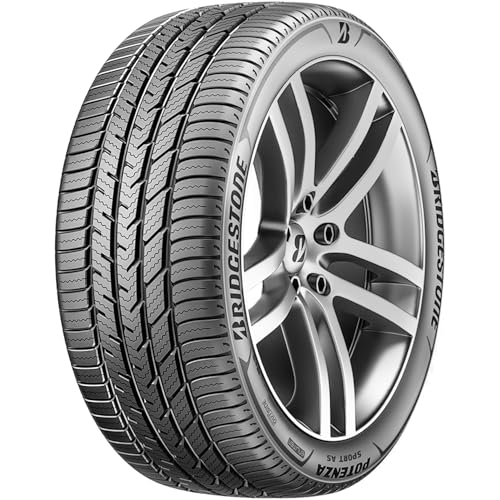
Bridgestone’s PeakLife tread compound gives the Potenza Sport AS a clear focus on wear life alongside its sporty all-season performance. The company backs it with a 50,000-mile limited tread life warranty, a useful match for drivers who put plenty of miles on an Audi A4.
Full-depth 3D sipes add biting edges across the tread, while the open shoulders help the tire hold grip through turns. Circumferential and lateral grooves move water away from the contact area to reduce hydroplaning risk in heavy rain.
On dry roads, the Potenza Sport AS gives your A4 a quick steering response. The tread’s wet-weather features also bring steady braking and grip when rain disrupts a commute.
Its all-season design adds some cold-weather flexibility without changing the tire’s performance character. The Potenza name reflects the tire’s sporty intent, while its wear-focused compound makes that intent more practical for regular driving.
Bottom line: The Potenza Sport AS suits A4 drivers who want sporty handling with a longer-wearing all-season tread. Consider it if you drive often and still want a responsive feel.
Pros
- Multi-pitch tread helps quiet road noise
- Designed to resist irregular and early wear
- Tread pattern clears water and winter slush
- Comfortable touring character
Cons
- Steering response feels less sporty than a performance tire
Quiet touring manners define the Bridgestone Turanza EverDrive. Its multi-pitch tread pattern varies the timing of the tread blocks, which helps reduce road noise and vibration inside your Audi A4.
Bridgestone uses a next-generation compound designed to resist irregular and premature wear. That focus gives the tire a practical edge for drivers who spend long hours on local roads and highways.
The tread pattern moves water and winter slush away from the contact area, giving you more reassuring control on wet roads. Its touring design favors a calm, comfortable drive over a sharp, track-like feel.
For everyday A4 use, the EverDrive keeps the ride composed while still preparing for changing weather. The combination of wear-focused rubber and noise-conscious tread design makes it suited to long commutes and routine errands alike.
Bottom line: The Turanza EverDrive fits A4 drivers who value a quiet ride and steady touring manners. Choose it for commuting and longer trips rather than sharp, sporty steering.
Pros
- Bi-Compound tread balances dry and wet grip
- Hybrid aramid-and-nylon belt supports control
- Precise steering at speed
- Strong wet braking
Cons
- Summer tread does not suit snow or freezing conditions
Michelin’s endurance-racing background shapes the Pilot Sport 4S, a summer tire built for sharp control. Its Bi-Compound tread uses different rubber compounds across the tread, pairing strong dry grip with wet-road traction.
Dynamic Response Technology uses a hybrid belt made with aramid and nylon to help the tire hold its shape under hard cornering. That construction gives your Audi A4 a direct steering feel and stable control at speed.
The Pilot Sport 4S delivers strong dry grip and wet braking when warm-weather roads demand more from the car. Michelin’s high-performance design also appears on vehicles from makers such as Mercedes-AMG, Ferrari, and Porsche.
In an A4, the tire brings precise turn-in and a planted feel on quick drives. The summer tread puts road grip first, so you can enjoy responsive handling when conditions suit its intended use.
Bottom line: The Pilot Sport 4S is for A4 drivers who want sharp summer handling and strong wet braking. Choose it for warm-weather driving, not year-round use in winter climates.
Pros
- SportPlus Technology supports responsive handling
- Strong wet and dry braking
- Performance-focused grip for warm weather
- Up to 30,000-mile limited tread life coverage
Cons
- Summer compound does not suit snow or freezing weather
Precise turn-in and strong braking give the Continental ExtremeContact Sport 02 its appeal for warm-weather driving. Its SportPlus Technology pairs a performance-focused tread compound with a design made to deliver grip on dry and wet roads.
In an Audi A4, the tire gives you a direct feel through corners and a stable response when you brake hard. Its wet-road grip adds confidence when summer rain catches you out, rather than limiting its ability to dry pavement.
Continental backs the ExtremeContact Sport 02 with up to 30,000 miles of limited tread life coverage. The tire also draws on Continental’s performance work with groups such as the AMG Driving Academy and ROUSH Performance.
This summer tire has a focused character that suits spirited drives and clear-weather trips. Its quick response lets you place the A4 accurately through bends, while the tread design supports short braking on wet or dry pavement.
Bottom line: The ExtremeContact Sport 02 suits A4 drivers who want precise handling and strong summer braking. It’s a fit for warm-weather use, including spirited drives on wet roads.
Pros
- Strong wet and dry braking
- Tread design targets snow traction
- Quiet ride for highway trips
- Up to 50,000-mile limited tread life coverage
Cons
- Steering feels less precise than a dedicated summer tire
Wet and dry braking sit at the heart of the General G-MAX AS-07’s design. Its all-season tread also targets snow traction, giving your Audi A4 useful flexibility when the weather shifts.
General designed the tire for a quieter ride, which helps keep road noise from taking over during highway trips. Its tread pattern balances open water channels with biting edges for traction across changing road conditions.
The G-MAX AS-07 gives you a sporty feel for an all-season tire, while its tread compound focuses on lasting wear. General backs it with up to 50,000 miles of limited tread life coverage.
For everyday A4 driving, the tire brings wet-road control, some winter ability, and a more relaxed cabin. It handles routine commuting without losing the responsive character that makes a high-performance all-season tire appealing.
Bottom line: The General G-MAX AS-07 suits A4 drivers who want year-round versatility and a quiet ride. Pick it if wet braking and occasional snow traction matter more than summer-tire precision.
Factors to Consider When Choosing Tires for Audi A4
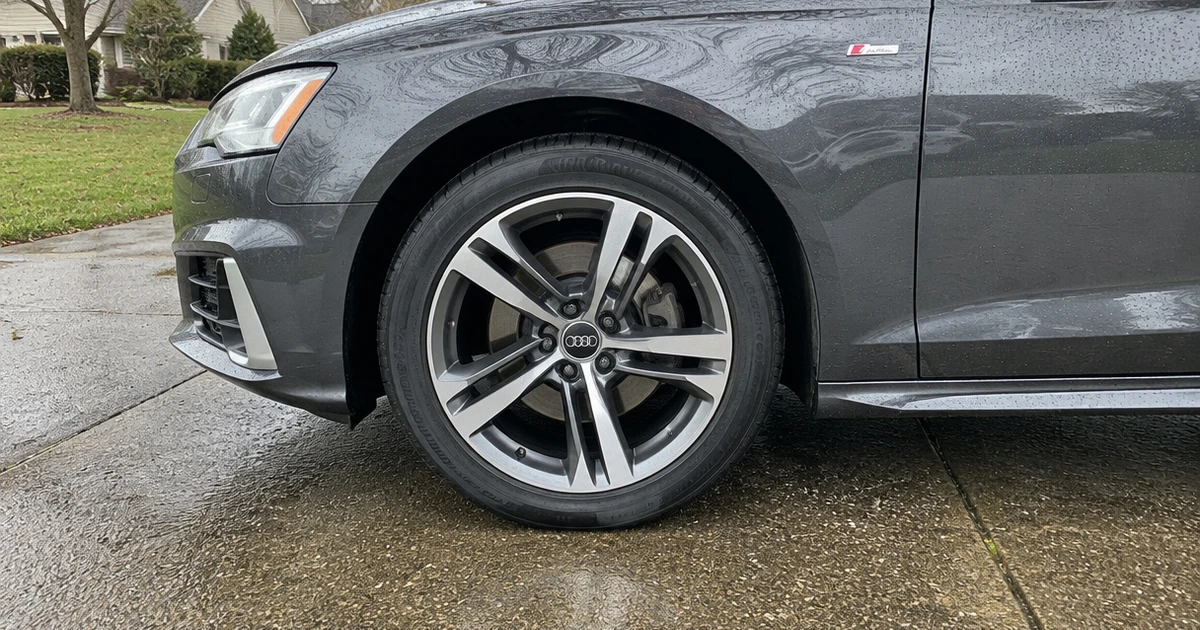
Your tire choice affects steering response, braking, cabin noise, and how confidently your car handles poor weather. Start with the exact fitment and ratings on the vehicle placard or owner’s manual, then weigh climate and driving habits.
Start With the Correct Fitment
Check the tire placard on the driver-side door area and the owner’s manual for the approved size, load index, and speed rating. A4 fitments can differ by model year, trim, and wheel package, so do not rely on a size from another car that looks similar. Keep the same approved dimensions on each axle unless your manual lists a staggered setup.
Read the full sidewall code before ordering or visiting a shop. The first number gives section width in millimeters, the second gives sidewall height as a share of width, and the final wheel number gives rim diameter in inches. A wider or lower-profile tire can change ride feel and wheel protection, but it should match an approved fitment.
Match the Tire to Your Climate
Think about the coldest temperatures and worst conditions you face, not just average weather. All-season tires suit drivers who see mild winters and want one set year-round, while summer tires give sharper warm-weather response but lose grip in cold weather. If snow and ice are regular, dedicated winter tires provide softer rubber and tread designed to hold traction in low temperatures.
Some all-weather tires carry the three-peak mountain snowflake symbol, which indicates they meet a snow traction standard. That mark does not make every all-weather tire equal to a winter tire on ice, so consider steep roads, packed snow, and early-morning trips. If you use separate seasonal sets, plan storage and timely changeovers.
Prioritize Wet-Road Control
Rain performance matters on a sedan with responsive steering and enough power to reach highway speed quickly. Look for tread grooves that move water away from the contact patch and a compound designed to keep grip on wet pavement. Wet braking performance should carry more weight than an aggressive tread look, since appearance alone cannot predict stopping distance.
Think about your local roads, too. Deep standing water raises hydroplaning risk, while frequent rain makes wet grip useful throughout the year.
Check independent tire tests for wet braking and handling in the category and size you need. Keep tread depth healthy and pressure correct, because worn tread and underinflation can weaken wet control.
Choose Ride Comfort or Sport Feel
Decide how much steering sharpness you want to trade for a softer, quieter ride. Sport-focused tires often use stiffer construction and tread patterns that respond quickly, which can make the car feel more direct but also pass more bumps and road noise into the cabin. Touring tires usually favor a calmer ride and longer wear, though they may feel less eager during hard cornering.
Read owner feedback and test results for road noise, ride comfort, and handling rather than focusing on one trait. If you spend hours on rough highways, favor comfort and predictable response. If you drive winding roads at a brisk pace, prioritize steering feel and dry grip, while accepting a firmer ride.
Check Ratings and Upkeep
Compare load and speed ratings with the car maker’s requirements before buying. The load index gives a tire’s rated carrying capacity, while the speed symbol shows its tested speed category. Meet the stated minimums, and check whether your approved fitment calls for extra-load construction, which can feel firmer.
The example below explains a size code, not a size recommendation:
| Code part | Meaning | What to match |
|---|---|---|
| 225 | Section width in millimeters | Approved width |
| 50 | Sidewall height as a share of width | Approved profile |
| R | Radial construction | Construction type |
| 17 | Rim diameter in inches | Wheel diameter |
Use the pressure on the door placard, not the maximum printed on the sidewall. Before buying, confirm:
- The size matches an approved fitment.
- Load and speed ratings meet requirements.
- Pressure and rotation follow the manual.
Frequently Asked Questions
How do I find the right tire size for my Audi A4?
The right size depends on the car’s model year, trim, and wheels. Check the tire placard on the driver-side door area or the owner’s manual, then match the full size code and load and speed ratings. Do not choose by wheel diameter alone, since width and sidewall height also affect fit.
Are all-season tires enough for winter driving?
All-season tires can suit mild winters and occasional light snow, but their grip falls as temperatures drop. If you regularly drive on snow or ice, dedicated winter tires usually give better cold-weather traction. Check local conditions and look for the three-peak mountain snowflake symbol if severe-snow performance matters.
Do I need to replace all four tires at once?
On an all-wheel-drive car, matching tire size, construction, and tread depth across all four wheels helps keep rolling differences small. If one tire has damage, ask a tire professional whether repair or replacement fits the remaining tread. Follow the vehicle maker’s guidance before replacing fewer than four tires.
How often should I rotate my tires?
Follow the rotation interval in your owner’s manual, since it can vary with tire type and driving conditions. Check pressure and tread at least monthly, and inspect the tires after a hard impact or if the car pulls or vibrates. Rotation helps even out wear, but it cannot correct alignment or suspension problems.
What tire pressure should I use?
Use the pressure listed on the placard inside the driver-side door area or in the owner’s manual. Check pressure when the tires are cold, since driving warms them and changes the reading. Do not use the maximum pressure printed on the tire sidewall as your everyday target.