
This post may contain affiliate links. As an Amazon Associate I earn from qualifying purchases. If you choose to make a purchase, I may earn a small commission at no extra cost to you.
Road noise and sharp bumps can make an ordinary commute tiring, even when your car runs well. The right tire can soften small impacts and hush some tread sound, but comfort depends on your vehicle, road surface, tire pressure, and driving habits.
Choosing the best tires for comfort and noise in 2026 means looking beyond a quiet label. Tread pattern, casing design, wet grip, and tread life all shape how a tire feels after the first few miles. This guide explains what matters and covers options for different vehicles and priorities, so you can match a tire to the way you drive.
Our Top Tires for Comfort and Noise Picks


More Details on Our Top Picks
Pros
- Comfort Control Technology reduces road noise and vibration
- Precise steering response for a touring tire
- All-season traction for varied weather
- Composed ride over rough pavement
Cons
- Not built for deep snow or severe winter conditions
- Premium touring focus may not suit performance driving
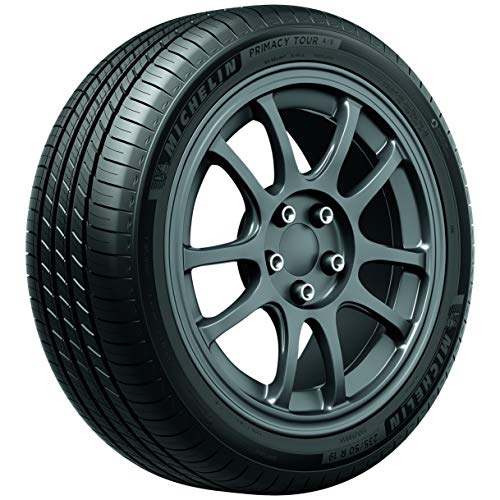
Michelin’s Comfort Control Technology uses computer-optimized tread design to quiet the cabin and soften road vibration. The Michelin Primacy Tour A/S pairs that approach with an all-season tread built for luxury cars and SUVs, giving you a composed ride without dulling steering response.
Its tread blocks are arranged to limit the repeated sounds that can build up on long drives. You get low road noise on typical pavement, along with precise handling that feels steady through curves and lane changes. The tread also channels water away to maintain grip in wet conditions.
In everyday use, the ride feels settled over rough pavement, and the tire keeps its touring character in changing weather. The Michelin Primacy Tour A/S brings quiet comfort and confident control together for drivers who spend a lot of time on the road. Its all-season design can handle light winter conditions, though it is not a dedicated snow tire.
Bottom line: Choose the Michelin Primacy Tour A/S for a refined daily ride in a car or SUV. It suits drivers who value quiet travel and responsive handling.
Pros
- EcoPlus Technology supports efficiency and wet braking
- Low cabin noise on daily drives
- Light-snow traction for all-season use
- QuickView tread indicators show wear
- 70,000-mile limited tread life coverage
Cons
- Light-snow traction does not replace a winter tire
For a quiet commute with a focus on efficiency, the Continental PureContact LS brings together touring comfort and Continental’s EcoPlus Technology. That design balances fuel economy with wet-road braking and tread life, so daily driving feels calm without ignoring practical needs.
The tread pattern keeps road noise low in the cabin, while its all-season layout provides traction in light snow. On wet pavement, the tire is built to stop with control and maintain a sure feel through turns. Its 70,000-mile limited tread life coverage adds reassurance for drivers who rack up miles.
Continental’s QuickView Indicators sit in the tread and give you a visual cue as performance changes with wear. The Continental PureContact LS feels particularly settled on long highway trips, where steady tracking and a quiet ride matter most. Its balance of comfort and efficiency makes it a capable choice for year-round touring.
Bottom line: The Continental PureContact LS fits drivers who want a quiet touring tire with an efficiency-minded design. Consider it for regular commuting and highway miles.
Pros
- AquaChannel grooves move water away from the tread
- Noise-reducing tread pattern
- Built-in Wear Gauge tracks tread condition
- Smooth handling and impact absorption
- 65,000-mile tread life limited warranty
Cons
- Deep snow calls for a dedicated winter tire
Wet-road confidence is a key part of the Goodyear Assurance ComfortDrive’s design. Its AquaChannel grooves move water out through the tread, while the noise-reducing pattern helps keep the cabin calm on rainy commutes and longer drives.
Goodyear also tunes the tread for smooth handling and impact absorption, so bumps feel less sharp and curves feel controlled. The tire maintains traction in wet and cold weather, and a built-in Wear Gauge gives you a quick visual read on tread condition. That combination makes the quiet, cushioned ride useful beyond smooth highways.
The Goodyear Assurance ComfortDrive carries a 65,000-mile tread life limited warranty. Its all-season tread and responsive steering suit everyday use in cars and SUVs, with water-clearing grooves adding confidence when rain covers the road. The ride feels refined without making the steering feel vague.
Bottom line: The Goodyear Assurance ComfortDrive is a good fit for SUV and car drivers who face frequent rain. It also suits anyone who wants a cushioned ride and a simple tread-wear indicator.
Pros
- Multi-pitch tread pattern reduces road noise
- Compound targets irregular and early wear
- Tread channels water and winter slush
- Smooth touring-focused ride
Cons
- Not intended for severe winter conditions
- Less suited to drivers seeking sporty response
The Bridgestone Turanza EverDrive uses a multi-pitch tread pattern to vary the sounds its tread blocks make as they meet the road. That design reduces the steady hum and vibration that can wear on you during longer trips, giving this touring tire a clear focus on quiet comfort.
Its compound targets irregular and premature wear, which can help the tread maintain a more even contact with the road over time. Bridgestone also shapes the tread to move water and winter slush away from the contact area. That gives you more composed control on wet roads and in mild winter weather.
On daily commutes, the Turanza EverDrive is built to feel smooth and settled rather than sporty. Its water-evacuating tread pattern adds useful all-season traction, while the noise-focused block arrangement keeps road sound in check. The combination suits drivers who spend hours on paved roads and want comfort that lasts through changing conditions.
Bottom line: The Bridgestone Turanza EverDrive suits drivers who prioritize a quiet commute and steady all-season control. It is a practical fit for regular paved-road travel.
Pros
- 80,000-mile treadwear limited warranty
- Locking 3-D Sipes add wet and dry grip
- Built for long tread life
- All-season design for cars and SUVs
- Dependable wet-road stopping
Cons
- Touring tread favors comfort over sharp sport handling
- Not designed for severe snow
Long tread life anchors the Michelin Defender2’s design, and its 80,000-mile treadwear limited warranty reflects that focus. Michelin uses Locking 3-D Sipes, which create many biting edges for grip on wet and dry pavement while helping the tread blocks stay stable under load.
The tire’s all-season tread is built to deliver dependable stopping power as road conditions change. Its touring design also favors a calm, comfortable ride for cars, minivans, CUVs, and SUVs. You get durable everyday comfort with a tread made to handle frequent driving.
Michelin redesigned the Defender2 to extend tread life, making it a sensible option for drivers who keep their vehicles for years. The Locking 3-D Sipes add grip without giving up the steady feel expected from a touring tire. On wet pavement, the tread’s many edges help the tire maintain control during braking and turns.
Bottom line: The Michelin Defender2 suits drivers who cover many miles and want a long-wearing all-season tire. It also fits families who value predictable wet-road braking.
Pros
- Variable-pitch tread helps reduce road noise
- 3-D sipes add cold-weather grip
- Touring design balances comfort and handling
- 70,000-mile limited treadwear warranty
Cons
- Light-snow ability falls short of a winter tire
- Sport-focused drivers may want sharper handling
The Pirelli P7 AS Plus 3 brings a grand touring feel to year-round driving, with a tread layout shaped for steady handling and a calm cabin. Its tread compound and pattern balance grip on wet and dry roads with the even wear drivers need from a daily tire.
A variable-pitch tread arrangement helps break up the repeating sounds that can reach the cabin on coarse pavement. The tread also uses 3-D sipes to add biting edges as conditions turn colder, giving you useful traction in light snow. Its quiet, controlled ride works well on commutes and longer highway trips.
Pirelli backs the P7 AS Plus 3 with a 70,000-mile limited treadwear warranty. The tire’s touring character comes through in its predictable steering and smooth road feel, while its all-season design keeps it ready for changing weather. The Pirelli P7 AS Plus 3 is a balanced option for drivers who want comfort without giving up responsive handling.
Bottom line: The Pirelli P7 AS Plus 3 suits drivers who want quiet touring manners with responsive steering. It is a good match for regular commuting in varied weather.
Pros
- EcoPlus Technology targets efficiency and tread life
- Low road noise for a quieter cabin
- Short wet-road braking distances
- Responsive all-season handling
- Up to 70,000-mile limited tread life coverage
Cons
- Not intended for deep snow or severe winter weather
SUV and crossover drivers get a comfort-focused tread in the Continental CrossContact LX25. Continental’s EcoPlus Technology targets fuel efficiency, tread life, and wet-road braking, giving this touring tire a practical mix of features for everyday miles.
The tread pattern keeps road noise low, which makes long trips more relaxing for you and your passengers. On wet pavement, the tire is designed for short braking distances and responsive handling. Its all-season tread also keeps control consistent as temperatures shift, while EcoPlus Technology ties efficiency and wear into the design.
Continental offers up to 70,000 miles of limited tread life coverage for the CrossContact LX25. In use, the tire’s quiet ride and stable road manners fit the steady pace of family travel. Its wet-road focus adds confidence when rain interrupts a routine drive.
Bottom line: The Continental CrossContact LX25 fits crossover and SUV drivers who want quiet travel and reassuring wet-road control. It is well suited to commuting and family road trips.
Pros
- QuietTrack Technology reduces tread noise
- High-silica compound improves wet and winter performance
- Snow Vices add grip on snowy roads
- 80,000-mile limited warranty
Cons
- Not a replacement for a dedicated winter tire
- Touring tread is not aimed at off-road use
Bridgestone’s QuietTrack Technology gives the Alenza AS Ultra a clear focus on reducing tread noise. That feature works with a high-silica compound, which improves wet and winter performance, to give this SUV touring tire a comfortable feel in changing weather.
Snow Vices in the tread add extra grip on snowy roads, making the Alenza AS Ultra more prepared for light winter conditions than a basic all-season design. Its pattern also keeps road sound in check on dry pavement, so the cabin stays more relaxed during longer drives. Bridgestone backs the tire with an 80,000-mile limited warranty.
The Bridgestone Alenza AS Ultra is built for long-lasting wear and consistent road manners through the seasons. Its QuietTrack Technology helps lower tread noise, while the high-silica compound and Snow Vices add useful traction when rain or snow arrives. The result is a smooth touring tire with a practical winter edge.
Bottom line: The Bridgestone Alenza AS Ultra suits SUV drivers who want a quiet ride with added grip in light snow. Its long warranty also fits drivers who put on many miles.
Pros
- Asymmetric tread supports stable handling
- Wide grooves help clear water
- 3-D sipes add wet and light-snow grip
- Variable tread blocks limit road noise
Cons
- Not intended for severe winter driving
A smooth, predictable feel defines the Yokohama Avid Ascend GT, a grand touring all-season tire built for regular driving. Its asymmetric tread design balances stable handling with water evacuation, while wide circumferential grooves help clear water from beneath the tire.
The tread’s variable block arrangement keeps noise from building into a constant cabin hum. Its 3-D sipes add extra edges for traction in wet weather and light snow, while the tread compound supports year-round use. That blend gives you quiet touring comfort without making the steering feel slow or disconnected.
On the highway, the Avid Ascend GT is designed to track steadily and keep road sound muted. Its all-season design covers everyday weather changes, and the tread layout gives it a composed feel on wet pavement. The Yokohama Avid Ascend GT brings useful comfort and control to daily commuting.
Bottom line: The Yokohama Avid Ascend GT suits drivers who want a comfortable all-season tire for commuting and highway use. Its quiet tread and steady handling make it an easy daily option.
Pros
- Low rolling resistance supports fuel economy
- Can help extend hybrid and EV range
- Quiet, comfortable ride
- Suitable for gas, hybrid, and electric vehicles
Cons
- Efficiency focus may not suit performance driving
- Not designed for severe winter conditions
Efficiency shapes the Michelin e.Primacy, an all-season tire designed for gas, hybrid, and electric vehicles. Its low-rolling-resistance design reduces energy lost as the tire rolls, which can support fuel economy in gas vehicles and driving range in hybrids and EVs.
The e.Primacy also focuses on a quieter, more comfortable ride, an advantage when you want less tire noise in the cabin. Its touring character keeps daily handling calm, while its all-season tread suits regular driving in changing weather. You get efficiency-focused design without giving up the comfort expected from a passenger tire.
Michelin presents the e.Primacy as a premium all-season option with an emphasis on extending driving range and tread life. The Michelin e.Primacy is built for drivers who want to reduce rolling resistance while keeping road noise down. Its mix of quiet comfort and energy efficiency works across several types of powertrains.
Bottom line: The Michelin e.Primacy suits drivers who want a quiet tire with an efficiency focus. It is especially relevant for hybrid and electric vehicles where rolling resistance matters.
Factors to Consider When Choosing Tires for Comfort and Noise
Quiet, comfortable tires start with a correct fit, then depend on the roads you use and the trade-offs you accept. Compare the tire’s intended use, tread pattern, ride construction, weather ability, and wear coverage before you buy.
Vehicle Fit and Tire Type
Start with the tire size on your driver-door placard or in your owner’s manual, then match the load index and speed rating too. Those ratings affect how much weight the tire can carry and the speeds it can handle. Choosing a lower rating can affect handling and safety, so don’t switch sizes just because a different tire looks more comfortable.
Touring tires usually suit daily commuting and family cars, while SUV touring tires account for heavier vehicles and their loads. Performance all-season tires can sharpen steering, but their firmer response may send more road texture into the cabin. Use this comparison as a starting point, then follow your vehicle maker’s fitment guidance.
| Tire type | Common ride focus | Often suits |
|---|---|---|
| Touring all-season | Quiet, smooth daily driving | Cars and family vehicles |
| SUV touring | Comfort with higher load capacity | Crossovers and SUVs |
| Performance all-season | Sharper steering response | Drivers who value handling |
Tread Design and Cabin Noise
Road noise comes from tread blocks meeting pavement and air moving through the grooves. Varied block shapes and a more closed shoulder area can reduce a steady hum, while wide grooves help clear water but may create more sound on coarse roads. Tire design balances these needs, so look at touring-focused options if cabin quiet matters more to you than sharp steering.
Think about where noise bothers you most. If you spend hours on highways, a smooth, even tread pattern and a tire built for touring often matter more than sporty response.
Rough chip-seal or concrete can dominate cabin sound, and no tire can silence every surface. Compare independent noise tests when available, but check that testers used similar vehicles and roads.
Ride Comfort, Sidewalls, and Pressure
Comfort depends on the tire’s casing, sidewall, and pressure as well as its tread. A more flexible sidewall can absorb small bumps, but it may feel less crisp during quick turns.
A low-profile tire leaves less sidewall to flex, so it often sends sharper impacts through the suspension. If your vehicle offers several approved sizes, a taller sidewall may ride more gently, provided it keeps the required load and speed ratings.
Keep inflation at the pressure on your door placard, not the maximum printed on the tire. Underinflation can build heat and wear the shoulders; overinflation can make the ride harsher and wear the center. Check pressure when tires are cold, and recheck after major temperature changes.
Wet Roads and Winter Conditions
Quiet comfort matters less if a tire loses confidence in rain. Check wet braking and hydroplaning performance in independent tests, and look for grooves that move water away from the contact patch.
If you regularly drive in snow, check for the three-peak mountain snowflake symbol when winter traction matters. An all-season label alone does not promise the same snow grip as a dedicated winter tire.
Match the tire to your climate and habits. Mild winters and occasional rain call for a different balance than frequent mountain snow or heavy downpours.
If you face ice or deep snow, plan for winter tires rather than expecting one all-season set to handle every condition. Strong wet grip can support confidence without a loud, aggressive tread.
Tread Life, Warranty, and Maintenance
Long tread life can reduce how often you replace tires, but harder-wearing designs may trade some softness for durability. Compare the treadwear warranty as a guide, not a promise.
Driving style, alignment, pressure, rotation, and road quality all affect actual life. Check whether the warranty calls for regular rotations, and keep service records if you want to make a claim.
Use this checklist before you choose:
- Confirm your vehicle’s approved tire size and ratings.
- Check the recommended pressure and rotation schedule.
- Read warranty terms for coverage limits and service requirements.
Which Tire Fits Your Quiet-Ride Priorities?
Choose the Michelin Primacy Tour A/S for an all-around comfort focus, or the Continental PureContact LS if a quiet touring feel matters most. SUV drivers can look at the Goodyear Assurance ComfortDrive, while long-wear shoppers can compare the Bridgestone Turanza EverDrive and Michelin Defender2.
The Pirelli P7 AS Plus 3 suits a balanced ride, and the Continental CrossContact LX25 targets wet-road comfort. The Bridgestone Alenza AS Ultra focuses on winter grip, the Yokohama Avid Ascend GT suits broad touring use, and the Michelin e.Primacy favors an efficient ride. Check your vehicle’s approved size and ratings before choosing.
Frequently Asked Questions
Can quiet tires eliminate road noise?
No. A well-matched tire can reduce some tread hum, but road noise also comes from pavement, wind, and the vehicle itself. Rough roads can still sound loud inside the cabin. If noise changes suddenly, check for uneven wear or damage, since those problems can add sound and affect how the car handles.
Are touring tires more comfortable than performance tires?
Touring tires often place more focus on a smooth, quiet ride, while performance tires tend to favor steering response and grip. The difference depends on the specific tire and vehicle. Check independent tests for both comfort and handling, and choose based on the roads and driving style you face most often.
Can tire pressure affect ride comfort and noise?
Yes. Pressure that sits above your vehicle’s recommended level can make the ride feel harsher, while low pressure can cause excess heat and uneven wear. Use the pressure shown on the driver-door placard, and check it when the tires are cold. Proper pressure also helps the tire perform as designed.
How often should you replace tires?
Check tread depth, sidewalls, and wear patterns regularly, and follow your vehicle maker’s guidance for tire replacement. Replace a tire sooner if you find damage, bulges, or uneven wear that a mechanic cannot correct. A tire with worn tread can lose wet-road grip even if it still seems comfortable on dry pavement.