
This post may contain affiliate links. As an Amazon Associate I earn from qualifying purchases. If you choose to make a purchase, I may earn a small commission at no extra cost to you.
Choosing tires for a BMW X1 can get confusing because the right set depends on your climate, driving style, and the exact fitment your vehicle requires. A quiet touring tire may suit daily commutes, while changing weather or a preference for sharper handling can point you toward a different design.
Start with the tire size and load and speed ratings that your vehicle placard or manual shows. Then weigh wet braking, winter traction, ride comfort, tread life, and whether your X1 relies on run-flat tires. This guide to the best tires for BMW X1 in 2026 covers options for varied weather and driving needs, so you can narrow your choices with confidence.
Our Top Tires for BMW X1 Picks




More Details on Our Top Picks
Pros
- 3PMSF-rated snow traction
- V-shaped tread clears water and slush
- Confident dry and wet braking
- Built for long tread life
Cons
- Directional tread limits rotation patterns
The V-shaped tread is the defining feature of Michelin CrossClimate2. Its directional grooves move water and slush away from the contact patch, while the tread blocks provide grip across changing weather.
Michelin’s Thermal Adaptive Tread Compound is made to stay effective through seasonal temperature shifts. The tire also carries the Three-Peak Mountain Snowflake (3PMSF) symbol, which means it meets a defined standard for snow traction.
On dry pavement, you get confident braking and stable steering. In rain, the wide channels help clear standing water, and the tread design gives you added traction when snow covers the road.
Michelin CrossClimate2 also balances year-round grip with long tread life. Its mix of wet and dry braking, snow capability and lasting performance makes it a versatile touring tire for X1 drivers.
Bottom line: Choose it for year-round driving with useful snow traction and strong wet-road control. It suits X1 owners who want one tire for changing seasons.
Pros
- Responsive steering feel
- Strong wet and dry grip
- Performance-focused asymmetric tread
- All-season design for changing temperatures
Cons
- Snow traction trails a dedicated winter tire
If you want a sporty response from your X1, Michelin Pilot Sport All Season 4 brings a performance-tire feel to year-round driving. Its asymmetric tread balances dry-road grip with channels that clear water in wet conditions.
The compound and tread design focus on firm cornering and responsive steering. You get a more direct connection to the road during quick lane changes, while the all-season setup gives you useful traction as temperatures shift.
Chevrolet chose this tire as the first all-season option for the Corvette, a notable sign of its performance focus. That background suits drivers who value crisp handling and confident braking over a soft, cushioned ride.
Michelin Pilot Sport All Season 4 keeps its road manners consistent across daily commutes and spirited drives. Its wet and dry grip makes it a practical performance choice for X1 drivers who want to enjoy winding roads without switching to a summer tire.
Bottom line: Pick it for an X1 with a sporty driving character and year-round road use. It fits drivers who prize steering response and grip.
Pros
- Comfort Control Technology reduces road noise
- Calm ride for longer trips
- Precise touring-oriented handling
- All-season road traction
Cons
- Not designed for severe winter conditions
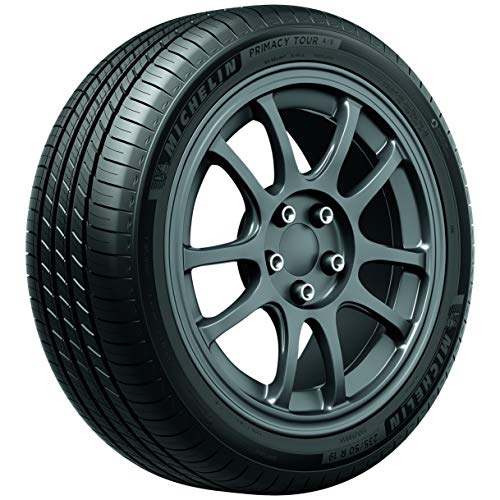
Cabin comfort is a major part of the appeal of Michelin Primacy Tour A/S. Michelin’s Comfort Control Technology uses a carefully tuned tread design to cut road noise and vibration, making longer drives feel calmer.
The tire pairs that quiet ride with precise handling for a premium touring experience. Its tread gives you steady grip on dry pavement and dependable response in the rain, without giving up the relaxed feel expected from a touring tire.
In an X1, that balance can make daily trips and highway miles less tiring. The tread design focuses on a smooth, controlled ride, while its all-season purpose keeps it useful through ordinary changes in weather.
Michelin Primacy Tour A/S is built around comfort and measured steering response rather than sharp, track-like feedback. You get a refined feel for commutes and road trips, with the grip needed for routine wet-road driving.
Bottom line: Choose it for a quiet, comfortable X1 ride and composed daily handling. It suits drivers who spend plenty of time on the highway.
Pros
- SportPlus Technology supports responsive handling
- DWS indicators track changing tread performance
- Strong wet and dry grip
- Useful snow traction
Cons
- Snow grip falls short of a dedicated winter tire
Wet-road control is a major strength of Continental ExtremeContact DWS06 Plus. Its SportPlus Technology combines responsive handling with grip on wet and dry pavement, while the tread design also gives you useful traction in snow.
The DWS markings in the tread serve as quick wear indicators for dry, wet and snow performance. As the tire wears, those letters show which conditions it remains tuned for, giving you a simple way to track its changing capability.
On an X1, the tire’s steering response can make bends and lane changes feel controlled. Its tread channels water away from the contact patch, and the added snow traction gives you more flexibility in cold weather than a summer performance tire.
Continental ExtremeContact DWS06 Plus also comes with limited tread-life coverage of up to 50,000 miles. The blend of grip, steering response and practical wear indicators suits drivers who want a performance tire for daily use.
Bottom line: Choose it for an X1 that needs strong wet-road grip and added snow traction. It suits drivers who want responsive handling through more than one season.
Pros
- Sporty tread design
- Strong wet braking
- Light-snow traction
- Built-in tread wear gauge
- 45,000-mile limited tread-life warranty
Cons
- Light-snow traction cannot replace a winter tire
A sporty tread pattern gives Goodyear Eagle F1 All Season its performance-focused character. The design pairs responsive road manners with wet braking, so you can keep a composed feel when rain hits during a drive.
Its all-season compound provides traction through changing weather, including light snow. That makes it a useful option for X1 drivers who want sharper handling than a comfort-first touring tire while keeping the vehicle in use across the year.
Goodyear builds a wear gauge into the tread to show how much usable tread remains. The tire also carries a limited tread-life warranty, adding a clear durability benefit to its performance design.
Goodyear Eagle F1 All Season balances daily-road grip with a sportier response. In wet conditions, its braking performance is a key strength, while the compound and tread pattern give you steady traction on dry roads.
Bottom line: Pick it for an X1 that needs sporty road manners and year-round traction in mild conditions. It suits drivers who value wet braking and a visible wear gauge.
Pros
- AquaTred grooves clear water and slush
- 3PMSF-rated severe-snow traction
- Evolving grooves maintain water displacement
- Comfort inserts reduce bumps and vibration
Cons
- Snow traction remains below a dedicated winter tire
Rain and slush are where Goodyear Assurance WeatherReady 2 puts its design to work. AquaTred Technology uses sweeping grooves to move water away from the tread, helping you maintain control on wet roads.
Its evolving traction grooves keep displacing water as the tread wears. A specialized all-season compound stays adaptable across changing temperatures, and the tire carries the Three-Peak Mountain Snowflake (3PMSF) symbol for severe-snow service.
Goodyear also uses comfort inserts to soften bumps and reduce vibration through the cabin. The tread’s multi-pitch pattern varies the size of its blocks to lower road noise, which gives your X1 a more settled feel on daily drives.
Assurance WeatherReady 2 combines weather-focused traction with a comfort-minded ride. Its steering control and water-clearing tread make it a capable touring option for drivers who face frequent rain and occasional snow.
Bottom line: Choose it for an X1 that sees frequent rain and occasional snow. It suits drivers who want weather-ready traction without giving up a quiet touring ride.
Pros
- Comfortable grand touring character
- Full-depth sipes retain biting edges
- Balanced wet and dry grip
- Predictable everyday steering
Cons
- Not intended for severe winter conditions
Pirelli P7 AS Plus 3 is a grand touring all-season tire built around a balanced, comfortable ride. Its tread design gives you steady road contact for daily driving, with a focus on composed handling rather than an aggressive performance feel.
The all-season compound and full-depth sipes provide traction across dry, wet and light-snow conditions. Those sipes remain part of the tread as it wears, giving the tire biting edges for changing road conditions throughout its service life.
For an X1, the P7 AS Plus 3 can bring a relaxed feel to commutes and longer highway trips. Its touring character keeps steering predictable, while the tread pattern manages ordinary rain without making the ride feel overly firm.
Pirelli P7 AS Plus 3 is a sensible fit for drivers who value comfort and everyday road grip. It has the balanced nature you want from a touring tire, with enough all-season ability for mild winter weather.
Bottom line: Choose it for a comfortable X1 ride and steady year-round road manners in mild weather. It suits drivers who favor touring comfort over sharp performance.
Pros
- Bi-compound tread balances wet and dry grip
- Dynamic Response Technology sharpens steering
- Strong warm-weather cornering
- Racing-derived design
Cons
- Summer compound is unsuitable for snow or freezing roads
Warm-weather grip is the focus of Michelin Pilot Sport 4S. Its bi-compound tread uses different rubber blends across the tire to balance dry-road grip with wet braking, giving you sharp control in summer conditions.
Michelin developed the tire with ideas from endurance racing, and its Dynamic Response Technology uses a hybrid belt to keep the tread responsive to steering inputs. That design gives your X1 a direct feel through corners and at higher road speeds.
On dry pavement, the Pilot Sport 4S delivers strong grip and precise handling. In rain, its tread and compound support confident braking, so you can keep a composed feel when summer showers arrive.
Michelin Pilot Sport 4S is a max-performance summer tire, not an all-season model. Its warm-weather focus brings the precise steering and road control that drivers seek from a dedicated summer setup.
Bottom line: Choose it for warm-weather driving when your X1 needs precise steering and strong grip. It suits drivers who use a separate tire setup for cold conditions.
Pros
- Run-flat construction after air loss
- All-season road traction
- Up to 65,000-mile treadwear coverage
- Extra-load construction
Cons
- Run-flat sidewalls can feel firm over sharp bumps
A puncture does not have to bring your drive to an immediate stop with Bridgestone DriveGuard Plus. Its reinforced run-flat construction lets you keep moving for a limited distance after a loss of air pressure.
The tire’s all-season tread gives you everyday traction on dry and wet roads, while its design brings a performance-oriented feel to steering. That mix can work well in an X1 where you want responsive road manners and the added mobility of run-flat construction.
DriveGuard Plus also carries a long treadwear rating, with coverage up to 65,000 miles. The extra-load construction supports heavier vehicle demands, and the tire’s all-season layout suits regular driving through varied weather.
Bridgestone DriveGuard Plus is built to add convenience after a puncture without giving up normal road use. Its run-flat sidewalls and touring-minded tread make it a distinct option for drivers who value mobility and year-round traction.
Bottom line: Choose it for an X1 if continued mobility after a puncture matters to you. It suits drivers who want run-flat construction with all-season road use.
Pros
- Four wide grooves clear water
- All-season rubber compound
- Reinforced construction for added strength
- Tread design reduces noise and vibration
Cons
- Deep-snow traction trails a dedicated winter tire
A quiet ride and alert steering shape the character of Hankook Ventus S1 AS. Its tread pattern uses four wide grooves to funnel water away, which gives you added control on wet roads.
The all-season rubber compound provides traction as temperatures change. Hankook reinforces the tire’s construction for strength and load support, while the tread layout works to reduce road noise and vibration inside your X1.
That balance gives the Ventus S1 AS a useful mix of comfort and performance for daily driving. You get a more settled cabin feel without giving up responsive road manners, and the water-clearing grooves add confidence in rain.
Hankook Ventus S1 AS suits drivers who want an all-season tire with a quieter feel than a track-focused design. Its reinforced build and wet-road tread details make it a practical choice for regular use.
Bottom line: Pick it for an X1 that needs year-round traction, wet-road control and a quieter ride. It suits drivers who want a comfortable tire with a performance-minded feel.
Factors to Consider When Choosing Tires for BMW X1
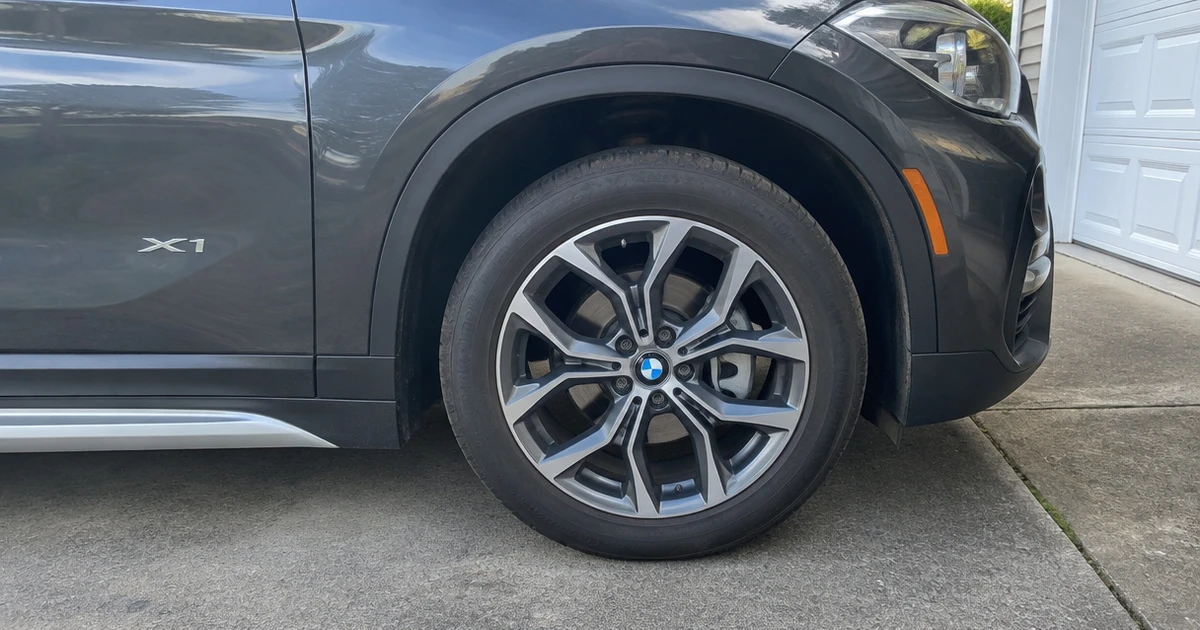
Check your vehicle’s door placard and owner’s manual before comparing tread patterns or seasonal features. They show the fitment and ratings your vehicle needs. Use those as your starting point, then match the tire’s strengths to your roads and weather.
Fitment and Load Ratings
Fitments vary by model year, trim, wheel package, and drivetrain. Check the driver-side placard or owner’s manual first, then match the full size code, load index, and speed rating.
The size code gives width, sidewall profile, and wheel diameter; load and speed ratings show whether a tire meets the vehicle’s requirements. Do not assume the tire already mounted has the right fitment.
Some vehicles use different front and rear sizes, so follow each position the placard shows. Keep the same tire type and size on each axle unless the manufacturer specifies a staggered setup.
Before purchase, compare these details with the placard. Read its pressure target too, not the sidewall’s maximum pressure.
- Approved size for each axle
- Required load index
- Required speed rating
Climate and Tire Season
Choose a tire type to match the coldest conditions you regularly drive through. All-season tires suit many mild climates, while dedicated winter tires use cold-flexing rubber and extra tread edges for snow and low temperatures. Summer tires focus on warm-weather grip and lose traction as temperatures fall, so avoid them in freezing conditions.
A tire with the mountain-snowflake mark meets a defined snow-traction standard, but that mark does not guarantee equal grip on ice. All-weather tires offer year-round use with added snow capability; deep snow and long icy winters favor a dedicated winter set. Use this guide as a starting point:
| Driving conditions | Tire type | Useful feature |
|---|---|---|
| Mild weather, little snow | All-season | Year-round balance |
| Changing weather, some snow | All-weather | Mountain-snowflake mark |
| Frequent snow and ice | Winter | Cold-weather tread and rubber |
| Warm weather only | Summer | Warm-road grip |
Wet Grip and Braking
Rain safety depends on more than a bold tread pattern. Wide circumferential grooves and cross channels help move water away from the contact patch, while fine sipes add biting edges on damp roads. Keep pressure at the placard setting, and replace worn tires before the tread reaches its wear bars if you often drive in heavy rain; shallow grooves raise hydroplaning risk.
On US tires, the UTQG traction grade offers a basic wet-braking comparison, but it cannot predict every road, temperature, or tire pairing. Give priority to independent wet-braking results from tests that use the same size and vehicle class, and compare braking and cornering rather than focusing on a single score.
Ride Comfort and Tread Life
Cabin noise and ride quality matter on commutes and rough pavement. Tread blocks and grooves create different tones, while tire casing and sidewall height shape how much impact reaches the cabin. A comfort-focused tread and an approved fitment with a taller sidewall can soften sharp bumps, though the vehicle’s wheel package may limit your choices.
Use treadwear warranties as one comparison point, not a promise of actual mileage. Heat, inflation, alignment, road surface, and driving habits all change tire life. Rotate tires on the schedule in the manual, and fix uneven wear early; an alignment problem can wear a fresh set quickly.
All-Wheel Drive and Run-Flat Needs
If your SUV has all-wheel drive, keep all four tires close in size, construction, and tread depth. Some systems have tight limits for rolling-circumference differences, so check the manual before replacing fewer than four tires. A tire shop can measure tread depth and confirm whether your remaining tires stay within the vehicle maker’s limits.
Also check whether your vehicle came with run-flat tires and a pressure-monitoring system. Run-flats can keep moving for a limited distance at a restricted speed after losing pressure, but follow the instructions for that tire and vehicle. Conventional tires may ride more softly, yet you should plan a spare or roadside help before switching.
Frequently Asked Questions
What tire size does a BMW X1 use?
Size depends on model year, trim, and wheel package, so use the tire placard near the driver’s door or the owner’s manual. Match the full size code and required load and speed ratings. Do not rely only on the tire already mounted, since a previous replacement may not match the approved fitment.
Can I use all-season tires year-round?
All-season tires can work year-round in mild climates with little snow. If you regularly face deep snow or icy roads, a dedicated winter set usually gives more cold-weather grip. Look for the mountain-snowflake symbol for tested snow traction, and remember that no tire removes the need to slow down on slick roads.
Should all four tires match?
Matching all four tires helps keep handling balanced, especially on an all-wheel-drive vehicle. Some AWD systems also limit differences in tire circumference and tread depth. Check the owner’s manual before replacing fewer than four, and ask a tire shop to measure the remaining tread so you can follow the vehicle’s limits.
Should I choose run-flat tires?
Run-flat tires can keep you moving for a limited distance after a puncture, which can help if your vehicle lacks a spare. You must follow the tire and vehicle instructions for speed and distance. Before switching to conventional tires, plan how you will handle a flat and check the manual for fitment guidance.
What tire pressure should I use?
Use the cold tire pressure on the driver-side placard or in the owner’s manual, not the maximum pressure on the tire sidewall. Check pressure when the tires have sat for several hours, since driving warms them and raises the reading. Recheck after major temperature changes and before a long trip.
When should I replace my tires?
Check tread depth often and replace a tire when its tread reaches the wear bars or damage makes it unsafe. Wet grip can fade before the tread reaches that point. Inspect for cuts, bulges, cracks, and uneven wear, and follow the manual’s rotation schedule to help the set wear evenly.