
This post may contain affiliate links. As an Amazon Associate I earn from qualifying purchases. If you choose to make a purchase, I may earn a small commission at no extra cost to you.
Your Ridgeline may spend most of its time on paved roads, but its tires still need to handle rain, winter mornings, gear, and the occasional dirt road. Choosing a set that favors the wrong task can mean extra noise, less grip, or a ride that feels harsh.
A good match starts with the correct fit and load rating, then balances traction, tread life, comfort, and the weather where you drive. The best tires for Honda Ridgeline you can buy in 2026 cover several priorities, from quiet commuting to rougher routes, so you can focus on the traits that matter in your routine.
Our Top Honda Ridgeline Tires Picks




More Details on Our Top Picks
Pros
- Quiet highway ride
- Long-wearing all-season tread
- Reliable wet-road traction
- Comfortable for daily driving
Cons
- Limited grip in deep mud
- Less suited to rocky trails
A quiet highway tread and long-wearing design give the Michelin Defender LTX M/S2 a practical role on a Ridgeline used for daily driving and road trips. Michelin pairs a refined tread pattern with an all-season compound to deliver steady road manners and reliable traction in changing conditions.
The tread blocks give the tire a stable feel on pavement, while the grooves move water away from the contact area. Michelin also focuses on long tread life and a comfortable ride, two traits that matter when your truck spends more time on asphalt than rough trails.
In everyday use, the M/S2 keeps road noise low and tracks calmly at highway speeds. Its all-season design handles wet roads and light snow, though it does not have the aggressive tread of a dedicated off-road tire.
Michelin Defender LTX M/S2 brings a useful mix of comfort, traction, and durability to a midsize pickup. It suits drivers who want a quiet, road-focused tire that can handle occasional gravel or poor weather without making the commute feel rough.
Bottom line: Choose it for a Ridgeline that spends most of its time on pavement, with occasional rough roads or winter weather. It puts comfort and lasting tread ahead of serious off-road grip.
Pros
- Deep tread for loose surfaces
- Strong sidewall construction
- Three-Peak Mountain Snowflake rated
- Useful wet and snow traction
Cons
- More road noise than a highway tire
- Firm feel on broken pavement
Gravel roads, muddy tracks, and winter weather call for a tire with more bite than a highway tread. The Falken Wildpeak A/T4W gives your Ridgeline an all-terrain tread pattern with durable sidewalls and deep grooves that grip loose ground while clearing water.
Falken uses 3D Canyon Sipe technology to add biting edges across the tread blocks. Its Heat Diffuser technology manages heat around the lower sidewall, a useful detail when your truck carries a load or runs on rough surfaces for long stretches.
The A/T4W carries the Three-Peak Mountain Snowflake symbol, so it meets a recognized standard for severe-snow traction. Its tread also works across a wide range of weather, giving you useful grip on wet pavement and snowy roads without giving up its trail-ready feel.
The Falken Wildpeak A/T4W has the sidewall toughness and tread depth for regular gravel and dirt use. On pavement, expect a more rugged driving character than you get from a road-focused tire, especially as the tread wears.
Bottom line: Pick this tire for a Ridgeline that often leaves the pavement or sees snowy winters. Its rugged tread gives you room to explore without giving up everyday road use.
Pros
- Reinforced sidewalls resist trail damage
- Tread compound resists gravel wear
- Shoulder design grips mud and snow
- Includes a 50,000-mile treadwear warranty
Cons
- Tread can sound busy on pavement
- Firmer ride than a highway tire
BFGoodrich built the All-Terrain T/A KO3 to take hard use on gravel and rough trails. Its revised tread compound resists wear on loose surfaces, while CoreGard Technology reinforces the sidewalls with lessons drawn from Baja racing.
The Advanced Deflection Design pushes sticks and stones away from vulnerable sidewall areas. Serrated shoulder blocks add grip in loose ground, and mud-phobic bars help keep mud from filling the tread. These details give a Ridgeline extra confidence on demanding back roads.
The KO3 also brings useful snow traction, thanks to its shoulder design and biting tread edges. BFGoodrich backs it with a 50,000-mile limited treadwear warranty and a six-year standard limited warranty, giving you a clear ownership benefit alongside its trail-focused construction.
BFGoodrich All-Terrain T/A KO3 favors tough sidewall protection and off-pavement grip. Its aggressive tread feels at home on rocky approaches and muddy tracks, while it still handles ordinary paved driving.
Bottom line: Consider it for a Ridgeline that regularly sees rocky roads, gravel, or muddy access routes. You also get a defined treadwear warranty for added peace of mind.
Pros
- Quiet ride for an all-terrain tire
- TractionPlus Technology supports wet grip
- Comfortable highway handling
- Includes a 60,000-mile tread life warranty
Cons
- Not intended for deep mud
- Less suited to frequent rock crawling
Road comfort matters when your Ridgeline carries you through a long commute before it reaches a gravel road. The Continental TerrainContact A/T uses TractionPlus Technology to blend all-terrain grip with a quieter, smoother feel on pavement.
Continental’s tread design balances stable blocks with grooves that channel water away. That layout gives you useful wet-road grip and traction on dirt roads without the heavy, aggressive feel of a tire aimed at constant off-road use.
The TerrainContact A/T feels composed on the highway, where low road noise helps keep the cabin more pleasant. It also handles light trails and gravel drives, so you can reach a campsite or worksite without giving up everyday comfort.
Continental backs the TerrainContact A/T with a 60,000-mile limited tread life warranty. That coverage fits its road-focused balance, while the tread construction gives your truck added durability for occasional time away from paved routes.
Bottom line: This tire fits a Ridgeline driven mostly on paved roads with occasional gravel or dirt travel. Choose it when cabin comfort matters as much as light off-road traction.
Pros
- All-season tread suits varied conditions
- Useful traction on gravel roads
- Truck-focused tread design
- Handles everyday paved driving
Cons
- Limited bite in deep mud
- Not intended for demanding rocky trails
A truck-style tread gives the Goodyear Wrangler Territory AT a more rugged look and feel than a typical road tire. Its all-season design brings useful grip on dirt and gravel while keeping everyday paved driving in view.
The tread blocks give the tire traction on loose surfaces, and the open channels move water through the contact area on wet roads. Goodyear designed the Territory AT for light trucks, so its character suits the Ridgeline’s mix of passenger comfort and pickup utility.
On daily drives, the Territory AT keeps a steady road feel while adding some confidence on unpaved approaches. Its all-terrain pattern does not turn a Ridgeline into a dedicated trail rig, but it gives you more flexibility when your route includes a dirt lane or a rough parking area.
Goodyear Wrangler Territory AT leans toward practical all-season use rather than extreme off-road work. That makes it a sensible fit for drivers who want a little more tread presence and loose-surface traction without giving up regular road manners.
Bottom line: Consider this tire for a Ridgeline that mixes city miles with occasional dirt roads or worksite access. It suits drivers who want a truck-oriented tread without a highly specialized off-road setup.
Pros
- Three-Peak Mountain Snowflake rated
- Full-depth 3D sipes
- Strong wet and dry braking
- Thermal Adaptive Tread Compound
Cons
- Directional tread limits rotation patterns
- Less suited to off-road trails
The V-shaped directional tread gives the Michelin CrossClimate2 a clear identity and helps it work through rain, slush, and snow. Michelin uses a Thermal Adaptive Tread Compound that stays pliable in cold weather while keeping its shape in warmer conditions.
Full-depth 3D sipes add biting edges across the tread, and the tire carries the Three-Peak Mountain Snowflake symbol for severe-snow service. Its design gives a Ridgeline dependable braking and handling through changing seasons, rather than asking you to swap to a winter tire for ordinary cold-weather driving.
Michelin’s MaxTouch Construction spreads the forces from acceleration, braking, and cornering across the tread. That even contact helps the CrossClimate2 wear steadily, while the directional layout gives it a distinct road feel in wet and dry conditions.
Michelin CrossClimate2 brings year-round traction to a daily-driven pickup. It feels especially useful in places where rain, cold snaps, and occasional snow arrive in the same season.
Bottom line: Choose it for a Ridgeline driven year-round in a mix of rain, cold, and snow. Its all-weather tread and cold-weather rating suit drivers who want one tire for changing seasons.
Pros
- Three-Peak Mountain Snowflake rated
- Full-depth 3D sipes
- Open grooves help clear water
- Aggressive shoulders aid off-road handling
Cons
- Deep mud can overwhelm the tread
- Less suited to rocky trails
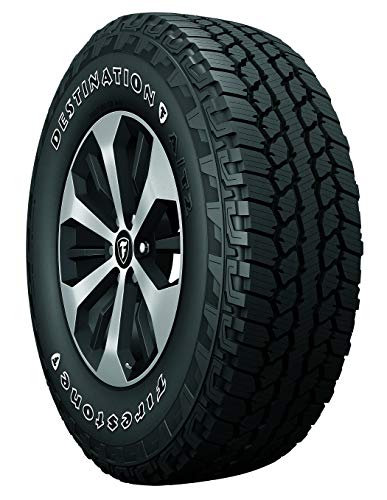
Firestone gives the Destination A/T2 a useful blend of off-road grip and wet-weather control. Its full-depth interlocking 3D sipes create biting edges throughout the tread, while open channels move water away to support wet stopping and handling.
Aggressive shoulder blocks add grip when your Ridgeline rolls onto dirt or gravel. The tread also carries the Three-Peak Mountain Snowflake symbol, so it meets a recognized standard for severe-snow traction.
The Destination A/T2 keeps its tread features working as it wears, rather than relying only on shallow new-tire grooves. That helps maintain consistent performance over time, and the road-oriented design remains comfortable for regular driving between trail visits.
Firestone Destination A/T2 suits a truck that sees wet roads and light off-road use through the year. It gives you added shoulder grip for loose ground without pushing the tread into a mud-terrain design.
Bottom line: This tire suits Ridgeline drivers who face wet roads, winter weather, and occasional dirt tracks. Its snow rating and shoulder tread make it useful for varied driving through the year.
Pros
- Full-depth sipes retain biting edges
- 3D design steadies tread blocks
- Confident wet-road handling
- SUV-focused all-season construction
Cons
- Not suited to deep snow
- Limited traction in mud
A road-focused tread and all-season compound give the Pirelli Scorpion AS Plus 3 a composed feel for daily Ridgeline driving. Pirelli uses full-depth tread sipes that keep their biting edges as the tire wears, supporting traction, handling, and braking over its life.
The 3D sipe design works with the tread pattern to steady the blocks during cornering. That gives you confident steering on dry pavement and useful grip on wet roads, while the SUV-focused construction suits the weight and everyday demands of a midsize pickup.
Pirelli’s tread compound aims for long wear without losing all-season confidence. The Scorpion AS Plus 3 feels at home on commuting routes and highway trips, where its road manners matter more than aggressive trail bite.
Pirelli Scorpion AS Plus 3 brings steady wet and dry handling to paved driving. Its design favors comfort and predictable response, with enough all-season traction for ordinary changes in weather.
Bottom line: Choose this tire for a Ridgeline that mainly sees pavement and needs composed all-season handling. It fits drivers who value daily comfort over regular trail use.
Pros
- 3D multi-wave sipes add traction
- Stone ejectors clear tread grooves
- Three-Peak Mountain Snowflake rated
- Open shoulders grip loose surfaces
Cons
- Tread hum can rise at highway speeds
- Less comfortable than a road-focused tire
Toyo gives the Open Country A/T III a trail-ready tread with features that also work on wet roads and in snow. 3D multi-wave sipes add biting edges, while stone ejectors help clear gravel from the tread grooves.
The tread blocks and open shoulder areas give your Ridgeline useful traction on dirt, loose gravel, and muddy approaches. The tire also carries a Three-Peak Mountain Snowflake rating in this version, so its tread meets a recognized severe-snow traction standard.
Toyo’s all-terrain compound and tread layout balance trail grip with road use. On paved routes, the Open Country A/T III tracks steadily, then gives you more grip when the pavement ends and a rough access road begins.
Toyo Open Country A/T III has a durable, trail-focused design for drivers who use their trucks beyond paved roads. Its tread features give it a broad range of use without relying on a mud-terrain pattern.
Bottom line: Pick it for a Ridgeline that sees regular gravel, dirt, and winter roads. Its trail-oriented tread brings useful grip while still handling highway miles.
Pros
- Comfort Balance Technology reduces road noise
- Three-Peak Mountain Snowflake rated
- Durable tread for gravel roads
- Includes a 60,000-mile tread life warranty
Cons
- Not intended for deep mud
- Less suited to severe rock crawling
General’s Comfort Balance Technology adds a sound barrier layer beneath the tread to reduce road noise. That feature gives the General Grabber APT a quieter cabin feel than its rugged tread might suggest, which suits a Ridgeline that handles both commuting and rougher routes.
The Grabber APT uses a durable tread design for traction on dirt and gravel, while its full-depth sipes add biting edges in wet and snowy conditions. It also carries the Three-Peak Mountain Snowflake symbol, giving you a clear sign of its severe-snow capability.
General balances the open tread features with a road-friendly layout, so the tire feels composed on pavement between off-road trips. Its construction handles the demands of light trail use, and the 60,000-mile limited tread life warranty gives you a specific measure of treadwear coverage.
General Grabber APT suits the mixed use many pickup drivers expect: paved miles, wet weather, and occasional unpaved roads. Its all-purpose design makes it a practical fit for a Ridgeline that works and travels.
Bottom line: Consider this tire for a Ridgeline that needs a quiet ride but also sees dirt roads and winter conditions. Its blend of road comfort and light trail traction suits varied daily use.
Factors to Consider When Choosing Tires for Honda Ridgeline
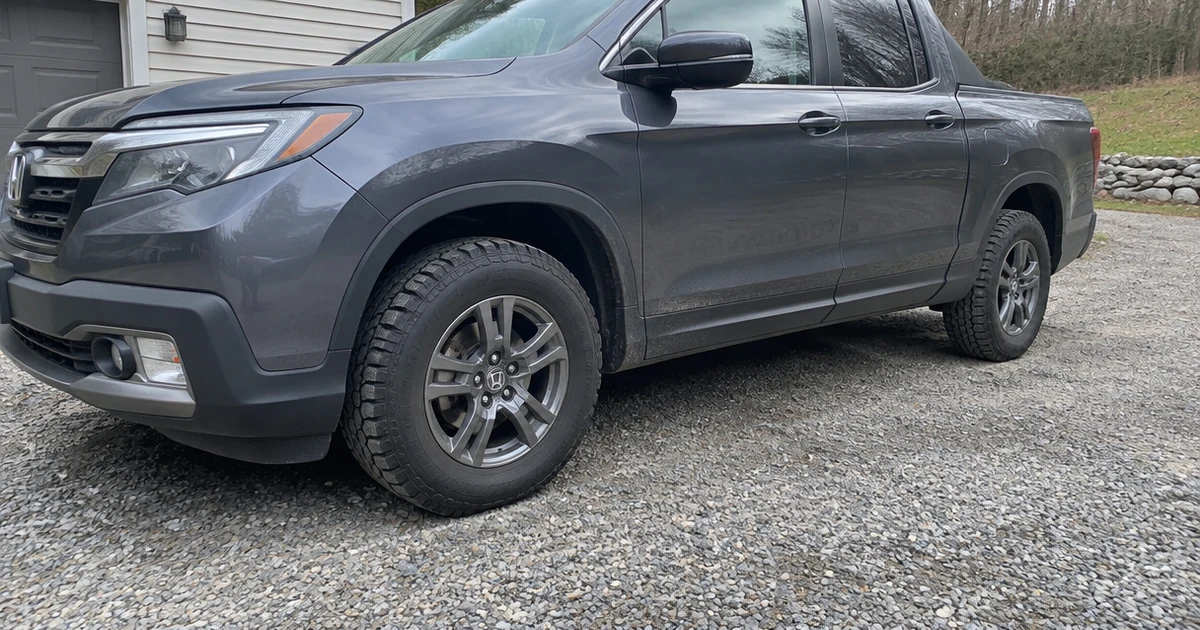
Start with the tire size and load rating in your owner’s manual or driver-door placard. Then match tread and rubber to the roads, weather, cargo, and comfort you expect from your Ridgeline.
Fit and Load Capacity
The door placard gives the original tire size, while the owner’s manual lists approved fitments and load needs. Keep the stated size unless a tire professional confirms that a change works with your wheels, clearance, and vehicle systems. A different diameter can affect speed readings and handling, while a wider tire can rub at full steering lock.
Check the load index and speed rating on each tire. The load index must meet or exceed the vehicle’s requirement, especially if you carry passengers or haul gear.
Do not use a lower speed rating than the placard specifies. Follow the placard’s cold pressure, not the maximum pressure molded into the sidewall.
Tire Type and Tread Pattern
Match the tread to your usual route, not the rare trip you might take once a year. Highway-focused all-season tires suit paved commuting and light gravel, while all-terrain tread uses larger blocks and open grooves for dirt. Those blocks can add noise and rolling resistance, and a more aggressive pattern may feel less settled on pavement.
Think about how often you leave pavement. Frequent dirt travel can justify more open tread.
- Mostly paved roads: favor a highway-oriented tread.
- Regular gravel and dirt: look for a mild all-terrain pattern.
- Frequent rough trails: prioritize open tread and strong sidewalls.
Weather and Seasonal Use
Think about the coldest regular conditions on your route, not just annual snowfall. Standard all-season tires can cover mild winters, but cold rubber and packed snow call for a tire built for winter use.
Check for the three-peak mountain snowflake symbol if you need a tire that meets a recognized severe-snow traction standard. The symbol does not replace careful driving, and winter tires still need seasonal changes when warm weather returns because their softer rubber wears faster on hot pavement.
Drivers who rarely face snow may prefer one tire for all seasons, while frequent snow travel can justify dedicated winter tires. Match your choice to local rules and road conditions.
| Tire category | Cold-weather grip | Useful for |
|---|---|---|
| All-season | Varies by design | Mild winters and year-round driving |
| All-weather | Snow-qualified options available | Drivers who face regular winter weather |
| Winter | Strong in cold and snow | Frequent snow, ice, or freezing roads |
Ride Comfort and Road Noise
Tread blocks, tire construction, and rubber compounds all shape the ride inside your Ridgeline. Large, widely spaced blocks can grip loose ground but may create more hum on pavement. A road-focused tread usually sounds quieter and can feel smoother on daily commutes.
Think about how long you spend on the highway and how much rough ground you actually drive. If you make long trips with family or spend most days on pavement, prioritize a quiet tread and a comfortable ride. If you often travel gravel roads, accept some extra noise in exchange for added loose-surface grip.
Tread Life and Upkeep
Compare tread-life warranties as a rough guide, not a promise of how long a tire will last. Your driving style, alignment, road surface, load, and tire pressure all affect wear. A tire with a longer warranty may still wear quickly if you drive on rough roads or let pressure run low.
Check pressure monthly and before long trips, using the cold-pressure figure on the door placard. Rotate the tires at the interval in your manual, and fix alignment problems if you see uneven wear. Regular care helps the tread wear more evenly and keeps handling predictable as the tires age.
Frequently Asked Questions
Frequently Asked Questions
What tire size does a Honda Ridgeline use?
The correct size can vary by model year, trim, wheel package, and any approved changes made by a prior owner. Read the driver-door placard and owner’s manual, then match the full size, load index, and speed rating. Ask a tire shop to verify fit before changing wheel or tire dimensions.
Are all-terrain tires a good choice for a Honda Ridgeline?
All-terrain tires can work well if you regularly drive gravel roads, dirt tracks, or muddy access roads, but tread aggressiveness affects noise and ride comfort. For mostly paved travel, a road-focused tire often feels quieter and may handle rain more smoothly. Match the tread to how often you leave pavement.
Can I use all-season tires in snow?
Many all-season tires handle light snow and cold rain, but their grip drops in deeper snow and on ice. Check the tire’s winter markings and compare them with your local weather. If you face frequent freezing conditions or steep snowy roads, dedicated winter tires can provide more reliable traction.
How often should I rotate my Ridgeline’s tires?
Rotate tires at the interval in your owner’s manual, and follow its rotation pattern. Regular rotation helps balance wear across the set, especially if you carry loads or drive rough roads. Check pressure monthly and before long trips, since underinflation can wear shoulders and hurt handling.
Can larger tires improve ground clearance?
Larger tires may raise the truck slightly, but they can also rub, change speedometer readings, and affect braking or steering. Do not choose a new size from appearance alone. Check approved fitments for your model year and have a tire professional confirm clearance and load capacity before purchase.