
This post may contain affiliate links. As an Amazon Associate I earn from qualifying purchases. If you choose to make a purchase, I may earn a small commission at no extra cost to you.
Your Cadillac CT4 needs tires that match its power and ride, but the right choice depends on how you drive. Wet commutes, rough pavement, cold winters, and spirited weekend runs all ask for different strengths. A tire that feels composed on dry roads may not give you enough grip when temperatures drop.
Start with the fitment approved for your trim, then weigh climate, wet braking, noise, and tread life against the way you use the car. The best tires for Cadillac CT4 in 2026 should suit both your local weather and your tolerance for a firmer ride. The options below cover daily comfort, winter traction, and summer performance, so you can narrow the field by need.
Our Top Tires for Cadillac CT4 Picks




More Details on Our Top Picks
Pros
- Responsive steering for a performance all-season tire
- Confident wet-road braking
- Sporty cornering feel
- Built for year-round use
Cons
- Snow traction falls short of a dedicated winter tire
The Michelin Pilot Sport All Season 4 brings sharp steering and year-round road grip to a performance tire. Chevrolet chose this tire as the first all-season option for the Corvette, a sign of its sporty design and handling focus.
Its asymmetric tread puts firm shoulder blocks to work in corners, while tread grooves and sipes help maintain grip on wet pavement. You get quick responses on dry roads without giving up the flexibility of an all-season compound.
On a CT4, that blend suits spirited commutes and winding roads, especially when the weather changes from warm sun to rain. Michelin designed the tire for lasting performance, so its appeal goes beyond a short burst of sharp handling.
The Michelin Pilot Sport All Season 4 keeps the car composed through quick lane changes and gives you useful wet-weather braking. It brings a more athletic feel than a comfort-first touring tire while staying ready for more months of the year.
Bottom line: Choose this tire for your CT4 if you want lively handling without switching to a summer tire for warm-weather driving.
Pros
- 3PMSF severe-snow rating
- Directional tread channels water and slush
- Designed for changing seasonal conditions
- Maintains traction as tread wears
Cons
- Less suited to sharp, warm-weather cornering
If your CT4 sees cold rain, slush, and occasional snow, the Michelin CrossClimate2 gives you a weather-focused all-season option. Its 3PMSF severe-snow rating sets it apart from tires built mainly for mild conditions.
The directional V-shaped tread channels water and slush away from the contact area. Michelin pairs that pattern with a rubber compound made to stay useful across changing temperatures, so you can keep steady braking through wet and dry stretches.
Michelin also designed the CrossClimate2 to retain useful traction as the tread wears. That focus on long-term grip can matter when you drive through several seasons on the same set rather than swapping tires when winter arrives.
On dry pavement, the tread gives you stable braking and predictable tracking. Its more weather-ready nature fits a CT4 that spends time in places with real winter weather, though the ride feels more touring-minded than a summer performance tire.
Bottom line: The CrossClimate2 fits CT4 drivers who face regular winter weather and want one tire for the year.
Pros
- Clear DWS tread-wear indicators
- Responsive dry and wet handling
- Added snow and ice traction
- Up to 50,000-mile tread-life coverage
Cons
- Snow grip cannot match a dedicated winter tire
Continental’s D, W, and S tread markers give the Continental ExtremeContact DWS06 Plus a useful feature you can read at a glance. Each letter fades as the tread wears past its best setting for dry, wet, or snow performance.
That clear design pairs with Continental SportPlus Technology, which focuses on responsive handling and grip on wet and dry pavement. The tread also carries extra biting edges for snow and ice, giving this all-season tire broader weather range than a summer-only model.
The CT4’s steering and chassis can make everyday trips feel engaging, and this tire keeps that character alive in rain. Its tread pattern also gives the car a purposeful look without leaning on styling at the expense of road grip.
Continental backs the DWS06 Plus with limited tread-life coverage of up to 50,000 miles. On the road, you get a useful mix of quick responses, wet braking, and some winter traction, with the DWS markers offering a visible read on changing tread capability.
Bottom line: Pick the DWS06 Plus if your CT4 needs engaging handling through wet weather and light winter conditions.
Pros
- Dense siping adds wet-road grip
- Four grooves help clear water
- Quiet, comfortable road manners
- Up to 50,000-mile tread-life coverage
Cons
- Snow traction has limits in deeper winter weather
A quieter ride is part of the Pirelli P Zero AS Plus 3’s appeal. Its dense sipes create extra edges for grip while helping soften road noise and vibration inside your CT4.
Pirelli uses an asymmetric tread pattern to balance cornering response with braking grip. Four wide grooves move water and slush away from the tread, adding useful hydroplaning resistance when rain covers the road.
The tire targets performance sedans and coupes, so it keeps a sporty feel rather than turning the car into a soft-riding commuter. You still get a more settled cabin than you might expect from a high-performance all-season tire.
Pirelli backs the P Zero AS Plus 3 with limited tread-life coverage of up to 50,000 miles. Its combination of wet-road control, composed cornering, and lower cabin noise suits a CT4 that handles both weekday routes and longer drives.
Bottom line: Consider the P Zero AS Plus 3 if you want sporty road manners with less tire noise on daily drives.
Pros
- PeakLife compound targets longer tread life
- Full-depth 3D sipes
- Grooves help clear water
- Up to 50,000-mile tread-life coverage
Cons
- Ride can feel firm on rough pavement
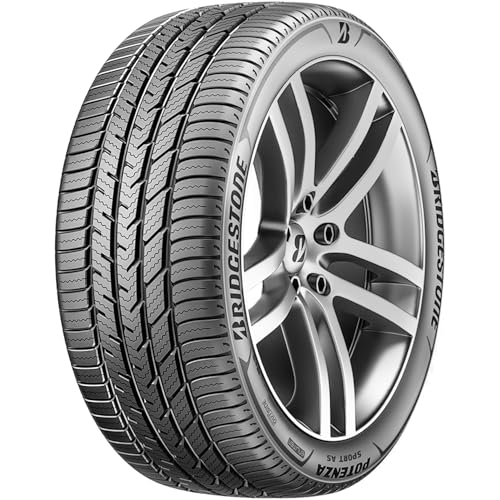
Bridgestone built the Potenza Sport AS around its PeakLife tread compound, which targets lasting wear without giving up the quick feel expected from a performance tire. That makes it a useful fit for a CT4 you drive often, not just on weekend roads.
Full-depth 3D sipes add biting edges through the life of the tread, while the open shoulder design gives the tire room to grip in changing conditions. Circumferential and lateral grooves help push water out from under the tread on wet pavement.
The Potenza Sport AS keeps the car’s steering response alert and gives you a sure-footed feel in rain. Bridgestone pairs that all-season traction with limited tread-life coverage of up to 50,000 miles.
The tire’s tread design puts more focus on sporty control than plush comfort. If you enjoy the CT4’s responsive character, the Potenza Sport AS carries that feel into more of the year than a summer tire can.
Bottom line: The Potenza Sport AS suits CT4 drivers who want a sporty feel and tread-life coverage for frequent use.
Pros
- Severe-snow-rated tread compound
- AquaTred grooves move water and slush
- Evolving grooves retain water channels as tread wears
- Comfort inserts reduce bumps and vibration
Cons
- Less precise steering than a summer performance tire
Cold rain and slushy roads call for dependable grip, and the Goodyear Assurance WeatherReady 2 answers with a severe-snow-rated tread compound. Its winter focus gives your CT4 added confidence when temperatures drop and road conditions turn messy.
Goodyear’s AquaTred Technology uses sweeping grooves to move water and slush away from the contact area. Evolving Traction Grooves keep opening up as the tread wears, so the tire retains channels that help displace water over time.
Comfort inserts soften bumps and cut vibration while supporting steering control during lane changes. A multi-pitch tread pattern varies the block sizes to keep road noise in check, which helps the cabin stay calmer on longer trips.
The Assurance WeatherReady 2 makes all-season driving less stressful in places with regular wet weather and some snow. You get a comfort-minded ride alongside the extra winter traction, rather than a tire tuned only for warm, dry roads.
Bottom line: This Goodyear suits CT4 drivers who face frequent rain and snow and value a calmer ride.
Pros
- Strong dry-road grip
- Confident wet braking
- Precise steering response
- Developed with racing experience
Cons
- Not suited to winter driving
Michelin drew on endurance racing experience to shape the Pilot Sport 4S for precise control at speed. The Michelin Pilot Sport 4S gives a CT4 a focused summer tire feel, with strong dry grip and confident wet braking.
Its performance-oriented tread and rubber compound keep the contact patch working through hard acceleration, braking, and cornering. The result feels direct through the steering wheel, making quick changes in direction feel controlled rather than vague.
Michelin supplies this tire to high-performance models from brands such as Mercedes-AMG, Ferrari, and Porsche. That background reflects its purpose: hold road grip under spirited driving while staying composed when rain interrupts a warm-weather trip.
The Pilot Sport 4S is a summer tire, so its strengths suit warmer months and clear-road driving. It gives the CT4 a more connected feel on dry pavement and keeps wet braking in the picture when summer showers arrive.
Bottom line: Choose the Pilot Sport 4S for warm-weather CT4 driving and sharp responses on dry roads.
Pros
- Responsive SportPlus handling
- Strong wet and dry braking
- Performance-focused steering feel
- Up to 30,000-mile tread-life coverage
Cons
- Summer tread limits winter use
- Tread-life coverage is shorter than some all-season options
For a CT4 that spends its summer on wet highways and winding roads, the Continental ExtremeContact Sport 02 brings quick steering and confident braking. Continental’s SportPlus Technology focuses on responsive handling and grip in both dry and wet conditions.
The tread design balances cornering control with water evacuation, giving the tire a steady feel when the pavement turns slick. Its short wet and dry braking distances are a key part of its performance character.
Continental has earned fitment approval from performance-focused groups such as ROUSH Performance and the AMG Driving Academy. That connection suits a tire built for drivers who enjoy using the CT4’s handling rather than treating it as plain transportation.
You also get limited tread-life coverage of up to 30,000 miles. The ExtremeContact Sport 02 brings a focused summer setup, so its grip and steering feel make the most sense in warm weather.
Bottom line: The ExtremeContact Sport 02 fits CT4 drivers who favor summer grip and control over year-round use.
Pros
- Large shoulder blocks support cornering
- Z grooves and wavy sipes add wet grip
- Four-pitch tread helps reduce road noise
- Flatter profile targets even wear
Cons
- Winter traction falls short of a dedicated snow tire
Yokohama’s Advan Sport A/S+ uses oversized shoulder blocks to give the tread a firm footing in corners. The design suits a CT4 driver who wants all-season traction without dulling the car’s sporty character.
Its Z grooves and wavy sipes add biting edges for wet and winter roads. Yokohama also varies the tread pitch to reduce the steady hum that can build during highway driving.
A crisp sidewall response keeps steering input feeling direct, while a flatter tread profile spreads pressure more evenly across the tire. That design, paired with an advanced rubber compound, targets more even wear over time.
The Advan Sport A/S+ balances a composed ride with useful cornering response. It works across a range of everyday conditions, though its winter grip does not replace the extra traction of a dedicated snow tire.
Bottom line: The Advan Sport A/S+ suits CT4 drivers who want quiet highway manners and an alert steering feel.
Pros
- Symmetrical tread promotes even wear
- Replacement Tire Monitor tracks tread wear
- Visual Alignment Indicator can show uneven wear
- Comfortable touring character
Cons
- Less cornering grip than a performance tire
The General AltiMAX RT45 gives your CT4 a touring-tire approach, with a symmetrical tread built for steady handling and even wear. Its balanced design favors routine commuting and highway miles over sharp, track-style responses.
General adds a Replacement Tire Monitor that changes its message as the tread wears, giving you a quick visual cue about remaining tread life. A Visual Alignment Indicator can show uneven wear patterns that may point to alignment issues.
The all-season tread handles everyday changes in weather, while the tire’s touring character keeps the ride focused on comfort and predictable control. It brings a practical feel to the CT4 without asking you to give up stable road manners.
The AltiMAX RT45 is a straightforward option for drivers who value steady behavior over aggressive cornering. Its tread design and built-in wear indicators make it easy to understand how the tire changes through its service life.
Bottom line: Choose the AltiMAX RT45 if you use your CT4 for daily travel and prefer comfort over aggressive handling.
Factors to Consider When Choosing Tires for Cadillac CT4

Choose tires that fit your exact CT4 and match your local weather, road conditions, and driving habits. A little checking before you buy can help you avoid a poor fit or a tire that feels wrong in daily use.
Fit and Ratings
Begin with the tire placard on the driver’s door jamb and the owner’s manual. Match the approved size, load index, and speed rating for your exact trim.
A tire already on the car may not reflect the factory fitment, especially if a prior owner changed wheels. Check front and rear measurements separately; some configurations use different sizes at each end.
Before you buy, confirm:
- The full size code and wheel diameter.
- Load and speed ratings at or above the required level.
- Whether your CT4 uses different front and rear sizes.
Keep the same approved fitment across an axle. If your car has all-wheel drive, follow the owner’s manual on matching tread depth and tire type. A big difference in rolling size can strain the drivetrain.
Season and Climate
Match the tire category to your usual temperatures, not just the weather on your best days. Summer tires work in warm conditions but lose grip in cold weather.
All-season tires cover a wider range, while winter tires use compounds and tread built for cold roads. All-weather tires offer a middle ground and carry a severe-snow marking.
| Tire type | Useful for | Main limit |
|---|---|---|
| Summer | Warm roads | Cold weather |
| All-season | Mild climates | Deep snow and ice |
| All-weather | Changing seasons | Less winter grip than a dedicated winter tire |
| Winter | Repeated snow and cold | Warm-weather use |
The Three-Peak Mountain Snowflake symbol marks a tire that meets a set snow-traction standard, but it does not make every tire perform like a dedicated winter tire. If roads often freeze or stay snow-covered, use winter tires. Check local rules too, since some areas set seasonal tire requirements.
Wet-Road Grip
Wet grip matters even if your area gets only occasional rain. Look for a tread pattern with channels that move water away from the contact area, plus a design made for wet braking.
Deep grooves can help resist hydroplaning, but speed and standing water still affect control. Drive more slowly when water covers the road.
Use the UTQG traction grade as one clue, not a full measure of rain performance. That grade comes from straight-line braking tests on wet pavement; it does not rate cornering grip or hydroplaning resistance.
Check tread depth across the whole tire. Worn or uneven tread can reduce wet-road control, so plan to replace tires before they reach the legal limit if rain grip has faded.
Ride Comfort and Handling
Think about how you want the car to feel on your regular routes. Touring tires often favor a smoother ride and lower road noise, while performance tires tend to respond more quickly to steering input. A tire with a firmer sidewall can make the CT4 feel more direct, but it may also pass more bumps and road texture into the cabin.
Wheel size and sidewall height affect comfort too. A shorter sidewall gives less cushion over potholes and rough pavement, so it can make a larger wheel setup feel harsher.
If you spend long hours on highways, favor a design built for quiet, steady travel. For winding roads, prioritize steering response and dry grip, while keeping the tire suited to your climate.
Tread Life and Upkeep
Check the treadwear warranty and read its terms before using it to compare tires. The UTQG treadwear grade can help you compare tires from the same maker, but it does not promise a set number of miles.
Driving style, road surface, alignment, and pressure all affect tire life. Fast starts and hard cornering can wear performance tires sooner.
Check pressure at least monthly and before a long trip, using the figure on the driver’s door placard. Measure when the tires are cold, and do not use the maximum pressure printed on the sidewall as your target.
Follow the owner’s manual for rotation timing. If tread wears unevenly or the car pulls to one side, have a shop check alignment and suspension parts.
Frequently Asked Questions
What tire size does a Cadillac CT4 use?
The correct size depends on your CT4 trim and wheel setup. Read the tire placard on the driver’s door jamb, then confirm the load and speed ratings in the owner’s manual. Do not choose a size based only on the tire currently installed, since a previous owner may have changed the setup.
Can I use all-season tires year-round?
All-season tires suit drivers who see mild winters and occasional light snow. For frequent snow, ice, or long stretches below freezing, dedicated winter tires give you more dependable cold-weather grip. All-weather tires offer a year-round alternative in some regions, but check local winter rules and your actual route conditions.
Should I replace all four tires at once?
Replacing all four at once keeps handling balanced, especially on an all-wheel-drive car. If one tire fails early, ask a tire professional to compare the remaining tread depths and confirm whether a single replacement will keep rolling differences within the vehicle maker’s limits. Match the replacement’s size and performance rating.
How often should I check tire pressure?
Check pressure at least monthly and before a long trip, using a gauge when the tires are cold. Follow the pressure on the driver’s door placard, not the maximum printed on the tire sidewall. Temperature changes can shift pressure, so check again during seasonal weather swings.
How do I know when tires need replacement?
Use tread-wear bars as a quick warning, then inspect the tread across the full width. Replace tires when they reach the legal limit in your area, and plan sooner if rain grip has weakened or cracks, bulges, or repeated pressure loss appear. Have a shop check damage you cannot judge safely.