
This post may contain affiliate links. As an Amazon Associate I earn from qualifying purchases. If you choose to make a purchase, I may earn a small commission at no extra cost to you.
Choosing tires for a Lincoln Nautilus can feel like a trade between a quiet ride and confident wet braking. The wrong match can make this comfortable SUV feel harsher or less sure-footed, especially if your roads bring rain, snow, or rough pavement. Your usual roads matter as much as the season.
Start with the exact size and load rating on your driver’s door placard, then match the tire to your climate and daily routes. The options below cover the best tires for Lincoln Nautilus you can buy in 2026, with choices for different priorities, from year-round traction to touring comfort.
Our Top Tires for Lincoln Nautilus Picks



More Details on Our Top Picks
Pros
- Three-peak mountain snowflake certified
- Directional tread moves water effectively
- Strong wet and dry braking
- Designed for year-round use
Cons
- Can sound louder on coarse pavement
- Less capable than a dedicated winter tire in severe snow
The Michelin CrossClimate2 uses a V-shaped directional tread and a temperature-adaptive compound to maintain grip through changing weather. Its three-peak mountain snowflake certification also marks it as an all-season tire built for severe snow conditions, a useful feature if your Nautilus sees winter roads.
On wet pavement, wide grooves move water away from the tread, while the tread design gives the tire firm braking response in rain and dry weather. Michelin also uses interlocking sipes to add biting edges as the tread meets the road, which helps maintain traction as the tire wears.
The Michelin CrossClimate2 brings all-weather traction and confident braking to daily driving without giving up warm-weather performance. Its directional tread can produce more road sound than a comfort-focused touring tire, especially on rough pavement, but its broad weather range is a practical fit for a crossover used in changing seasons.
Bottom line: Choose the Michelin CrossClimate2 if you want one tire for wet roads, dry pavement, and regular winter weather. It suits Nautilus drivers who value cold-weather grip along with dependable everyday handling.
Pros
- Quiet touring tread design
- Precise steering response
- Comfortable highway manners
- Handles everyday wet-road conditions
Cons
- Not a dedicated snow tire
- Less suited to drivers seeking sporty feedback
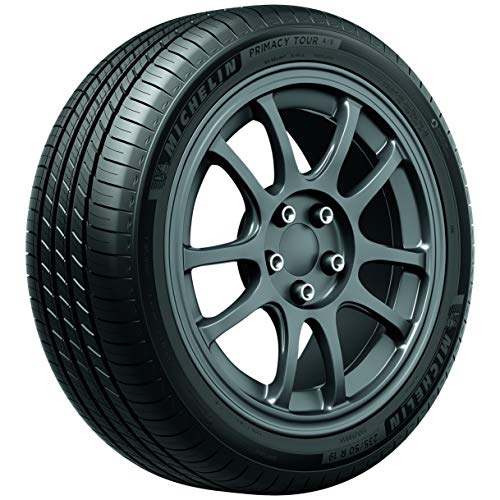
If your Nautilus spends most of its time on pavement and you value a calm cabin, the Michelin Primacy Tour A/S puts ride comfort first. Its quiet tread design reduces the pattern of tire noise, while its touring focus gives you composed handling for daily commutes and longer highway drives.
Michelin tunes this tire for precise steering response, so the vehicle feels settled through curves and lane changes. Its all-season tread handles ordinary rain and mild cold, making it suited to the mixed weather many drivers face through the year.
The Primacy Tour A/S puts quiet cruising and polished road manners ahead of sporty feedback. It does not carry the severe-snow certification found on some all-weather tires, so its cold-weather role is best kept to ordinary winter conditions rather than frequent snow and ice. The tread design is aimed at comfort, not an aggressive feel through sharp corners.
Bottom line: The Michelin Primacy Tour A/S fits your priorities if you want a quieter, comfort-focused tire for mostly paved driving. Choose it for a Nautilus used on commutes and road trips in mild-to-moderate weather.
Pros
- Advertised 70,000-mile treadwear figure
- SUV-focused touring design
- All-season road traction
- Performance-oriented handling
Cons
- Not intended for sustained deep-snow driving
- No named noise-control feature
For a Nautilus that covers plenty of road miles, the Bridgestone Alenza Prestige combines a touring-SUV design with an advertised 70,000-mile treadwear figure. Its all-season tread gives you a straightforward option for daily driving, with a performance focus that favors stable road manners.
The Alenza Prestige uses a radial construction and a four-ply-rated casing, details that suit its truck and SUV role. Bridgestone gives it a high treadwear grade, and the tire is built for predictable steering on paved roads rather than off-road use.
In routine driving, its all-season traction is suited to changing pavement conditions, while the V speed rating reflects its performance-oriented design. The Alenza Prestige keeps its approach simple: a road tire for crossovers and SUVs, with long wear as a central selling point rather than a specialized winter tread or a comfort feature with a named technology.
Bottom line: Consider the Bridgestone Alenza Prestige if long tread life and steady paved-road handling matter most to you. It fits a Nautilus used mainly for commuting and highway travel.
Pros
- EcoPlus Technology reduces rolling resistance
- Short wet-road braking
- Quiet, comfortable ride
- Up to 70,000-mile limited treadwear coverage
Cons
- Not a dedicated winter tire
- Less suited to deep-snow routes
Continental’s EcoPlus Technology gives the CrossContact LX25 a practical blend of wet-road control and touring comfort. Its tread compound supports shorter wet braking and longer wear, while the tire’s contact design aims to reduce rolling resistance during everyday driving.
In rain, circumferential grooves channel water away from the tread to maintain contact with the road. The responsive tread pattern also gives you steady steering through routine turns, and its noise-conscious design keeps the cabin calmer on longer drives in a Nautilus.
The CrossContact LX25 brings wet braking confidence and a quiet ride to all-season crossover use. Continental backs the line with limited treadwear coverage of up to 70,000 miles, giving you a clear long-term wear benefit alongside the tire’s comfort focus. Its standard all-season design is better suited to ordinary winter weather than frequent deep snow.
Bottom line: The Continental CrossContact LX25 is a good fit if your Nautilus needs a comfortable touring tire with strong wet-road manners. It particularly suits drivers who spend most of their miles on paved roads.
Pros
- Noise-reducing tread pattern
- AquaChannel grooves evacuate water
- Built-in tread Wear Gauge
- Up to 65,000-mile limited tread life warranty
Cons
- Not designed for severe winter conditions
- Comfort-focused handling lacks a sporty feel
Goodyear built the Assurance ComfortDrive around a smooth, quiet ride for everyday passenger vehicles and crossovers. Its noise-reducing tread pattern limits the steady hum that can build on highway trips, while the tire’s handling design softens the feel of bumps and road impacts.
AquaChannel grooves move water out from beneath the tread to reduce hydroplaning risk in heavy rain. The tire also maintains traction in wet and cold conditions, and its built-in Wear Gauge gives you a simple visual way to track tread depth over time.
The Assurance ComfortDrive offers quiet road manners without ignoring steering response. Goodyear backs it with a limited tread life warranty of up to 65,000 miles, and its touring tread suits a Nautilus used for commutes, errands, and longer paved-road drives. It is an all-season tire, not a dedicated option for severe winter weather.
Bottom line: Go with the Goodyear Assurance ComfortDrive if a quieter ride and everyday comfort are high on your list. It works well for Nautilus drivers who face rain but only occasional winter snow.
Pros
- Severe-snow designation
- AquaTred grooves clear water and slush
- Evolving grooves maintain water evacuation
- Comfort inserts reduce bumps and vibration
Cons
- Not a replacement for a dedicated winter tire in severe conditions
- Winter-focused tread can feel less sporty on dry roads
Goodyear Assurance WeatherReady 2 carries a severe-snow designation, giving it a useful role for Nautilus drivers who face slush and regular winter weather. Its specialized tread compound stays adaptable across seasons, while AquaTred Technology uses sweeping grooves to clear water and slush from the contact area.
Evolving Traction Grooves keep opening paths for water as the tread wears, helping the tire maintain wet-road grip through its service life. Goodyear also adds comfort inserts to reduce bumps and vibration, plus a multi-pitch tread pattern that lowers road noise.
The WeatherReady 2 balances cold-weather traction with a controlled ride and smooth steering through lane changes. It handles changing road conditions with more winter focus than a basic all-season tire, though a dedicated winter tire remains the better tool for frequent severe snow and ice.
Bottom line: The Goodyear Assurance WeatherReady 2 suits your Nautilus if winter weather often brings slush, cold rain, or snow. It gives you added seasonal grip while retaining a comfort-focused road feel.
Pros
- Up to 80,000-mile treadwear limited warranty
- Locking 3-D Sipes add biting edges
- Designed for wet and dry stopping
- Touring-focused all-season design
Cons
- Not intended for frequent deep-snow driving
- Less specialized for winter weather than an all-weather tire
Michelin redesigned the Defender2 to focus on long tread life without dropping wet- and dry-road stopping performance. Its Locking 3-D Sipes create many biting edges across the tread, giving the tire grip for braking while helping the tread blocks stay stable under load.
The Defender2 is an all-season touring tire for cars and crossovers, with a treadwear limited warranty of up to 80,000 miles. Michelin’s design gives it a practical role on a Nautilus used for frequent commutes and highway miles, where predictable traction and long service life matter.
Its Locking 3-D Sipes add traction on wet pavement, and the tread design maintains a composed feel in routine driving. The Defender2 is not a severe-snow tire, so its winter performance suits light snow and cold pavement better than regular trips through deep snow or ice.
Bottom line: The Michelin Defender2 is a fit for your Nautilus if you want a long-wearing tire for regular paved-road use. It puts lasting tread life and dependable everyday braking at the center.
Pros
- Asymmetric three-rib tread supports steering response
- Micro-silica compound improves wet grip
- Four grooves move water away
- Low rolling resistance design
Cons
- Not a severe-snow tire
- Road-focused tread is not suited to rough trails
An asymmetric three-rib tread layout gives the Yokohama Geolandar X-CV a clear focus on steering response and cornering stability. Its design suits a crossover such as the Nautilus, where confident paved-road handling matters during highway bends and quick changes in direction.
Yokohama uses a micro-silica compound with end-locked polymers to improve wet grip while keeping rolling resistance low. Four wide circumferential grooves channel water away from the contact patch, helping maintain control when rain covers the road.
The Geolandar X-CV pairs responsive steering with all-season wet-road traction. Its performance-oriented tread is tuned for road use rather than rough trails, and its design does not carry the severe-snow certification associated with all-weather tires. In regular driving, it gives you a stable feel without relying on an overly aggressive tread pattern.
Bottom line: Pick the Yokohama Geolandar X-CV if you want crisp steering and wet-road grip for paved routes. It suits a Nautilus driven mainly on highways and city streets.
Pros
- Staggered pitch pattern reduces road noise
- Micro-silica compound delivers wet traction
- Sipes add grip in cold conditions
- 65,000-mile limited treadwear warranty for standard fitments
Cons
- Not made for frequent deep-snow driving
- Winter traction does not replace a dedicated snow tire
Yokohama uses a staggered multi-pitch tread pattern on the Geolandar CV G058 to reduce the repeating sound that tires can make on pavement. That quiet touring design gives your Nautilus a calmer feel on daily drives, while the all-season tread handles routine wet and cold conditions.
Its micro-silica rubber compound provides wet-road traction, and chamfered ribs help keep the tread in even contact with the road. A combination of 2-D and 3-D sipes adds biting edges in lower temperatures, while serrated outer grooves add grip in slush and light snow.
The Geolandar CV G058 offers quiet all-season comfort with useful cold-weather details and a 65,000-mile limited treadwear warranty for standard fitments. Its tread works for ordinary winter driving, though frequent deep snow calls for a tire built specifically for harsher winter conditions.
Bottom line: The Yokohama Geolandar CV G058 suits you if a quiet ride and steady all-season traction matter in your Nautilus. It is a sensible fit for mostly paved driving with occasional light snow.
Pros
- Variable Pitch Technology reduces road noise
- Full-depth sipes support lasting winter traction
- Wide grooves evacuate water
- Center rib supports quick handling
Cons
- Not a dedicated tire for severe winter weather
- Winter grip has limits on deep snow and ice
Kumho’s Variable Pitch Technology changes the pattern of the tread blocks to reduce the steady noise you hear on paved roads. The Crugen HP71 pairs that quieter design with a strong center rib and reinforced shoulder blocks for steady steering and more even tread contact.
Wide circumferential grooves move water away from the tread, while micro-serrations in the blocks add grip on wet pavement. Full-depth sipes and lateral voids help clear slush, giving the tire useful winter traction that lasts as the tread wears.
The Crugen HP71 brings quiet touring comfort and responsive handling to a crossover like the Nautilus. Its tread balances wet grip with cold-weather traction, though it remains an all-season tire rather than a dedicated winter model for regular severe snow and ice.
Bottom line: The Kumho Crugen HP71 is a good option if you want a smooth, quiet touring tire with useful wet-weather grip. It fits a Nautilus driven mainly on paved roads through mild winters.
Factors to Consider When Choosing Tires for Lincoln Nautilus
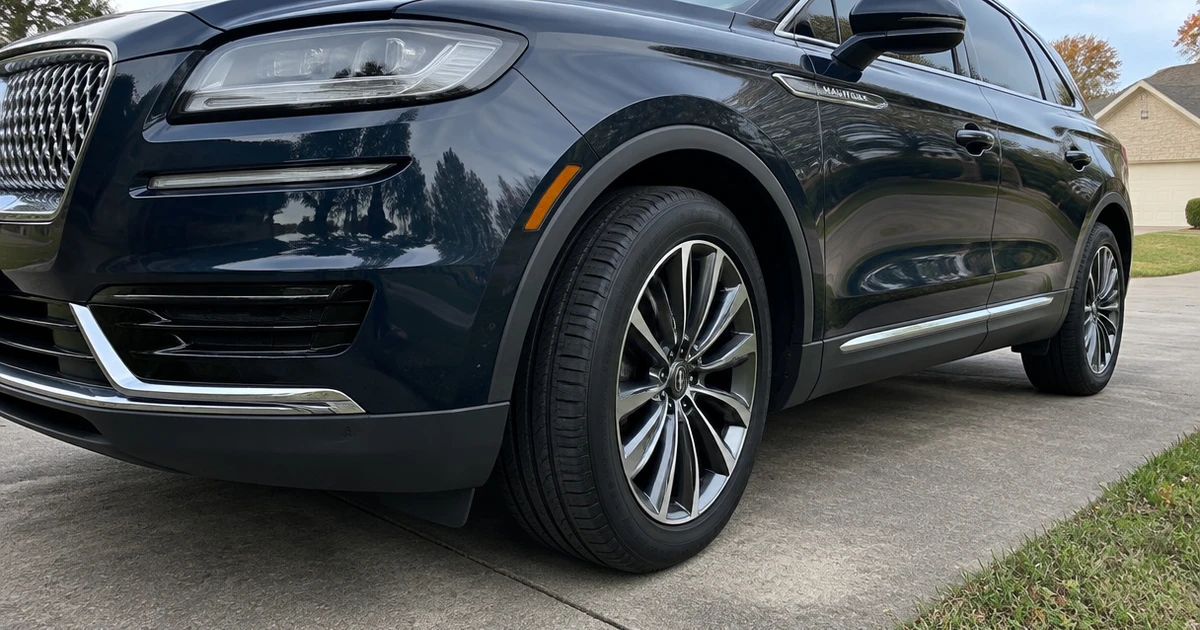
Your Nautilus needs tires that match its exact fitment and the conditions you face each week. Check the vehicle placard and owner’s manual before comparing tread, comfort, or warranty claims.
Size and Fit
Begin with the tire size on the driver’s door placard; Nautilus fitments can vary by model year and trim. The size code gives width, sidewall profile, and wheel diameter, but a size match alone is not enough. Check the load index and speed rating, too, and choose a tire that meets the vehicle maker’s requirements for carrying weight and road speed.
- Match the placard size and load index.
- Meet or exceed the listed speed rating.
- Use the placard’s cold pressure.
Use the placard’s cold inflation pressure as your reference, not the maximum printed on the tire sidewall. If you change wheel or tire size, ask a qualified tire shop to check clearance and rolling diameter first. A mismatch can affect handling and speed readings.
Climate and Traction
Choose for the coldest and wettest conditions you regularly face. Standard all-season tires suit mild climates and drivers who rarely see snow, while all-weather tires with the three-peak mountain snowflake symbol offer stronger winter traction and year-round use. If roads stay icy or snow-covered for long stretches, a dedicated winter set gives more suitable cold-weather grip.
Frequent heavy rain calls for grooves that clear water well, while winter routes need a proper snow rating. The three-peak mountain snowflake symbol marks tires that meet a severe-snow traction standard, but it does not promise equal grip on ice. Match the rating to your usual routes, not one rare storm.
Ride Comfort and Road Noise
Cabin noise and bump control matter on a quiet SUV. Tread pattern, rubber compound, and casing shape the sound and feel, though pavement and suspension condition also affect comfort. For mostly highway driving, compare touring tires made for lower road noise; rough streets may call for more emphasis on impact comfort.
Use test results for the same tire size and compare wet braking along with cabin noise. That helps you avoid choosing solely for a quiet ride. A test on smooth pavement may not match the roads you drive most often.
| Driving priority | Look for | Good match |
|---|---|---|
| Low cabin noise | Tread aimed at quiet touring | Mostly paved routes |
| Rough pavement | Comfort-focused construction | Broken city streets |
| Direct steering | Firm, stable response | Frequent curves |
Tread Life and Warranty
Check both the treadwear warranty and the UTQG treadwear grade, but treat them as comparison tools rather than a promise. The grade can help you compare tires in a similar category, yet manufacturers assign it and real life changes wear. Hot pavement, aggressive starts, underinflation, poor alignment, and heavy loads can shorten service life.
A mileage warranty may require rotations, pressure checks, and records, and it often excludes uneven wear or damage. Follow the rotation schedule in the owner’s manual, check pressure monthly, and correct alignment issues early.
If you drive many highway miles, a long-wearing touring design may suit you; frequent stop-and-go trips can wear shoulders faster. Check all four tires for uneven wear before buying replacements.
Wet Grip and Handling
Look for stable cornering and predictable steering, not a sporty label alone. Wide grooves help move water from the contact patch, while tread compound affects grip in cool or warm conditions. Check independent comparisons for braking and handling, and focus on results for the correct size.
Your driving style matters too. If you carry passengers or cargo often, stay within the specified load rating and keep tire pressure at the placard level.
Drivers who value a calm highway feel can choose a touring pattern, while winding-road commuters may prefer more direct steering response. Give wet stopping grip extra weight if rain dominates your commute.
Frequently Asked Questions
How do you find the right tire size for a Lincoln Nautilus?
Read the tire size, load index, and speed rating on the driver’s door placard, then confirm them in your owner’s manual. Use the tire sidewall only as a cross-check, since a previous owner may have changed the fitment. Match the placard’s cold pressure after installation.
Are all-season tires enough for winter driving?
All-season tires work well for many drivers in mild winters, but they do not match dedicated winter tires on snow and ice. If your routes regularly bring packed snow or very low temperatures, choose tires with a severe-snow rating or switch to winter tires for the cold season.
Should you replace all four tires on an all-wheel-drive Nautilus?
All-wheel-drive systems can react poorly to large differences in tire circumference. Check the vehicle manual for replacement guidance and have a tire professional measure tread depth on the remaining tires. If wear differs too much, replacing a matched set may protect driveline performance.
How often should you rotate Nautilus tires?
Follow the rotation interval in your owner’s manual, since the pattern can vary with the drivetrain and tire setup. Regular rotations help tires wear more evenly, especially if front tires carry more braking and steering work. Check pressure and tread at each rotation.
When should you replace your tires?
Check tread depth, wear bars, sidewalls, and how the tires behave on wet roads. Replace a tire when tread reaches the wear bars, and consider replacement sooner if wet grip drops or wear turns uneven. Cracks, bulges, or repeated pressure loss need prompt inspection by a tire shop.