
This post may contain affiliate links. As an Amazon Associate I earn from qualifying purchases. If you choose to make a purchase, I may earn a small commission at no extra cost to you.
Choosing tires for a Porsche Cayenne takes more than matching the wheel size. The right set must suit your model year and trim, carry the SUV’s weight, and give you the grip you need without making daily rides harsh or loud.
Start with the tire size and load and speed ratings on your door-jamb placard, then weigh your weather, routes, and driving style. The best tires for Porsche Cayenne you can buy in 2026 include options for sharp summer handling, quieter touring, year-round use, and winter traction, so you can narrow the field to your needs. That choice can also affect road noise, steering feel, and how often you replace the set.
Our Top Porsche Cayenne Tires Picks




More Details on Our Top Picks
Pros
- Compound targets quick warm-up and wet-weather grip
- Ribbed tread supports responsive cornering
- Reinforced steel belts add steering stability
- Noise-reducing and sealant technologies appear on select versions
Cons
- Summer compound suits warm weather best
- Noise-canceling features vary by version
A warm-up-focused tread compound gives the Pirelli P Zero PZ4 a useful edge for spirited road driving. Pirelli shapes the compound to build grip in warm weather while keeping wet-road traction in the picture.
Its ribbed tread helps the Cayenne respond cleanly through turns, and reinforced steel belts add stability when you change direction at speed. That combination makes the steering feel connected without turning every drive into a track session.
Pirelli also tunes the tread to limit rolling resistance and road noise, two details you notice on longer highway trips. Some versions add Pirelli Noise Cancelling System, which uses foam inside the tire to reduce cabin noise.
The Pirelli P Zero PZ4 brings a polished mix of summer grip and precise cornering to a road-focused Cayenne. Its wet-weather compound gives you more confidence when a summer shower catches you on the way home.
Bottom line: Choose this Pirelli for a Cayenne driven mainly on paved roads in warm weather. It balances sharp handling with a quieter, more settled ride.
Pros
- Separate tread compounds target wet grip and dry cornering
- Dynamic Response Technology sharpens steering response
- Strong wet braking and dry-road control
- Racing experience informs its performance design
Cons
- Summer compound does not suit cold winter conditions
- Sport-focused tread can feel firm on rough roads
If you enjoy quick responses and strong braking on dry roads, the Michelin Pilot Sport 4S has the character you want from a summer performance tire. Michelin drew on endurance racing experience to shape a tire that stays composed during hard road driving.
Its tread uses different rubber compounds across the inner and outer sections. The inner area focuses on wet grip, while the outer shoulder favors dry-road cornering, so the tire can deliver confident braking in rain without losing its sporty feel on a dry curve.
Michelin’s Dynamic Response Technology uses a hybrid belt to transfer steering inputs across the tread. You get a direct response at speed, with control that feels useful on a heavy performance SUV as well as on a sports car.
The Michelin Pilot Sport 4S brings sharp steering and dependable wet braking to a performance-focused Cayenne. Its summer focus suits warm-weather driving, where you can make the most of the tire’s grip and quick reactions.
Bottom line: Pick the Pilot Sport 4S for a Cayenne driven with enthusiasm in warm weather. It favors steering precision and strong grip over all-season flexibility.
Pros
- SUV-specific construction supports everyday road use
- Strong dry grip and wet braking
- Tread design targets lower road noise
- Durable tread pattern suits SUV demands
Cons
- Summer tread does not suit winter conditions
- Less suited to deep snow than a winter tire
Daily comfort matters when your performance SUV spends more time on the highway than on a winding road. The Michelin Pilot Sport 4 SUV pairs a road-focused tread with SUV-specific construction for a composed ride and controlled handling.
Michelin gives this tire a durable tread pattern suited to the extra demands of SUV driving. Its dry-road grip and wet braking help a Cayenne feel settled through turns and predictable when rain covers the road.
The tread design also aims to keep road noise down, which adds comfort on longer trips. Steering remains sporty, but the tire does not ask you to give up a calm cabin just to get responsive handling.
The Michelin Pilot Sport 4 SUV brings quiet road manners and confident wet braking to a Cayenne used for daily driving. Its SUV-focused build and long-wearing tread design give it a practical balance for drivers who want performance without a constant track-day feel.
Bottom line: Consider this Michelin for a road-focused Cayenne that needs comfort as well as grip. It delivers sporty control without making cabin quietness an afterthought.
Pros
- Asymmetric tread supports quick cornering response
- Dry Contact Plus targets a larger road contact area
- Flexible compound grips wet pavement
- Lightweight design helps limit road noise
Cons
- Summer tread loses its usefulness in winter weather
- Sporty tuning can pass more road texture into the cabin
Fast steering response is the main draw of the Goodyear Eagle F1 Asymmetric 6. Its asymmetric tread places different tread zones across the tire to balance cornering control with traction on wet pavement.
Goodyear’s Dry Contact Plus approach increases the tire’s road contact during dry driving, giving you a planted feel through a turn. On wet roads, its flexible tread compound follows the pavement more closely for added traction and braking control.
The design also keeps weight and tread noise in check, so the tire feels at home on everyday drives as well as lively back-road runs. In a Cayenne, that mix can make the steering feel alert without adding an overly loud tread note.
The Goodyear Eagle F1 Asymmetric 6 gives you quick turn-in and wet-road grip in a summer performance package. Its precise feel suits drivers who like a Cayenne to respond promptly when a road bends.
Bottom line: Go with the Eagle F1 Asymmetric 6 for sharp steering and confident warm-weather handling. It suits Cayenne drivers who value an alert feel on paved roads.
Pros
- BlackChili compound targets high grip
- Adaptive tread responds to cornering forces
- Track-informed design supports precise handling
- 60-day trial offers a chance to evaluate it
Cons
- Summer compound does not suit cold weather
- Firm performance tuning can feel less comfortable on rough pavement
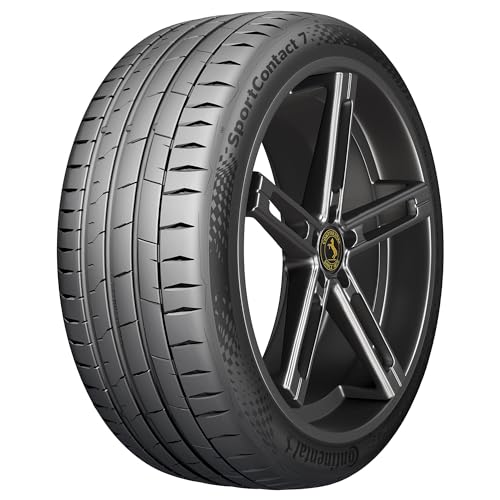
Continental brings track experience to the SportContact 7, a summer tire built around high-speed road performance. Its BlackChili compound and adaptive tread design work together to deliver grip as the tire loads up through a corner.
The tread changes its contact behavior as driving forces rise, giving you a planted feel during hard turns and firm braking. That direct response suits a Cayenne driven briskly on smooth roads, where the tire can make the most of its dry grip.
Continental also tunes the SportContact 7 for original equipment applications, a sign of its focus on matching performance needs across different vehicles. The company backs it with a 60-day trial, and the tread design targets strong wet performance alongside its dry-road focus.
The Continental SportContact 7 offers track-informed handling and confident braking for performance-minded driving. Its road manners retain a level of control that works beyond a closed course, while the wet grip broadens its summer usefulness.
Bottom line: Choose the SportContact 7 for a Cayenne that sees spirited warm-weather driving. It suits you when quick responses and track-influenced grip matter most.
Pros
- MaxTouch Construction spreads driving forces across the tread
- GreenPower compound targets lower energy use
- Acoustic foam reduces cabin resonance
- Includes a 20,000-mile treadwear limited warranty
Cons
- Performance tread does not replace a winter tire
- Acoustic foam adds a feature focused on cabin noise, not road feel
Electric performance SUVs benefit from a tire that manages weight and road noise without dulling the steering. The Michelin Pilot Sport EV uses MaxTouch Construction to spread acceleration, braking, and cornering forces across the tread.
Michelin’s GreenPower compound uses an efficient rubber mix in the shoulder areas to reduce energy use. That design supports driving range while the tire keeps the responsive feel expected from a performance model.
A layer of polyurethane foam inside the tire reduces cabin resonance, a welcome detail in an electric Cayenne where the powertrain makes less noise to mask the road. Michelin backs the Pilot Sport EV with a 20,000-mile treadwear limited warranty and a six-year standard limited warranty.
The Michelin Pilot Sport EV combines low rolling resistance and quieter cabin comfort with handling suited to a quick electric SUV. Its tread construction also helps manage the extra forces that come with frequent acceleration and braking.
Bottom line: This Michelin fits a performance EV owner who values a quiet cabin and efficient driving. Its warranty and handling focus add appeal for regular road use.
Pros
- Four wide grooves move water from the tread
- Dense sipes add wet and light-snow grip
- Tread bridges improve control on snow
- Noise-reducing system appears on select versions
Cons
- Not a substitute for a dedicated winter tire in deep snow
- All-season tread gives up some warm-weather focus
Four wide grooves give the Pirelli Scorpion Zero All Season a clear purpose on wet roads: move water away from the contact area. That drainage helps keep the Cayenne steady when rain builds up on the pavement.
Pirelli adds many small sipes across the tread for extra grip in wet and light snowy conditions. Curved grooves and tread bridges also add biting edges that help the tire stay composed on snow-covered roads.
An optimized pitch sequence keeps the tread pattern from producing a constant, droning sound. Versions with Pirelli Noise Cancelling System add foam inside the tire to reduce road noise reaching the cabin.
The Pirelli Scorpion Zero All Season offers wet-road control and light-snow traction in an SUV-focused package. Its quiet tread design makes it easier to live with on daily trips, while the all-season layout adds useful flexibility through changing weather.
Bottom line: Choose this Pirelli for a Cayenne that sees rain and occasional light snow. It adds year-round flexibility while keeping road noise in check.
Pros
- Balances dry handling with wet-weather traction
- All-season tread suits changing temperatures
- Corvette selection reflects its performance focus
- Keeps a sporty steering character
Cons
- Not built for severe winter conditions
- All-season tread cannot match a summer tire’s warm-weather focus
The Michelin Pilot Sport All Season 4 gives performance driving a wider weather window than a summer-only tire. Its tread and compound balance dry-road response with wet traction and grip in cooler conditions.
Michelin developed this line for drivers who want steering control without swapping to a comfort-focused touring tire. Chevrolet chose the Pilot Sport All Season 4 for the Corvette, a clear sign of its performance roots.
On a Cayenne, the tire’s all-season approach can make daily driving easier as temperatures change. It keeps a sporty feel on dry roads, while its wet-weather ability helps you stay composed through rainy commutes.
The Michelin Pilot Sport All Season 4 brings sporty handling across changing seasons to a road-focused SUV. It gives performance drivers more flexibility than a summer tire while retaining a direct, responsive character.
Bottom line: Consider this Michelin if you want sporty road manners through more of the year. It suits Cayenne drivers who face changing weather but still value responsive handling.
Pros
- Tread pattern supports wet braking
- Light-snow traction adds seasonal flexibility
- Built-in wear gauge tracks tread wear
- 45,000-mile limited tread life warranty
Cons
- Light-snow ability does not cover deep winter conditions
- Less focused on warm-weather grip than a summer tire
Rainy roads call for reliable braking, and the Goodyear Eagle F1 All Season puts wet control near the center of its design. Its sporty tread pattern gives you a performance feel while holding onto traction in rain and light snow.
Goodyear uses a durable compound to extend the tire’s useful life, then adds a built-in wear gauge to show how the tread changes as it wears. A 45,000-mile limited tread life warranty adds a defined mileage commitment to the package.
The all-season design gives a Cayenne more flexibility through mild weather shifts than a summer-only tire. It keeps the focus on road performance, with wet braking that suits drivers who often travel in rain.
The Goodyear Eagle F1 All Season pairs rain-ready braking with light-snow grip and a useful tread wear indicator. Its everyday character keeps the sporty feel without making the tire a fair-weather-only choice.
Bottom line: Choose the Eagle F1 All Season for a Cayenne driven through rainy commutes and mild winters. Its warranty and wear gauge add practical value for regular road use.
Pros
- SportPlus Technology supports responsive handling
- D, W, and S indicators show changing tread capability
- Strong wet and dry braking
- Up to 50,000 miles of limited tread life coverage
Cons
- Not a replacement for a dedicated winter tire in severe snow
- All-season design gives up some summer sharpness
The Continental ExtremeContact DWS06 Plus gives you a clear way to track its all-season performance: its D, W, and S symbols wear away as the tread loses its tuning for dry, wet, or snowy conditions. That built-in guide makes the tire’s changing capabilities easy to read.
Continental’s SportPlus Technology pairs responsive handling with grip on dry and wet roads. The tread also delivers useful traction on snow and ice, making this a versatile option for a Cayenne that sees more than warm, dry pavement.
Continental backs the tire with up to 50,000 miles of limited tread life coverage. Its braking performance in both wet and dry weather adds confidence, while the tread design keeps steering response suited to a performance SUV.
The Continental ExtremeContact DWS06 Plus combines clear tread wear indicators and snow-ready grip with a sporty road feel. It gives drivers a practical way to follow changing tread performance as the tire wears.
Bottom line: Choose the DWS06 Plus for a Cayenne driven through wet weather and occasional snow. Its tread indicators and mileage coverage make it a practical all-season performance option.
Factors to Consider When Choosing Tires for Porsche Cayenne
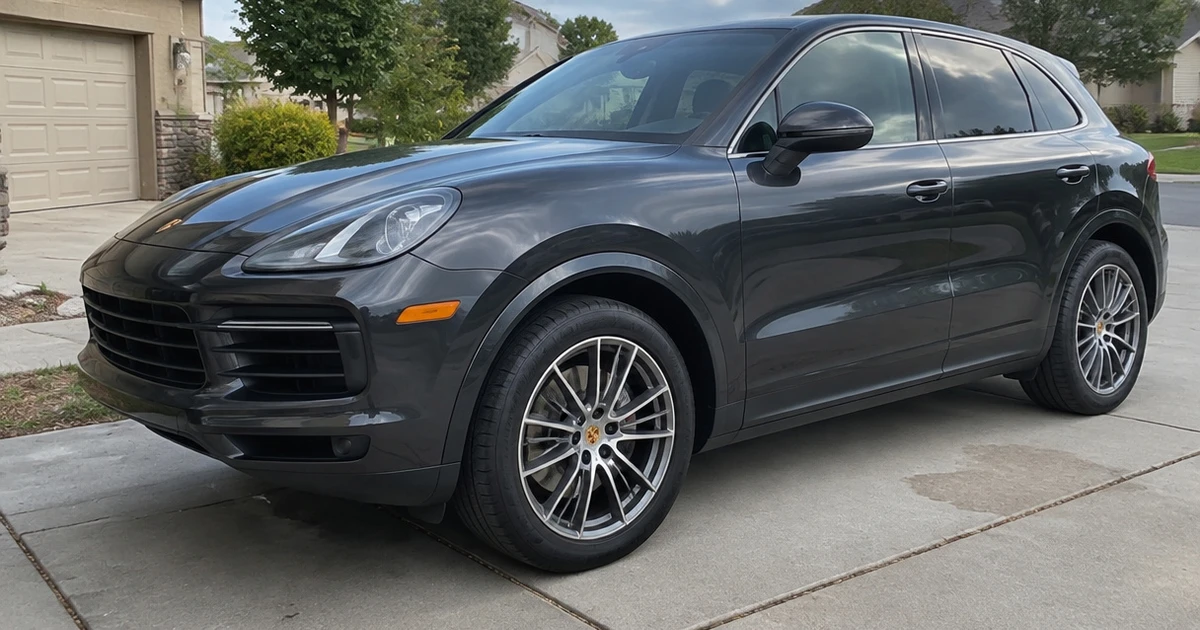
Start with the Cayenne’s exact fitment, then match tire behavior to your climate and routine. A good set should carry the vehicle’s load, work with its all-wheel-drive system, and give you the right balance of grip, comfort, and wear.
Fitment, Load, and Speed Ratings
Read the tire size, load index, and speed rating on the driver’s door placard or in the owner’s manual. Cayenne trims can use different front and rear sizes, so check every position before you order. Keep the listed ratings or choose higher ratings, and follow any Porsche approval requirement for your exact vehicle.
The load index tells you how much weight each tire can support; the speed symbol marks its rated speed capability. Do not choose a lower rating to save money or soften the ride. The sidewall gives the maximum pressure, not the daily target, so use the pressure shown on the placard.
When you replace tires, match the type and tread across each axle. Follow service guidance for the all-wheel-drive system, since large tread differences can affect handling.
Weather and Season
Choose a season type that matches the coldest weather you regularly drive in. Summer tires focus on warm-weather steering and braking, but their compounds lose flexibility in cold conditions. All-season tires handle a wider range of mild weather, while dedicated winter tires give you better traction on packed snow and cold pavement.
Use this quick comparison as a starting point. Then match your choice to local road conditions and the amount of snow you face.
| Tire type | Suits | Trade-off |
|---|---|---|
| Summer | Warm-weather grip | Less suited to cold |
| All-season | Mild, changing weather | Less snow grip than winter tires |
| Winter | Cold roads, snow, and ice | Less suited to warm weather |
Do not treat an all-season label as a promise of strong snow traction. If roads often ice over, choose winter tires before the first storm rather than waiting for the season’s worst weather.
Driving Style and Tread Design
Decide whether you value quick steering or a calm ride, and whether you need extra traction in rain and snow. Performance-oriented tread patterns often favor crisp handling, while touring designs usually place more focus on comfort and tread life. A tire’s category helps, but reviews and independent tests should match your vehicle class and climate.
- Choose summer tires for warm-weather response.
- Choose touring tires for frequent highway miles.
- Choose winter tires for regular snow or ice.
Think about how you drive the Cayenne. Fast cornering and hard braking can wear performance tires sooner, while rough roads can make a stiff sidewall feel tiring. If you tow or carry heavy cargo, follow the vehicle’s limits and keep enough load capacity.
Ride Comfort, Noise, and Efficiency
Large wheels and low-profile tires can sharpen steering, but their shorter sidewalls often pass more impact through the cabin. If you spend most of your time on broken pavement, a taller sidewall in an approved fitment can help smooth sharp bumps. Keep the original size range unless your manual or a qualified tire shop confirms another fit.
Check tread design and construction too. A quieter touring pattern can cut steady road hum, while aggressive tread blocks may sound louder on pavement. Low rolling resistance can help fuel use, and it matters more on a plug-in hybrid if you want to preserve electric range, but grip and load rating still come first.
Tread Life and Maintenance
Look beyond a mileage warranty. Read its terms for rotation schedules, alignment, wear limits, and coverage on staggered fitments; a warranty does not promise that every driver will reach the listed mileage. Front and rear tires may wear at different rates, especially if your Cayenne uses different sizes on each axle.
Check pressure monthly when tires sit cold, and inspect tread and sidewalls for cuts, bulges, or uneven wear. Follow the owner’s manual for rotation timing and alignment checks. If the steering pulls or the tread wears on one edge, get the alignment checked before the damage spreads.
Frequently Asked Questions
Frequently Asked Questions
How do I find the right tire size for my Porsche Cayenne?
Check the tire placard on the driver’s door jamb and the owner’s manual for approved sizes, load index, speed rating, and inflation pressure. Some trims use different sizes on the front and rear axles. Match the full fitment, not just the wheel diameter or a tire that looks close.
Are all-season tires enough for winter driving?
All-season tires work for mixed, mild weather and can handle occasional light snow, but they do not match a dedicated winter tire on packed snow or ice. If your roads stay cold for long stretches or you face regular snowfall, a winter set gives more dependable grip. Summer tires suit warm conditions.
Should I replace two tires or all four?
Replacing all four at once keeps tread depth consistent across the Cayenne’s all-wheel-drive system. If you replace only two, match them to the tires that remain and follow the vehicle’s guidance on tread-depth differences. Ask a qualified tire shop to check the set before you make the change.
What tire pressure should I use?
Use the cold tire pressure listed on the driver’s door placard, not the maximum pressure printed on the tire sidewall. Check pressure monthly and before long trips, with the tires cold. Adjust for passengers or cargo only as the owner’s manual directs.
How often should I rotate Cayenne tires?
Follow the rotation schedule in your owner’s manual, since the right timing can depend on the tire setup. Some Cayenne fitments use different front and rear sizes, which can limit rotation options. Check for uneven wear during routine pressure checks and ask a tire shop to inspect alignment if wear looks uneven.