
This post may contain affiliate links. As an Amazon Associate I earn from qualifying purchases. If you choose to make a purchase, I may earn a small commission at no extra cost to you.
Choosing tires for a Jeep Cherokee can feel harder than it should. The right set needs to fit your model year and trim, handle your usual roads, and give you dependable grip through rain or changing seasons. A mismatch can bring extra road noise, poor handling, or faster wear.
Check the size and load rating on your driver-door placard, then match the tire to the roads you use most. Touring tires suit daily pavement, while all-terrain designs help if you often leave paved roads. Tread life, wet braking, ride comfort, and winter grip all affect your choice.
The picks below cover needs from quiet commutes to rugged routes, helping you narrow the field by how you drive. Here are the best tires for Jeep Cherokee you can buy in 2026.
Our Top Tires for Jeep Cherokee Picks




More Details on Our Top Picks
Pros
- Severe-snow-rated for added winter traction
- Confident wet and dry braking
- Directional tread moves water away
- Year-round grip as the tread wears
Cons
- Tread can create more road noise than a touring tire
- Limited grip on rough trails
The V-shaped tread and sweeping grooves give the Michelin CrossClimate2 a distinctive design built for changing weather. Its severe-snow-rated tread adds winter traction, while Michelin’s all-season compound maintains grip in warmer conditions.
On wet pavement, the broad grooves channel water away from the contact patch and help the tire brake with control. The tread also delivers confident dry-road stopping, so your Cherokee feels composed through everyday commutes and sudden showers.
The 3PMSF snow rating sets it apart from basic all-season tires when roads turn slick or snowy. It remains a road-focused tire, but its directional tread gives you reassuring traction in light off-pavement conditions such as a packed gravel road.
Michelin designed the CrossClimate2 for year-round use, and the tread keeps its grip as it wears. You get a capable blend of wet and dry braking with practical winter traction, without giving up the calm manners you want on paved roads.
Bottom line: Choose the Michelin CrossClimate2 for a Cherokee that sees changing seasons and mostly stays on pavement. It suits drivers who want stronger winter credentials than a standard all-season tire.
Pros
- Long treadwear warranty
- Sipes add wet-road biting edges
- Even-wear-focused tread construction
- Comfortable touring manners
Cons
- Not designed for serious off-road use
- Less suited to deep snow than a winter tire
Long tread life is the main reason to look at the Michelin Defender2 for your Jeep Cherokee. Michelin’s MaxTouch Construction spreads acceleration, braking, and cornering forces across the tread to promote even wear.
Locking 3-D sipes form extra biting edges across the tread blocks. They help the tire hold its line and brake with control on wet pavement, while the tread design maintains steady contact on dry roads.
The Defender2 has the calm road manners you expect from a touring all-season tire. It gives you a quiet, settled feel during commutes and highway trips, rather than the sharper response of a performance tire.
Michelin backs the Defender2 with an 80,000-mile treadwear limited warranty. Its Locking 3-D sipes add useful wet-road grip, and the long-wearing design suits drivers who spend most of their time on paved roads.
Bottom line: The Defender2 fits a Cherokee used for daily driving and long highway runs. Pick it for a touring tire with a strong focus on tread life.
Pros
- Quiet, comfortable ride
- EcoPlus Technology targets lower rolling resistance
- Responsive year-round handling
- Up to 70,000 miles of tread-life coverage
Cons
- Limited traction on rough trails
- Touring tread lacks the bite of an all-terrain tire
The quiet ride is a defining trait of the Continental CrossContact LX25. Continental’s EcoPlus Technology reduces rolling resistance while supporting wet-road braking and tread life, making this touring tire well suited to paved Cherokee driving.
Its tread pattern keeps road noise subdued inside the cabin. You can carry on a conversation or listen to music without the persistent hum that some tires bring to a long drive.
When rain arrives, the LX25 gives you responsive handling and short wet-road braking. Its all-season tread maintains steady contact on dry pavement, too, so your Cherokee feels predictable through routine turns and lane changes.
Continental offers up to 70,000 miles of limited tread-life coverage. The combination of low road noise and EcoPlus Technology makes the CrossContact LX25 a comfortable daily driver, with the added benefit of a design that targets lower rolling resistance.
Bottom line: Choose the CrossContact LX25 for a Cherokee that spends most of its time on city streets and highways. It suits drivers who value a quiet cabin and steady wet-road control.
Pros
- Tread design targets uneven wear
- Multi-pitch pattern reduces road noise
- Grooves move water and slush
- Comfortable road-focused feel
Cons
- Limited grip on rough trails
- Not an off-road-focused tread
Uneven wear and cabin vibration can spoil a long drive, so Bridgestone built the Turanza EverDrive around a wear-focused compound and a multi-pitch tread pattern. Those design choices aim to keep the tire wearing evenly while softening the noise you hear inside your Cherokee.
The tread pattern also moves water and winter slush away from the contact area. That gives you more composed control when wet weather leaves the road slick, while the touring design keeps everyday pavement driving comfortable.
Bridgestone’s multi-pitch tread pattern varies the size of the tread blocks to reduce repeating road sounds. The compound targets irregular and premature wear, giving the Turanza EverDrive a practical focus for routine commuting and highway miles.
Its road-oriented design feels at home on paved routes rather than broken trails. The EverDrive brings a quiet, comfortable character to a Cherokee used mainly for errands, commutes, and longer trips.
Bottom line: The Turanza EverDrive suits Cherokee drivers who want a quiet touring tire for paved roads. Consider it for regular commuting and highway use, especially if cabin comfort matters to you.
Pros
- AquaTred grooves clear water and slush
- Severe-snow-rated for winter traction
- Comfort inserts reduce bumps and vibration
- Multi-pitch tread limits road noise
Cons
- Road-focused tread has limited trail traction
- Less suited to sporty cornering than a performance tire
AquaTred Technology gives the Goodyear Assurance WeatherReady 2 its wet-weather focus. Sweeping grooves move water and slush out from under the tread, helping your Cherokee stay composed when rain covers the road.
The tire carries a severe-snow designation, so its all-season tread also brings useful traction in winter conditions. Evolving Traction Grooves keep opening fresh paths for water as the tread wears, rather than relying only on the original groove edges.
Goodyear adds comfort inserts to soften bumps and reduce vibration. Those inserts also support steering control, while a multi-pitch tread pattern varies block size to keep road sound in check during longer drives.
The AquaTred grooves and severe-snow-rated tread make this a versatile road tire for a Cherokee that sees wet roads and seasonal weather. It pairs winter traction with a smoother touring feel for everyday pavement use.
Bottom line: Goodyear’s WeatherReady 2 is a good fit for a Cherokee that faces frequent rain and occasional snow. Choose it for strong wet-road focus with added winter capability.
Pros
- Responsive pavement handling
- Asymmetric tread balances grip
- High-silica compound supports wet traction
- Performance-focused all-season design
Cons
- Limited grip on rough trails
- Sporty focus may feel firm on broken pavement
If you enjoy quick steering response on pavement, the Michelin Pilot Sport All Season 4 brings a performance-tire character to your Jeep Cherokee. Its asymmetric tread pattern balances grip across the tread, while a high-silica compound supports traction in changing weather.
The design favors precise handling and strong road contact over the open, chunky tread you need on loose trails. On dry roads, that focus gives your steering a more direct feel; in wet weather, the tread channels water away from the contact area.
Michelin developed this line for high-performance all-season driving, and Chevrolet selected it for the Corvette. That heritage reflects its emphasis on responsive pavement handling, not on rugged trail use or deep-snow traction.
The Pilot Sport All Season 4 gives a Cherokee driver a more athletic feel on paved roads. Its asymmetric tread and performance-focused compound make it a distinct option for drivers who value steering response above all-terrain versatility.
Bottom line: Choose the Pilot Sport All Season 4 if your Cherokee spends its time on pavement and you want sharper steering response. It is a performance-minded option, not a trail tire.
Pros
- Designed for crossovers and smaller SUVs
- Severe-snow-rated winter traction
- 3D Canyon Sipe Technology
- 65,000-mile treadwear warranty
Cons
- More tread noise than a highway tire
- Not built for deep mud or hard rock crawling
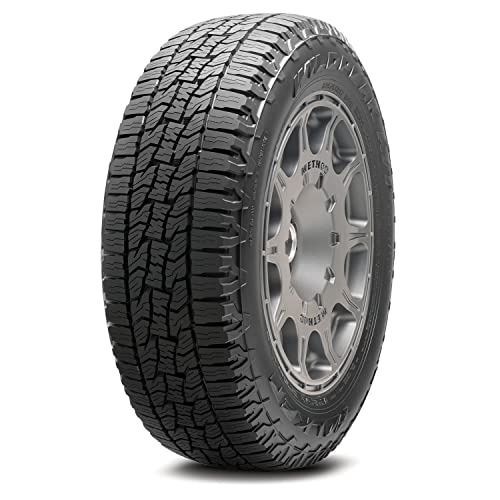
The Falken Wildpeak A/T Trail brings a more rugged tread to a crossover-style Jeep Cherokee. Falken designed it for smaller SUVs that split their miles between pavement and light off-road routes, so its tread offers extra bite without the look of a heavy mud tire.
3D Canyon Sipe Technology adds biting edges that improve traction in cold weather. The deeper tread also gives you more winter grip than a traditional all-season design, and the tire carries a severe-snow rating for added confidence in snowy conditions.
On paved roads, the Wildpeak A/T Trail keeps its manners well enough for everyday driving. Its 65,000-mile limited treadwear warranty adds useful coverage for drivers who rack up regular commuting miles alongside occasional gravel roads.
The 3D Canyon Sipes give the tire a clear winter advantage, while its all-terrain pattern handles dirt and gravel better than a smooth touring tread. The result is a practical mix of road comfort and trail-ready traction for a Cherokee.
Bottom line: The Wildpeak A/T Trail suits a Cherokee that sees gravel roads, campsite access, and winter weather. Pick it if you want more trail grip without giving up daily road use.
Pros
- All-terrain tread for dirt and gravel
- Severe-snow-rated winter traction
- Open channels clear loose surface material
- Built for mixed road use
Cons
- More road noise than a touring tire
- Firmer ride over rough pavement
Open tread blocks give the Toyo Open Country A/T III the look and bite of a true all-terrain tire. Its tread design works across paved roads, dirt, and gravel, giving your Cherokee more grip when your route leaves the highway.
The Open Country A/T III carries a severe-snow rating, so its all-terrain tread also has a role in winter driving. Its tread compound and block layout balance wet-road traction with the open channels that clear loose dirt from the contact area.
Toyo shaped the tread to offer useful off-road grip without making the tire a mud-only design. On the road, it remains suitable for routine driving, while the larger blocks provide more traction on uneven surfaces than a typical touring tread.
The all-terrain tread pattern gives the Open Country A/T III its broad range, and its severe-snow rating adds winter capability. For a Cherokee that sees a mix of paved miles and rougher access roads, that blend can prove useful year-round.
Bottom line: The Open Country A/T III suits a Cherokee that regularly leaves pavement for gravel roads or trail access. Choose it for a rugged tread with added winter capability.
Pros
- Quiet multi-pitch tread pattern
- Micro-silica compound adds wet grip
- Sipes and grooves aid cold-weather traction
- 65,000-mile treadwear warranty for standard fitments
Cons
- Limited traction on rough trails
- Not a dedicated winter tire
Quiet road manners are a key part of the Yokohama Geolandar CV G058’s crossover-focused design. Its staggered multi-pitch tread pattern breaks up repeating noise, giving your Cherokee a smoother, more settled sound on long paved drives.
A micro-silica rubber compound provides wet-weather traction and supports long tread life. The tread combines 2D and 3D sipes with serrated outer grooves, adding biting edges for colder weather, slush, and light snow.
Chamfered ribs keep more rubber in steady contact with the road. That shape supports even wear and predictable handling, while the tire’s touring design suits daily commutes and highway trips better than rough trail driving.
Yokohama backs the Geolandar CV G058 with a 65,000-mile limited treadwear warranty for standard fitments. Its micro-silica compound and noise-conscious tread make it a comfortable choice for a Cherokee that spends most of its time on pavement.
Bottom line: The Geolandar CV G058 fits a Cherokee used mainly for commuting and highway travel. Choose it for a quiet ride and useful wet-weather traction without an all-terrain tread.
Pros
- Visual Alignment Indicators show uneven wear
- Replacement Tire Monitor signals tread wear
- Symmetrical tread supports steady handling
- All-season design for daily road use
Cons
- Limited grip on rough trails
- Not intended for deep snow
Clear wear cues are a useful feature of the General AltiMAX RT45. Its Visual Alignment Indicators show uneven shoulder wear, while the Replacement Tire Monitor markings change as the tread wears and give you a clear sign when the tire nears the end of its service life.
The symmetrical all-season tread supports consistent handling on everyday roads. It gives your Cherokee a steady, comfortable feel for errands and highway miles, with a road-focused pattern suited to regular paved driving.
General designed the RT45 as a touring tire for year-round use. Its tread balances dry-road stability with wet-weather grip, while the alignment indicators can reveal wear patterns before they become hard to spot across the tread.
The Visual Alignment Indicators and Replacement Tire Monitor add practical features you can see during ordinary use. The AltiMAX RT45 keeps its focus on comfortable daily driving rather than trail traction, making its design a fit for a road-going Cherokee.
Bottom line: The AltiMAX RT45 suits a Cherokee that mostly stays on city streets and highways. Consider it if you value touring comfort and visible tread-wear cues.
Factors to Consider When Choosing Tires for Jeep Cherokee
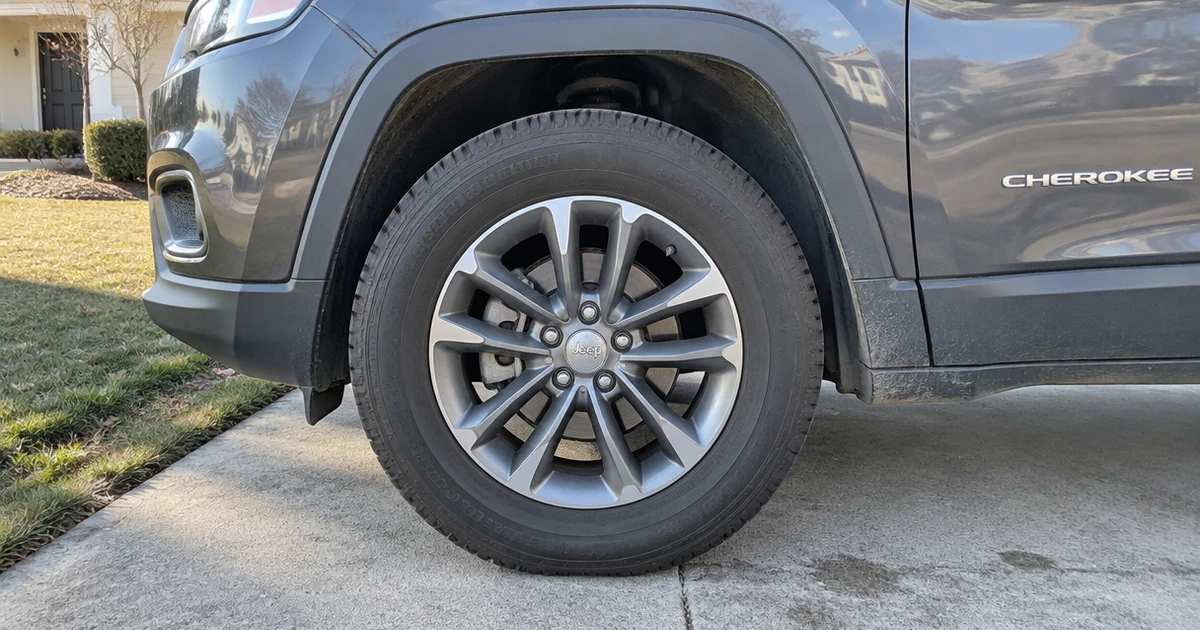
Your Cherokee’s year, trim, drivetrain, and usual routes shape the right tire choice. Start with fitment, then compare how each tire handles weather, comfort, and wear. A tire that suits your daily drive usually matters more than an aggressive tread you rarely use.
Fit, load, and ratings
Use the tire size and service details on the driver-door placard and in your owner’s manual. The size code shows width, sidewall ratio, and wheel diameter.
The load index shows carrying capacity, and the speed rating sets a speed category. Match the factory size and meet its load and speed ratings; a near match can alter handling, clearance, or speedometer accuracy.
- Keep all four tires at the same size, with compatible tread and construction.
- On AWD models, follow the manual’s rules for tread-depth differences when replacing tires.
If you change wheel size, check that the full tire-and-wheel setup fits without rubbing and keeps the vehicle’s intended handling. Ask a tire shop to check fitment before you buy.
Match the tread to your routes
Choose a tire category based on where you drive most. Smooth highway commutes usually call for a touring or all-season tread.
Regular gravel roads or mild trails may suit an all-terrain design, though its open tread can add noise on pavement. A winter tire can help if you drive often in cold, snowy conditions.
| Tire type | Best fit | Trade-off |
|---|---|---|
| Touring all-season | Mostly paved roads | Limited deep-snow grip |
| All-terrain | Pavement and rough roads | Can add road noise |
| Winter | Frequent cold and snow | Plan to switch for warm seasons |
Use your weekly routine as the guide, not the rare trip. If most miles happen on pavement, a trail-focused tread may bring noise and a firmer ride without much benefit.
Wet and winter traction
For rainy roads, look for tread grooves that move water away from the contact area and a compound that stays flexible in cool weather. These features can help the tire hold the road and brake with control in wet conditions. Deep grooves alone do not tell the whole story, so compare wet-grip performance claims across tires in the same category.
If you face regular snow or freezing temperatures, check for the Three-Peak Mountain Snowflake symbol. It marks tires that meet a snow-traction standard, but it does not make them equal to dedicated winter tires in every cold-weather condition.
An M+S marking alone does not certify the same level of snow traction. Choose based on your local weather and driving schedule.
Ride comfort and road noise
Tread pattern and tire construction affect the sound and feel inside the cabin. Closely spaced tread blocks often suit highway driving, while larger, more open blocks can create more hum.
A taller sidewall can soften bumps, but the factory size and wheel setup limit your choices. If a quiet ride matters, compare noise information from the tire maker and look for designs aimed at regular road use.
Pressure matters too. Underinflation can make a tire feel soft and wear its shoulders; overinflation can make bumps feel sharper.
Set cold tire pressure to the number on the door placard, not the maximum pressure printed on the tire. If the vehicle still pulls or vibrates, ask a shop to check alignment and balance.
Tread life and upkeep
Compare treadwear warranties as a rough guide to a tire’s intended lifespan, not as a promise of how long it will last. Driving style, road surface, climate, vehicle alignment, and tire pressure all affect wear. A longer-wearing design may suit daily highway miles, while a softer, more performance-focused tire can trade some lifespan for sharper road response.
Rotate tires on the schedule in your owner’s manual, and check pressure at least once a month and before long trips. Look for uneven wear, cuts, bulges, or repeated pressure loss.
These signs can point to a tire or alignment problem. Replace tires when tread gets low or damage makes them unsafe, and have a shop inspect questionable tires.
Frequently Asked Questions
What type of tire works best for a Jeep Cherokee?
Choose based on your regular roads and weather. Touring all-season tires suit mostly paved commutes, while all-terrain tires can help if you often drive on gravel or mild trails. If your area gets frequent snow and freezing temperatures, look at winter-rated options and plan for seasonal tire changes.
Do all four tires need to match?
Yes, use matching tire sizes and compatible tread types across all four wheels. This helps the vehicle handle predictably. AWD systems can also react poorly to differences in tire circumference. Check your owner’s manual for its rules on tread-depth differences, especially if you replace fewer than four tires at once.
What tire pressure should I use?
Use the cold-pressure figure on the driver-door placard or in the owner’s manual. Do not use the maximum pressure printed on the tire as your target. Check pressure when the tires are cold, since driving warms the air inside and can change the reading.
How often should I rotate my tires?
Follow the rotation schedule in your owner’s manual, since the right interval can vary by model and drivetrain. Regular rotation helps spread wear across the set. Check the tread during each rotation, and ask a tire shop to inspect uneven wear that may point to an alignment or suspension issue.
Are all-season tires enough for snowy roads?
They may handle light snow, but performance varies by tire and winter conditions. For frequent snow or icy roads, choose tires with a Three-Peak Mountain Snowflake symbol or use dedicated winter tires. That symbol signals a snow-traction standard, but local conditions and careful driving still matter.