
This post may contain affiliate links. As an Amazon Associate I earn from qualifying purchases. If you choose to make a purchase, I may earn a small commission at no extra cost to you.
Choosing tires for a Tesla Model S can feel like a balancing act. You need the right fit and load rating for a heavy, quick electric sedan, but you may also want more range, a quieter cabin, confident wet grip, or better handling. One tire rarely leads in every area.
Start with your car’s placard and driving conditions, then weigh tread type, comfort, and expected wear. This roundup compares the best tires for Tesla Model S you can buy in 2026, with options for year-round driving, summer performance, quiet commuting, and touring. The guide below also explains which details to check before you order, so you can match a tire to your wheels, weather, and daily routes.
Our Top Tesla Model S Tires Picks


More Details on Our Top Picks
Pros
- Responsive steering and strong dry-road grip
- Confident wet-road traction
- Usable grip in light snow
- Performance-focused tread with an emphasis on lasting use
Cons
- Deep snow grip falls short of a dedicated winter tire
The asymmetric tread and Extreme Silica+ compound give the Michelin Pilot Sport All Season 4 the mix of grip and year-round usefulness that suits a powerful sedan. Its tread channels water across wet pavement, while the compound maintains traction as temperatures shift. Steering feels precise, so the car responds cleanly when you change lanes or take a fast curve.
Michelin developed this tire for sporty road use, and Chevrolet chose the line for the Corvette. That performance focus shows in its stable feel under braking and its confident grip on dry roads. You also get usable traction in light snow, though the tread does not turn it into a winter tire.
The Michelin Pilot Sport All Season 4 balances responsive handling with a tread built for lasting use, rather than focusing on a short burst of grip. On a Model S, that can make daily drives feel composed without giving up the sporty character you expect from a performance tire. Its all-season design also saves you from switching to a summer tire for warmer months.
Bottom line: Choose this Michelin if you want one performance-oriented tire for changing seasons and spirited daily driving. It suits Model S owners who value sharp road manners more than serious winter traction.
Pros
- EV-focused design manages high torque
- Low rolling resistance supports range efficiency
- Noise-conscious tread design
- All-season traction for everyday driving
Cons
- Steering feels less immediate than a summer performance tire
Hankook built the iON line around the particular demands of electric cars, and the Hankook iON evo AS carries that focus into an all-season tire. Its tread and compound aim to manage strong electric-motor torque while keeping rolling resistance low. The design also limits road noise, a welcome trait in a quiet Model S cabin.
That combination gives you steady everyday grip without making range efficiency an afterthought. The Hankook iON evo AS uses an EV-focused structure to handle the weight of battery-powered cars, and its tread pattern supports even wear under repeated acceleration. Its all-season layout handles wet roads and changing temperatures, while its steering feel favors composed road use over aggressive summer driving.
On a Model S, the tire’s quiet ride helps reduce the hum that can stand out once the motor noise fades. Its balanced character suits commuting and longer highway trips, where low noise and predictable handling matter more than track-focused response.
Bottom line: The Hankook iON evo AS fits drivers who want EV-specific efficiency and quiet road manners in an all-season tire. Choose it for regular road use rather than frequent hard cornering.
Pros
- SoundComfort foam reduces road noise
- Tread targets wet- and dry-road grip
- Sidewall design absorbs road impacts
- Built-in gauge helps track tread wear
Cons
- Steering feel favors comfort over aggressive response
Road noise can become more noticeable in an electric car, so Goodyear gives the ElectricDrive 2 its SoundComfort Technology foam. The foam inside the tire absorbs some of the vibrations that create cabin hum. The Goodyear ElectricDrive 2 pairs that quieter ride with a tread pattern built for wet- and dry-road grip.
Its streamlined sidewall design absorbs impacts and supports steering response, while the tread pattern aims for stable handling in everyday traffic. Goodyear also designed the tread to last longer than the previous ElectricDrive generation. A built-in wear gauge gives you a clear visual cue as the tread wears and can point out uneven wear that may reflect an alignment issue.
The tire’s touring character fits the Model S well for long commutes and highway miles. It favors a calm ride over the sharpest possible steering feel, and SoundComfort Technology helps keep conversations and hands-free calls clear inside the cabin. The ElectricDrive 2 puts comfort and useful all-season grip at the center of its design.
Bottom line: Pick the Goodyear ElectricDrive 2 if a quieter cabin matters during your daily drives. It suits Model S owners who value touring comfort and steady road grip.
Pros
- Up to 55,000-mile treadwear warranty
- 30-day satisfaction trial
- Z grooves and wavy sipes support wet grip
- Variable tread pitch reduces pattern noise
Cons
- Sporty shoulder blocks can pass sharp road impacts into the cabin
Large outer shoulder blocks give the Yokohama Advan Sport EV A/S a planted feel through corners. Yokohama pairs them with Z-shaped grooves and wavy sipes, which create extra biting edges for wet and changing road conditions. The contact patch and all-season compound also aim for even tread wear.
Yokohama varies the tread pitch to cut pattern noise, a useful touch in a quiet electric sedan. The Yokohama Advan Sport EV A/S also carries a treadwear warranty of up to 55,000 miles through Yokohama’s Promise program, along with a 30-day satisfaction trial. Those terms add useful backing to a tire that balances sporty handling with everyday driving comfort.
On a Model S, the reinforced sidewall construction and broad shoulders give the tire a steady feel when you turn in or brake. The tread works across a range of weather, and its varied pitch keeps the pattern from droning as the car rolls along. The sporty setup can pass sharper impacts through the cabin on rough pavement.
Bottom line: Consider this Yokohama if you want an all-season tire with a clear warranty and trial period. It suits drivers who value cornering support and a quieter tread pattern.
Pros
- Low rolling resistance supports EV range
- Reinforced sidewalls promote stability
- All-season grip for everyday roads
- Durable construction targets long tread life
Cons
- Touring focus gives up some sharpness during hard cornering
Low rolling resistance gives the Bridgestone Turanza EV a clear focus on reducing the energy a tire uses as it rolls. That design can help preserve an electric car’s driving range. Bridgestone also reinforces the sidewalls and tunes the tread for grip and stability across all-season road conditions.
The Bridgestone Turanza EV fits the comfort-minded side of the Model S experience. Its sturdy construction handles the extra demands of an electric vehicle, while the tread design supports stable braking and predictable road manners. Bridgestone also emphasizes long tread life, which matters when strong acceleration puts extra stress on the tires.
This tire favors relaxed touring over sharp, track-style response. On long drives, its steady feel and range-conscious design work well with the Model S’s quiet, smooth character. The all-season tread adds useful flexibility for everyday weather, though drivers who push hard through corners may want a more aggressive steering feel.
Bottom line: The Bridgestone Turanza EV suits Model S drivers who put range efficiency and stable touring manners first. Choose it for everyday road use rather than aggressive cornering.
Pros
- 50,000-mile limited treadwear warranty
- Four grooves move water and slush
- Dense siping adds grip and reduces vibration
- Asymmetric tread supports handling and braking
Cons
- Steering response feels less sharp during hard driving
A 50,000-mile limited treadwear warranty gives the Pirelli P Zero All Season Plus Elect a useful edge for drivers who put plenty of miles on their Model S. Pirelli uses an asymmetric tread pattern to balance handling, braking, and traction across changing conditions. Dense siping adds biting edges for grip while also helping keep road noise and vibration in check.
The four wide grooves move water and slush out of the tread, which supports control on wet pavement. The Pirelli P Zero All Season Plus Elect brings an EV-specific focus to that design, with a tread built to handle the torque of electric motors. Its all-season layout gives you more flexibility than a summer-only tire when weather shifts.
On dry roads, the tire responds predictably through turns and under braking. Its noise-conscious tread also suits the quiet cabin of an electric sedan. The feel leans toward balanced road use, rather than the sharpest possible response during hard driving.
Bottom line: This Pirelli suits drivers who want an all-season tire with strong wet-road features and a clear treadwear warranty. It fits regular driving better than repeated high-speed cornering.
Michelin Pilot Sport 4S

Pros
- Precise steering response
- Strong dry grip and wet braking
- Racing-derived design
- Stable feel at high speeds
Cons
- Summer tread lacks winter traction
- Cold weather reduces its grip
Michelin draws on endurance racing experience to shape the Michelin Pilot Sport 4S, a summer tire built for precise handling. Its bi-compound tread uses different rubber compounds across the inner and outer areas to balance wet grip with dry-road cornering. The design gives you firm steering response when you turn in at speed.
The Michelin Pilot Sport 4S delivers strong dry grip and confident wet braking, key traits for a powerful Model S. Its construction helps keep the tire stable during fast driving, and automakers such as Mercedes-AMG, Ferrari, and Porsche have used the Pilot Sport 4S on performance cars. That pedigree reflects its focus on control rather than relaxed touring comfort.
On warm roads, the tire gives you direct feedback through the steering wheel and holds its line through corners. It suits a Model S driver who wants a more focused summer setup and accepts a narrower weather window. Cold temperatures and snow fall outside its intended use.
Bottom line: Choose the Michelin Pilot Sport 4S for warm-weather driving where handling and braking matter most. It suits Model S owners who do not need one tire for winter conditions.
Pros
- Acoustic foam reduces cabin resonance
- MaxTouch Construction spreads driving forces
- GreenPower Compound targets lower energy use
- Six-year limited warranty
Cons
- 20,000-mile treadwear warranty offers limited mileage coverage
Michelin’s acoustic foam tackles a sound that often stands out in electric cars: tire noise. The Michelin Pilot Sport EV uses a custom polyurethane layer inside the tire to reduce cabin resonance. Its MaxTouch Construction spreads acceleration, braking, and cornering forces across the contact patch to promote even wear.
The Michelin Pilot Sport EV also uses Michelin’s GreenPower Compound in the shoulder areas to reduce energy use while keeping the tire ready for high-performance EVs. That balance suits the Model S, where quick acceleration puts extra stress on the tread. Michelin backs the tire with a 20,000-mile treadwear warranty and a six-year standard limited warranty.
On the road, the foam helps preserve a calmer cabin, while the tire’s performance-focused design keeps handling responsive. The Pilot Sport EV blends EV-specific efficiency features with confident road manners. Its limited treadwear coverage gives you less mileage protection than the tire’s quiet touring character might suggest.
Bottom line: The Michelin Pilot Sport EV suits Model S owners who want quiet running and responsive handling from an EV-focused tire. It fits drivers who value cabin comfort more than long treadwear coverage.
Pros
- Quick-warming tread compound
- Rib design supports cornering
- Reinforced steel belt aids response
- Noise-reducing options exist on select versions
Cons
- Summer compound loses grip in cold weather
- Firm ride can pass rough-road impacts
The tread compound in the Pirelli P Zero PZ4 warms quickly and targets wet-road grip, which suits a performance tire used on varied roads. Pirelli combines that compound with a ribbed tread design to support cornering and a reinforced steel belt for responsive handling. The result centers on control rather than all-season flexibility.
The Pirelli P Zero PZ4 uses a design that lowers rolling resistance and road noise without giving up its sporty character. Its rib pattern helps the tire hold its line through turns, while the reinforced construction keeps steering response direct. Some PZ4 versions also offer Pirelli Noise Cancelling System, run-flat construction, or SealInside puncture protection, though those features vary across the line.
For a Model S driven in warm conditions, the PZ4 offers confident handling and useful wet-road performance. Its summer compound does not suit cold weather or snow, so it works best when you want focused road grip through warmer months. The ride may also feel firmer on rough surfaces than a comfort-first tire.
Bottom line: The Pirelli P Zero PZ4 suits drivers who want sporty handling for warm-weather roads. Consider it for a Model S used in conditions that match its summer focus.
Pros
- K-Silent foam reduces road noise
- High-strength construction suits EV loads
- Tread compound targets high-torque wear
- Designed for electric sedans and SUVs
Cons
- Touring focus limits sharp steering response
K-Silent Technology gives the Kumho Majesty 9 Solus TA91 EV a clear focus on reducing tire noise. The foam layer inside the tire absorbs sound that can otherwise enter an electric sedan’s cabin. Kumho also builds the tire for the weight and torque demands of electric vehicles.
The Kumho Majesty 9 Solus TA91 EV pairs that quiet design with a high-strength construction for EV sedans and SUVs. Its tread compound targets grip and wear under the strong torque of electric motors, which can put extra stress on the tread during acceleration. That combination gives the tire a comfort-minded character with practical durability for daily road use.
In a Model S, the quieter ride can make long drives more pleasant without taking away the smooth feel of an electric car. The tire prioritizes calm touring manners over aggressive steering response, so it feels better suited to regular commutes than hard cornering. Its EV-specific construction and acoustic foam give it a distinct role as a quiet road tire.
Bottom line: The Kumho Majesty 9 Solus TA91 EV fits Model S owners who want a quiet, comfort-focused ride. It suits routine driving better than frequent aggressive cornering.
Factors to Consider When Choosing Tires for Tesla Model S
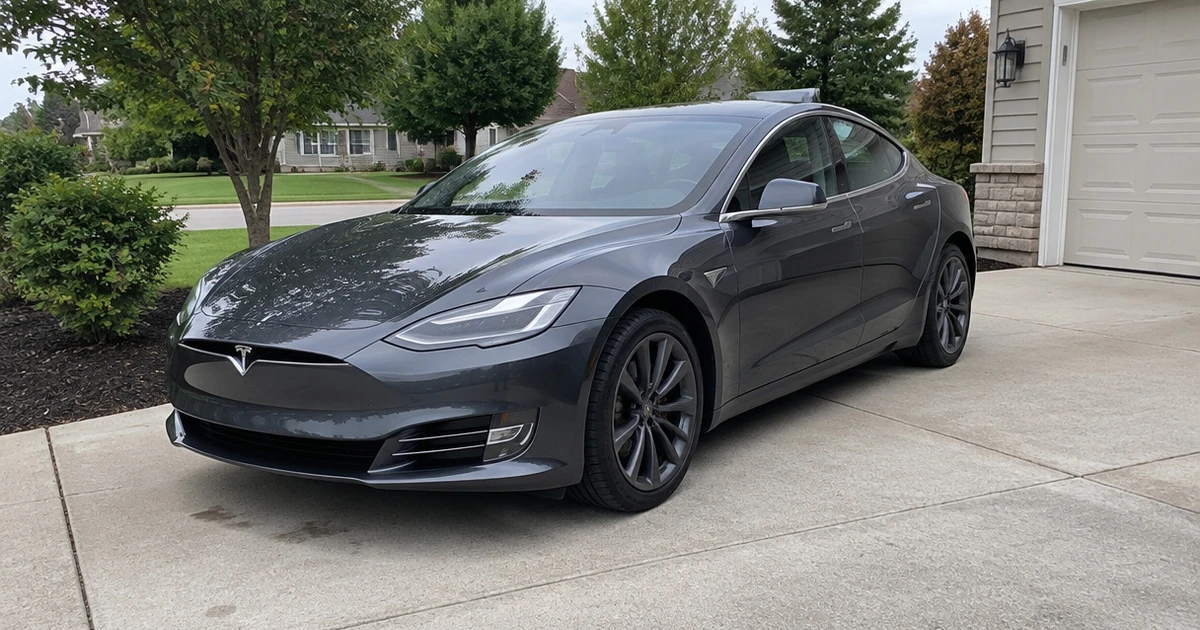
Your tire choice affects how the Model S rides, handles, and uses energy. Start with the fitment on the car’s tire placard, then match the tire to your climate and driving habits. These checks help you compare tires without overlooking load capacity, comfort, or upkeep.
Fit, Load, and Speed Ratings
Use the tire placard inside the driver’s door jamb to match size, load index, and speed rating. The load index matters on an electric sedan because battery weight and instant torque place extra demand on tires. Check the exact trim and wheel package too: some setups use different sizes front and rear.
Confirm wheel diameter and rim width before ordering. If you change wheel size, keep overall tire diameter close to the approved fitment and ask a tire shop to check clearance.
| Check | Where to verify | Why it matters |
|---|---|---|
| Full size code | Placard or manual | Matches the wheel fitment |
| Load index and speed rating | Placard | Supports the car’s weight and intended speed |
| Front and rear sizes | Placard | Confirms whether the setup uses staggered sizes |
Weather and Tread Type
Match tread type to the coldest and wettest conditions you face. All-season tires suit drivers who see mild seasons and want one set year-round; summer tires favor warm-weather grip but lose flexibility in cold weather.
If snow or ice appears often, choose a winter tire with the right markings for severe-snow service. No single tread type performs best in every climate, so use your local weather, roads, and storage options to guide the choice.
- Mild weather: all-season tread for varied conditions.
- Hot summers with little or no snow: summer tread for warm-weather grip.
- Frequent snow or ice: winter tread designed for cold-weather traction.
Range and Efficiency
Rolling resistance describes how much energy a tire uses as it rolls. A lower-resistance design can help range, but tire pressure, alignment, temperature, speed, and driving style also affect energy use. Compare efficiency claims only among tires that meet your fitment and weather needs.
Keep pressure at the level listed by the vehicle maker, since underinflation can increase energy use and heat. If you often drive long highway routes, prioritize efficiency and stable tracking; frequent short trips make cold-weather performance and comfort more relevant.
Noise and Ride Comfort
Electric motors make little engine noise, so tread hum and impact sounds can stand out in the cabin. Read noise ratings where available, but treat them as a comparison aid because pavement texture and vehicle setup change what you hear. Some tires add a sound-absorbing layer inside the casing, while tread design and rubber compound also shape cabin noise.
A touring tire often favors a softer ride; a sporty tire may feel firmer. Test drive when possible and listen on familiar roads.
Grip and Handling
Consider how you drive before you prioritize cornering grip. A quick, heavy sedan benefits from predictable braking and stable response, especially on wet pavement. Look for broad circumferential grooves and fine tread cuts that move water and help maintain contact in rain.
Summer performance tires can sharpen warm-weather steering, while all-season designs trade some peak grip for broader temperature use. Match the tire’s speed rating to the car’s placard, and avoid choosing a tire by a sporty tread pattern alone. Grip also depends on tread depth and correct pressure.
Tread Life and Maintenance
Check the treadwear warranty, but read its terms as carefully as the mileage figure. Coverage often depends on proper rotations, inflation, alignment, and proof of service; aggressive driving and uneven wear can limit a claim. Electric torque can wear tread quickly if you accelerate hard, so inspect the inner and outer shoulders, not just the center.
Follow the rotation schedule in your manual, and ask a tire shop about rotation limits if your car uses different front and rear sizes. A prompt alignment check can help prevent uneven wear after a curb strike or suspension repair.
Frequently Asked Questions
What tire size does a Tesla Model S use?
Check the tire placard on the driver’s door jamb and your owner’s manual for the approved size, load index, and speed rating. Fitments vary by year, trim, and wheel package, and some setups use different front and rear sizes. Match all listed details rather than relying only on the tires already on your car.
Can I use regular tires on an electric car?
Yes, if each tire matches the car’s approved size, load capacity, and speed rating. EV-specific designs may reduce road noise or rolling resistance, but the label alone does not make a tire suitable. Compare the actual ratings and choose a tread pattern that suits your weather and driving habits.
Do tires affect electric car range?
Low-rolling-resistance tires can use less energy as they roll, which may help you travel farther per charge. The effect depends on speed, temperature, tire pressure, alignment, tread wear, and driving style. Keep tire pressure within the range on your placard, and choose a tire that balances efficiency with wet-road grip.
How often should I replace my tires?
Replace tires when tread reaches the legal limit or when damage, cracking, bulges, or uneven wear makes them unsafe. Wet grip often drops as tread wears, so do not wait for a tire to look smooth. Check pressure and wear regularly, and ask a tire shop to inspect a tire after a hard impact.
Should I choose all-season or summer tires?
Choose all-season tires if you want one set for varied conditions and your winters stay mild. Summer tires can offer stronger warm-weather grip, but cold temperatures reduce their flexibility and snow traction. If your area gets frequent snow or ice, choose tires designed for winter conditions and plan seasonal changes.