
This post may contain affiliate links. As an Amazon Associate I earn from qualifying purchases. If you choose to make a purchase, I may earn a small commission at no extra cost to you.
Snow can turn a commute into a test of braking and steering, especially on cold roads. Many all-season tires handle rain and mild cold well but lose grip on packed snow or ice, so the label alone tells you little.
The best all season tires for snow in 2026 pair severe-snow traction with predictable wet-road control and a tread design suited to your routes. You need the right fit for your vehicle, plus a clear sense of when winter tires make more sense. The options below cover daily comfort, sharper handling, and added winter grip, helping you match a tire to your roads and driving habits.
Our Top All Season Tires for Snow Picks


More Details on Our Top Picks
Pros
- 3PMSF certification for severe-snow traction
- Directional tread moves water and slush
- Strong wet and dry braking focus
- Designed to retain performance as it wears
Cons
- Directional tread limits rotation flexibility
The Michelin CrossClimate2 uses a directional V-shaped tread that gives you confident grip through rain and snow. Its angled grooves move water away from the contact area, while the tread blocks add biting edges on wintry roads.
The 3PMSF mark shows that this all-season tire meets a severe-snow traction standard. Michelin pairs that winter grip with dry-road braking and handling, so the tire feels composed through changing weather rather than limited to cold months.
You also get a tread design built to maintain traction as it wears. Michelin’s focus on lasting performance makes the CrossClimate2 a practical fit for drivers who face a mix of wet pavement, cold mornings, and occasional snow.
On slushy roads, the directional grooves give water and slush a clear path out of the tread. The V-shaped pattern and winter-rated traction help you stay in control through changing conditions, while the tire remains comfortable for everyday driving.
Bottom line: Choose the Michelin CrossClimate2 if you want one tire for year-round driving and regular winter weather.
Pros
- SportPlus Technology for responsive handling
- Tuned indicators track dry, wet, and snow performance
- Strong wet and dry braking focus
- 50,000-mile limited tread life warranty
Cons
- Sporty tuning can transmit sharp road texture
If you drive a sporty car but still face winter weather, the Continental ExtremeContact DWS06 Plus gives you a performance-focused option with credible snow traction. Continental’s SportPlus Technology supports responsive handling and grip on both wet and dry roads.
The tread includes tuned performance indicators marked D, W, and S. As the tire wears, those letters show when it no longer has its best tuning for dry, wet, or snowy conditions, giving you a quick visual guide to its changing abilities.
Continental also builds short wet and dry braking into the tire’s design. Its tread channels water away from the contact area, while the siping adds edges for grip when snow covers the road. You get a 50,000-mile limited tread life warranty for added reassurance over many seasons.
The DWS06 Plus keeps steering response lively for an all-season tire, and its tread design suits drivers who enjoy winding roads. Its snow performance adds useful cold-weather range without taking away the tire’s central performance character.
Bottom line: For a performance-minded driver who sees occasional snow, this Continental offers a useful mix of steering response and winter grip.
Pros
- 3PMSF certification for severe-snow traction
- Deep grooves channel water and slush
- Dense siping adds snow-gripping edges
- 60,000-mile limited tread life warranty
Cons
- Warm-weather steering feels less sharp than a summer tire
Nokian has a long history of building tires for difficult winter roads, and the Nokian Remedy WRG5 brings that focus to year-round driving. Its 3PMSF mark confirms that it meets a severe-snow traction standard, a useful feature if your cold season brings more than a few light flurries.
An asymmetric tread combines deep grooves with a dense network of sipes. The grooves channel water and slush away, while the sipes create extra biting edges on packed snow and wet pavement.
The Remedy WRG5 also uses a low rolling-resistance design, which can reduce the energy your car uses to roll down the road. Nokian backs the tire with a 60,000-mile limited tread life warranty, giving you a long service-life target alongside its winter capability.
In daily use, the tread’s mix of open channels and fine cuts gives you useful traction as road conditions change. The severe-snow rating sets it apart from basic all-season tires, while its touring character keeps it suited to regular commuting.
Bottom line: The Remedy WRG5 fits drivers who need reliable year-round traction and face regular snow or slush.
Pros
- 3PMSF certification for severe-snow traction
- Snow vices improve grip in packed snow
- Full-depth 3D sipes maintain biting edges
- Open shoulder slots help clear water
Cons
- Touring-focused steering feels less sporty in quick turns
Slush and standing water can make winter driving feel unpredictable, and the Bridgestone WeatherPeak uses dedicated tread features to manage both. Its snow vices pack snow into the tread for added grip, while a groove channel clears water and slush from the contact area.
Full-depth 3D sipes add edges that bite into snow. They also help the tread wear more evenly, and evolving sipes keep adding traction as the tire wears rather than losing all their effect early.
Open shoulder slots give water another route out of the tread, which is useful during heavy rain or wet snow. The 3PMSF rating confirms its severe-snow capability, so you get more winter traction than a standard all-season design offers.
Bridgestone built the WeatherPeak for touring comfort, with its tread balancing wet-road control and winter grip. Its full-depth siping and snow-packing features suit drivers who meet mixed winter conditions on regular commutes.
Bottom line: Choose the WeatherPeak for a touring vehicle that needs steady winter grip and confident wet-road traction.
Pros
- AquaTred grooves move water and slush
- Evolving grooves maintain water displacement as tread wears
- Comfort inserts reduce bumps and vibration
- Variable tread blocks reduce road noise
Cons
- Comfort-focused tuning feels less sharp in aggressive cornering
Goodyear’s AquaTred Technology gives the Assurance WeatherReady 2 a clear focus: moving water and slush away from the tread. Sweeping grooves help you keep control on wet roads, while evolving traction grooves continue to channel water as the tread wears.
The specialized tread compound stays adaptable across seasons, and the tire carries a severe-snow designation. That combination gives you useful winter traction without giving up its wet-weather focus when roads turn rainy or messy.
Goodyear also adds comfort inserts to smooth bumps and cut vibrations through the cabin. A multi-pitch tread sequence uses blocks of different sizes to reduce repeating road noise, so daily drives feel calmer even when pavement gets rough.
The AquaTred grooves and comfort inserts make this tire well suited to long commutes in changeable weather. Its steering stays controlled through lane changes, while the tread handles rain and slush with a touring-friendly feel.
Bottom line: The Assurance WeatherReady 2 suits drivers who value quiet comfort and reliable wet-weather control, with snow traction for winter roads.
Pros
- 3PMSF certification for severe-snow traction
- Snow claws dig into packed snow
- Dense siping adds winter grip
- 60,000-mile limited tread life warranty
Cons
- Snow-focused tread feels less crisp on warm pavement
In everyday driving, the Toyo Celsius II keeps a touring tire’s road manners while adding tread features for winter grip. It carries a 3PMSF mark, so you get a tire rated for severe-snow traction rather than one built only for mild weather.
A high number of sipes and zigzag-shaped tread blocks create biting edges across the tread. Toyo adds snow claws along the grooves, where they dig into snow to improve traction as your tires move forward.
The Celsius II works for passenger cars, crossovers, and SUVs, so its design covers a range of everyday vehicles. Toyo backs it with a 60,000-mile limited tread life warranty, adding a long service-life target to its snow-ready design.
On cold, snowy streets, the snow claws and dense siping give you useful grip for starts and turns. Its all-weather tread also handles wet roads, making it a practical option for daily trips through changing seasons.
Bottom line: Consider the Celsius II if your passenger car or crossover needs year-round use and stronger snow traction.
Pros
- 3PMSF certification for severe-snow traction
- Asymmetric tread balances winter and warm-weather grip
- Performance-oriented handling
- Suitable for year-round use
Cons
- Winter-oriented tread can soften steering on hot pavement
The Vredestein Quatrac Pro+ uses an asymmetric tread that balances winter traction with warm-weather road control. Its inner tread area focuses on grip in cold conditions, while the outer shoulder supports handling on dry and wet pavement.
This all-weather tire carries the 3PMSF mark, which means it meets a severe-snow traction standard. Its winter-ready compound and tread pattern give you more confidence on snow-covered roads than a basic all-season setup.
The Quatrac Pro+ keeps a performance-oriented character, with a tread shape built for responsive handling when the roads clear. You can use it through different seasons without swapping tires each time temperatures change, and it remains capable in rain and light snow.
The asymmetric tread design gives each side of the pattern a distinct job. That balance makes the Quatrac Pro+ a useful fit for drivers who want brisk road manners along with certified snow traction.
Bottom line: The Quatrac Pro+ suits drivers who want responsive handling and certified snow traction in one tire.
Pros
- EcoPlus Technology focuses on fuel use and tread life
- Quiet tread suits highway travel
- QuickView Indicators track tread performance
- 70,000-mile limited tread life warranty
Cons
- Light-snow traction does not suit deep winter conditions
A quiet cabin and long tread life define the Continental PureContact LS. Continental’s EcoPlus Technology combines fuel-saving design with wet-road braking and tread-life goals, giving you a touring tire built for steady daily use.
The tread manages light snow, so you can handle occasional winter dustings without switching tires. Its wet-road focus also gives you useful grip in rain, while the tread pattern keeps road noise low for a more relaxed ride.
Continental includes QuickView Indicators in the tread. These visual markers show how the tire performs as it wears, giving you an easy way to follow changes in its traction over time.
The 70,000-mile limited tread life warranty adds long-term value for drivers who cover plenty of miles. You get a calm ride on the highway and the EcoPlus Technology benefits on regular routes, with winter traction suited to lighter snow.
Bottom line: Pick the PureContact LS for quiet touring and long tread life if your winter driving usually brings only light snow.
Pros
- 3PMSF certification for severe-snow traction
- Directional tread channels water and slush
- Touring design suits regular commuting
- 60,000-mile treadwear warranty
Cons
- Touring focus favors comfort over quick steering feedback
Pirelli built the Cinturato WeatherActive as a touring tire for drivers who face changing seasons but want a calm daily ride. Its 3PMSF mark confirms severe-snow traction, giving you more winter capability than a standard all-season tire.
The directional tread pattern guides water and slush away from the tire’s contact area. Its all-weather design pairs that wet-road control with snow traction, so the tread can handle more than dry pavement and light rain.
Pirelli backs the Cinturato WeatherActive with a 60,000-mile treadwear warranty. That long-wear focus suits regular commuting, and the touring design keeps the tire comfortable on longer drives.
You get a useful blend of wet grip and winter traction without giving up everyday road manners. The 3PMSF rating gives the WeatherActive its clearest snow advantage, while the directional grooves help keep rain and slush moving through the tread.
Bottom line: The Cinturato WeatherActive fits drivers who want touring comfort with added traction for snow and slush.
Pros
- 3PMSF certification for severe-snow traction
- Wet-road tread channels rain and slush
- 65,000-mile limited mileage warranty
- Touring design suits everyday driving
Cons
- Touring tread feels less composed during hard dry cornering
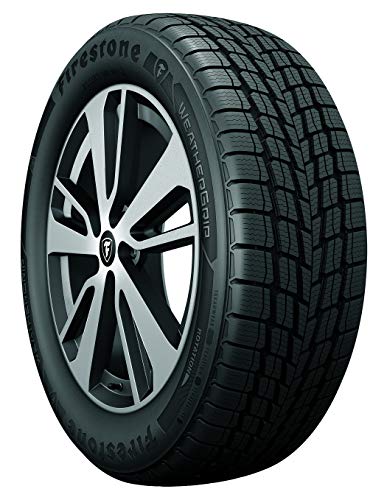
Firestone gives the WeatherGrip a clear all-weather focus, with tread features built to keep control on wet roads through changing seasons. Its 3PMSF mark confirms severe-snow traction, adding useful winter capability for drivers who face snow as part of their regular routine.
Firestone’s tread design channels rain and slush away from the contact area, while grooves and sipes create extra grip on snowy pavement. That mix makes the tire useful across wet, cold, and dry conditions instead of limiting it to mild-weather driving.
A 65,000-mile limited mileage warranty gives the WeatherGrip a long tread-life target. Its touring design focuses on steady everyday handling, so you get a comfortable feel on routine drives as well as added traction in winter.
The WeatherGrip is a sensible year-round option for drivers who want a snow-rated all-weather tire with a strong wet-road focus. Its emphasis on comfort and lasting tread life suits commuting more than aggressive cornering.
Bottom line: The WeatherGrip suits commuters who want wet-weather control, winter traction, and a long tread-life warranty.
Factors to Consider When Choosing All Season Tires for Snow
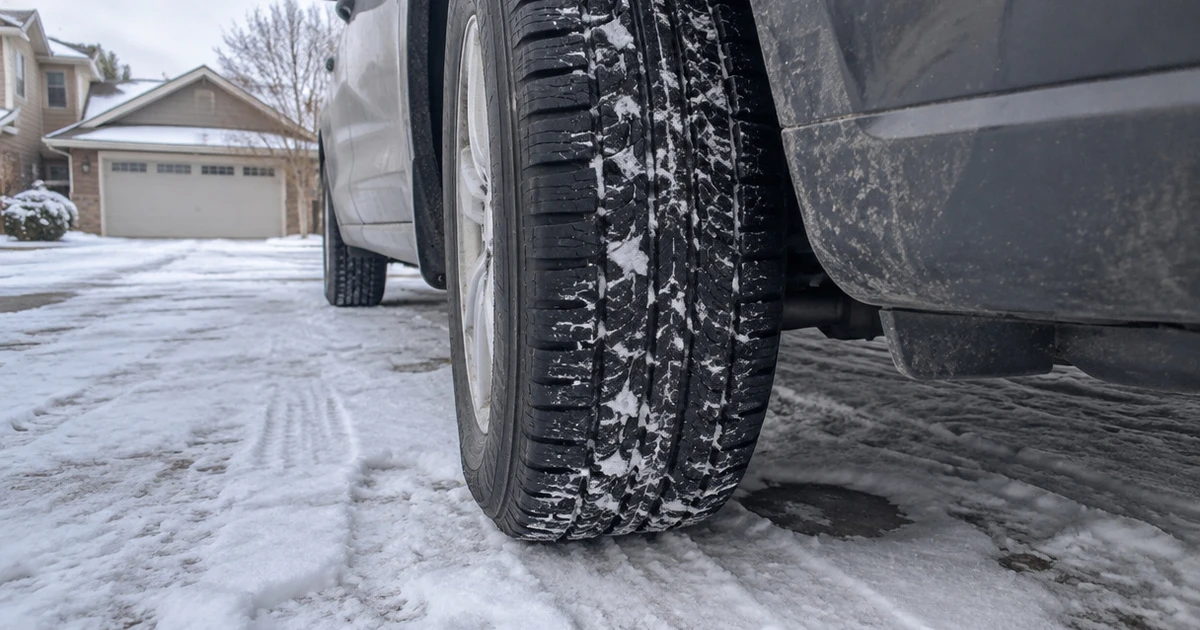
A snow-capable all-season tire has to balance winter traction with the wet and dry handling you use for much of the year. Start with the conditions you face, then match the tire’s rating, tread design, fit, and upkeep to your driving.
Check for a Severe-Snow Rating
Start with the mountain-and-snowflake symbol, often called the Three-Peak Mountain Snowflake (3PMSF). It marks a tire that meets a defined minimum for traction on packed snow. That gives you a more useful winter signal than M+S lettering, which does not use the same severe-snow test.
A 3PMSF tire can help on plowed roads and in regular snowfall, but it cannot match a dedicated winter tire on ice or deep snow. Check local rules too, since some mountain routes may require winter-rated tires or chains during severe weather on exposed roads.
Match the Tire to Your Winter Roads
Your climate and route shape the right choice. If crews clear your roads quickly and you mostly drive on wet pavement with occasional snow, prioritize balanced wet grip, stable braking, and comfortable road manners. If you face frequent packed snow, steep hills, early-morning ice, or rural roads that stay covered, choose a severe-snow-rated design with more biting edges and open grooves.
A tire can only work with the surface it touches, so no tread pattern removes the risk of black ice. If winter brings repeated deep snow or long icy stretches, dedicated winter tires give you a wider safety margin.
Inspect the Tread Design
Tread pattern and rubber compound both shape winter grip. Many snow-capable all-season designs use dense sipes, which create extra biting edges, plus grooves that move slush and water away from the contact patch. A flexible cold-weather compound helps the tread stay pliable as temperatures fall.
Look for a design that balances these features with solid shoulder blocks and enough tread depth for your typical roads. More open patterns can help in snow, but they may add road noise or make steering feel less crisp on dry pavement. Read the maker’s intended use and keep your expectations tied to your climate.
Balance Snow Grip with Road Comfort
You still spend many winter miles on wet or dry pavement, so check wet braking and handling alongside snow credentials. A strong snow focus does not tell you how the tire behaves in heavy rain, standing water, or a quick lane change. Look for directional stability and a tread layout that can clear water, then check independent tests for the exact tire size when available.
Think about comfort too: a more aggressive tread may hum on long commutes, while a touring design may feel calmer but offer less bite in fresh snow. Use this comparison to rank your priorities:
| Driving pattern | Useful traits | Possible trade-off |
|---|---|---|
| Frequent snow on plowed roads | Severe-snow rating and dense siping | More tread noise |
| Rainy, mild winters | Wet braking and water-clearing grooves | Less bite in deep snow |
| Mostly highway driving | Stable handling and quiet tread | Less aggressive snow traction |
Confirm Size and Vehicle Fit
Confirm fitment in your owner’s manual or the tire placard on the driver’s door. Match the approved size, load index, and speed rating; a tire that fits the wheel can still fall short of your vehicle’s requirements. Keep all four tires matched in size and type, especially on all-wheel-drive vehicles, where different rolling circumferences can strain the drivetrain.
Some vehicles use different front and rear sizes, and certain models need reinforced tires. Follow the manual rather than changing width or diameter for snow.
Use the vehicle’s recommended pressure, not the maximum printed on the tire sidewall. Before you buy, check:
- Approved tire size, load index, and speed rating
- Whether your vehicle requires matching tires on all four wheels
- The recommended cold tire pressure
Plan for Wear and Maintenance
Check the treadwear warranty as a guide, not a promise of exact service life. Coverage often depends on regular rotation, correct inflation, alignment, and proof of maintenance, and winter use can wear tread faster on warm pavement. Rotate tires on the schedule in your manual, check pressure when tires are cold, and fix uneven wear before it spreads.
Snow traction fades as tread depth drops. Many tire makers recommend replacing tires used in snow before they reach 4/32 inch, even though the legal minimum in some places is lower. Inspect them before winter and replace damaged or badly worn tires.
Frequently Asked Questions
Are all-season tires safe to use in snow?
That depends on the tire’s winter rating and your roads. A severe-snow-rated all-season tire can provide useful grip on plowed roads and in moderate snowfall, but traction drops on ice, steep snow-covered hills, and deep snow. If you regularly drive through harsh winter conditions, dedicated winter tires offer more grip and braking control.
What does the 3PMSF symbol mean?
3PMSF is the mountain-and-snowflake mark on a tire sidewall. It indicates the tire passed a defined test for traction on packed snow, giving you a stronger winter signal than M+S alone. It does not certify ice braking or make the tire equal to a dedicated winter tire, so match the mark to your local conditions.
Can you use snow-capable all-season tires year-round?
You can leave them on year-round if they suit your climate and your vehicle maker approves the fit. Warm pavement can wear a winter-focused tread faster and may soften steering response. In areas with frequent heavy snow or long cold spells, a dedicated winter set can give you better cold-weather traction, while a summer or touring set may suit the warm months.
How much tread depth do you need for snow?
Many tire makers and safety groups use 4/32 inch as a practical snow-tread threshold because shallow grooves and worn sipes shed less snow and provide fewer biting edges. Local laws may allow less tread, but legal minimums do not promise safe winter grip. Check tread depth across the tire, since uneven wear can leave one area much less capable.
Should you replace all four tires at once?
Usually, you should replace all four tires with the same size and similar tread depth, especially if your vehicle has all-wheel drive. Large differences in rolling circumference can affect handling or stress some drivetrains. Check your owner’s manual for its replacement rules, and ask a tire professional if one tire needs replacement.