
This post may contain affiliate links. As an Amazon Associate I earn from qualifying purchases. If you choose to make a purchase, I may earn a small commission at no extra cost to you.
Choosing all season tires can feel like a compromise. You want wet-road grip, a quiet highway ride, and enough cold-weather traction for an occasional snow day, without changing tires each season. Tread designs, warranties, and winter ratings can make similar options hard to compare.
A good choice starts with your local weather and driving habits. Check wet braking, expected tread life, ride comfort, and steering response. If snow and ice are routine, an all-season tire may not give you enough winter grip.
The best all season tires you can buy in 2026 cover needs from daily commuting to sharper handling and stronger snow traction.
Our Top All Season Tires Picks


More Details on Our Top Picks
Pros
- Up to 80,000-mile limited treadwear warranty
- Locking 3-D Sipes add wet- and dry-road grip
- Designed for long tread life
- Comfortable touring manners
Cons
- Winter grip falls short on packed snow and ice
- Steering feel favors comfort over sportiness
Long tread life is the core appeal of Michelin Defender2, backed by a limited treadwear warranty of up to 80,000 miles. Its redesigned tread aims to hold up through years of daily driving without giving up dependable wet- and dry-road braking.
The key feature is its Locking 3-D Sipes. These small cuts create extra biting edges for grip, then lock together under pressure to keep the tread blocks steady.
That design gives you confident braking on wet pavement and composed handling on dry roads. The tire’s all-season tread also handles ordinary changes in weather, including light snow.
In regular driving, Defender2 feels tuned for comfort and steady road manners rather than sharp, sporty steering. Its long-wear focus and wet-road stopping grip make it a practical touring tire for daily miles.
Michelin Defender2 puts its long-life design to work without making the tread technology hard to understand. You get a familiar all-season setup with a strong emphasis on lasting wear and braking confidence.
Bottom line: Michelin Defender2 suits you if you want a long-lasting touring tire for regular driving and dependable wet braking. It is a sensible pick for drivers who value comfort and tread life.
Pros
- Three-Peak Mountain Snowflake certified
- Directional tread moves water and slush
- Strong wet braking
- Useful grip in snow and cold weather
Cons
- Ice traction trails a dedicated winter tire
- Tread noise can be noticeable on rough pavement
For drivers who face cold snaps and slushy roads, Michelin CrossClimate2 brings an all-weather design to year-round driving. Its Three-Peak Mountain Snowflake certification marks it for severe snow service, a useful distinction for a tire built to stay on the car through changing seasons.
The directional tread uses a distinctive V-shaped pattern to move water and slush away from the contact area. Its thermal-adaptive tread compound is made to keep its grip across a broad range of temperatures.
On wet roads, the CrossClimate2 delivers strong braking and steady control. The tread also gives you more confidence in snow than a typical touring all-season tire, while maintaining composed handling on dry pavement.
Michelin CrossClimate2 has a firm, planted feel that suits drivers who want one tire for mixed weather. The angled grooves and cold-weather grip make its design easy to recognize, while its road manners remain suited to everyday use.
Its snow rating does not turn it into a dedicated winter tire for ice or severe winter conditions. On dry pavement, it still feels stable and predictable in normal driving.
Bottom line: Choose Michelin CrossClimate2 if snow and slush are regular parts of your driving season. Its severe-snow rating and year-round design suit drivers who want to keep one set of tires on the vehicle.
Pros
- 70,000-mile limited treadwear warranty
- EcoPlus Technology targets wet braking and fuel efficiency
- Quiet, comfortable highway ride
- QuickView Indicators show tread performance
Cons
- Light-snow traction does not suit severe winter conditions
- Steering response feels measured rather than sporty
A quiet cabin and relaxed ride define Continental PureContact LS. This touring tire uses EcoPlus Technology, a package of tread design and compound features that targets fuel efficiency, wet braking, and longer tread life.
On damp pavement, the compound helps the tire stop with control. Its tread also gives you useful traction in light snow, so the PureContact LS can handle ordinary seasonal changes without feeling nervous on wet roads.
Continental gives the tire a 70,000-mile limited treadwear warranty. Small QuickView Indicators in the tread let you check how well the tire retains its intended wet and snow performance as it wears.
At highway speeds, the low-noise tread pattern keeps the ride calm and comfortable. Steering feels measured and predictable, which suits steady commutes and long stretches of pavement.
Continental PureContact LS is built around daily comfort, not aggressive cornering. Its mix of quiet road manners, wet-road control, and long treadwear coverage gives it a well-rounded touring character.
Bottom line: Continental PureContact LS fits drivers who spend plenty of time on highways and want a quiet ride. It also makes sense if wet-road braking and long treadwear matter more to you than sporty handling.
Pros
- Tread compound resists irregular wear
- Multi-pitch pattern reduces road noise
- Tread design moves water and slush
- Comfortable touring feel
Cons
- Steering response is comfort-focused, not sporty
Water and winter slush evacuation take center stage in Bridgestone Turanza EverDrive. Its tread pattern moves wet road spray away from the contact area, giving you more composed control when pavement turns slick.
Bridgestone also uses a next-generation tread compound designed to resist irregular and premature wear. That focus matters for drivers who want their tire to wear evenly through routine commuting and longer drives.
A multi-pitch tread pattern varies the size and arrangement of its tread blocks. This design reduces the repetitive sounds that can build up as the tire rolls, while also helping limit vibration through the cabin.
On the road, Turanza EverDrive is tuned for a quiet, comfortable touring feel. Its noise-conscious tread design pairs with steady wet-weather manners for a relaxed drive in changing conditions.
The tire’s design priorities are clear: even wear, ride comfort, and water management. It offers a calm road character instead of a sharp, performance-focused feel.
Bottom line: Bridgestone Turanza EverDrive suits you if wet-road control and a quieter ride matter most in your daily driving. Consider it for a comfortable touring setup with a focus on even wear.
Pros
- Touring tread design for year-round use
- Stable handling on paved roads
- Siped tread blocks add wet-road grip
- Comfortable highway character
Cons
- Steering feedback is less sharp than a performance tire
- Snow and ice grip is limited
Pirelli P7 AS Plus 3 carries the P7 line’s touring focus into year-round driving. Its all-season tread compound and tread pattern are designed to balance dry-road handling with wet traction and steady wear.
The tread uses a broad contact area to keep the tire planted through ordinary turns and highway curves. Its siped tread blocks add edges that can bite into wet pavement and light snow.
Pirelli tunes this tire for a composed ride, with road manners that feel comfortable on longer trips. It is aimed at drivers who want dependable daily handling without the sharper, firmer character of a performance tire.
Pirelli P7 AS Plus 3 feels most at home on paved roads, where stable handling and a smooth ride matter more than aggressive cornering. Its touring-oriented design makes it a practical all-season option for sedans and similar vehicles.
In changing weather, the tread offers the everyday grip expected from an all-season tire. It is not built around severe winter traction, but its design covers common wet and cool conditions.
Bottom line: Pirelli P7 AS Plus 3 is a fit for you if a calm highway ride and predictable daily handling matter more than sporty response. It covers routine all-season driving without a performance-focused feel.
Pros
- AquaChannel grooves move water away
- Noise-reducing tread pattern
- ComfortFlex design absorbs road impacts
- 65,000-mile treadwear limited warranty
- Built-in Wear Gauge
Cons
- Soft ride feel can dull quick steering response
On a long commute, Goodyear Assurance ComfortDrive puts ride comfort and wet-road control first. Its AquaChannel grooves direct water away from the tire’s contact area to help maintain control on wet pavement.
The tread pattern also reduces road noise, which gives the cabin a quieter feel on longer drives. Goodyear’s ComfortFlex design focuses on smoother handling and absorbing road impacts, so the ride feels settled over everyday pavement.
Goodyear Assurance ComfortDrive comes with a 65,000-mile treadwear limited warranty. A built-in Wear Gauge gives you a quick visual way to track tread condition as the tire wears.
In cold, wet weather, the tire is designed to maintain traction and predictable control. Its all-season tread suits regular paved-road use, with handling tuned for comfort rather than quick, sporty reactions.
The noise-reducing tread and impact-absorbing design give this tire a relaxed touring character. It feels at home during steady daily driving, especially when road noise and ride comfort matter.
Bottom line: Goodyear Assurance ComfortDrive suits you if you spend long hours on the road and value a quiet, cushioned ride. Its wet-weather features also make it a useful touring tire for rainy commutes.
Pros
- Responsive steering and cornering
- Strong wet- and dry-road grip
- All-season design for varied conditions
- Selected as original equipment for the Corvette
Cons
- Firmer ride on broken pavement
- Not suited to severe winter driving
Quick steering response is the point of Michelin Pilot Sport All Season 4. This ultra-high-performance tire brings a sport-focused tread and compound to year-round driving, with a design made for strong grip on wet and dry pavement.
Its performance character shows in the way it responds to steering inputs. The tread is designed to keep the car composed through turns, while its all-season construction gives you more flexibility than a summer-only performance tire.
Michelin Pilot Sport All Season 4 has also earned an original-equipment role on the Chevrolet Corvette. That fit reflects the tire’s focus on responsive handling and grip, rather than a soft, touring-style ride.
In everyday use, the performance-focused tread gives you a connected feel on dry roads and confident wet-road control. Its all-season design can handle some cold-weather driving, though it is not a substitute for a dedicated winter tire in severe snow.
This tire’s sharper character comes with a firmer ride than comfort-first touring designs. It gives you a lively response for spirited pavement driving while retaining all-season versatility.
Bottom line: Michelin Pilot Sport All Season 4 is for drivers who want sharper handling from an all-season tire. It suits sporty cars and confident pavement driving through changing weather.
Pros
- SportPlus Technology targets responsive handling
- Tuned Performance Indicators track dry, wet, and snow performance
- Strong wet- and dry-road braking
- Useful snow and ice traction
- Up to 50,000-mile limited treadwear coverage
Cons
- Treadwear coverage is modest for a touring-focused tire
Continental ExtremeContact DWS06 Plus brings sport handling together with useful winter traction. Its SportPlus Technology targets responsive steering, wet and dry grip, and tread life in an ultra-high-performance all-season tire.
Continental’s Tuned Performance Indicators put D, W, and S marks in the tread. As the tire wears, the marks show when it has lost its intended performance for dry, wet, or snow conditions.
The tread pattern is designed for short braking in wet and dry weather, with added grip in snow and ice. That mix gives the DWS06 Plus broader cold-weather ability than a summer performance tire, while keeping a responsive road feel.
On dry pavement, the sport-focused tread supports confident cornering and steady control. The tire also comes with up to 50,000 miles of limited treadwear coverage, a useful feature for a performance-oriented design.
Continental ExtremeContact DWS06 Plus has a more athletic character than a comfort-first touring tire. It balances that feel with all-season traction and tread indicators that make wear easier to read.
Bottom line: Continental ExtremeContact DWS06 Plus suits you if you want sporty handling with better cold-weather flexibility than a summer tire. Its tread indicators also give you a clear way to track changing performance.
Pros
- All-season traction for routine weather changes
- Stable contact for predictable handling
- Tread grooves move water away
- Comfortable highway manners
Cons
- Steering favors comfort over quick turn-in
For sedan and crossover drivers who want a steady daily ride, Yokohama Avid Ascend GT brings a balanced touring design. Its all-season tread is built to provide dependable traction in dry and wet weather while keeping road manners comfortable.
Yokohama uses an advanced tread compound and a pattern designed to keep the contact area stable. The tread’s grooves move water away, while its sipes add edges for grip on damp roads and in light snow.
On highways, the tire feels composed and easy to live with. Its touring-focused tread favors steady road comfort and predictable handling over quick, aggressive steering.
Yokohama Avid Ascend GT is made for the changing conditions that come with everyday driving. It offers a measured balance of wet-road control, comfort, and all-season traction without leaning heavily toward one driving style.
The tire’s design works best on paved roads and in routine weather changes. Its calm response suits drivers who value a smooth commute and consistent handling.
Bottom line: Yokohama Avid Ascend GT is a good fit if you want a comfortable touring tire for regular paved-road driving. Choose it for balanced handling rather than a sporty feel.
Pros
- Visual Alignment Indicators reveal uneven wear
- Replacement Tire Monitor shows tread wear
- Symmetrical all-season tread
- Predictable handling for daily driving
Cons
- Steering response is less sharp than a sporty tire
General AltiMAX RT45 uses a symmetrical all-season tread to deliver steady handling and even wear. Its Visual Alignment Indicators sit in the tread and help reveal uneven wear patterns, giving you a simple way to spot changes in how the tire is wearing.
The tire also includes a Replacement Tire Monitor. Its tread markings change as the tire wears, showing when the tread has reached the point where replacement is due.
On the road, the AltiMAX RT45 is tuned for predictable daily driving. The all-season pattern gives you useful grip in wet and dry conditions, with light-snow ability for ordinary winter weather.
General AltiMAX RT45 has a straightforward touring character. It feels settled on everyday roads and favors comfort and steady handling over sharp cornering response.
The tread-monitoring features set this tire apart from a basic all-season design. Its clear wear indicators pair with a practical tread pattern for commuting and regular errands.
Bottom line: General AltiMAX RT45 suits you if you want a practical tire for commuting and routine year-round driving. Its built-in wear indicators are useful if you value a clear view of tread condition.
Factors to Consider When Choosing All Season Tires
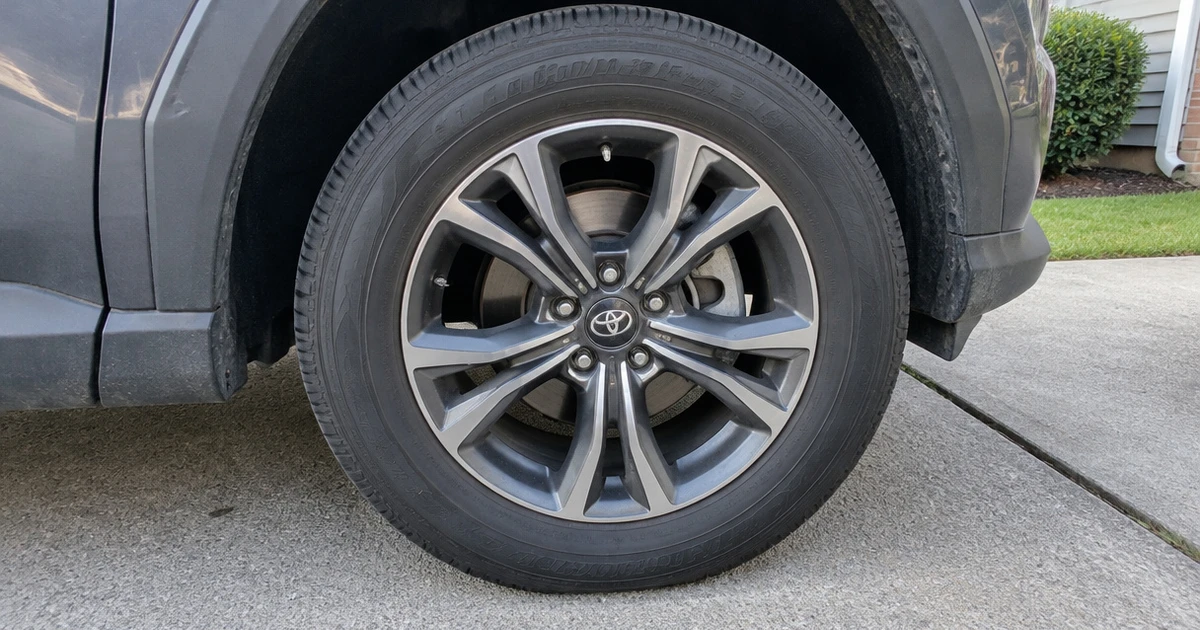
Start with the conditions you face most often, then match the tire’s strengths to your driving. A good fit can make daily trips more comfortable and predictable.
Climate and Winter Needs
Start with the weather you face most often, not the rare storm that makes headlines. Standard all-season tires work for warm roads, rain, and light, occasional snow, but they cannot match a dedicated winter tire on packed snow or ice. If your area sees frequent snow, check for the three-peak mountain snowflake symbol.
It signals that the tire passed a defined snow-traction test, though it does not promise strong ice grip. In milder regions, a tire without that mark may still suit your routine.
Use this guide to match common conditions with a practical priority:
| Driving conditions | Main priority | What to look for |
|---|---|---|
| Frequent rain | Wet grip | Water-clearing grooves |
| Occasional snow | Cold-weather traction | Snowflake symbol if needed |
| Regular ice | Winter control | Dedicated winter tires |
Wet-Road Grip
Rain performance depends on the tread’s ability to move water away from the contact area. Look for open grooves and channels that help reduce hydroplaning risk, along with a compound that maintains grip in cool, wet weather. A tire with strong wet braking can help you stop with more control during sudden rain or on slick city streets.
Check independent test results for wet braking and handling when you can. Do not judge wet grip by tread appearance alone.
Also check your tires’ tread depth as they wear, since shallow grooves leave less room to clear water. If heavy rain is common where you drive, give wet performance more weight than sporty steering feel.
Ride Comfort and Road Noise
Your tire choice affects how much road texture and sound reach the cabin. Touring tires often favor a smooth ride and lower noise, while performance-focused designs may feel firmer and respond more quickly to steering. Read owner feedback with care, since road surfaces and vehicle design can change how a tire sounds or feels.
If you spend hours on the highway, look for a comfort-focused tread design and a tire that suits your vehicle’s suspension. Check the load rating too, since a tire that does not match the vehicle can hurt ride quality and handling. Drivers who enjoy sharper cornering may accept a firmer ride, but commuters often value a calmer cabin.
Tread Life and Warranty
A treadwear warranty can help you compare a tire’s expected service life, but it does not promise a specific number of miles. Your alignment, tire pressure, driving style, climate, and road surface all affect wear. Treadwear grades can offer another point of reference, though different manufacturers do not always apply them in the same way.
Read the warranty terms before you buy. Check what records the maker requires and how it handles uneven wear or early tread loss.
Regular pressure checks and rotations help tires wear evenly, and a mechanic can spot alignment problems before they shorten tire life. If you drive many miles each year, tread life may matter more than a small gain in cornering response.
Fit and Vehicle Requirements
Use the size and ratings listed in your vehicle manual or on its tire-information label. The size includes width, sidewall ratio, and wheel diameter; the load index and speed rating also need to meet your vehicle’s requirements. A tire that looks close in size may still affect handling or clearance, so do not swap sizes without checking a trusted tire professional.
Use these checks before choosing:
- Match the approved tire size and wheel diameter.
- Meet or exceed the required load index and speed rating.
- Follow your vehicle maker’s guidance for replacement tires.
Some vehicles need tires with specific construction or pressure-monitoring features. If you drive an all-wheel-drive vehicle, follow its manual’s rules for matching tread depth across all four tires. Correct fit protects handling and helps the vehicle’s systems work as intended.
Choosing All Season Tires for Your Driving
Choose the Michelin Defender2 for durable everyday use, or the Michelin CrossClimate2 if snow traction matters most. The Continental PureContact LS suits quiet touring, while the Bridgestone Turanza EverDrive focuses on wet-weather confidence. For highway comfort, consider the Pirelli P7 AS Plus 3; the Goodyear Assurance ComfortDrive puts ride comfort first.
If you want sporty steering, look at the Michelin Pilot Sport All Season 4. The Continental ExtremeContact DWS06 Plus suits drivers who want stronger snow performance, while the Yokohama Avid Ascend GT offers a balanced touring approach. For daily driving on a tighter budget, the General AltiMAX RT45 is a value-focused option.
Frequently Asked Questions
Can all season tires handle snow?
Many all-season tires handle light snow and cold, wet roads, but their grip drops on packed snow and ice. For regular winter weather, check for the three-peak mountain snowflake symbol, which marks a tire that passed a defined snow-traction test. Even then, a dedicated winter tire can offer better control on severe snow and ice.
What is the difference between all-season and all-weather tires?
All-weather tires usually focus more on cold-weather grip than standard all-season tires, and many carry the three-peak mountain snowflake symbol. Both types can serve year-round in some climates, but neither performs like a dedicated winter tire on every icy or snowy road. Compare the markings and choose for your local conditions.
How long do all season tires last?
Tire life depends on tread design, roads, climate, alignment, pressure, and driving habits. Check tread depth often and replace tires before they reach the legal limit in your area. Wet grip can weaken before the tread reaches that point, so watch for longer stops or reduced control on rainy roads.
How often should you rotate all season tires?
Follow the schedule in your vehicle manual, since rotation needs can vary by vehicle and tire setup. Many drivers rotate their tires every 5,000 to 8,000 miles. Regular rotations help the tires wear more evenly, while pressure checks and alignment inspections can catch other problems before they shorten tire life.
Should you replace all four tires at once?
Replacing all four tires together keeps tread depth and grip more even across the vehicle. Some vehicles, especially all-wheel-drive models, require closely matched tires to protect the drivetrain. If you replace fewer than four, follow your vehicle maker’s guidance and match the remaining tires in size, type, and tread depth.