
This post may contain affiliate links. As an Amazon Associate I earn from qualifying purchases. If you choose to make a purchase, I may earn a small commission at no extra cost to you.
Your Lincoln Navigator can carry a full cabin and travel long highway miles, so tire choice affects more than ride feel. The wrong fit can bring extra road noise, weak wet braking, or a load rating that falls short when you pack passengers and cargo.
Good choices start with the size, load index, and speed rating on the door placard. Then match tread design and winter rating to your roads, towing needs, and the time you spend on highways. The best tires for Lincoln Navigator you can buy in 2026 should suit how you use the SUV, not just its badge.


More Details on Our Top Picks
Pros
- Designed for larger, powerful SUVs
- Long-wearing tread focus
- Quiet, comfortable highway manners
- Reliable all-season traction
Cons
- Limited bite on loose off-road surfaces
Michelin Defender LTX M/S2 focuses on the needs of larger, more powerful SUVs, with a design built around long tread life and a composed highway ride. Its all-season tread delivers reliable traction in changing conditions, while the road-focused pattern keeps daily driving quiet and comfortable.
You get a tire aimed at the weight and demands of a full-size SUV like the Navigator. Michelin’s emphasis on long tread life makes it a practical pick for drivers who cover a lot of highway miles and want to go longer between tire changes.
The M/S2 also keeps comfort in view. Its tread design balances grip with low road noise, so you can talk with passengers without raising your voice or feel every rough patch in the road.
Michelin Defender LTX M/S2 brings a calm, steady feel to routine trips and long drives. It suits Navigator owners who value quiet highway comfort alongside dependable all-season traction, rather than an aggressive tread for serious off-road use.
Bottom line: Choose it for a Navigator you use mainly on paved roads, especially if long tread life and a quiet ride matter most.
Pros
- All-season design for SUV use
- 70,000-mile treadwear coverage
- Road-focused handling
- Suits regular highway driving
Cons
- Less suited to drivers seeking an aggressive tread style
For your Navigator’s regular highway miles, Bridgestone Alenza Prestige puts the focus on smooth, responsive SUV driving. Bridgestone positions this all-season tire for trucks and SUVs, with a performance-oriented design that suits paved roads and steady cruising.
Its tread pattern is made for year-round road use, giving you grip through ordinary changes in weather. The tire’s 70,000-mile treadwear coverage also makes it appealing if you want a long service life from a touring-style SUV tire.
The Alenza Prestige’s performance focus shows in its intended role: confident steering and stable handling on everyday routes, not crawling over rocks or cutting through deep mud. It gives your Navigator a road-centered character without chasing the feel of an off-road tire.
Bridgestone Alenza Prestige offers a straightforward mix of all-season use and highway comfort. Its SUV-focused construction suits drivers who spend most of their time on paved roads and prefer a composed drive over an aggressive tread look.
Bottom line: Consider it for a Navigator that spends most of its time on pavement and needs a long-wearing all-season tire.
Pros
- TractionPlus Technology balances grip and durability
- Short wet-road braking focus
- Quiet highway design
- Up to 70,000 miles of limited tread-life coverage
Cons
- LT construction can feel firm when the SUV carries little weight
TractionPlus Technology gives the Continental TerrainContact H/T a clear focus: dependable road grip with a quieter ride. The design targets light trucks and SUVs, so it fits the kind of steady, loaded highway work many Navigator owners expect from their tires.
Continental uses TractionPlus to balance durability with wet-road grip. Its tread pattern also promotes short braking distances on wet pavement, a useful trait when rain makes traffic harder to read. The wet-road braking focus gives you extra confidence during everyday commutes and long trips.
The TerrainContact H/T keeps its manners calm on dry roads, too. It works as an all-season highway tire, with a tread design that limits road noise instead of using the open, rugged pattern you would want for frequent trail driving.
Continental TerrainContact H/T comes with up to 70,000 miles of limited tread-life coverage. Its light-truck construction and year-round road focus make it a sensible fit for Navigator owners who value wet-weather control and durable highway performance.
Bottom line: Choose this tire if wet-road control and a quiet, durable highway ride rank high on your list.
Pros
- All-season highway design for SUVs
- Suits steady paved-road driving
- Touring-focused ride character
- Practical for daily routes and road trips
Cons
- Limited traction on muddy trails
A calm ride is the main appeal of the Bridgestone Alenza A/S 02. Bridgestone designed this all-season highway tire for SUVs, giving your Navigator a road-focused tread rather than a pattern made for rough trails.
Its everyday strength is its simple, touring-style role. The all-season design covers routine driving in changing weather, while the highway tread suits long stretches of pavement and steady speeds. That makes it a natural option for drivers who use a Navigator as a family hauler or commuter.
You will not find an off-road-first character here. The Alenza A/S 02 keeps the emphasis on predictable paved-road handling and a composed ride, which suits the Navigator’s size and typical use better than a loud, open-lug pattern.
Bridgestone Alenza A/S 02 is a straightforward choice for owners who want an established SUV touring line. Its highway-oriented tread and all-season purpose make it easy to live with on daily routes and longer drives.
Bottom line: This tire suits Navigator drivers who favor everyday road comfort over trail-focused tread.
Pros
- AquaTred grooves move water and slush
- Severe-snow designation
- Evolving grooves maintain water evacuation as tread wears
- Comfort inserts reduce bumps and vibration
Cons
- Ice grip falls short of a dedicated winter tire
Goodyear Assurance WeatherReady 2 tackles wet roads and slushy weather with AquaTred Technology. Its sweeping grooves move water and slush away from the contact area, giving you a better sense of control when rain or melting snow covers the road.
The tread compound stays adaptable across the seasons, and the tire carries a severe-snow designation. Evolving Traction Grooves keep opening channels for water as the tread wears, so wet-weather grip does not rely on the tread’s original shape alone.
Goodyear also pays attention to cabin comfort. Comfort inserts soften bumps and vibration, while a multi-pitch tread pattern varies block sizes to reduce repeating road noise. Those details can make a difference in a large SUV during long trips, where tire sound and rough pavement quickly become tiring.
Assurance WeatherReady 2 gives you a broad all-season range with added focus on snow and wet pavement. Its AquaTred grooves and comfort-minded design make it a useful option for drivers who face messy winter roads but still drive year-round.
Bottom line: Pick it for a Navigator used through wet seasons and regular snow, especially if ride comfort matters on long drives.
Pros
- Directional tread channels water
- Broad shoulder blocks support cornering
- Responsive road-focused handling
- Distinctive performance-SUV tread pattern
Cons
- Directional design limits cross-rotation options
The directional tread gives the Toyo Proxes ST III its sporty SUV character. Its arrow-shaped pattern channels water away from the tire, while broad shoulder blocks give the tire a planted feel during turns on dry pavement.
Toyo designed the Proxes ST III for drivers who want more responsive road manners from a truck or SUV. That performance lean can suit a Navigator owner who values confident steering on highways and winding roads, rather than a tire built for rough terrain.
The tread also balances its bold look with everyday all-season use. Wide grooves help clear water, and the directional layout gives the tire a purposeful appearance without resorting to an off-road pattern.
Toyo Proxes ST III brings a performance-focused tread design to SUV driving. Its steering response and dry-road cornering character give your Navigator a more athletic feel during normal paved-road use.
Bottom line: Consider it if you want a more responsive, sporty feel from your Navigator on paved roads.
Pros
- Full-depth sipes clear slush
- Circumferential grooves help resist hydroplaning
- Center rib supports steady steering
- Variable Pitch Technology reduces tread noise
Cons
- Touring tread offers limited grip on rough trails
Full-depth sipes and lateral voids give the Kumho Crugen HP71 useful winter-season details for an all-season touring tire. Those channels clear slush from beneath the tread, helping the tire keep its grip as conditions change.
Kumho adds wide circumferential grooves and micro-serrated tread blocks to move water away from the contact area. That layout improves wet-weather traction and helps resist hydroplaning, which matters when your Navigator meets standing water at highway speed.
A strong center rib and reinforced shoulder blocks promote steady steering and even tread wear. Kumho’s Variable Pitch Technology varies the tread-block spacing to reduce repeating sound, keeping the cabin more peaceful on longer drives.
Kumho Crugen HP71 blends wet-weather control with a comfort-first touring character. It is designed for SUV road use, giving you composed handling and a quieter ride without the open tread of a trail tire.
Bottom line: This tire fits Navigator owners who want quiet touring manners and added grip in rain and slush.
Pros
- Up to 65,000 miles of limited tread-life coverage
- Comfort Balance Technology reduces road noise
- StabiliTread Technology promotes even wear
- Precise wet- and dry-road handling
Cons
- White-letter sidewall may not suit a subtle look
General Grabber HTS60 combines a highway-focused tread with a design built to handle the demands of trucks and SUVs. It targets wet-road braking and precise steering, giving you predictable control on the paved routes where a Navigator spends most of its time.
General’s Comfort Balance Technology reduces road noise and vibration, which can make routine trips feel less tiring. StabiliTread Technology spreads forces across the tread to promote even wear, supporting the tire’s up to 65,000-mile limited tread-life coverage.
The HTS60 also focuses on wet and dry handling rather than a rugged trail look. Its road-oriented tread works for daily driving and road trips, while its durable construction suits the weight and use of an SUV.
General Grabber HTS60 offers a useful balance of quiet highway comfort and long-wearing design. The outlined white-letter sidewall adds a visible style detail for owners who want their tires to show a bit more character.
Bottom line: Choose it for a Navigator used mainly on paved roads, especially if long wear and a quieter ride matter to you.
Pros
- 3D Canyon Sipe Technology adds tread edges
- Wide grooves clear water
- Rigid blocks support towing stability
- All-season highway design
Cons
- Highway tread has limited bite in deep mud
Rigid tread blocks give the Falken Wildpeak H/T02 a stable feel when your SUV tows or carries a heavy load. That structure supports predictable handling under stress, a useful trait for Navigator owners who use their vehicle for more than commuting.
Falken’s 3D Canyon Sipe Technology adds biting edges across the tread to improve all-season handling. Four wide circumferential grooves move water out from under the tire, helping maintain road contact when rain covers the pavement.
The H/T02 has a highway-tire design, so it keeps its focus on paved routes rather than deep mud or rocky trails. Its water-clearing grooves and load-focused tread blocks suit long trips, wet roads, and towing duties.
Falken Wildpeak H/T02 gives your Navigator stable road manners with useful all-season details. It has a more work-ready character than a soft touring tire, while keeping its design centered on highway driving.
Bottom line: This tire suits Navigator owners who tow or haul and want steady handling on paved roads.
Pros
- Large outer blocks support cornering grip
- Asymmetric design balances tread functions
- Non-directional layout allows cross-rotation
- Variable pitch helps reduce road noise
Cons
- Performance-oriented tread gives up grip on ice
Large outer tread blocks shape the Nitto NT420V’s dry-road behavior. They create a broad contact area at the shoulders, giving your Navigator a firm feel through corners and during quick steering inputs.
Nitto uses an asymmetric tread layout, with different zones handling different tasks. The outer blocks focus on cornering grip, while the groove and sipe layout balances water evacuation with everyday road use. Its variable-pitch tread blocks also vary the pattern to reduce repeating road noise.
The non-directional design gives you more flexibility for tire rotation patterns, which can help promote even wear over time. That makes the NT420V practical for drivers who want a performance look without giving up a useful everyday feature.
Nitto NT420V brings a dry-road performance focus to SUV driving. Its bold shoulder blocks suit owners who want responsive cornering and a distinctive tread design for their Navigator.
Bottom line: Pick it for a Navigator driven mainly on paved roads, where dry handling and cornering response matter most.
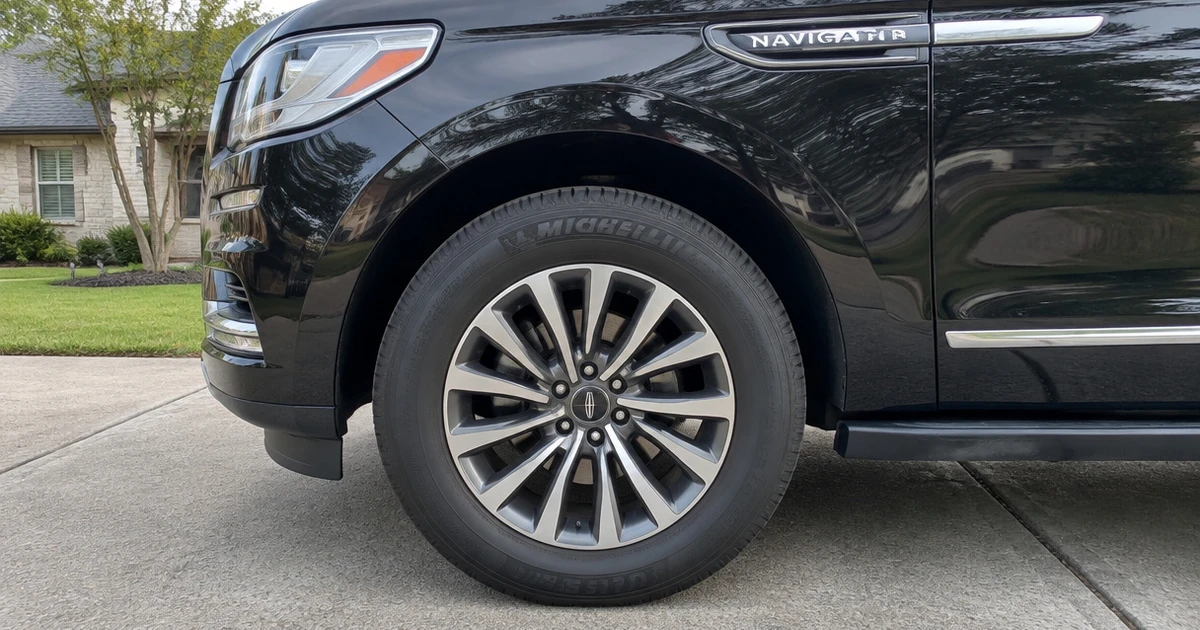
Your tire choice should fit the vehicle’s approved setup and the roads you drive most. Use the placard and manual as your starting point, then weigh weather, load, ride comfort, and upkeep rather than choosing by tread appearance alone.
Size and Load Rating
Start with the tire placard on the driver’s doorjamb and the owner’s manual. Match the approved tire size, load index, and speed rating unless a qualified tire professional confirms another fitment. The vehicle’s weight and passenger capacity make load capacity more than a paperwork detail; a low rating can overheat under load and affect handling.
Keep each tire within the approved fitment range, and follow any front-to-rear size differences your trim specifies. If you change wheel size, ask a tire shop to check clearance, pressure-monitoring compatibility, and speedometer effects.
Before you buy, compare:
- Size and cold pressure on the door placard
- Load index and speed rating on the new tire
- Matching tire type and construction across axles
Weather and Seasonal Grip
Think about the coldest weather you face and how often you drive in it. All-season tires suit many drivers who see mild winters, while winter tires use cold-weather rubber and tread designs that grip better in snow and low temperatures. Some all-weather tires carry the Three-Peak Mountain Snowflake symbol, which marks a tire that meets a snow-traction standard.
That symbol does not make an all-weather tire a substitute for dedicated winter tires on routes with frequent ice or deep snow. Check local rules if you cross mountain passes or state lines in winter. For freeze-thaw weather, weigh slush and cold rain as well as snowfall.
| Tire type | Best fit | Main trade-off |
|---|---|---|
| All-season | Mild weather and year-round use | Less winter grip |
| All-weather | Mixed seasons and occasional snow | Less focused than a winter tire |
| Winter | Frequent cold, snow, or ice | Seasonal tire changes |
Wet-Road Performance
Rain performance depends on tread pattern, rubber compound, and tread depth. Wide grooves and lateral channels move water away from the contact patch, helping the tire resist hydroplaning, but no design can make standing water harmless. If you can find independent wet-braking tests, compare similar tire categories and sizes.
Keep pressures at the cold setting on the door placard; underinflation can weaken response and wear shoulders faster. If your routes include frequent rain, favor strong wet-road results over a harder, longer-wearing tread that gives up grip. Wet traction declines as tread wears, so replace tires before grooves approach the legal limit where you drive.
Ride Comfort and Road Noise
Cabin comfort matters on a large SUV that spends hours on pavement. Highway and touring tires often use tread patterns that limit road hum, while an aggressive block pattern can add noise and a rougher feel. Sidewall stiffness also affects how the vehicle responds over bumps and during turns, so do not pick solely by the quietest tread.
Read owner reports for the same vehicle class and listen for comments about highway noise, wet grip, and wear. Proper pressure, wheel alignment, and regular rotation help preserve ride quality. If most trips use paved roads, prioritize a quiet tread design while keeping wet and winter grip in view.
Towing, Wear, and Maintenance
If you tow or travel with a full cabin, check the tire’s load index and the vehicle’s payload and towing limits together. A higher tire capacity does not raise the vehicle’s own limits. Follow the manual for pressure under the load you carry, and never use the sidewall’s maximum pressure as a routine target unless the vehicle maker calls for it.
For tread life, check the mileage warranty terms and the maintenance they require; rotations, alignment, and proper inflation affect wear. A long-wearing highway tread can suit steady pavement use, while towing on rough roads calls for a sturdy, stable design. Inspect sidewalls and tread before a long towing trip.
Frequently Asked Questions
The correct size depends on your Navigator’s model year, trim, and wheel setup. Read the tire placard on the driver’s doorjamb and check the owner’s manual. Match the size, load index, and speed rating shown there; a previous owner may have changed the tires. Ask a tire professional to check clearance and pressure sensors before changing wheel sizes.
Are all-season tires suitable for winter driving?
All-season tires can handle mild winters and occasional light snow, but their grip falls short in frequent deep snow or ice. Look for the Three-Peak Mountain Snowflake symbol if you need stronger snow traction, and consider dedicated winter tires for long periods of cold weather. Follow local rules if they require winter tires.
Should I choose highway or all-terrain tires?
Choose a highway or touring tire if you spend most miles on paved roads and value a quiet ride. An all-terrain tread can suit gravel roads or rough access routes, but its larger tread blocks often add noise and can wear faster on pavement. Match the tire to regular driving, not an occasional detour.
How often should I rotate my tires?
Follow the rotation interval and pattern in your vehicle manual and tire maker’s instructions. The right schedule depends on tire design and driving conditions. Check for uneven wear between rotations; it can point to low pressure, alignment trouble, or a suspension issue that needs attention.
How can I tell if a tire suits towing?
Check the tire’s load index and the vehicle’s payload and towing limits together. Follow the pressure guidance in the manual for the load you carry, and inspect tires before long trips. A tire with a higher load rating does not increase the SUV’s payload or towing capacity.