
This post may contain affiliate links. As an Amazon Associate I earn from qualifying purchases. If you choose to make a purchase, I may earn a small commission at no extra cost to you.
Your GTI can feel sharp in a corner, but the wrong tires can dull steering, lengthen wet stops or make rough roads tiring. Finding a set that suits your climate and driving style without changing the car’s balance takes some thought.
A good choice matches the size, load and speed ratings on your door-jamb label, then balances dry grip, wet traction, comfort and tread life. Summer, all-season and winter tires make different trade-offs, so local weather matters as much as spirited driving.
The best tires for Volkswagen GTI in 2026 depend on how you drive, from summer handling to light snow, quiet rides or long tread life. The options below address varied needs; match your choice to fitment and local weather.
Our Top Volkswagen GTI Tire Picks




More Details on Our Top Picks
Pros
- Precise steering response at speed
- Strong dry grip and braking
- Confident wet-road braking
- Race-derived tread technology
Cons
- Summer compound lacks cold-weather traction
- Tread life trails touring tires
Race-derived construction gives the Michelin Pilot Sport 4S the sharp response GTI drivers want from a summer performance tire. Its design pairs a firm tread with a reinforced belt to keep steering feel steady when you push through fast bends.
Michelin’s Bi-Compound technology uses different tread compounds across the tire. The outer shoulder focuses on dry cornering grip, while the inner compound uses silica to improve traction on wet roads.
On a GTI, you get quick turn-in and strong dry grip for brisk drives on winding roads. Wet braking also feels composed, which matters when rain catches you away from the track.
The Michelin Pilot Sport 4S brings race-influenced handling to everyday roads without losing its focus on wet control. Its summer compound works best in warm conditions, and it does not provide winter traction in cold weather.
Bottom line: Choose it for a GTI you drive with enthusiasm in warm weather, especially if sharp handling and wet braking matter to you.
Pros
- Responsive steering feel
- Strong wet and dry grip
- Short braking distances
- Up to 30,000-mile tread life coverage
Cons
- Summer compound lacks winter traction
- Tread life remains shorter than touring tires
A broad performance range defines the Continental ExtremeContact Sport 02, a summer tire suited to GTI drivers who split time between daily roads and spirited runs. Continental builds in SportPlus Technology for responsive handling and grip on both dry and wet pavement.
Its tread design gives you a planted feel through corners, while the compound supports quick braking in changing summer conditions. On damp roads, the tire keeps its composure instead of feeling vague under steering or braking.
The Sport 02 also carries limited tread life coverage of up to 30,000 miles. That gives you a defined ownership benchmark for a tire built around performance, rather than leaving tread life out of the conversation.
For your GTI, the Continental ExtremeContact Sport 02 brings confident wet braking alongside direct steering feedback. It suits drivers who want a lively summer setup for regular road use, not just occasional track sessions.
Bottom line: Consider it for a GTI that sees year-round road use in warm seasons and needs dependable wet-road control.
Pros
- Quick steering response
- Confident dry-road grip
- Flexible compound for wet traction
- Low road noise
Cons
- Summer tread lacks winter grip
- Not designed for snow driving
A quiet tread design gives the Goodyear Eagle F1 Asymmetric 6 a welcome daily-driving quality for a performance summer tire. Its asymmetric pattern balances grip through turns with a measured road feel, so your GTI stays composed during routine commutes.
Goodyear uses a flexible tread compound to maintain contact on wet pavement. That added contact works with the pattern’s channels to deliver traction when rain covers the road, while the tire’s dry-road design supports stability and quick steering response.
On a winding route, you get precise turn-in and dependable traction as the GTI changes direction. The tread also keeps road noise restrained, a useful trait when you spend more time on highways than back roads.
The Goodyear Eagle F1 Asymmetric 6 blends quiet road manners with spirited summer handling. It gives you a focused driving feel without making every trip feel like a track session.
Bottom line: Pick it for a GTI that needs summer cornering grip with a quieter feel on everyday drives.
Pros
- High dry-road grip
- Direct steering feedback
- Track Connect system compatibility
- Track-focused tread design
Cons
- Wears quickly under hard track use
- Limited grip in cold and wet conditions
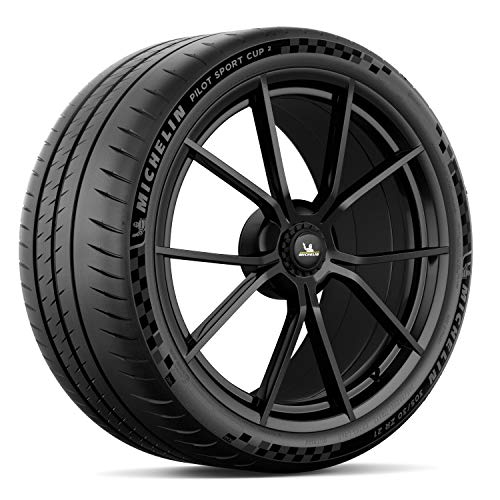
Track-focused tread and construction set the Michelin Pilot Sport Cup 2 apart as a tire for GTI drivers who spend time at the circuit. Michelin’s Bi-Compound technology places different compounds across the tread to balance cornering grip with traction on wet pavement.
The tire’s broad outer shoulder supports lateral grip through hard turns, while its construction gives you direct feedback as you load the front end. That communication helps you judge steering inputs during fast laps.
The Connect version works with Michelin’s Track Connect system, which uses tire sensors and an app to track pressure and temperature during sessions. For a track-focused GTI, live tire data can add useful context to how the car behaves lap after lap.
On the road, the Michelin Pilot Sport Cup 2 delivers high dry grip and a focused steering feel. Its track-oriented tread compound rewards hard use, especially on dry pavement.
Bottom line: Choose it for a GTI you take to track days and drive mainly in warm, dry weather.
Pros
- Reliable grip in light snow
- Strong wet braking
- Built-in tread wear gauge
- 45,000-mile limited tread life warranty
Cons
- Not suited to deep snow
- Less precise than a summer tire in warm weather
The Goodyear Eagle F1 All Season gives GTI drivers a sporty tread for changing weather, including occasional light snow. Its tread pattern pairs a performance-focused layout with all-season rubber, so you can keep driving through cool conditions without switching to a summer-only tire.
Rain brings out another strength: wet braking control. The tread moves water away from the contact area, while the compound maintains traction through damp corners and sudden stops.
Goodyear includes a built-in wear gauge that gives you a visual cue as the tread wears. The tire also carries a 45,000-mile limited tread life warranty, adding a clear wear-life reference for regular road use.
On your GTI, the Eagle F1 All Season keeps a sporty feel across more of the year than a summer tire. It handles light snow, but its design still favors pavement performance over deep winter conditions.
Bottom line: It suits a GTI you drive through mixed seasons and occasional light snow, with wet braking high on your list.
Pros
- Sporty steering response
- Useful grip in wet conditions
- All-season performance for cooler weather
- Chosen by Chevrolet for the Corvette
Cons
- Not a substitute for winter tires in severe snow
- Less dry grip than a summer tire
Michelin designed the Pilot Sport All Season 4 to carry a performance-car feel through more of the year. Its asymmetric tread balances larger shoulder blocks for cornering with sipes that add biting edges on wet and cold roads.
The all-season compound gives your GTI useful traction as temperatures drop, while the tread layout keeps steering response crisp in warmer weather. That balance makes this tire a good fit for drivers who want to keep the car engaging outside summer months.
Chevrolet chose the Michelin Pilot Sport All Season 4 for the Corvette, a sign of its performance focus. Responsive handling remains central to the design, while the tread also gives you grip for wet commutes and cold mornings.
For a GTI, it brings year-round performance without giving up the sporty character you expect from the Pilot Sport name. The tire handles changing road conditions while keeping cornering response at the center of its design.
Bottom line: Choose it for a GTI you drive through changing seasons and want to keep responsive in cool weather.
Pros
- DWS indicators track seasonal tread performance
- Strong wet and dry braking
- Snow and ice traction
- Up to 50,000-mile tread life coverage
Cons
- Less precise than a summer tire in warm weather
- Not equal to a dedicated winter tire in severe snow
Continental’s DWS wear indicators give the ExtremeContact DWS06 Plus a practical feature for drivers facing changing seasons. The letters show when the tread no longer meets the tire’s tuned performance level in dry, wet, or snow conditions.
SportPlus Technology shapes the tire’s responsive handling and grip on wet and dry roads. Sipes add biting edges for snow and ice, giving your GTI more winter capability than a summer performance tire can offer.
The tread also supports short braking distances across wet and dry pavement. Continental covers the tire with limited tread life protection of up to 50,000 miles, a useful figure for drivers who put regular miles on their car.
With the Continental ExtremeContact DWS06 Plus, you get year-round road grip alongside clear wear cues. Its snow traction gives you more flexibility through winter, while the tire keeps a performance-oriented feel on dry pavement.
Bottom line: Consider it for a GTI driven through varied weather, especially if you need snow traction without giving up sporty handling.
Pros
- Asymmetrical tread for handling and braking
- Four grooves channel water and slush
- Dense siping adds road grip
- Up to 50,000-mile tread life coverage
Cons
- Deep-snow traction falls short of winter tires
- Steering feels less sharp than a summer tire
The Pirelli P Zero AS Plus 3 brings a performance-oriented design to daily GTI driving, with an asymmetrical tread that balances handling and braking. Dense siping adds extra biting edges across the tread and helps keep road noise in check.
Four wide grooves move water and slush out of the tread, giving you hydroplaning resistance in heavy rain. The tire’s layout also aims to keep road vibrations low, so highway trips feel less harsh.
Pirelli covers the P Zero AS Plus 3 with a limited tread life warranty of up to 50,000 miles. That combination of wear coverage and a quiet ride makes it suited to regular use beyond short, spirited drives.
In a GTI, the Pirelli P Zero AS Plus 3 offers balanced all-season handling with dependable wet-road behavior. It handles light winter conditions, though deep snow calls for a more winter-focused tire.
Bottom line: It suits a GTI you drive daily and want to keep quiet and composed across wet, dry, and mildly wintry roads.
Pros
- Strong wet and dry braking
- Snow traction for an all-season tire
- Quiet ride
- Up to 50,000-mile tread life coverage
Cons
- Not suited to severe winter conditions
- Less responsive than a summer tire in warm weather
Wet and dry braking sit at the heart of the General G-MAX AS-07, an ultra-high-performance all-season tire for GTI drivers. Its tread balances road grip with a quieter ride, giving you a sporty option for everyday pavement.
The all-season design adds snow traction for winter commutes and cold-weather errands. It does not turn the tire into a dedicated snow tire, but it gives you more seasonal flexibility than a summer compound.
General offers limited tread life coverage of up to 50,000 miles. That long coverage suits drivers who use their GTI regularly and want a performance tire with a defined wear-life benchmark.
On your GTI, the General G-MAX AS-07 delivers confident braking with a calmer cabin feel. Its mix of wet, dry, and snow capability covers a broad range of normal road conditions.
Bottom line: Pick it for a GTI you drive often and want to use through several seasons, with tread life coverage as a priority.
Factors to Consider When Choosing Tires for Volkswagen GTI
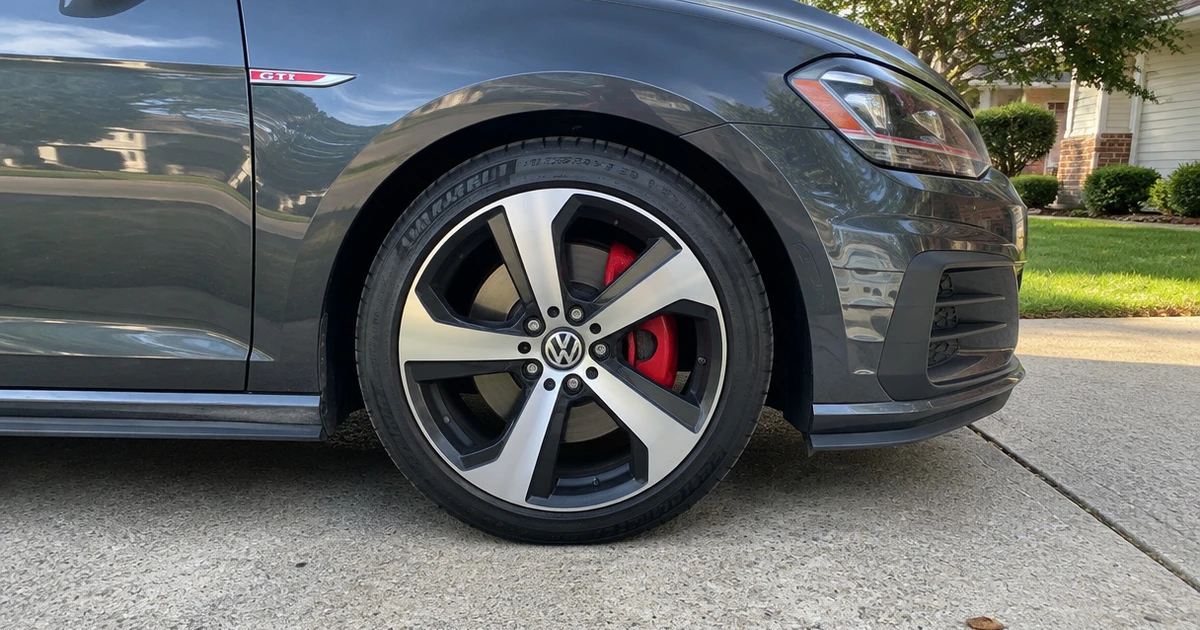
Your GTI’s tires shape steering response, braking, ride comfort and winter control. Start with correct fitment, then choose a tire category that matches your weather and how you use the car. A good fit for a warm, dry commute may not suit frequent snow or track sessions.
Correct Fit and Ratings
Start with the tire placard on the driver-side door jamb or your owner’s manual. It lists approved sizes and minimum load and speed ratings for your car. Keep those ratings at or above the factory recommendation; a tire that falls short can affect safety and handling.
If you change wheels, check overall diameter, width and brake clearance with a trusted tire shop. A different size can alter steering feel, speedometer readings and fender clearance.
For everyday use, sticking with a listed fitment usually makes replacement simple. Match all four tires unless a qualified technician confirms another setup suits your GTI.
Seasonal Capability
Pick a season category around your coldest regular conditions, not a rare sunny afternoon. Summer tires suit warm weather and usually give sharp dry and wet-road response, but their rubber can lose flexibility in cold temperatures.
All-season tires cover a wider range and suit places with mild winters. Dedicated winter tires use cold-flexible rubber and tread features that help on snow and ice.
For severe-snow service, look for the three-peak mountain snowflake symbol. The M+S marking alone does not show the same level of snow testing. Use this comparison to guide your choice:
| Tire category | Best suited to | Main trade-off |
|---|---|---|
| Summer | Warm weather | Limited cold-weather grip |
| All-season | Mild winters | Less snow and ice grip than winter tires |
| Winter | Frequent snow and low temperatures | Less suited to warm-weather use |
Dry Grip and Wet Braking
GTI drivers often value precise turn-in, strong braking and predictable grip. Look for a tread design with a stable center rib or firm shoulder blocks, along with channels that move water away. These features can support direct steering and reduce hydroplaning risk, though tread pattern alone cannot overcome worn rubber or standing water.
For regular wet roads, prioritize wet-braking performance over an aggressive-looking tread. Check independent tire tests in both dry and wet conditions, and compare the same category and size. If you drive spiritedly, look for responsive sidewalls, but remember that a stiffer build can make rough pavement feel harsher.
Ride Comfort and Road Noise
A GTI can feel busy on broken pavement, especially with low-profile tires. Sidewall height affects how much the tire cushions sharp impacts, so a larger wheel with a shorter sidewall can give more immediate steering but less comfort. Stay within approved fitments and think about your daily route before choosing a larger wheel setup.
Tread pattern also affects road sound. Variable-size tread blocks and a closed shoulder design can help limit a steady hum, while some performance patterns sound louder as they wear.
If you spend long hours on the highway, check independent tests and long-term driver reports. Keep pressure at the placard value, since excess pressure can make the ride firm.
Tread Life and Wear
High-grip tires often trade some tread life for softer compounds and strong cornering traction. If you commute long distances, compare the treadwear warranty and expected use, but treat the warranty as a guide rather than a promise.
Driving style, alignment, inflation and road surface can change wear a lot. An aggressive alignment can quickly wear inner shoulders on a street-driven GTI.
Compare treadwear grades only within the same testing system; they do not predict exact mileage across different categories. A longer-lasting touring-style tire may feel less sharp than a summer performance tire. Decide how much grip you use, then weigh replacement frequency against daily handling priorities.
Pressure and Maintenance
Check pressure monthly and before a long drive, using a gauge when the tires are cold. Follow the door placard, not the maximum pressure molded into the sidewall.
Correct inflation helps the tire wear evenly and keeps steering and braking consistent. Check pressure again when seasons change, since temperature shifts alter readings.
Rotate tires at the interval in your owner’s manual and inspect tread and sidewalls during each rotation. Front tires often wear faster on a front-wheel-drive GTI, especially with hard launches and cornering.
Ask a shop to check alignment if the car pulls or the tread wears unevenly. Replace damaged or badly worn tires promptly, and keep a matching set when possible.
Frequently Asked Questions
What tire size should I use on a Volkswagen GTI?
Use the size shown on the driver-side door placard or in your owner’s manual, and match its load index and speed rating. Wheel changes can alter approved fitment, so confirm the tire’s overall diameter and clearance with a tire professional before moving to a different size.
Do all-season tires work year-round?
All-season tires suit year-round use in places with mild winters and occasional light snow. They do not match dedicated winter tires on packed snow or ice, and they may give up some warm-weather grip compared with summer tires. If your roads stay snowy for weeks, switch to winter tires for the cold season.
Do summer tires work in cold weather?
Summer tires work best in warm conditions. Their rubber can stiffen as temperatures drop, which reduces grip and makes braking less predictable, even on clear pavement. If you drive through cold winters, use a cold-weather tire once temperatures stay low, and avoid summer tires on snow or ice.
Should I replace all four tires?
Replace all four if the remaining tread differs greatly, the tires show uneven wear, or you want consistent handling across the car. If only one tire suffers damage, ask a tire professional whether a matching replacement can safely pair with the other three. On a front-wheel-drive GTI, keep the better-tread pair on the rear to help stability.
What tire pressure should I use?
Use the cold tire pressure printed on the driver-side door placard or in the owner’s manual. Do not use the maximum pressure on the tire sidewall as your target. Check all four tires monthly with a gauge, before long trips and after major temperature changes; check the spare too if your car has one.