
This post may contain affiliate links. As an Amazon Associate I earn from qualifying purchases. If you choose to make a purchase, I may earn a small commission at no extra cost to you.
Choosing UTV tires gets tricky when one ride can include hard-packed trails, loose gravel, mud, and rocky climbs. A tread that grips well in one place may feel noisy or harsh on another, and a tire that is too tall or wide can cause fit problems.
Your match depends on where you ride most, how much gear you carry, and how much comfort or sidewall protection you need. Check your machine’s approved tire range, then compare tread design, carcass strength, and ride feel. The picks below cover different needs, from mixed trails and utility work to rough rock routes, so you can find the best all terrain UTV tires for your riding in 2026.
Our Top All Terrain UTV Tires Picks





More Details on Our Top Picks
Pros
- Rounded lugs provide dependable traction on mixed trails
- Radial construction gives a composed ride
- Predictable steering on hard-packed ground
- Versatile tread suits varied terrain
Cons
- Less open tread can pack with thick mud
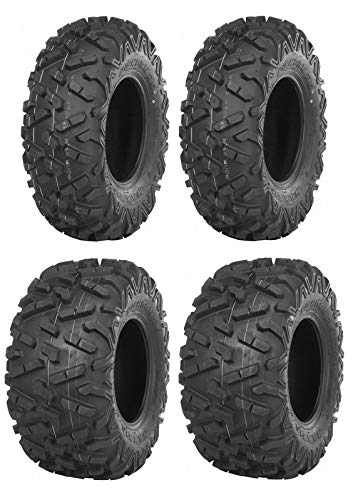
Rounded, staggered lugs give the Maxxis Bighorn 2.0 a balanced tread for changing trail conditions. Its radial construction adds a more composed feel over bumps, while the tread edges find grip on dirt and packed ground.
The Bighorn name has a long reputation for dependable all-terrain performance. This version keeps the family’s recognizable lug pattern in a more compact design, so you get useful traction without an overly aggressive tread feel.
On rocky paths, the lugs bite into loose gravel and help the tire hold a steady line. You also get predictable steering on hard-packed trails, where a tire with tall, widely spaced knobs can feel unsettled. The pattern works across varied ground instead of focusing only on mud or rocks.
Maxxis Bighorn 2.0 fits recreational riding where you might move from firm trails to rougher ground in one outing. Its rounded tread blocks and radial ride make it a practical choice for everyday trail use, though deep mud can clog its less open pattern.
Bottom line: Get it for regular trail riding across mixed ground, especially if you value predictable handling over deep-mud bite.
Pros
- Durable tread wear for extended trail use
- Radial construction provides steady handling
- Aggressive lugs grip dirt and loose rock
- Shoulder tread adds bite on uneven ground
Cons
- Tread blocks can hum on pavement
Long stretches of firm trail can wear down a tire quickly, and the Maxxis Carnivore has a reputation for durable tread life. Its radial construction gives the tread a steady footprint, while its deep, aggressive blocks find grip on dirt and loose rock.
The Carnivore handles mixed routes without feeling like a mud-only tire. Its lug pattern gives you traction as the ground changes from hardpack to gravel, and the strong shoulder tread adds bite when a trail turns rough or uneven.
Maxxis Carnivore pairs this grip with an 8-ply-rated radial build. That sturdy casing suits UTV use on demanding routes, and the tire keeps its footing when you climb over rocks or work through rutted ground. You get a useful blend of trail control and wear resistance rather than a tread built for just one surface.
The wide tread blocks can feel busy on paved stretches, but they earn their keep once you reach dirt. Durable tread wear and all-terrain grip define the Carnivore’s appeal for riders who spend long hours on varied trails.
Bottom line: Choose the Carnivore for mixed trail riding where long tread life matters as much as traction.
Pros
- Radial carcass smooths out trail bumps
- Shoulder lugs add grip on uneven ground
- Tread works across dirt, gravel, and hardpack
Cons
- Six-ply construction offers less reserve against sharp impacts
A radial carcass and six-ply construction give the ITP Terracross R/T XD a blend of trail comfort and rugged use. Its R/T tread design puts substantial lugs across the tread and shoulders, giving you edges that can grip loose soil and rocky ground.
ITP built this tire for riders who cover rough trails but still want controlled handling on firmer surfaces. The tread pattern works across hardpack, dirt, and gravel, while the radial casing flexes over bumps instead of passing every jolt straight to the vehicle.
The Terracross R/T XD’s shoulder lugs add traction when you steer through uneven ground or brush past a rut. Its six-ply rating gives the tire a firm structure for regular trail work, and the tread has enough bite for more than smooth paths. It feels at home on mixed terrain where you need grip without a dedicated mud tread.
That six-ply build gives you less impact reserve against sharp rocks than a heavier-rated casing. Still, the tire’s radial ride and rugged shoulder tread make it a useful option for varied trail conditions.
Bottom line: Pick this tire for varied trail riding where a composed radial feel matters alongside rugged tread.
Pros
- 8-ply-rated radial construction for demanding use
- Deep tread blocks grip loose ground
- Shoulder lugs add bite on trail edges
- Works for utility tasks and recreation
Cons
- Firm casing can feel stiff over small bumps
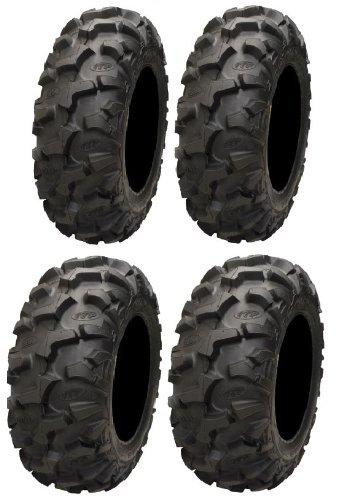
On a rough trail, the ITP Blackwater Evolution feels built for steady, hard use. Its 8-ply-rated radial construction gives the tire a stout carcass, while deep, angled tread blocks dig into loose dirt and help it hold its line.
The Blackwater Evolution uses an aggressive all-terrain pattern rather than a narrow tread meant for one surface. Its tread blocks and shoulder lugs give you bite on rocks, gravel, and rutted paths, while the radial design keeps the ride more controlled over uneven ground.
That sturdy build suits utility work as well as recreational riding. The side tread adds grip when the vehicle leans into a turn or crosses an uneven trail edge, and the heavy-duty casing brings durability for routes with frequent rough patches.
The ITP Blackwater Evolution puts 8-ply radial strength together with deep trail lugs for riders who expect their tires to take regular punishment. The firm construction can feel stiff over small, sharp bumps, but it gives you a reassuringly solid tread on rugged ground.
Bottom line: Choose it for utility or recreational riding on rough trails where a heavy-duty radial build matters.
Pros
- Reinforced sidewalls resist trail scrapes
- Deep tread grips dirt, gravel, and rocks
- 8-ply-rated radial construction handles demanding use
- Suitable for utility loads and recreation
Cons
- Firm ride over small bumps
- Less suited to deep, soupy mud
Sharp rocks and trail debris can threaten a tire’s sidewall, so the Tusk Terrabite adds heavy-duty sidewall armor with tread protection. Its 8-ply-rated radial construction gives you a sturdy base, while the deep, aggressive tread grips dirt, gravel, and rocky routes.
Tusk targets medium-to-hard terrain with the Terrabite. The tread blocks provide useful edges on packed ground, and the radial carcass keeps the tire composed as you move across uneven trails. Its tread depth gives the lugs room to work in loose soil without turning the pattern into a mud-specific design.
The reinforced sidewalls add protection against cuts and scrapes from trail hazards. That tough construction also suits utility riding, where you may carry gear or work over rough ground. The tire’s sidewall armor and 8-ply radial build focus on durability as much as traction.
The Terrabite can feel firm over small bumps, and its medium-hard-terrain tread gives less bite in deep, soupy mud. On hard trails, though, you get a sturdy tire with confident grip and extra sidewall protection.
Bottom line: Get the Terrabite for rocky or hard-packed routes where sidewall protection and load capacity matter.
Pros
- 8-ply-rated radial construction for rugged use
- Aggressive tread grips loose soil
- Stable tracking across uneven trails
- Works across varied off-road surfaces
Cons
- Firm tread can feel rough on paved stretches
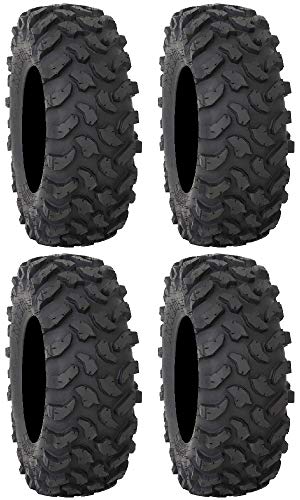
System 3’s XTR line focuses on durable radial tires for demanding off-road use. The System 3 Off-Road XTR370 pairs an 8-ply-rated radial casing with an aggressive all-terrain tread that digs into loose dirt and grips across rough trails.
Its blocky tread gives you multiple edges to work with as the surface changes from packed earth to gravel. The sturdy casing brings support under a UTV, while the radial construction keeps the tire tracking steadily over uneven ground. That mix makes it useful for recreational routes and tougher trail work.
The XTR370’s lugs offer traction on rocky sections without relying on a mud-specific pattern. You get a substantial tread footprint for climbing over rough patches and crossing ruts, and the 8-ply build suits riders who put their tires through regular off-road use.
The tire’s radial carcass and aggressive tread blocks favor durability and grip over a soft, quiet ride on pavement. On rough ground, the lugs have the shape and spacing to find purchase as your route changes.
Bottom line: Choose the XTR370 for demanding trail use where you want a sturdy radial tire with broad terrain ability.
Pros
- 8-ply-rated radial construction
- Shoulder lugs add traction on rough edges
- Predictable steering on packed trails
- Useful across dirt, gravel, and ruts
Cons
- Tread has limited bite for deep rock crawling
Large shoulder lugs give the Kenda Bearclaw HTR extra edges for gripping uneven ground. Its radial design and 8-ply-rated construction bring a sturdy base for UTV and ATV trail use, while the center tread provides traction across dirt and firm terrain.
The Bearclaw HTR carries Kenda’s practical all-terrain approach into a heavier-duty radial tire. Its tread pattern balances a firm center with more pronounced shoulder lugs, giving you predictable steering on packed trails and extra bite as the ground gets rough.
That layout works well for utility routes where you may cross gravel, dirt, and ruts in the same outing. The tire’s radial casing flexes over trail bumps, and its substantial tread holds traction when the path turns loose. Kenda Bearclaw HTR brings a sturdy, useful feel without relying on an unusually open mud tread.
The 8-ply-rated radial build gives the tire a firm structure, and the shoulder lugs add useful side grip. Its tread has less sharp, open spacing for deep rock crawling than a more specialized design, but it handles general trail work with confidence.
Bottom line: Pick the Bearclaw HTR for utility riding and trail use across a mix of firm and loose ground.
Pros
- Aggressive tread grips rock and loose soil
- Shoulder lugs add side traction
- 8-ply-rated radial construction
- Channels clear loose trail material
Cons
- Tread can hum on paved stretches
For rocky routes with loose edges and steep sections, the EFX MotoClaw brings an aggressive tread built to claw into the ground. Its 8-ply-rated radial casing gives the tire a firm structure, while prominent shoulder lugs add grip when the trail pushes against the tire’s sides.
The MotoClaw’s all-terrain pattern works across dirt, rock, and other mixed surfaces. Open channels between its tread blocks give loose material room to clear, and the lugs provide edges for climbing over uneven ground. That tread design also suits trail riding that includes occasional muddy patches.
EFX MotoClaw combines its aggressive tread with radial construction for a stable feel across changing surfaces. The side lugs add useful traction near rocks and ruts, while the sturdy casing gives the tire the support needed for demanding off-road use. It brings a more rugged feel than a mild trail tread.
The claw-like blocks deliver strong trail bite, and the radial build adds durable support for rough routes. The tread can create extra hum on paved stretches, but it earns its keep when the path turns rocky or loose.
Bottom line: Choose the MotoClaw for rocky and mixed trails where aggressive lug grip matters more than quiet pavement travel.
Factors to Consider When Choosing All Terrain UTV Tires
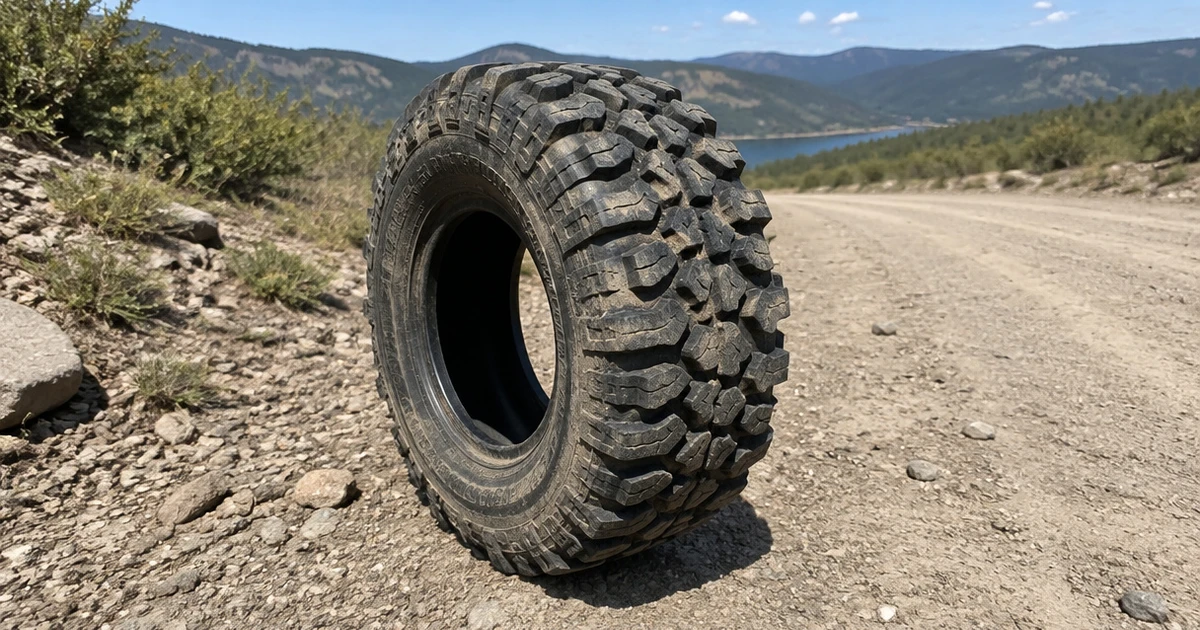
Your UTV’s tires affect grip, ride quality, steering, and how well the machine handles its usual terrain. Start with your common routes, then check fit and load limits before comparing tread designs.
Tread for Your Terrain
Start with the ground you ride most often, since no tire handles every surface equally well. A close-lugged tread with open gaps clears loose mud and helps you climb, but it can sound louder and ride less smoothly on hard trails.
Tighter center tread rolls quietly and tracks well on packed dirt, while shoulder lugs add bite through turns and ruts. For mixed riding, seek a balanced pattern with enough space between lugs to shed dirt and a stable center for firm ground; choose wider-open lugs if deep mud dominates your routes. Deeper lugs can dig into loose soil, while shallower tread often feels more settled on hard surfaces.
Size and Clearance
Read the tire size on your current sidewall and compare it with the range your UTV maker approves. The first number usually describes overall diameter, while the later numbers identify section width and rim diameter; confirm the size format before ordering. A taller tire can add clearance and roll over obstacles more easily, but it may rub fenders or reduce low-speed torque.
Width affects how the tire sits and how much steering effort it asks from you. Wider tires can help flotation on soft ground, yet they may follow ruts more strongly and create clearance issues; compare the full mounted width and diameter, not just the printed size.
| Size choice | Likely effect |
|---|---|
| Stock diameter | Preserves the intended fit and gearing |
| Taller diameter | Adds clearance but may rub or reduce low-speed pull |
| Wider tire | Can float on soft ground but may affect steering |
Carcass, Load, and Sidewalls
Load capacity matters if you carry tools, tow a small trailer, or ride with passengers. Match each tire’s load rating to your UTV’s requirements, and account for cargo rather than judging by how the machine feels when empty. A tire that runs near its limit can flex more and wear faster, especially on rough ground.
Look at the carcass and sidewall design as well. A higher ply rating can signal a tougher build and greater load capacity, but the rating does not always equal the count of physical layers. Reinforced sidewalls help resist cuts from sharp rocks and roots, while a softer, lighter casing may suit casual trail use and keep steering easier.
Rubber Compound and Wear
Rubber compound and tread depth shape both grip and service life. Softer rubber tends to conform to rocks and roots, which can improve traction, but it may wear faster on long stretches of hard ground. A harder compound often lasts longer on firm trails and work routes, though it can give up some bite on slick rock.
Look for a tread pattern that matches your mileage and terrain, not just the deepest lugs. Aggressive tread can add grip in loose soil but may wear unevenly if you spend most rides on pavement or hardpack. Check the maker’s guidance on intended use, and rotate tires if your service manual allows it to help even out wear.
Pressure and Upkeep
Correct pressure protects the tire and changes how it rides. Follow the UTV and tire maker’s guidance, then check pressure cold with a reliable gauge; the sidewall maximum is not a target setting. Lower pressure can improve the footprint on soft terrain, but too little air can let the tire roll in turns or damage the bead and sidewall.
A short inspection routine catches problems early. Check these points before purchase:
- Approved fit: confirm rim diameter, width, and fender clearance.
- Load rating: match the tire to passengers, cargo, and towing.
- Support: review repair guidance and any road-use limits.
Recheck pressure after major temperature shifts. Inspect for cuts, bulges, and loose plugs after rough rides.
Which UTV Tire Fits Your Kind of Ride?
If your rides span packed trails and loose ground, Maxxis Bighorn 2.0 is a balanced choice. Maxxis Carnivore suits riders who put long tread life high on the list, while ITP Terracross R/T XD fits trail miles where ride comfort matters. For heavy use, ITP Blackwater Evolution brings a tougher build, and Tusk Terrabite is worth a look if sidewall protection is your priority.
Need grip on larger tires? System 3 Off-Road XTR370 targets that job.
Kenda Bearclaw HTR suits utility traction, while EFX MotoClaw fits rocky routes where bite and protection matter. Match your choice to your usual surface, machine fit, and load, then check tire pressure before your first ride.
Frequently Asked Questions
Can you use all-terrain UTV tires on pavement?
Yes, but frequent pavement riding can wear the tread faster, especially with an aggressive lug pattern. Those tires may also feel louder or less smooth on hard surfaces. If your rides include pavement, look for a tread designed to balance trail grip with steady contact on firm ground, and avoid long paved stretches when you can.
Should you choose radial or bias-ply UTV tires?
Radial tires often ride smoothly and track well at speed, while bias-ply designs can offer sturdy sidewalls and suit slower, rough work. Construction varies, so compare the tire’s load rating and intended terrain rather than assuming one style always lasts longer. Keep all four tires matched unless your machine maker approves another setup.
What tire pressure should you use on a UTV?
Follow the pressure guidance from your UTV and tire makers, and check the tires when they are cold. The maximum pressure printed on a sidewall is not necessarily the right pressure for your machine. Adjustments for soft terrain can affect handling, so use small changes and keep pressure within the makers’ guidance.
How do you know when UTV tires need replacing?
Replace a tire when its tread no longer grips well or reaches its wear indicators. Cuts, bulges, exposed casing, and damage near the bead also call for prompt attention. Small punctures may qualify for a proper repair, but sidewall damage often means the tire needs replacement. Check all tires regularly, especially after rocky rides.