
This post may contain affiliate links. As an Amazon Associate I earn from qualifying purchases. If you choose to make a purchase, I may earn a small commission at no extra cost to you.
Choosing all-weather tires can feel like a compromise. You want winter grip without giving up wet-road control, steady handling, or a comfortable ride in warmer months. The right set depends on your climate, vehicle, and how often you face snow or heavy rain.
Check fit and load needs first, then compare snow credentials, tread design, ride comfort, and warranty. All-weather tires handle winter conditions better than most standard all-season tires, though severe climates may still call for dedicated winter tires.
This guide to the best all weather tires you can buy in 2026 covers options for different priorities. Use the checks below to narrow your choice.
Our Top All Weather Tires Picks




More Details on Our Top Picks
Pros
- Three-Peak Mountain Snowflake rating for severe-snow use
- Directional tread channels water and slush
- 3D sipes add snow-gripping edges
- Tread design maintains grip as it wears
Cons
- Can produce more road noise on rough pavement
The directional V-shaped tread gives Michelin CrossClimate2 a distinct look and a job to do: move water and slush out from under the tire. Its tread compound stays adaptable through changing temperatures, while 3D sipes add biting edges for snow grip.
The Three-Peak Mountain Snowflake mark shows that this tire meets a defined standard for severe-snow use. Michelin also uses P-edge technology in the tread design to maintain traction as the tire wears, giving you a capable option for year-round driving.
On wet pavement, the broad grooves help clear water, and the tread design supports confident braking in rain. Dry-road braking and steering also feel composed for a touring tire, so everyday trips do not require a change in driving style as the weather shifts.
Michelin CrossClimate2 pairs its winter credentials with a tread designed for use across the seasons. Its snow-rated design and wet-road focus make it a well-rounded choice for drivers who see varied weather throughout the year.
Bottom line: Choose Michelin CrossClimate2 if you want one tire for changing weather, including regular snow and rain. It also suits drivers who value strong wet and dry braking.
Pros
- Three-Peak Mountain Snowflake rating
- Dense sipes and deep grooves aid snow traction
- 60,000-mile limited tread life warranty
- Low rolling resistance design
Cons
- Winter tread cannot match a dedicated tire on ice
Deep grooves and a dense sipe network give Nokian Remedy WRG5 plenty of edges to bite into snowy pavement. Its asymmetric tread places those traction features across different zones, helping the tire handle wet roads and winter conditions without giving up everyday road manners.
The Three-Peak Mountain Snowflake mark qualifies it for use in moderate to severe winter weather. Nokian backs the Remedy WRG5 with a 60,000-mile limited tread life warranty, a useful match for a tire designed to stay on your vehicle through the seasons.
On rainy roads, the open grooves help move water away from the contact area. The low rolling resistance design also targets efficient daily driving, while the tread’s varied edges give you a steadier feel when snow covers the pavement.
Nokian Remedy WRG5 brings winter-focused tread details to a passenger tire you can use year-round. Its dense sipe network and snow rating make it especially relevant for drivers whose winters bring regular snowfall.
Bottom line: Nokian Remedy WRG5 suits drivers who face snowy winters but want to keep one set of tires year-round. Its mileage warranty adds appeal for regular commuters.
Pros
- Three-Peak Mountain Snowflake rating
- Full-depth 3D sipes maintain snow grip as tread wears
- Snow vices improve traction in packed snow
- Open shoulder slots help drain water
Cons
- Steering feels less sharp during fast cornering
Bridgestone WeatherPeak uses full-depth 3D sipes that keep working as the tread wears. Those cuts add biting edges for snowy roads, while their full-depth design helps maintain traction and resist uneven wear over time.
Snow vices in the tread compact snow to build grip, and the groove channels help carry away water. Open shoulder slots add another path for water to leave the contact area, which is useful when rain or slush covers the road.
The Three-Peak Mountain Snowflake mark backs up its winter focus. On wet pavement, the evolving sipes continue to create edges for traction, and the open shoulders help the tread clear water. That combination gives Bridgestone WeatherPeak a practical balance for drivers who see more than mild winter weather.
Its touring design favors steady everyday road manners over sharp, sports-car response. The full-depth 3D sipes and snow-compacting tread details give this tire a clear focus on lasting winter traction.
Bottom line: Bridgestone WeatherPeak is a good fit for SUV drivers who need year-round traction on wet roads and in snow. Its tread design also suits drivers who value steady touring manners.
Pros
- AquaTred grooves channel water and slush
- Evolving grooves preserve water evacuation as tread wears
- Comfort inserts reduce bumps and vibration
- Variable tread blocks reduce road noise
Cons
- Touring-focused steering feels less sporty
Goodyear Assurance WeatherReady 2 uses AquaTred Technology to move water and slush through sweeping tread grooves. That layout gives wet-road grip a central role, while its special tread compound stays adaptable across changing temperatures.
Evolving Traction Grooves keep opening paths for water as the tread wears. The tire also carries the Three-Peak Mountain Snowflake mark, so it brings more winter capability than a standard all-season tire.
Goodyear adds comfort inserts to smooth bumps and cut vibration, with the added benefit of steadier steering control during lane changes. Its multi-pitch tread uses blocks of different sizes to reduce the repeating sound that can build on the road.
This combination gives Goodyear Assurance WeatherReady 2 a touring feel with clear attention to wet-weather control. The AquaTred grooves and evolving channels give rain and slush several routes out of the tread, while the comfort-focused details support calm daily driving.
Bottom line: Goodyear Assurance WeatherReady 2 fits drivers who often deal with rain and want added snow capability. Its comfort features also suit daily highway travel.
Pros
- Snow claws add biting edges in snow
- Dense sipes support winter traction
- Three-Peak Mountain Snowflake rating
- 60,000-mile limited tread life warranty
Cons
- Steering response feels less crisp than summer-focused tires
Snow claws along the tread give Toyo Celsius II extra biting edges when the road turns white. Zigzag tread blocks and dense sipes add more edges for grip, making this all-weather tire a practical choice for passenger cars and crossovers that see winter driving.
The Three-Peak Mountain Snowflake mark identifies it for moderate to severe winter conditions. Toyo backs the Celsius II with a 60,000-mile limited tread life warranty, which suits drivers who want one tire for year-round use rather than a seasonal set change.
Those winter-focused tread details work alongside the tire’s everyday role. On wet pavement, the sipes and grooves give water paths through the tread, while the tread blocks provide edges that can engage snow. The result is a design built to handle more than mild-weather errands.
Toyo Celsius II keeps its priorities clear: snow traction and dependable use across the calendar. Its snow claws add a specific winter feature, and the warranty offers a long-term ownership benefit.
Bottom line: Toyo Celsius II suits drivers who see regular snowfall and prefer a single set for year-round use. It also appeals to owners who value a long tread life warranty.
Pros
- Asymmetric tread balances dry handling and winter grip
- Three-Peak Mountain Snowflake rating
- Wide grooves help channel water
- Sport-oriented steering feel
Cons
- Ride can feel firmer than touring-focused tires
Vredestein Quatrac Pro+ brings a performance-oriented design to all-weather driving. Its asymmetric tread gives the tire distinct zones, balancing firm outer tread blocks for dry-road handling with a more heavily siped area for winter traction.
The Three-Peak Mountain Snowflake mark signals winter capability beyond a basic all-season tire. Wide grooves help move water through the tread, while the tread’s biting edges give you added grip when snow covers the road.
On clear pavement, the broad outer blocks support a more direct steering feel than you might expect from a winter-capable tire. In rain, the groove layout helps clear water from the contact area, and the asymmetric pattern gives Vredestein Quatrac Pro+ a useful mix of wet-road control and responsive handling.
This is a sportier take on year-round traction, with a tread layout built to serve dry roads as well as winter ones. The asymmetric tread design is the feature to know, because it assigns different parts of the tire distinct jobs.
Bottom line: Vredestein Quatrac Pro+ suits drivers who want winter traction without giving up a more responsive feel on dry roads. It is a good fit for cars with a sportier character.
Pros
- 65,000-mile limited mileage warranty
- Three-Peak Mountain Snowflake rating
- Hydro-Grip Technology targets wet-road traction
- Snow Traction Claw features add winter grip
Cons
- Touring tread gives less precise handling at high speeds
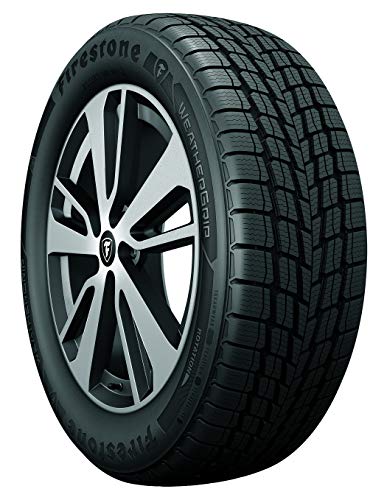
Firestone WeatherGrip is built for drivers who want one tire to handle changing road conditions throughout the year. Its wet-weather focus pairs with a Three-Peak Mountain Snowflake rating, so the tire can handle winter conditions that fall beyond light snow.
Firestone uses Hydro-Grip Technology to help the tread manage water on rainy roads. Snow Traction Claw features add biting edges for winter grip, giving the WeatherGrip a more specific snow design than a conventional touring tire.
The 65,000-mile limited mileage warranty gives you a long ownership horizon. In daily use, its touring character favors steady comfort and predictable control, while the wet and snow features add reassurance when the forecast changes.
Firestone WeatherGrip brings a useful balance of wet-road design, snow traction and warranty coverage. Its Snow Traction Claw detail gives it a clear winter focus, while Hydro-Grip Technology targets rain-soaked pavement.
Bottom line: Firestone WeatherGrip works well for drivers who want winter-rated traction and a long mileage warranty. It also suits commuters who face wet roads through much of the year.
Pros
- Three-Peak Mountain Snowflake rating
- Directional grooves help clear water
- 60,000-mile treadwear warranty
- Touring design favors everyday comfort
Cons
- Less responsive in sharp cornering than summer tires
The directional tread on Pirelli Cinturato WeatherActive gives water and slush a clear path away from the contact area. That layout, paired with winter-focused tread edges, gives this touring tire a year-round role that includes snow rather than just mild weather.
It carries the Three-Peak Mountain Snowflake mark for winter use. Pirelli also backs the Cinturato WeatherActive with a 60,000-mile treadwear warranty, so the tire pairs its seasonal range with coverage aimed at long-term use.
On rainy roads, the grooves help clear standing water and support steady handling. The touring design keeps its focus on everyday comfort and predictable road behavior, while the tread pattern adds the extra grip needed when snow reaches the pavement.
Pirelli Cinturato WeatherActive is built around a touring balance rather than a sharp performance feel. Its directional tread pattern helps manage wet conditions, and the winter rating gives you added capability during snowy months.
Bottom line: Pirelli Cinturato WeatherActive suits drivers who want a comfortable touring tire with added winter traction. It is a practical fit for regular commutes through rain and occasional snow.
Pros
- 3D sipes improve snow grip
- Snow claws add biting edges on icy roads
- Three-Peak Mountain Snowflake rating
- Sturdy construction supports winter stability
Cons
- Snow-focused tread feels less sharp on dry roads
Snow claws and 3D sipes give Falken Aklimate a tread full of biting edges for winter roads. Falken places those features in an optimized tread pattern to improve grip in snow and help the tire feel more stable on icy surfaces.
The Three-Peak Mountain Snowflake mark confirms its winter focus, while the tire’s all-weather design keeps it in use through the rest of the year. Its sturdy construction adds stability when cold conditions challenge the road surface.
On snow-covered pavement, the claws and sipes provide edges that can engage the surface. In everyday conditions, the tread still serves as a passenger touring tire, with a layout designed to handle wet and dry roads as well as winter weather.
Falken Aklimate gives winter traction a leading role without limiting the tire to cold months. The 3D sipe technology and snow claws supply the defining details, adding grip where smooth tread blocks would offer less purchase.
Bottom line: Falken Aklimate fits drivers who want added grip on snowy and icy roads without changing tires by season. Its winter-focused tread suits areas with frequent cold-weather driving.
Pros
- Strong traction in deep snow
- Three-Peak Mountain Snowflake rating
- Up to 60,000 miles of limited tread life coverage
- Wet and dry road grip
Cons
- Cannot match a dedicated winter tire on packed ice
Deep-snow traction gives General AltiMAX 365AW a clear reason to earn a place in an all-weather tire roundup. Its tread and siping provide edges for grip across wet, dry and snowy roads, while the Three-Peak Mountain Snowflake mark confirms its winter credentials.
General backs the AltiMAX 365AW with up to 60,000 miles of limited tread life coverage. That warranty pairs with its year-round design, giving daily drivers a single tire option for changing road conditions throughout the seasons.
On wet pavement, the tread channels help move water away from the tire, and the sipe edges add grip as conditions worsen. The same tread also gives the AltiMAX 365AW a foothold in deep snow, where a standard all-season design may fall short.
General AltiMAX 365AW focuses on practical traction and long-term use rather than a sporty feel. Its deep-snow capability and mileage coverage make it a useful choice for drivers who keep driving through winter weather.
Bottom line: General AltiMAX 365AW suits drivers who need year-round traction and often face deep snow. Its mileage coverage also appeals to people who put steady miles on their vehicles.
Factors to Consider When Choosing All Weather Tires
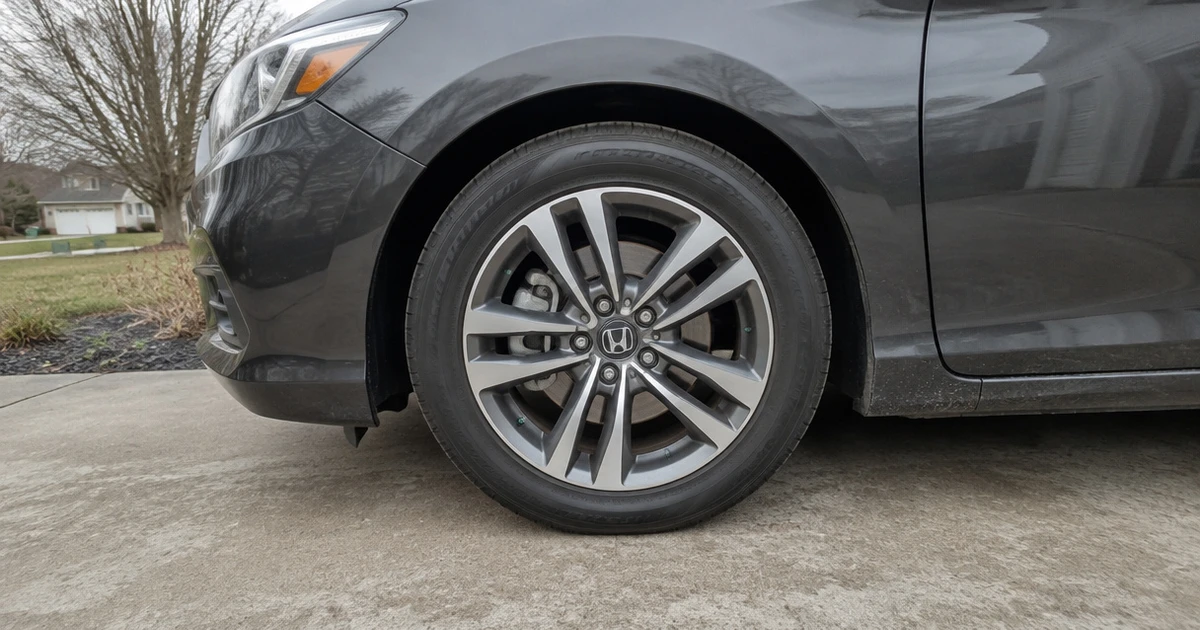
All-weather tire shopping works best when you match the tire to your climate, vehicle, and regular routes. Check the markings and fit first, then weigh wet grip, winter traction, comfort, and upkeep.
Winter Certification
Look for the Three-Peak Mountain Snowflake symbol on the sidewall if you expect regular snow. It confirms that the tire met a defined snow-traction threshold in a standardized test, but it does not promise winter-tire performance on ice or in every storm. Treat it as a useful starting point, not a full measure of cold-weather control.
An M+S mark alone refers to tread features for mud and snow, not the same severe-snow test. Use the table as a quick label check, then match the tire’s winter ability to your local conditions and how often you drive before roads get plowed.
| Marking | What it tells you |
|---|---|
| Three-Peak Mountain Snowflake | Meets a defined snow-traction threshold |
| M+S | Tread designation, not proof of severe-snow performance |
| No winter symbol | Check winter test results and intended use |
Wet and Dry Grip
Rain grip depends on the rubber compound as well as the tread shape. Wide channels move water away from the contact area, while fine cuts called sipes add biting edges on wet pavement and packed snow. Some compounds use silica to support grip in cool, damp conditions, but the whole design matters more than one material claim.
Look for independent wet-braking and handling results that match your driving, rather than judging tread appearance alone. If heavy rain is common, prioritize wet control and stable steering, and check how the design manages water as tread wears because shallow grooves hold less water. Drivers on dry roads may put more weight on precise steering and ride noise.
Fit and Load Capacity
Start with the tire size on your vehicle’s door-jamb placard or in its owner’s manual, rather than guessing from wheel appearance. Keep the listed load index and speed rating at or above the vehicle maker’s requirements, since those marks show the tire’s rated carrying capacity and speed category. A tire that fits the wheel still may not suit your vehicle.
Check pressure when the tires sit cold and follow the target on the vehicle placard, not the maximum pressure number on the sidewall. For trucks, crossovers, or vehicles that often carry passengers or cargo, pay close attention to load capacity. Ask a tire professional to confirm fit before you order if you have changed the wheels or suspension.
Climate and Driving Routes
Your usual roads matter more than a rare storm. Drivers who see frequent snowfall, packed slush, or long stretches below freezing should favor tires with strong winter test results, while mild-climate drivers may value wet braking, steering response, and comfort more. Think through the toughest trip you make in a normal season, then rank your main needs.
- Snowy roads: severe-snow certification and controlled snow testing.
- Rainy commutes: wet braking and water evacuation.
- Long highway trips: stable steering and low cabin noise.
Use that order to compare independent tests and tread features, and keep a separate winter set in mind if mountain routes, ice, or deep cold dominate your driving. Your local road conditions and access to winter tire storage can also shape which setup makes sense.
Comfort and Tread Life
Ride comfort and tread life affect every mile, so look beyond winter traction. A tread warranty can help you compare the maker’s expected service range, but it does not promise a fixed lifespan; driving style, road surfaces, pressure, and alignment all affect wear. Regular rotations help spread wear across the set.
Read warranty terms for mileage limits, eligible sizes, rotation rules, and coverage conditions before treating the number as a deciding factor. If cabin noise bothers you, check comparisons on coarse pavement and look for a tread layout that balances winter biting edges with stable, even contact. Keep checking tread depth as the tires age, since worn grooves have less room to move water and grip snow.
Which All Weather Tires Fit Your Roads?
Choose the Michelin CrossClimate2 if you want a balanced year-round set, or the Nokian Remedy WRG5 if winter grip leads your list. SUV drivers can look to Bridgestone WeatherPeak, while Goodyear Assurance WeatherReady 2 fits wet-road priorities. Toyo Celsius II focuses on snow-claw traction, and Vredestein Quatrac Pro+ suits a more responsive feel.
For warranty-minded shoppers, Firestone WeatherGrip stands out; Pirelli Cinturato WeatherActive favors touring comfort. Falken Aklimate fits drivers focused on ice grip, while General AltiMAX 365AW suits drivers who face deeper snow. Match your choice to your usual roads, confirm the approved fit, and keep checking tread depth and pressure through the year.
Frequently Asked Questions
How do all-weather tires differ from all-season tires?
All-weather tires use tread patterns and compounds that work across a wider temperature range than typical all-season tires, and many carry the Three-Peak Mountain Snowflake symbol. Standard all-season tires may handle light snow, but they do not need to meet that symbol’s snow-traction threshold.
Can you use all-weather tires year-round?
Yes, most all-weather tires suit year-round driving when you choose the correct fit and maintain them. Heat, speed, hard cornering, and poor pressure can shorten tread life, so check pressure regularly and replace tires when tread wear or damage makes them unsafe.
Should you choose winter tires instead?
Choose dedicated winter tires if you regularly drive on ice, through deep snow, or in long periods of severe cold. All-weather tires give you one set for changing seasons, but winter tires use compounds and tread layouts that manufacturers tune for colder conditions and can offer stronger control in harsh winter use.
How long do all-weather tires last?
Service life varies with driving habits, weather, road surfaces, tire pressure, wheel alignment, and rotation. Check tread depth often and watch for uneven wear or cracks; a mileage warranty offers a comparison point, not a promise that your tires will last for a certain number of miles.
How should you maintain all-weather tires?
Follow the vehicle maker’s rotation schedule and pressure target, and check pressure when the tires are cold. Regular rotation helps spread wear, while correct pressure supports handling and limits uneven tread loss; a tire shop can advise if your vehicle calls for a special rotation pattern.