
This post may contain affiliate links. As an Amazon Associate I earn from qualifying purchases. If you choose to make a purchase, I may earn a small commission at no extra cost to you.
A puncture can leave you stranded or stuck in an unsafe place. A run-flat tire may let you continue to a safe stop or tire shop after a puncture. Its reinforced sidewalls support the vehicle after air pressure drops, but you still need to follow the tire maker’s speed and distance limits.
The right choice depends on your car, road conditions and how much ride comfort matters to you. Check fitment, load and speed ratings, tire-pressure monitoring, and the climate where you drive. This guide to the best Run Flat Tires you can buy in 2026 covers options for different needs, from everyday touring to sharper handling.
Our Top Run Flat Tires Picks


More Details on Our Top Picks
Pros
- Reinforced sidewalls provide run-flat support
- All-season tread for varied road conditions
- 65,000-mile treadwear rating
- Cooling fins help manage sidewall heat
Cons
- Firmer ride than many conventional tires
- Not intended for deep winter conditions
Reinforced sidewalls give the Bridgestone DriveGuard Plus its run-flat ability, letting you keep moving for a limited distance after a puncture. Cooling fins on the sidewall help manage heat as the tire flexes with reduced air pressure.
Its all-season tread suits drivers who want one tire for changing weather and everyday road use. Bridgestone pairs that run-flat design with a tread compound and pattern made to deliver grip across wet and dry roads.
You get a composed feel on the highway, with responsive handling that fits a performance-oriented passenger car. The DriveGuard Plus also carries a 65,000-mile treadwear rating, a useful detail if you put many miles on your car.
Run-flat construction can make the ride firmer than a conventional tire, but it gives you added mobility after a loss of pressure. Bridgestone DriveGuard Plus combines that extra mobility with all-season traction, rather than focusing only on summer performance.
Bottom line: Choose it for a performance car you drive year-round and want to keep mobile after a puncture. Its long treadwear rating also suits drivers who cover regular highway miles.
Pros
- ZP run-flat construction
- Responsive wet- and dry-road grip
- All-season tread with light-snow capability
- Michelin Promise Plan includes roadside assistance
Cons
- Less suited to severe winter weather
- Firm run-flat sidewalls can affect ride comfort
If you drive a sporty car through changing weather, the Michelin Pilot Sport All Season 4 ZP gives you a run-flat option with a performance focus. Its ZP construction reinforces the sidewall so you can continue driving for a limited distance after a puncture.
Michelin designed the asymmetric tread to balance grip and steering response on wet and dry pavement. The all-season compound also gives you added confidence in light winter conditions, though this tire does not replace a dedicated winter tire in severe snow and ice.
On winding roads, the tread and casing work together to give the steering a direct, controlled feel. The tire’s use as original equipment on the Chevrolet Corvette reflects its performance role, while its all-season design suits drivers who use their sports car beyond warm-weather months.
The Michelin Pilot Sport All Season 4 ZP comes with the Michelin Promise Plan, which includes roadside assistance and a 60-day satisfaction guarantee. Michelin also offers a mileage warranty up to 45,000 miles, depending on the tire’s fitment and use.
Bottom line: This tire suits you if you want sporty steering and all-season traction without giving up run-flat mobility. It fits performance cars that see regular use beyond summer.
Pros
- Sunflower oil compound improves cold-weather traction
- MaxTouch Construction promotes even treadwear
- Run-flat support for premium passenger cars
- Available treadwear warranty up to 55,000 miles
Cons
- Light-snow traction does not suit harsh winters
- Touring focus feels less sporty on sharp turns
Quiet, refined road manners define the Michelin Primacy MXM4 ZP, a run-flat touring tire made for premium cars. Its ZP sidewall construction gives you limited mobility after a puncture, while the tread design focuses on controlled handling and everyday comfort.
Michelin adds sunflower oil to the tread compound to maintain traction as temperatures drop. That compound, along with the tire’s biting tread edges, supports wet braking and light-snow grip when cold weather arrives.
MaxTouch Construction spreads the tire’s contact with the road more evenly as you accelerate, brake, and turn. That even contact can promote consistent wear over time, while the touring design keeps the tire suited to steady highway travel and daily commutes.
You’ll find the Primacy MXM4 ZP on premium vehicles from brands such as BMW and Mercedes-Benz. Michelin backs the line with a treadwear limited warranty of up to 55,000 miles and a six-year standard limited warranty.
Bottom line: Pick this tire for a luxury sedan where a quiet ride and composed handling matter. It also fits drivers who want run-flat support with useful all-season traction.
Pros
- Asymmetric tread supports precise steering
- Shoulder design suits confident cornering
- Run-flat sidewalls preserve limited mobility
- Wet-road channels help clear water
Cons
- Summer compound lacks winter-weather traction
- Firm ride on rough pavement
Broad shoulder sections and an asymmetric tread give the Pirelli P Zero Run Flat its sharp summer-driving character. Pirelli designed the P Zero family for high-performance cars, with a focus on precise steering and grip on warm, dry pavement.
The tread channels water away from the contact patch, giving you added control when summer roads turn wet. Its run-flat construction uses reinforced sidewalls to preserve limited mobility after a puncture, so you can keep moving for a short distance instead of stopping at once.
On a fast road, the tire responds quickly to steering inputs and feels planted through sweeping corners. The P Zero Run Flat balances that sporty response with everyday road manners, making it suitable for drivers who want performance without a track-only setup.
This is a summer tire, so its tread compound works best in mild and warm conditions. Cold weather and snow fall outside its intended use, while the firmer feel common to run-flat designs comes through on rough pavement.
Bottom line: Choose the P Zero Run Flat for a performance car driven mostly in warm weather. It suits drivers who value quick steering and cornering grip.
Pros
- All-season tread for daily road use
- Touring design favors a composed ride
- Run-flat construction allows limited continued driving
- Tread grooves move water from the contact area
Cons
- Less responsive than a dedicated performance tire
- Light-snow grip does not replace winter tires
Daily comfort and all-season usability sit at the heart of the Pirelli Cinturato P7 All Season Run Flat. Its touring design gives you a calmer road feel than a tire built mainly for sharp, sporty responses.
The tread pattern combines grooves that move water away with edges that help the tire hold on in cooler conditions. Its all-season compound gives you useful wet-road traction and light-snow grip, while reinforced run-flat sidewalls let you continue for a limited distance after a puncture.
Pirelli designed the Cinturato P7 line for passenger cars that spend much of their time on regular roads. You get steady handling for commutes and highway trips, with a tread layout meant to balance grip, comfort, and efficient rolling.
The Cinturato P7 All Season Run Flat feels most at home on a premium daily driver rather than a car you push hard through every corner. Its run-flat design adds a layer of mobility, while the touring character keeps the drive measured and predictable.
Bottom line: This is a practical fit for a touring car you drive through varied weather. Consider it if you value a relaxed ride and run-flat mobility.
Pros
- SSR sidewalls provide run-flat mobility
- Tuned for original-equipment applications
- All-season wet and dry traction
- ContiSilent and ContiSeal appear on select versions
Cons
- Firmer ride than a standard touring tire
- Select noise and sealing features vary by version
Continental’s SSR system gives the ProContact RX its run-flat support through reinforced sidewalls. If you lose air pressure, the tire can carry the vehicle for a limited distance, giving you more mobility than a standard touring tire.
Continental tuned the ProContact RX for original-equipment use, so its design focuses on balanced road manners and predictable handling. The all-season tread aims for traction on both wet and dry pavement, making it suitable for everyday driving across much of the year.
You get a touring-style response rather than the sharp feel of a dedicated summer performance tire. The tread pattern manages ordinary road conditions with steady steering, while the SSR construction adds a firmer edge to the ride.
Some versions of the ProContact RX line use ContiSilent foam inside the tire to reduce road noise, while select versions use ContiSeal to seal certain tread-area punctures. The SSR name identifies the run-flat version, and the line also carries limited tread life coverage up to 65,000 miles.
Bottom line: Look to the ProContact RX SSR if you want a touring run-flat tire suited to original-equipment replacement. Its balanced handling fits drivers who spend most of their time on paved roads.
Pros
- ROF construction provides run-flat mobility
- Asymmetric tread supports responsive steering
- All-season design handles wet and dry roads
- Tread edges add light-snow grip
Cons
- Not intended for severe winter conditions
- Run-flat construction can feel firm
Goodyear gives the Eagle Sport All-Season ROF a sporty tread design for drivers who want a responsive feel across the seasons. ROF means Run On Flat, and the reinforced sidewalls let you continue driving for a limited distance after a puncture.
The asymmetric tread balances shoulder support for cornering with grooves that move water away from the tire. Tread edges add grip in cooler weather, giving you more flexibility than a summer-only design on damp roads and light snow.
In everyday driving, the tire’s steering response suits drivers who want their car to feel engaged on winding roads. Its all-season role also makes it useful for regular commutes, where you may face changing pavement and weather conditions during the same week.
The Eagle Sport All-Season ROF keeps its focus on road use, with a tread pattern made to balance wet and dry grip. The run-flat construction adds another practical layer for drivers who prefer to keep moving after a pressure loss.
Bottom line: This tire suits you if you want an all-season tread with a sportier steering feel. It also fits drivers who value run-flat support for everyday trips.
Pros
- Wide grooves evacuate water quickly
- Outside shoulder blocks support cornering
- Continuous center rib sharpens response
- Run-flat construction provides limited mobility
Cons
- Summer tread lacks winter-weather grip
- Firm sidewalls can reduce ride comfort
Water-clearing grooves and a steady center rib shape the Bridgestone Potenza S001 RFT’s road manners. The wide circumferential channels move water away from the tread, while angled grooves help the tire resist hydroplaning and maintain braking grip in wet conditions.
Large outside shoulder blocks give you added support through corners, and the continuous center rib sharpens steering response. Bridgestone built the S001 as a high-performance summer tire, so it feels most at home on warm roads where you want direct feedback.
The RFT designation marks its run-flat construction. Reinforced sidewalls let you keep driving for a limited distance after a puncture, adding mobility without changing the tire’s focus on responsive handling.
On a dry road, the shoulder design gives the tire a planted feel through turns. The Potenza S001 RFT brings together that cornering support and its wet-road tread layout for drivers who want a summer performance tire with run-flat capability.
Bottom line: Choose the Potenza S001 RFT for a performance car driven in warm weather. Its tread layout suits drivers who want responsive steering and confident wet-road handling.
Pros
- Run-flat construction provides limited continued mobility
- Summer tread suits warm-weather driving
- Touring character fits highway use
- Tread grooves channel water away
Cons
- Not suited to snow or ice
- Less focused on sharp cornering
For a touring tire with a summer focus, the Bridgestone Turanza T005 RFT pairs a comfort-minded design with run-flat construction. Its reinforced sidewalls let you continue driving for a limited distance after a puncture, giving you added mobility on everyday trips.
The T005 uses a tread pattern and compound designed for warm-weather traction, with a particular focus on wet-road control. Its grooves direct water away from the contact area, while the tread’s summer tuning supports stable handling on dry pavement.
You get a touring feel suited to commuting and highway travel rather than aggressive cornering. The tire’s steering stays composed for regular road use, and its RFT design gives you another measure of convenience when a puncture interrupts a drive.
The Turanza T005 RFT is a summer tire, so it does not suit snowy or icy roads. Its blend of touring manners and warm-weather grip makes it a useful fit for drivers who want run-flat support without a highly aggressive tread design.
Bottom line: This tire fits a touring car used mainly in warm weather. Pick it if you want steady road manners and run-flat support for everyday driving.
Pros
- DSST supports continued driving after a puncture
- Multi-Radius Tread Technology sharpens handling
- Hybrid Jointless Band Technology maintains tire shape
- Non-directional tread allows staggered-fitment rotation
Cons
- Performance-focused tread is less suited to harsh winters
- Firm construction can transmit road impacts
Dunlop’s DSST sidewall design lets the SP Sport Maxx GT keep moving after a flat, for up to 50 miles at 50 mph in normal conditions. That run-flat support pairs with a performance-focused tread made for responsive handling and strong cornering stability.
Multi-Radius Tread Technology shapes the contact area to deliver dry-road handling while maintaining wet traction. A flatter tread profile spreads contact across the road, and the asymmetric pattern balances grip through changing conditions.
The tire’s reinforced sidewall and Dunlop’s bead fit system help pass steering forces between the wheel and road. You get direct feedback through the steering, which matters when a performance car needs to hold a clean line through a quick turn.
Hybrid Jointless Band Technology helps the tire keep its shape at highway speeds and limits flat spots after long periods parked. Its non-directional tread also allows rotation on staggered fitments, a useful feature for high-performance cars that use different tire positions front and rear.
Bottom line: Consider the SP Sport Maxx GT DSST for a high-performance car where steering feedback and cornering stability matter. Its run-flat design also suits drivers who want limited mobility after a puncture.
Factors to Consider When Choosing Run Flat Tires
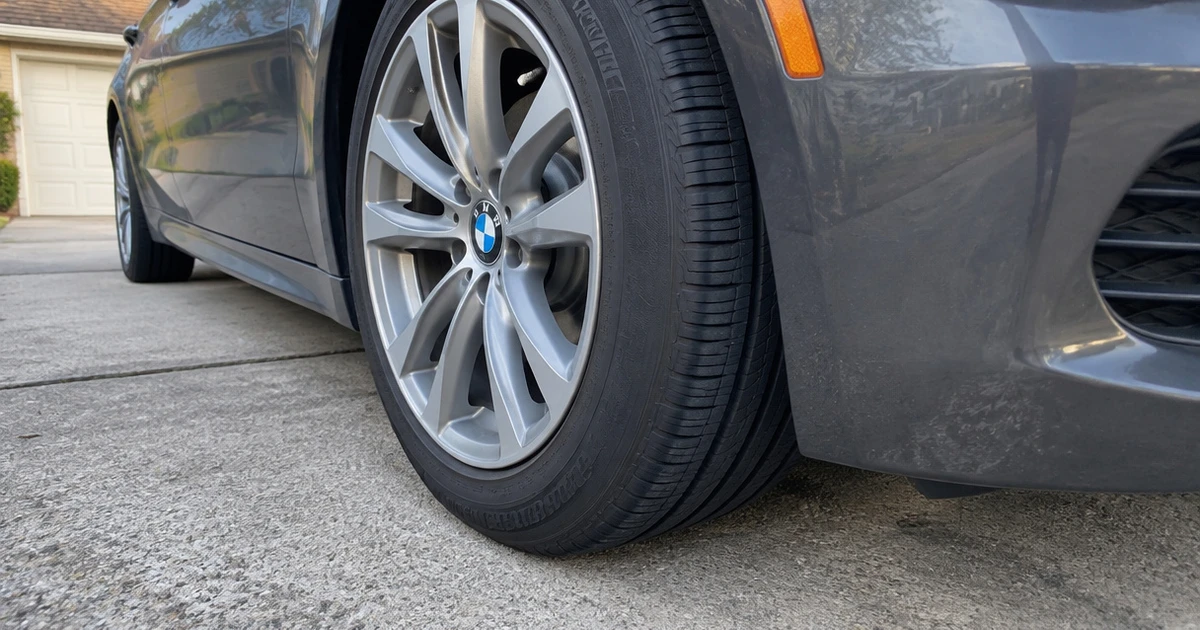
Start with the tire size and construction your vehicle maker permits, then balance puncture mobility with comfort, climate and handling. Run-flat construction changes how a tire responds, so match it to your car and driving habits.
Vehicle Fit and Ratings
Use the size shown on the driver’s door placard or in the owner’s manual, not a guess based on the tire already installed. Match the load index and speed rating at minimum; a lower rating can leave the tire unable to carry your vehicle’s load or meet its intended use.
Check that your car accepts run-flat tires and follow fitments its maker allows. Some vehicles rely on run-flats as part of their mobility setup and carry no spare. Keep the original wheel diameter and tire type unless the vehicle maker approves a change, since wheel clearance and handling can change.
- Match the tire’s full size code.
- Meet or exceed the placard’s load and speed ratings.
- Confirm the vehicle maker permits run-flat construction.
Mobility After a Puncture
Run-flat sidewalls can support the car after air escapes, but they do not make a damaged tire safe to drive indefinitely. The allowed distance and speed vary by tire and car, and the limit assumes suitable conditions. Read the manual before a puncture happens, and keep its instructions easy to find.
Heat, heavy loads, rough pavement and continued driving can shorten the safe travel window. If the car pulls, vibrates, or the tire looks badly damaged, stop somewhere safe and call for help.
A run-flat gets you away from immediate danger; it does not replace prompt inspection or repair. Know the service options along long trips, especially if you leave busy areas.
Ride Comfort and Noise
Reinforced sidewalls flex less than standard sidewalls, which can make bumps feel sharper and add road noise in some cars. Suspension tuning, wheel size, tire pressure and pavement also shape the ride, so judge comfort as a system.
If you drive long distances on rough roads, favor a touring-oriented design and keep the vehicle’s approved wheel setup. Drivers who value quick steering may accept a firmer ride.
Keep pressure at the placard setting: excess pressure can sharpen impacts, while low pressure harms handling and tire life. If you can, compare options in the same size before buying.
Tread for Your Climate
Match tread to local weather. All-season run-flats work for varied conditions with limited severe snow; summer tires focus on warm-weather grip and are not winter tires. In areas with ice or packed snow, seek a winter run-flat that your vehicle maker permits.
Check sidewall markings and tire guidance. The three-peak mountain snowflake symbol signals a defined snow-traction standard, but safe winter driving still calls for lower speeds. Confirm seasonal fitment before choosing a separate wheel setup.
| Tire type | Main use | Watch for |
|---|---|---|
| All-season | Mixed weather | Limited severe-snow traction |
| Summer | Warm roads | Avoid snow and freezing conditions |
| Winter | Cold, snow and ice | Check vehicle fitment |
Pressure Monitoring and Service
A working tire-pressure monitoring system matters because a run-flat can lose air without the obvious sag or sudden change you might expect. Check the warning system at startup and act on alerts promptly. If a sensor fails or a dashboard warning stays on, have a tire shop diagnose it before you rely on the tire’s run-flat ability.
Ask a qualified shop to inspect any run-flat that lost pressure, even if it still holds air. Internal heat can damage the casing while you drive, and the outside may not show that harm. Repair rules depend on puncture location, tire condition and maker policy; replacement may prove safer.
Picking the Run Flat Tire That Fits Your Driving
Choose Bridgestone DriveGuard Plus for daily use. Michelin Pilot Sport All Season 4 ZP suits drivers seeking all-season grip, while Michelin Primacy MXM4 ZP leans toward luxury touring. For warm-weather cornering, consider Pirelli P Zero Run Flat; for touring comfort across seasons, Pirelli Cinturato P7 All Season Run Flat fits better.
Continental ProContact RX SSR fills the OE-replacement role, while Goodyear Eagle Sport All-Season ROF adds a sportier all-season focus. Choose Bridgestone Potenza S001 RFT for wet-road response, Bridgestone Turanza T005 RFT for summer touring, or Dunlop SP Sport Maxx GT DSST if steering feedback matters most. Match your choice to a fit your car maker permits and the roads you drive most.
Frequently Asked Questions
Can you drive on a run-flat tire after a puncture?
Yes, if the tire and vehicle maker allow it and you follow their limits. Run-flats usually permit a short trip after pressure loss, not normal driving. Reduce speed, avoid sharp turns and heavy loads, and head to a safe place or tire shop. Stop if the car handles oddly or the tire shows damage.
How far can you drive on a run-flat tire with no air?
Many run-flat designs allow roughly 50 miles at no more than 50 mph after pressure loss, but some set different limits. Follow the vehicle manual and tire maker’s instructions for your exact setup. Heat, load, road damage, and how quickly pressure fell can reduce safe travel, so stop sooner if handling changes.
Do run-flat tires need a tire-pressure monitoring system?
A functioning tire-pressure monitoring system helps alert you when pressure drops, since reinforced sidewalls can hide some visual signs of a flat. Many cars equipped for run-flats also have one. Check the dashboard warning promptly, and have a shop fix a failed sensor before you rely on the tire’s run-flat ability.
Can a shop repair a run-flat tire?
A shop may repair a run-flat after a small tread-area puncture if the tire has not suffered internal damage and the maker allows repair. A puncture near the shoulder or sidewall often rules out repair. The technician must remove and inspect the tire, since driving with low pressure can harm its structure.
Do run-flat tires ride harsher than regular tires?
Run-flat tires can ride firmer because their reinforced sidewalls flex less, especially over sharp bumps. Some drivers also hear more road noise, though the car’s suspension, tire design, wheel size, and pavement affect the result. Correct inflation and a comfort-focused tread design can help soften the ride.