
This post may contain affiliate links. As an Amazon Associate I earn from qualifying purchases. If you choose to make a purchase, I may earn a small commission at no extra cost to you.
Choosing tires for your Acura RDX can feel like a trade between secure wet braking, winter grip, a quiet cabin, and tread life. The right match depends on your climate, commute, and how you drive, not just the tire category printed on the sidewall.
Start by checking the size and load rating on your vehicle, then weigh seasonal needs against ride comfort and wear. The best tires for Acura RDX in 2026 include options for drivers who face snow, frequent rain, long highway trips, or mostly mild weather. This guide helps you compare those priorities and choose a tire that suits your RDX and local roads.
Our Top Tires for Acura RDX Picks


More Details on Our Top Picks
Pros
- Responsive steering for an all-season tire
- Strong wet-road braking
- Corvette-selected all-season performance
- Designed for lasting tread performance
Cons
- Firm ride on rough pavement
- Not a dedicated winter tire
The Michelin Pilot Sport All Season 4 brings sporty steering and year-round road grip to an all-season tire. Its asymmetric tread and high-silica compound give you responsive handling on dry pavement and confident braking on wet roads.
Michelin also gives this tire a Corvette connection: Chevrolet selected it as the first all-season tire for the Corvette. That choice reflects its focus on precise control, not just basic commuting.
In daily RDX use, you get a more engaged feel through corners while keeping useful traction in changing weather. The tread compound balances warm-weather grip with the flexibility an all-season tire needs in cooler conditions.
Michelin Pilot Sport All Season 4 fits drivers who want the RDX to feel lively without switching tires as seasons change. Its performance-focused tread and all-season versatility make it a well-rounded pick for varied roads.
Bottom line: Choose it for a sportier RDX feel and dependable grip through changing seasons.
Pros
- Three-Peak Mountain Snowflake rated
- Directional tread moves water and slush
- Strong wet and dry braking
- Built for year-round use
Cons
- Tread can hum on coarse pavement
- Not a replacement for dedicated winter tires in severe conditions
If your RDX sees cold weather, slush, and wet roads, the Michelin CrossClimate2 offers useful traction across the seasons. Its directional V-shaped tread channels water away, while the severe-snow-rated design gives it added credentials for winter driving.
The tread uses a thermal-adaptive compound that stays capable as temperatures shift. Michelin also gives the CrossClimate2 a Three-Peak Mountain Snowflake rating, a mark tied to tested traction in severe snow conditions.
On wet pavement, the tread pattern and compound work together for confident braking. The angled grooves also bite into snow, giving you more control on winter roads than a basic all-season tread can provide.
The Michelin CrossClimate2 keeps its focus on year-round use, with wet and dry braking performance alongside its winter grip. Its directional tread gives the RDX a distinctive look, while the durable compound supports long service over daily miles.
Bottom line: Consider it for an RDX that regularly faces snowy roads along with wet and dry weather.
Pros
- Quiet ride for daily travel
- EcoPlus Technology supports wet braking and tread life
- Responsive year-round handling
- Up to 70,000-mile limited tread-life coverage
Cons
- Touring response feels less sharp during hard cornering
- Not intended for deep snow
A calm cabin and wet-road confidence define the Continental CrossContact LX25. Continental’s EcoPlus Technology combines a fuel-conscious tread design with wet-road braking and long-wearing tread, a useful balance for daily RDX driving.
The LX25’s tread pattern keeps road noise subdued, so highway trips feel less tiring. Its touring-focused construction also gives you a composed ride over ordinary pavement and responsive handling through everyday turns.
Continental designed this tire for steady year-round use rather than sharp, track-like steering. On rainy commutes, its tread channels help maintain grip and support short braking distances.
The Continental CrossContact LX25 also comes with limited tread-life coverage of up to 70,000 miles. Its EcoPlus Technology and quiet ride make it a practical option for drivers who spend plenty of time on city streets and highways.
Bottom line: Pick it for a comfortable RDX commute with a focus on quiet travel and long tread life.
Pros
- Full-depth sipes retain biting edges as tread wears
- 3D sipe technology supports handling
- SUV and crossover focused design
- Confident wet and dry road behavior
Cons
- Not intended for deep snow or rough trails
Pirelli gives the Scorpion AS Plus 3 a tread built for crossover and SUV demands. Its full-depth sipes keep biting edges in play as the tire wears, while 3D sipe technology steadies the tread blocks for predictable handling.
The tread compound supports year-round grip, and the pattern helps the RDX hold its line on wet pavement. Those features also give you dependable braking and handling on dry roads.
In everyday driving, the Pirelli Scorpion AS Plus 3 feels composed through lane changes and sweeping turns. Its design focuses on road use, so the RDX gets a stable feel without an aggressive off-road tread.
Pirelli’s full-depth sipes continue to work across the tire’s usable tread, rather than losing their effect early. The 3D sipe design adds support for consistent handling as you move between wet and dry roads.
Bottom line: This Pirelli suits RDX drivers who want steady road manners and dependable wet-weather control.
Pros
- QuietTrack Technology reduces tread noise
- High-silica compound supports wet and winter grip
- Snow Vices add biting edges
- 80,000-mile limited tread-life warranty
Cons
- Not a dedicated tire for severe winter conditions
- Comfort-focused steering feels less sporty
QuietTrack Technology gives the Bridgestone Alenza AS Ultra its calm, road-focused character. Bridgestone shapes the tread to reduce pattern noise, which you can appreciate on long highway drives in an RDX.
A high-silica compound adds wet and winter grip, while Snow Vices create extra biting edges for traction on snowy roads. These features give the tire useful cold-weather capability without changing its focus on comfortable paved-road travel.
The Bridgestone Alenza AS Ultra also carries an 80,000-mile limited tread-life warranty. Its tread design targets lasting wear, while the quiet-focused pattern helps keep regular commutes more relaxed.
On wet roads, the silica-rich compound works with the tread grooves to maintain traction. The QuietTrack Technology and winter-focused Snow Vices give the tire a distinct mix of cabin comfort and seasonal grip.
Bottom line: Choose the Alenza AS Ultra for quiet highway miles, long tread-life coverage, and some added winter traction.
Pros
- Responsive dry and wet handling
- DWS indicators show changing tread capability
- Added snow and ice traction
- Up to 50,000-mile limited tread-life coverage
Cons
- Firm ride can reveal rough pavement
- Not a substitute for winter tires on icy roads
SportPlus Technology gives the Continental ExtremeContact DWS06 Plus a more responsive feel than a touring-focused tire. The design targets grip and precise handling on dry and wet roads, with added traction for snow and ice.
Continental builds DWS indicators into the tread. The letters stand for dry, wet, and snow, and they disappear as wear reduces the tire’s ability in each condition.
On an RDX, the ExtremeContact DWS06 Plus gives you quick steering response for highway merges and winding roads. Its tread also supports short braking distances across wet and dry conditions, while the all-season design adds useful grip when light snow arrives.
Continental backs the tire with limited tread-life coverage of up to 50,000 miles. The SportPlus Technology gives the tire its performance focus, and the tread indicators offer a simple way to track its changing capabilities.
Bottom line: Go with this Continental for an RDX that needs sharp steering and all-season grip.
Pros
- Long-wearing tread design
- Quiet, comfortable road manners
- Reliable traction for SUV use
- Road-focused tread pattern
Cons
- Steering response favors comfort over sportiness
- Not intended for demanding off-road use
Long tread life and quiet road manners define the Michelin Defender LTX M/S2. Michelin developed the line for the demands of modern trucks and SUVs, with a focus on lasting wear and reliable traction.
The Defender LTX M/S2 keeps its tread pattern road-focused, which suits the RDX’s daily mix of commuting and highway travel. You get a composed ride and steady grip in common driving conditions without an aggressive off-road layout.
Michelin also gives this tire a long-wearing tread design for drivers who cover plenty of miles. Its all-season construction handles changing road conditions, while the tread pattern helps keep cabin noise in check.
The Michelin Defender LTX M/S2 puts comfort and durability ahead of sporty steering response. Its SUV-focused design makes it a sensible option for drivers who value a calm ride and reliable everyday traction.
Bottom line: Choose this Michelin if you value a quiet ride and long-lasting everyday performance in your RDX.
Pros
- AquaTred grooves move water and slush
- Evolving Traction Grooves maintain water displacement
- Severe-snow designation
- Comfort inserts reduce bumps and vibration
Cons
- Not a dedicated winter tire for prolonged severe conditions
- Tread may hum on coarse pavement
Goodyear builds the Assurance WeatherReady 2 around wet-road control and changing weather. Its AquaTred Technology uses sweeping grooves to move water and slush away from the contact area, while Evolving Traction Grooves maintain water displacement as the tread wears.
A specialized compound stays adaptable across seasons, and the tire carries a severe-snow designation. That gives your RDX added winter traction for roads where a standard all-season tread may feel less sure.
Goodyear also uses comfort inserts to soften bumps and vibrations and support steering control during lane changes. A multi-pitch tread sequence varies the block sizes to keep tire noise down on regular drives.
The Goodyear Assurance WeatherReady 2 combines AquaTred Technology with a comfort-minded design for wet commutes and winter travel. Its tread works to clear water throughout its life, giving you a consistent focus on wet-weather handling.
Bottom line: Consider it for an RDX driven through frequent rain, slush, and seasonal snow.
Pros
- Quiet multi-pitch tread pattern
- Micro-silica compound supports wet grip
- Sipes and serrated grooves add cold-weather biting edges
- Up to 65,000-mile limited tread-life coverage for standard applications
Cons
- Snow and ice grip falls short of a dedicated winter tire
- Not designed for off-road driving
A staggered multi-pitch tread pattern gives the Yokohama Geolandar CV G058 a quiet, smooth character on paved roads. Yokohama uses varying tread-block sizes to reduce repeating road noise during daily RDX travel.
A micro-silica compound supports wet-road grip and tread life. The tire also pairs 2D and 3D sipes with serrated outer grooves, adding biting edges for traction in cold weather, slush, and snow.
Chamfered ribs help the tread keep even contact with the road. That supports steady handling and more even wear, while the micro-silica compound adds wet-weather confidence.
The Yokohama Geolandar CV G058 also comes with limited tread-life coverage of up to 65,000 miles for standard and front staggered applications. Its multi-pitch pattern and crossover-focused design suit drivers who want a smooth, low-noise ride.
Bottom line: This Yokohama fits RDX drivers who want quiet highway travel and useful wet-weather traction.
Pros
- Stiff center rib supports steering precision
- Four channels move water from the tread
- Silencer Sipes reduce road noise
- SUV and crossover focused design
Cons
- Tread favors paved roads over loose dirt
- Less suited to sporty cornering
A stiff center rib gives the Hankook Dynapro HP2 Plus a stable feel through steering inputs. Hankook designed this all-season SUV tire for precise road manners, making it suited to an RDX that spends most of its time on pavement.
Four straight channels run through the tread to move water away and resist hydroplaning. That layout supports control in heavy rain, while the center rib keeps steering response direct on dry roads.
Hankook uses Silencer Sipes to limit tread noise and support a more comfortable cabin. The tire’s highway-focused design gives you a composed feel on longer drives, with all-season traction for routine changes in weather.
The Hankook Dynapro HP2 Plus balances a quiet ride with predictable handling. Its straight water channels and firm center rib give the tread a clear focus on paved-road stability and wet-weather control.
Bottom line: Choose this Hankook for an RDX that needs quiet highway comfort and steady steering in wet weather.
Factors to Consider When Choosing Tires for Acura RDX
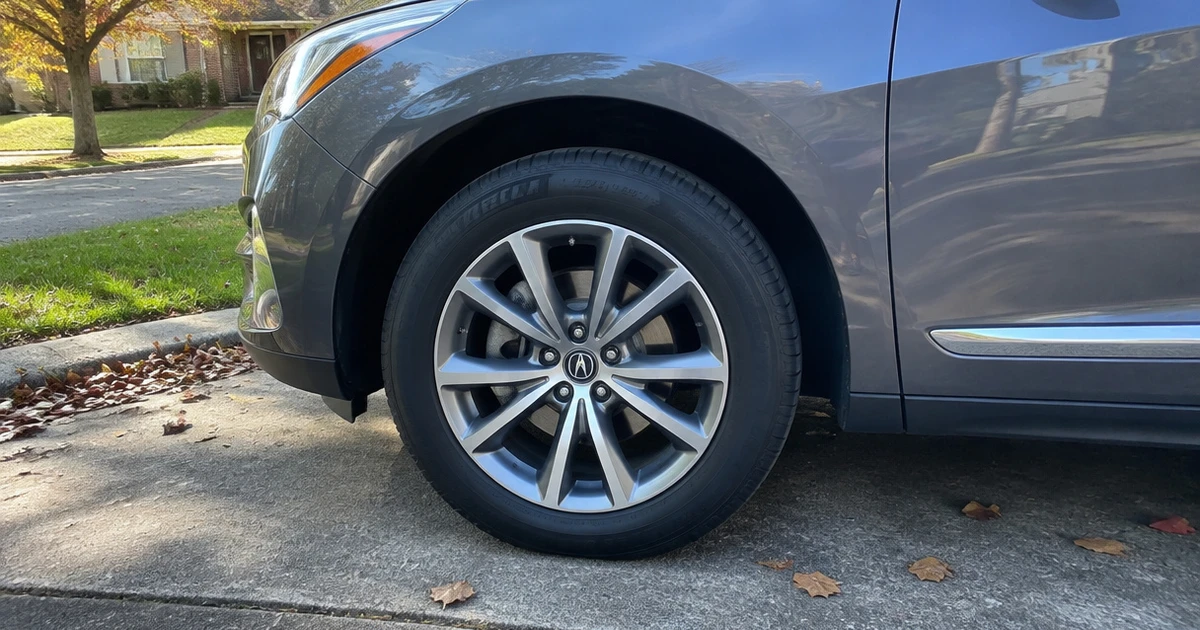
Start with what your RDX requires, then match the tire to your roads, weather, and driving habits. Fit and load support come before tread style because the wrong size or rating can affect control and wear.
Match the Approved Size and Rating
Check the tire placard on the driver-side door jamb and your owner’s manual. Acura RDX fitment can vary by model year, trim, and wheel package, so follow the listed size rather than guessing from another RDX. A similar-looking diameter can change clearance, speedometer readings, and handling.
Match the load index and speed rating too. The load index shows the tire’s rated carrying capacity, while the speed rating reflects its tested speed category.
Do not choose a lower rating than the vehicle calls for. Before ordering, confirm:
- The full size code, including width, aspect ratio, and wheel diameter
- The load index and speed rating
- Whether the vehicle requires a standard-load or extra-load tire
Choose a Tire for Your Climate
Pick a seasonal category around your local conditions, not occasional trips. Standard all-season tires suit mild climates and light, infrequent snow.
All-weather tires carry the three-peak mountain snowflake mark and offer more winter grip, while dedicated winter tires use cold-weather compounds and biting edges for regular snow and ice. In warm regions, a summer tire can sharpen dry and wet response, but it does not suit freezing conditions.
Use the table as a starting point. Tread designs vary, and winter tires need a seasonal changeover.
| Tire category | Most suited to | Main compromise |
|---|---|---|
| All-season | Mild weather and mixed driving | Less grip in severe winter |
| All-weather | Changing seasons and occasional snow | Less focused than dedicated winter tires |
| Winter | Frequent cold, snow, or ice | Needs replacement when warm weather returns |
Prioritize Wet and Snow Braking
Rain matters even if you rarely see snow. Look for tread grooves that move water away from the contact area, plus sipes that add edges for grip on slick roads.
A directional or asymmetric pattern can support water evacuation and steady cornering, but the pattern alone does not tell you how well a tire stops. Independent wet-braking tests and clear manufacturer guidance give you better evidence.
If snow is a regular part of your commute, check for the three-peak mountain snowflake symbol rather than relying only on an M+S marking. Think about your routes too: steep driveways and untreated side streets call for more winter traction than cleared highways. Leave room for winter tires if you face frequent ice or deep snow.
Balance Cabin Comfort and Handling
RDX drivers often notice tire noise on coarse pavement, so look for touring tires built to limit road sound. A continuous center rib can help a tire track steadily, while closed shoulder blocks can reduce tread noise that reaches the cabin. These features may trade some sharp steering response for a calmer ride.
Sidewall construction also affects comfort. Some extra-load tires use firmer construction and can feel less supple than standard-load tires.
Keep pressure at the cold value on the door placard, not the maximum printed on the tire. If you value quiet highway travel, prioritize ride and noise tests over an aggressive tread look.
Check Wear, Warranty, and Maintenance
Long tread life depends on compound, driving style, road surface, alignment, and rotation, so no mileage estimate predicts your exact results. Compare the treadwear warranty and its conditions, including the rotation schedule, service records, and limits for uneven wear. Use warranty terms as a point of comparison, not a promise that every driver will reach the stated distance.
Check tread depth across the full tire. Shoulder wear can point to pressure or alignment issues, and uneven wear can flag a suspension problem.
Rotate tires at the interval in your manual. If replacing only two, place the pair with more tread on the rear axle for wet stability, but check your RDX manual first: AWD versions may require closely matched tires on all four wheels.
Frequently Asked Questions
How do I find the right tire size for my Acura RDX?
Read the tire placard on the driver-side door jamb and check your owner’s manual. Match the full size, load index, and speed rating that Acura specifies for your model year and wheel package. Do not rely only on the tire size already on the vehicle, since a previous owner may have changed the wheels or tires.
Can I use all-season tires in winter?
All-season tires work for mild weather and occasional light snow, but they do not replace winter tires in frequent freezing conditions. If you regularly drive on snow or ice, choose a winter-rated option and plan to use it through the cold season. In warm climates, standard all-season tires usually suit year-round use.
Should I replace two tires or all four?
If you replace only two, match their size and type to the other tires, and check your owner’s manual for AWD limits. In general, put the pair with deeper tread on the rear axle to help reduce wet-road instability. Replace all four if the manual calls for close tread-depth matching.
How often should I rotate my tires?
Rotate tires at the interval in your Acura RDX owner’s manual, since the right schedule can vary by tire type and drivetrain. Regular rotation helps even out normal wear across the set. Check pressure monthly and before long trips, and ask a shop to inspect alignment if the tread wears unevenly.
How can I tell when my tires need replacement?
Use the tread-wear indicators built into the grooves as a quick check; when the tread reaches them, replace the tire. Also inspect for cracks, bulges, cuts, or repeated pressure loss. Age matters even with usable tread, so follow the vehicle and tire maker’s guidance and have an older tire checked.