
This post may contain affiliate links. As an Amazon Associate I earn from qualifying purchases. If you choose to make a purchase, I may earn a small commission at no extra cost to you.
Choosing tires for a Cadillac XTS can feel tricky because this sedan pairs a quiet ride with enough power to expose weak grip. A tire that feels smooth on a short drive may grow noisy as it wears, while a sporty tread can give up comfort. You also need the right fit for your model year and trim.
To choose the best tires for Cadillac XTS in 2026, start with the door-jamb size and load rating, then match tread to your weather and driving style. The list below covers comfort-focused touring, wet-weather confidence, sportier handling and long-wearing daily use, so you can focus on what matters most to you.
Our Top Tires for Cadillac XTS Picks




More Details on Our Top Picks
Pros
- 3PMSF severe-snow rating
- V-shaped tread clears water and slush
- Temperature-adaptive compound
- Confident wet and dry braking
Cons
- Less sharp steering feel than a performance tire
- A dedicated winter tire offers more snow grip
The directional V-shaped tread gives the Michelin CrossClimate2 a distinctive design and a practical job: pushing water and slush out from under the tire. Its 3PMSF severe-snow rating marks it as capable in winter conditions beyond basic all-season traction.
Michelin uses a temperature-adaptive tread compound and interlocking 3D sipes to maintain grip as conditions change. The tread design also promotes confident braking on wet and dry roads, while Michelin aims for long-lasting wear.
Those traits suit the Cadillac XTS’s comfortable, year-round driving character. The Michelin CrossClimate2 brings more winter confidence than a typical touring all-season tire, without giving up dry-road control. Its directional tread and sturdy feel make it a practical choice for drivers who face changing weather through the year.
Bottom line: Choose the Michelin CrossClimate2 if you want one tire for varied weather and regular winter driving. It suits XTS owners who value traction across seasons.
Pros
- Touring-focused ride
- All-season tread design
- Water-channeling grooves
- Predictable everyday handling
Cons
- Limited grip in deep snow
- Less responsive than a performance tire
For a Cadillac XTS used mostly on paved roads, the Pirelli P7 AS Plus 3 brings a grand-touring approach to daily driving. Its all-season tread balances steady dry-road handling with grip in rain and cooler weather.
Pirelli gives this tire a tread layout with circumferential grooves to channel water and sipes that add biting edges on damp roads. The design focuses on a composed ride and predictable response, rather than the quick, firm feel of a summer performance tire.
The Pirelli P7 AS Plus 3 fits the XTS’s relaxed touring character, especially for commutes and longer highway trips. Its handling stays calm through ordinary turns, while the tread pattern manages wet pavement without demanding a sporty driving style. This is a straightforward option for drivers who prefer a balanced all-season tire with touring manners.
Bottom line: Pick the Pirelli P7 AS Plus 3 for a comfortable touring tire that handles changing weather. It suits XTS drivers who spend most of their time on paved roads.
Michelin Primacy Tour A/S
Pros
- Quiet tread design
- Comfort Control Technology
- Precise touring-focused handling
- All-season wet and dry traction
Cons
- Less suited to aggressive cornering
- Limited snow grip compared with a winter tire
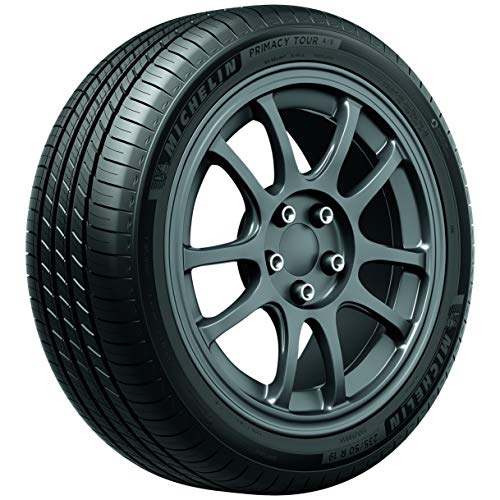
Quiet road manners define the Michelin Primacy Tour A/S. Its tread design reduces pattern noise, while Michelin’s Comfort Control Technology uses computer modeling to tune the tire for a smoother, quieter ride.
That focus fits the Cadillac XTS, where cabin comfort matters as much as steady handling. The Primacy Tour A/S also delivers precise steering for a touring tire, so the car feels settled on long drives and composed through everyday turns.
The Michelin Primacy Tour A/S uses an all-season tread for grip in dry and wet weather. Its design favors comfort over aggressive cornering response, and the ride feels refined on typical roads. Drivers who value a calm cabin and easy highway cruising will appreciate its quiet character.
Bottom line: Choose the Michelin Primacy Tour A/S for a quiet, refined ride in a Cadillac XTS. It is a good fit for drivers who put comfort first.
Pros
- AquaTred grooves move water and slush
- Evolving Traction Grooves
- Severe-snow rating
- Comfort inserts reduce road vibration
Cons
- Steering feels less sporty than a performance tire
- Deep snow calls for a winter tire
Rain and slush are the main challenges the Goodyear Assurance WeatherReady 2 tackles. Its AquaTred Technology pairs sweeping tread grooves with a pattern designed to move water away from the contact area.
Evolving Traction Grooves maintain water-clearing paths as the tread wears, while the tire’s all-season compound earns a severe-snow rating. Comfort inserts soften bumps and road vibration, and a multi-pitch tread sequence helps keep tire noise in check.
That blend gives the Cadillac XTS a composed feel on wet roads, with useful traction when light snow covers the pavement. The Goodyear Assurance WeatherReady 2 also aims to preserve a quiet ride, so its wet-weather focus does not crowd out everyday comfort. Steering stays controlled through lane changes and damp-road turns.
Bottom line: Consider the Goodyear Assurance WeatherReady 2 if rain and light snow shape your driving year. It gives XTS drivers a comfort-minded tire with strong wet-weather features.
Pros
- SportPlus Technology
- Responsive dry and wet handling
- DWS tread performance indicators
- Limited tread-life coverage
Cons
- Firmer ride on rough pavement
- Not a replacement for dedicated winter tires
Continental built the ExtremeContact DWS06 Plus around SportPlus Technology, which targets responsive handling and strong wet and dry grip. The asymmetric tread pairs wide grooves with shoulder blocks to manage water while keeping steering response crisp.
Its D, W, and S indicators sit in the tread and wear away as the tire ages. They show when the tire no longer has its intended performance in dry, wet, or snow conditions. Continental also backs the tire with limited tread-life coverage.
The Continental ExtremeContact DWS06 Plus brings a sportier feel to Cadillac XTS driving, with traction designed for wet roads and some snow. It can handle quick steering inputs more readily than a comfort-first touring tire. That response suits drivers who want the XTS to feel more engaged on winding pavement.
Bottom line: Choose the Continental ExtremeContact DWS06 Plus if you want sharper handling with all-season capability. It suits XTS drivers who value a more engaging road feel.
Pros
- Dynamic Response Technology
- Direct steering response
- Asymmetric tread design
- All-season wet and dry grip
Cons
- Firmer ride than touring tires
- Not designed for severe winter conditions
Michelin’s Dynamic Response Technology gives the Pilot Sport All Season 4 precise steering control. Its hybrid belt uses aramid and nylon to help the tire respond quickly to driver input.
The asymmetric tread balances dry-road cornering with wet-weather grip, while its all-season design adds traction in cooler conditions. Chevrolet selected this tire as the original all-season choice for the Corvette, reflecting its performance focus.
On a Cadillac XTS, the Michelin Pilot Sport All Season 4 brings a firmer, more direct feel than a comfort-oriented touring tire. Its steering response makes everyday turns feel controlled, and the tread keeps wet-road grip in the mix. It prioritizes road feedback over a soft, cushioned ride.
Bottom line: Pick the Michelin Pilot Sport All Season 4 if you want a sportier feel from your XTS. It suits drivers who value precise steering and year-round road grip.
Pros
- PeakLife tread compound
- Full-depth 3D sipes
- Grooves help clear water
- Limited tread-life coverage
Cons
- Firm ride on broken pavement
- Less snow-ready than a winter tire
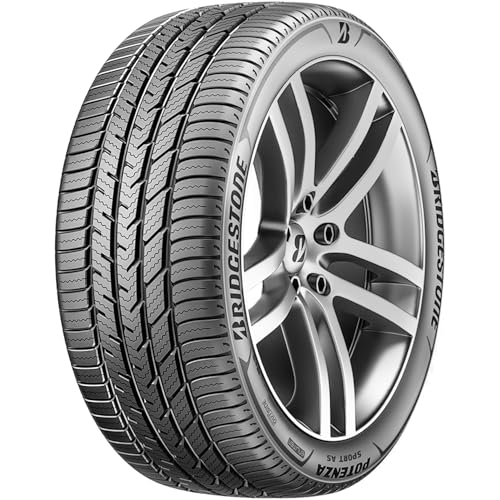
Bridgestone’s PeakLife tread compound gives the Potenza Sport AS a performance focus with long-wear goals. Full-depth 3D sipes add biting edges across the tread, and the open shoulders support grip through turns.
Circumferential and lateral grooves move water away from the contact area to reduce hydroplaning risk. Bridgestone also backs the tire with limited tread-life coverage, giving this sporty all-season design a touring-minded element.
The Bridgestone Potenza Sport AS brings confident cornering and wet-road traction to Cadillac XTS driving. Its tread design favors a connected steering feel, while the full-depth sipes preserve traction as the tread wears. The ride leans toward firm and responsive rather than soft and cushioned.
Bottom line: Consider the Bridgestone Potenza Sport AS if you want a sharper, corner-focused feel from your XTS. It suits drivers who still need all-season traction.
Pros
- EcoPlus Technology
- Limited tread-life coverage
- Quiet touring tread
- Wet-road braking and handling
Cons
- Less responsive than a UHP tire
- Light-snow traction does not match a winter tire
Continental’s EcoPlus Technology gives the TrueContact Tour 54 a strong focus on long tread life and efficient rolling. The design also targets shorter wet-road stops, which matters during rainy commutes in a Cadillac XTS.
A quiet tread pattern keeps road noise down, and the touring construction favors a smooth ride. The tire also offers traction in light snow, so it can handle ordinary seasonal changes without shifting away from its comfort-first purpose.
The Continental TrueContact Tour 54 is built for drivers who cover plenty of highway miles and want a calm ride. Its wet-weather braking and handling add confidence on damp roads, while its light-snow traction broadens its everyday use. Continental offers limited tread-life coverage for this touring line.
Bottom line: Choose the Continental TrueContact Tour 54 for quiet highway use and long tread life. It suits XTS owners who favor comfort and wet-road confidence over sporty handling.
Pros
- Symmetrical all-season tread
- Visual Alignment Indicators
- Replacement Tire Monitor
- Predictable daily handling
Cons
- Limited traction in deep snow
- Not designed for sporty cornering
General’s AltiMAX RT45 keeps its focus on steady touring performance for daily driving. Its symmetrical all-season tread supports predictable handling and even wear, with a pattern made for year-round road use.
Visual Alignment Indicators help show uneven wear across the tread, while the Replacement Tire Monitor marks when the tread reaches its replacement point. These features give the General AltiMAX RT45 a practical design that goes beyond basic all-season traction.
For Cadillac XTS driving, this tire offers a balanced feel on regular commutes and paved roads. It handles routine wet and dry conditions without pushing toward a sporty ride. Its strengths sit in everyday predictability and simple tread-wear indicators.
Bottom line: Pick the General AltiMAX RT45 for straightforward all-season touring and useful tread-wear indicators. It suits XTS drivers who want dependable daily road manners.
Pros
- Computer-optimized touring tread
- Four water-clearing center grooves
- Comfortable everyday ride
- All-season traction
Cons
- Less responsive during spirited driving
- Limited grip in deep snow
A computer-optimized tread design gives the Hankook Kinergy PT its comfort-minded touring character. Four center grooves channel water away from the tread, helping the tire maintain grip on wet roads.
The all-season pattern suits everyday driving, and its construction aims for a smooth ride on city streets and highways. The Hankook Kinergy PT favors predictable responses over the sharper feel of a performance tire.
In a Cadillac XTS, that easygoing nature pairs well with relaxed commuting and longer trips. The tread handles ordinary wet and dry conditions, while the touring design keeps the ride focused on comfort. It offers a practical choice for drivers who value calm road manners through the year.
Bottom line: Choose the Hankook Kinergy PT for comfortable everyday driving in your XTS. It suits drivers who want steady all-season manners for commuting and highway use.
Factors to Consider When Choosing Tires for Cadillac XTS
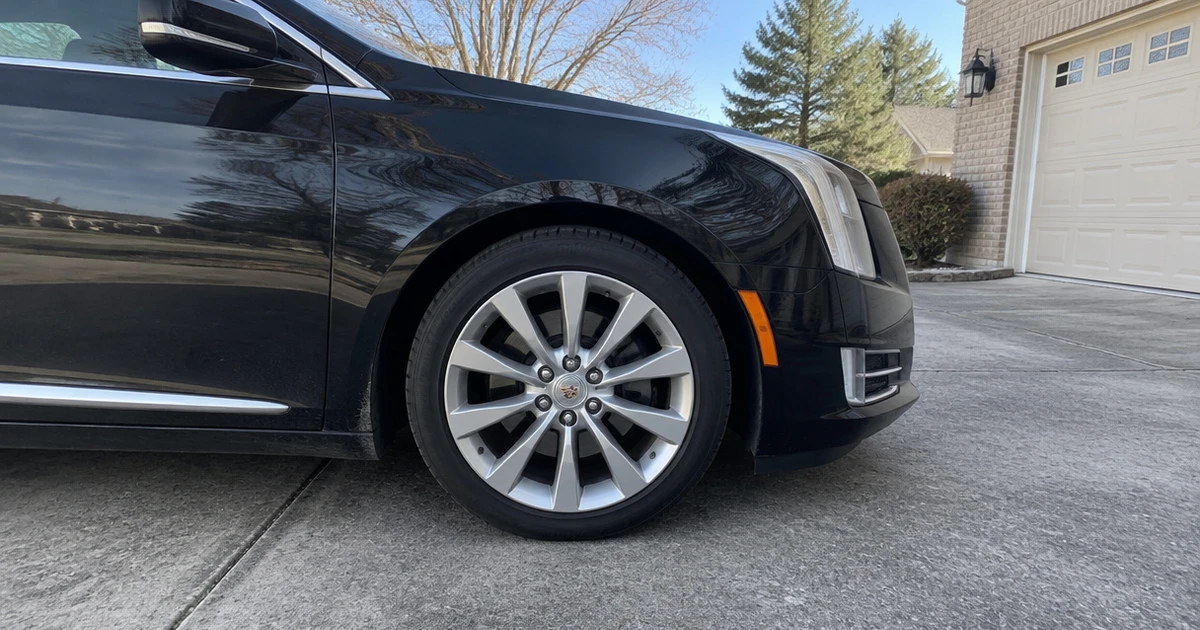
Start with your car’s factory fit and the roads you drive most. A tire that suits your climate and comfort needs can help the XTS feel composed without sacrificing grip.
Size and Ratings
Start with the tire size on the driver-side door placard, then confirm it in the owner’s manual. The XTS came in different trims and wheel setups, so the sidewall on an old tire may not show the correct factory fit. Keep the specified width, aspect ratio and wheel diameter unless a tire professional confirms an approved alternate.
Check load index and speed rating too. The load index needs to meet the car’s requirement, and a higher number alone does not make a tire a better fit.
Match or exceed the listed speed rating, and use the same size and type across each axle. For all-wheel drive, keep all four tires closely matched in size and tread depth to protect the drivetrain.
Ride Comfort and Noise
Cabin comfort depends on more than the suspension. A tire’s tread pattern, sidewall construction and rubber compound affect road noise, impact harshness and steering response. If your commute includes rough pavement or long highway stretches, favor a touring all-season design with a comfort focus and a tread pattern that limits steady hum.
Low-profile tires can sharpen steering, but their shorter sidewalls pass more bumps into the cabin and leave the wheel more exposed to pothole damage. Check independent road tests for noise after wear, not just first-drive comfort. If your XTS has larger wheels, decide whether quicker response matters enough to accept a firmer ride.
Climate and Seasonal Grip
Choose a tire for your usual climate, not the rarest weather you might face. All-season tires suit many drivers who see rain and mild winters, while winter tires use cold-flexible compounds and tread that grips snow and ice. All-weather tires can offer stronger winter traction than standard all-season tires; look for the three-peak mountain snowflake symbol if you need severe-snow certification.
| Tire type | Good fit for | Trade-off |
|---|---|---|
| All-season | Mild climates and rain | Limited grip on packed snow |
| All-weather | Mixed weather and occasional snow | May feel less precise than a summer tire |
| Winter | Frequent cold, snow or ice | Needs seasonal changes |
Base your choice on the roads you drive most often, and plan a separate winter set if freezing weather and snow last for months.
Wet Grip and Handling
An XTS needs tires that stay composed under braking and during quick lane changes, especially on wet pavement. Look for wide circumferential grooves that move water away from the contact patch and tread blocks that hold their shape through corners. Tread design and compound both matter; a performance-oriented tire may steer more sharply, but it can ride firmer and wear faster than a comfort-focused touring tire.
Use wet-braking results from repeatable independent tests when available, and compare them within the same size class. Do not judge grip by an aggressive tread look alone.
If you drive calmly and prioritize a quiet cabin, balanced wet grip may suit you. If you take winding roads at pace, favor responsive steering while meeting the original tire ratings.
Tread Life and Upkeep
Think about service life and total ownership, not just the mileage promise. UTQG treadwear grades can help compare tires, but manufacturers set those grades through their own tests, and the numbers do not predict exactly how many miles you will get.
Driving habits, alignment, pressure, road texture and climate all change wear. A higher grade often points toward longer wear, but it may pair with less sporty grip.
Look for a mileage warranty that fits your annual driving, and read its conditions, including rotation intervals and maintenance records. Check pressure monthly when tires are cold, rotate on schedule, and fix alignment or suspension issues early.
These steps help the tread wear evenly and preserve handling. Replace tires when tread reaches the legal limit or the tire maker’s age guidance calls for removal.
Frequently Asked Questions
What tire size does a Cadillac XTS use?
Tire sizes vary by XTS model year, trim and wheel package, so use the tire size on the driver-side door placard as your starting point. Confirm it in the owner’s manual before ordering, and match the load index and speed rating as well as the size.
Are all-season tires enough for a Cadillac XTS?
All-season tires work for many drivers in mild climates and handle rain and occasional light snow. If you regularly drive on packed snow, ice or very cold roads, winter tires give you stronger cold-weather grip. An all-weather tire can suit mixed conditions, but check its snow rating.
Should I replace all four tires at once?
Replacing all four at once gives you the most consistent grip and tread depth, especially on an all-wheel-drive XTS. If one tire fails, ask a tire professional to compare its tread depth with the others and follow the owner’s manual limits for differences. Do not mix mismatched sizes.
How often should I rotate my tires?
Rotate tires on the schedule in your owner’s manual, since the right interval and pattern can vary with tire setup and drivetrain. Regular rotation helps spread wear across the tread. Check for uneven wear at each service, since alignment or suspension trouble can wear a tire faster than normal.
What pressure should I use in my tires?
Use the cold pressure on the driver-side door placard, not the maximum pressure molded into the tire sidewall. Check tires before driving or after they sit for several hours, since heat raises pressure readings. Recheck monthly and after a major temperature change, and pay attention to the tire-pressure warning system.