
This post may contain affiliate links. As an Amazon Associate I earn from qualifying purchases. If you choose to make a purchase, I may earn a small commission at no extra cost to you.
Choosing tires for a Chevy Traverse can feel tricky because the same SUV may handle school runs, long highway drives, winter roads, and rough parking lots. A tire that feels calm on dry pavement may not give you the grip you need in heavy rain or snow.
Start by reading your vehicle’s tire placard for the exact fit, then weigh climate, comfort, tread life, and the roads you use most. The best tires for Chevy Traverse you can buy in 2026 are not one-size-fits-all, so this guide covers options for different needs and explains how to compare them before you buy. That helps you focus on traits you will notice every day.
Our Top Tires for Chevy Traverse Picks


More Details on Our Top Picks
Pros
- MaxTouch Construction promotes even tread wear
- EverTread 2.0 compound targets long service life
- Comfortable, quiet ride on pavement
- Reliable all-season traction for SUV use
Cons
- Road-focused tread lacks bite on rough trails
Long tread life is a key strength of the Michelin Defender LTX M/S2, which Michelin designed for heavier SUVs and pickups. Its MaxTouch Construction spreads road forces across the tread, while EverTread 2.0 compound targets long wear in demanding conditions.
That focus suits a Chevy Traverse used for commutes, family trips, and regular highway miles. The all-season tread gives you dependable traction in changing weather without the rough feel of an off-road pattern.
On pavement, the Defender LTX M/S2 aims for a calm ride and low road noise. Its road-focused design keeps the cabin comfortable on longer drives, while the tread compound provides traction in wet conditions and light snow.
Michelin designed this tire for drivers who want durability without giving up everyday comfort. It brings a useful balance of long-lasting tread, steady road manners, and all-season traction for a family SUV.
Bottom line: Choose this tire for a Traverse that spends most of its time on paved roads and needs long-wearing, comfortable performance.
Pros
- EcoPlus Technology targets fuel savings and tread life
- Confident wet braking
- Quiet ride for highway travel
- Responsive year-round handling
Cons
- Touring tread offers limited grip in deep snow
Wet-road braking and a quiet cabin shape the Continental CrossContact LX25’s appeal for a Chevy Traverse. Continental’s EcoPlus Technology combines a low rolling resistance design with tread features that promote wet grip and long wear.
On rainy roads, the tread helps move water away from the contact area, giving you confident braking and predictable handling. Its responsive feel also suits daily driving, where you want the Traverse to change lanes smoothly without feeling busy.
The CrossContact LX25 keeps road noise in check, a welcome trait when your SUV carries passengers or covers long stretches of highway. Continental backs the tire with a limited treadwear warranty of up to 70,000 miles, depending on the application.
EcoPlus Technology gives this touring tire a practical balance of wet-road control and fuel-conscious design. The result is a composed all-season tire for paved routes, from school runs to weekend drives.
Bottom line: Choose the CrossContact LX25 if your Traverse mostly sees pavement and you value a quiet ride with strong wet-weather manners.
Pros
- 3PMSF severe snow service rating
- V-shaped tread helps channel water
- Strong wet and dry braking focus
- Designed to retain performance as tread wears
Cons
- Road tread lacks deep-rut traction
A distinctive V-shaped tread gives the Michelin CrossClimate2 its purposeful look and helps it handle changing road conditions. Michelin designed this all-season tire for year-round use, and its 3PMSF marking identifies it as suitable for severe snow service.
For a Chevy Traverse that sees rain, dry pavement, and occasional snow, the CrossClimate2 offers a useful range of grip. Its tread pattern channels water while the biting edges help it hold on snow-covered roads.
The CrossClimate2 also puts a strong emphasis on braking in both wet and dry conditions. Michelin designed the tire to retain its all-season performance as the tread wears, so its weather-ready character does not depend only on fresh tread.
This is still a road tire, not a substitute for a dedicated winter tire in severe conditions. On ordinary winter routes, though, the snow-rated tread and year-round braking focus give your Traverse added confidence.
Bottom line: Pick the CrossClimate2 if your Traverse faces regular winter weather and you want one tire for year-round driving.
Pros
- Full-depth sipes retain biting edges as tread wears
- 3D sipe design supports wet-road handling
- SUV-focused all-season design
- Compound targets long tread life
Cons
- Not intended for deep snow or demanding trails
Pirelli built the Scorpion AS Plus 3 for crossovers and SUVs, making it a natural fit for the daily demands of a Chevy Traverse. Its all-season tread compound targets long wear while full-depth sipes keep biting edges in play as the tread wears down.
The 3D sipe design works with the tread pattern to steady the tire during braking and cornering. That gives you a more controlled feel on wet pavement, where the grooves and sipes help maintain contact with the road.
Dry-road handling stays composed, too, so the Traverse feels settled through everyday turns and lane changes. The Scorpion AS Plus 3 balances that road manners focus with all-season traction for rain and light winter weather.
Pirelli’s full-depth sipes are a practical detail for long-term use, since the tread retains its traction features as it wears. The result is a polished SUV tire aimed at drivers who spend most of their time on paved roads.
Bottom line: The Scorpion AS Plus 3 suits a Traverse driven mainly on pavement, especially if wet-road control matters to you.
Pros
- QuietTrack Technology reduces tread noise
- High-silica compound improves wet and winter grip
- Snow Vices add biting edges on snow
- 80,000-mile limited warranty
Cons
- Highway tread lacks loose-surface all-terrain grip
Bridgestone’s QuietTrack Technology gives the Alenza AS Ultra a clear focus: reducing tread noise during everyday driving. That makes it a comfortable match for a Chevy Traverse that spends long hours on highways or carries passengers through busy weeks.
A high-silica tread compound improves grip in wet weather and cold conditions. Bridgestone also uses Snow Vices to add grip on snowy roads, giving the Alenza AS Ultra more winter traction than a basic fair-weather touring tire.
The Alenza AS Ultra balances that weather performance with a highway-oriented ride and long-wear design. Bridgestone covers it with an 80,000-mile limited warranty, which reflects the tire’s emphasis on extended tread life.
In daily use, the tire keeps its focus on quiet comfort and steady road manners rather than rough-surface driving. Its all-season design gives a Traverse useful traction through rain and occasional snow without a sporty, stiff feel.
Bottom line: Choose the Alenza AS Ultra for a Traverse that racks up highway miles and needs a quiet ride with useful winter traction.
Pros
- Responsive steering feel
- All-season traction for paved roads
- Performance-focused handling
- Chevrolet selected it for the Corvette
Cons
- Passenger-car design lacks truck-focused tread durability
Sharp road response defines the Michelin Pilot Sport All Season 4, a performance tire with year-round traction in mind. Chevrolet chose this tire for the Corvette, which reflects its focus on responsive handling rather than rugged SUV use.
For a Chevy Traverse driver who values a more direct steering feel, the Pilot Sport All Season 4 brings a sportier character to paved roads. Its performance-oriented tread balances dry-road grip with traction in wet conditions and cooler weather.
The tire’s design aims to keep that handling feel over a long service life, rather than limiting its appeal to short bursts of spirited driving. Michelin positions the line as an all-season option, so you can use it through a range of ordinary weather conditions.
Its strengths show most clearly on pavement, where steering response and cornering control matter. The Pilot Sport All Season 4 brings performance-focused handling to an all-season design, without the rugged tread pattern you would want for rough trails.
Bottom line: This Michelin suits a Traverse driver who puts sharp road response ahead of rugged SUV capability.
Pros
- AquaTred grooves channel water and slush
- Evolving grooves maintain water displacement as tread wears
- 3PMSF severe snow service rating
- Comfort inserts soften bumps and vibrations
Cons
- Severe-snow rating does not replace a dedicated winter tire
Goodyear’s AquaTred Technology gives the Assurance WeatherReady 2 a clear wet-weather focus. Sweeping grooves move water and slush away from the tread, helping a Chevy Traverse hold its line when roads turn slick.
The tire also uses Evolving Traction Grooves to keep water-moving channels open as the tread wears. A specialized compound stays adaptable across the seasons, and the 3PMSF marking signals its severe snow service rating.
Comfort inserts soften bumps and vibrations while keeping steering control composed during lane changes. Goodyear’s variable tread block sizes also reduce the pattern noise that can become tiring on long drives.
The Assurance WeatherReady 2 brings together wet-road grip, snow capability, and a quieter ride for everyday SUV use. Its blend of tread features suits a Traverse that faces rain and winter weather as part of its regular routine.
Bottom line: Consider the WeatherReady 2 if your Traverse often sees wet roads and regular snowfall during the year.
Pros
- Durable tread suits paved and unpaved roads
- Full-depth 3-D locking sipes
- All-season traction for rain and snow
- 60,000-mile warranty
Cons
- Chunkier tread can add pavement noise
Gravel roads and paved commutes both suit the BFGoodrich Trail-Terrain T/A, an all-season tire for SUVs and crossovers. Its tread design gives a Chevy Traverse some light off-pavement ability without losing sight of everyday road comfort.
BFGoodrich uses an optimized footprint and full-depth 3-D locking sipes to keep the tread blocks stable. Those features promote even wear and add biting edges for traction in rain and snow.
On pavement, the Trail-Terrain T/A aims for a quiet, comfortable ride, while its tread offers more durability for occasional unpaved routes. BFGoodrich covers it with a 60,000-mile warranty and a 60-day satisfaction guarantee.
This tire fits the driver who takes the Traverse beyond smooth roads now and then, rather than tackling tough off-road terrain. Its light-trail versatility adds freedom for gravel access roads and campsites while keeping daily driving in view.
Bottom line: Pick the Trail-Terrain T/A if your Traverse sees gravel roads or campsite access along with regular pavement.
Pros
- Micro-silica compound provides wet traction
- Sipes and serrated grooves add cold-weather grip
- Multi-pitch tread pattern reduces road noise
- 65,000-mile limited treadwear warranty for standard fitments
Cons
- Designed for paved roads, not sustained off-road driving
Small tread details give the Yokohama Geolandar CV G058 its all-season character. Yokohama combines 2D and 3D sipes with serrated outer grooves to create extra biting edges for a Chevy Traverse in cold weather, slush, and light snow.
A micro-silica rubber compound provides wet-road traction while supporting long tread life. Chamfered ribs keep more of the tread in steady contact with the road, which promotes even wear and predictable handling.
The Geolandar CV G058 also uses a staggered multi-pitch pattern to reduce road noise. That gives the Traverse a smoother, quieter ride on daily routes, where tire hum can build up over a long stretch of pavement.
Yokohama backs standard fitments with a 65,000-mile limited treadwear warranty. The Geolandar CV G058 brings together quiet touring comfort and winter-minded tread features for drivers who want dependable road use through changing weather.
Bottom line: The Geolandar CV G058 fits a Traverse driven mostly on paved roads, especially if you value a quiet ride and long tread life.
Pros
- Stiff center rib sharpens steering response
- Four straight channels help resist hydroplaning
- Silencer Sipes reduce road noise
- All-season design for SUV use
Cons
- Performance focus offers little benefit on rough trails
A stiff center rib gives the Hankook Dynapro HP2 Plus its precise steering feel. Hankook designed this all-season SUV tire for drivers who want their Chevy Traverse to respond cleanly on paved roads.
Four straight channels move water away from the tread to help resist hydroplaning in heavy rain. That channel layout also gives the tire a clear wet-weather purpose for commutes and highway trips.
Hankook adds Silencer Sipes to reduce tread noise and keep the cabin more comfortable. The tire’s performance-oriented design pairs that quieter ride with steady handling through everyday turns and lane changes.
The Dynapro HP2 Plus brings a firm center rib and water-clearing grooves to a road-focused SUV tire. Its all-season tread suits daily use in changing conditions, while the silencer features help keep tire noise from taking over the ride.
Bottom line: Choose the Dynapro HP2 Plus if you want your Traverse to feel composed on pavement, especially in rain.
Factors to Consider When Choosing Tires for Chevy Traverse
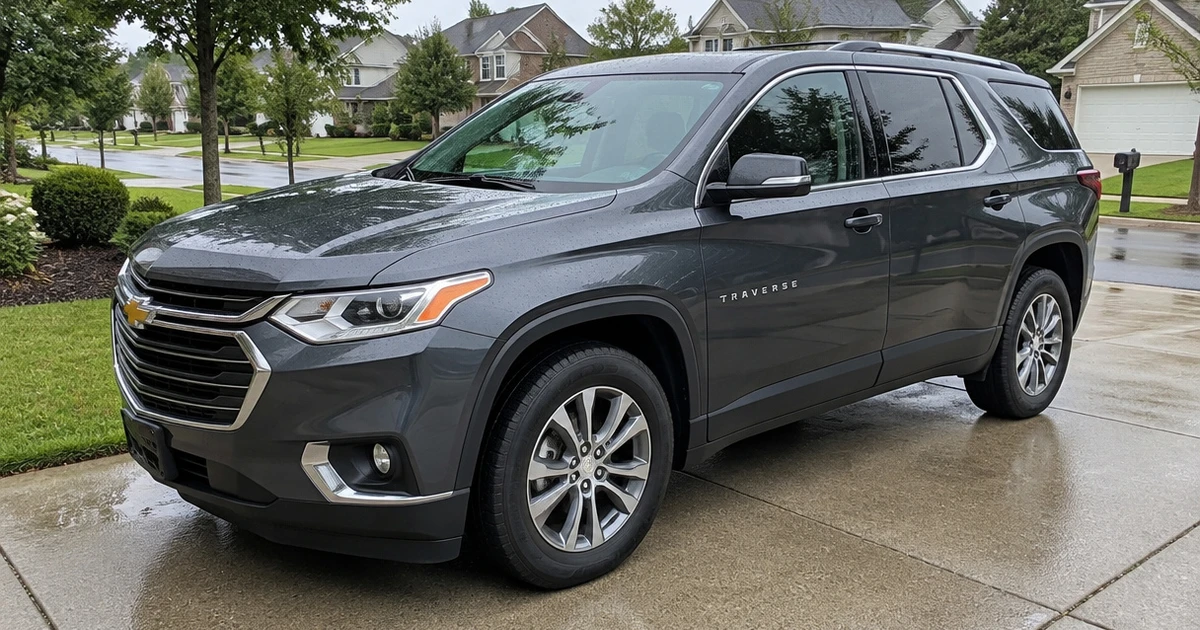
Good tires should fit your Traverse, suit your local weather, and handle the roads you drive most. Use the vehicle’s placard and manual as your starting point, then compare comfort, traction, and upkeep needs.
Size and Load Rating
The tire placard on the driver’s door jamb gives the factory size and recommended pressure for your trim. Match the full size code, including wheel diameter, because a tire that looks close can still fit poorly or change speed readings. Use the placard and owner’s manual, not the maximum pressure printed on the tire sidewall.
Check the load index and speed rating too. Choose a load index that meets the vehicle’s requirement, and keep the required speed rating unless your manual allows another option. If you often carry passengers or cargo, ask a tire shop to confirm the fit rather than guessing at a higher load rating.
Climate and Season
Match tire type to the coldest and snowiest conditions you regularly face. Standard all-season tires suit mild winters and year-round use. All-weather tires carry the three-peak mountain snowflake symbol, which signals tested snow traction, while winter tires give stronger grip on snow and ice.
Use this comparison as a starting point, then weigh how often you drive in winter conditions. A tire label alone cannot tell you how a tire will feel on your local roads. Switch away from winter tires as temperatures rise to limit rapid wear.
| Tire type | Good fit for | Main trade-off |
|---|---|---|
| All-season | Mild winters and daily driving | Less snow grip |
| All-weather | Year-round use with regular snow | May feel less focused in warm weather |
| Winter | Frequent snow, ice, and cold | Needs seasonal replacement |
Wet-Road Grip
For wet-road confidence, look for tread grooves that move water away from the contact patch and siping that adds biting edges. A strong wet-grip focus can help the Traverse brake and steer more predictably in rain, but tread depth still matters because worn grooves clear less water.
Compare wet braking and handling results within the same tire category when reliable test information is available. If you often drive through standing water, put wet traction ahead of a quiet ride or a long-wear promise. Replace tires before the tread gets too low.
Ride Comfort and Road Noise
Cabin noise matters on long highway trips, especially if you spend much of your drive on rough pavement. A tread with closely spaced shoulder blocks often makes less road noise than a more open, rugged design. Tire construction and the road surface also affect how much vibration reaches the cabin.
Choose a touring-style tire if you value a calm ride for commuting and family travel. If you often leave paved roads, a more open tread may offer better traction on loose surfaces, though it can add noise. Read tire test notes for comfort and noise along with grip.
Tread Life and Warranty
Tread life depends on the tire’s compound, tread design, alignment, pressure, road surfaces, and driving habits. A treadwear warranty gives you a mileage benchmark, not a guarantee that the tire will reach that distance. Read the terms for required rotations and records before relying on the warranty.
Look for even tread wear and a design that fits your usual routes. Highway drivers may value a long-wearing touring tread, while frequent trips on rough roads can wear tires faster. Regular pressure checks and rotations help you get more consistent wear from a set.
All-Wheel Drive and Tire Care
If your Traverse has all-wheel drive, matching size and model across all four wheels helps keep their rolling diameters close. Large differences in tread depth can change how the tires rotate and place extra strain on the drivetrain, especially when the vehicle turns.
Build these checks into routine care:
- Check cold pressure against the door-jamb placard.
- Rotate tires at the interval in the manual.
- Inspect tread, sidewalls, and wear patterns.
Follow the manual’s rotation pattern, and ask a tire shop to check alignment if the tread wears unevenly. If you need to replace fewer than four tires on an all-wheel-drive vehicle, ask a tire professional to check tread depth and recommend a safe match.
Frequently Asked Questions
How long do tires for a Chevy Traverse usually last?
Tire life depends on the tire’s compound, tread design, road surface, climate, alignment, and driving habits. Regular rotations and correct cold pressure help the tread wear evenly. Check the tread and sidewalls often, and replace tires when they reach the legal wear limit or show damage a tire professional says you cannot repair.
Do you need four matching tires on an all-wheel-drive Traverse?
If your Traverse has all-wheel drive, matching all four tires helps keep their rolling circumference close and reduces extra strain on the drivetrain. Replace tires as a set when wear differences become large. Ask a tire shop to measure tread depth and check the manual before fitting fewer than four new tires.
Are all-season tires enough for snow?
All-season tires work well for many drivers in mild winter areas, but they lose grip as temperatures drop and snow or ice builds up. If you face frequent storms, steep roads, or packed snow, winter-focused tires offer stronger cold-weather traction. Check local conditions and your usual routes rather than relying on the tire label alone.
What tire pressure should you use?
Use the cold tire pressure on the placard inside the driver’s door area, not the maximum pressure molded into a tire’s sidewall. Check pressure before driving or after the vehicle sits for several hours, since heat raises the reading. Recheck when temperatures change sharply because cold weather lowers pressure.
How often should you rotate your tires?
Follow the schedule and rotation pattern in your owner’s manual, since the right interval can vary by model year, drivetrain, and tire setup. Check pressure monthly and inspect tread for uneven wear between rotations. If one shoulder wears faster than the other, have a shop check alignment and suspension parts.