
This post may contain affiliate links. As an Amazon Associate I earn from qualifying purchases. If you choose to make a purchase, I may earn a small commission at no extra cost to you.
The Bronco Sport can handle daily commutes and rougher routes, but its tires shape how confidently it brakes, corners, and handles snow. Picking by an aggressive tread alone can leave you with more road noise or less wet-road grip than you need.
Start with your usual roads, local winter conditions, and the exact size and load rating on your vehicle’s tire placard. A good match gives you dependable grip without adding a harsher ride or extra wear.
The best tires for Ford Bronco Sport you can buy in 2026 cover several needs, from quiet pavement use to regular gravel and snow. The options below make it easier to compare those priorities and choose a tire that suits your routine.
Our Top Tires for Ford Bronco Sport Picks



More Details on Our Top Picks
Pros
- Full-depth 3-D Locking Sipes steady tread blocks
- Comfortable road manners for an all-terrain tire
- Designed for pavement, gravel, and dirt
- 60,000-mile limited tread life warranty
Cons
- Less suited to deep mud than aggressive all-terrain tires
- More tread noise than a touring tire
Full-depth 3-D Locking Sipes give the BFGoodrich Trail-Terrain T/A its balanced feel on changing road surfaces. The interlocking cuts steady the tread blocks, which supports even wear and keeps the ride composed.
On a Ford Bronco Sport, this all-terrain design suits daily pavement driving with regular trips onto gravel or dirt roads. Its tread gives you added grip on unpaved surfaces without the loud, rough feel of a tire built mainly for deep off-road use.
BFGoodrich builds the Trail-Terrain T/A for year-round driving, with tread designed to hold traction in rain and light snow. The pattern also helps keep road noise in check, so the cabin stays comfortable on longer drives.
BFGoodrich covers the Trail-Terrain T/A with a 60,000-mile limited tread life warranty and a 60-day satisfaction guarantee. The combination of road comfort, all-season traction, and durability makes it a versatile fit for mixed daily use.
Bottom line: Choose this tire for your Bronco Sport if you split your driving between paved roads and light trail use. It offers a useful mix of everyday comfort and unpaved-road grip.
Pros
- Built for crossovers and smaller SUVs
- 3D Canyon Sipe Technology adds winter grip
- Increased tread depth for loose surfaces
- 65,000-mile limited tread life warranty
Cons
- Not intended for deep mud or technical trails
- Tread feels less refined than a touring tire
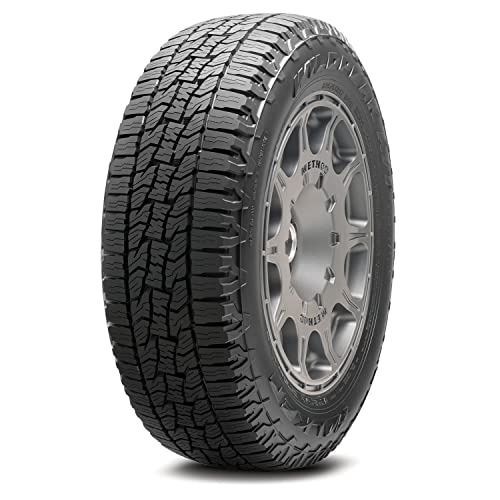
Falken built the Wildpeak A/T Trail for crossovers and smaller SUVs, so its all-terrain tread fits the Bronco Sport’s mix of road and trail driving. The tread pattern gives you more bite on loose surfaces than a typical road-focused all-season design.
3D Canyon Sipe Technology creates extra biting edges across the tread. Along with increased tread depth, those sipes give the tire more grip in winter weather than a traditional all-season tire.
On pavement, the Wildpeak A/T Trail keeps its crossover focus with steady handling for everyday errands and longer drives. Its tread also works well on gravel roads and packed dirt, where the added edges can find traction without relying on a mud-tire pattern.
Falken backs the Wildpeak A/T Trail with a 65,000-mile limited tread life warranty. It brings winter-ready tread design and practical light-trail ability to a tire built for smaller SUVs.
Bottom line: Pick the Wildpeak A/T Trail for your Bronco Sport if winter roads and gravel routes are part of your routine. It gives you extra traction without moving to a heavy-duty off-road tire.
Pros
- Three-Peak Mountain Snowflake certified
- Directional tread with strong biting edges
- Made for wet, dry, and snowy roads
- Maintains traction as tread wears
Cons
- Limited grip in deep mud or loose trails
- Directional tread requires a specific rotation pattern
The arrow-shaped tread on the Michelin CrossClimate2 gives this all-season tire a distinct look and a clear job: handle changing weather throughout the year. Its directional pattern and biting edges help it grip wet pavement and snow.
The CrossClimate2 carries the Three-Peak Mountain Snowflake symbol, which marks it for severe snow service. That makes it a compelling road tire for a Bronco Sport that sees winter conditions but spends most of its time on pavement.
Michelin uses a temperature-adaptive tread compound to keep the tire working across a wide range of conditions. Its tread design also supports strong dry and wet braking, while the pattern maintains traction as the tire wears.
On daily drives, the CrossClimate2 feels composed and predictable on dry roads, then gives you more winter confidence than a basic all-season tire. Snow-rated traction and a road-focused ride define the package, rather than off-road tread or loose-surface grip.
Bottom line: The CrossClimate2 suits Bronco Sport drivers who face regular winter weather and want a capable pavement tire. Choose it for snow and wet-road confidence, not trail-focused driving.
Pros
- Long-wearing tread for regular road use
- Quiet ride for a truck and SUV tire
- Reliable traction in changing conditions
- Stable feel on highways
Cons
- Limited traction on loose trails
- Less suited to deep snow than a snow-rated tire
Long tread life and a calm ride are central to the Michelin Defender LTX M/S2. Michelin designed this highway all-season line for trucks and larger SUVs, giving it a durable tread that also keeps road noise low.
That road-focused character works well on a Bronco Sport used for commuting, family trips, and regular highway miles. The tread delivers dependable traction in everyday weather, while the stable contact patch gives you a settled feel through bends and lane changes.
The Defender LTX M/S2 also handles demanding road conditions without giving up cabin comfort. Its tread compound and construction target lasting wear, so the tire can serve drivers who spend more time on pavement than on rough trails.
Michelin’s attention to tread durability and quiet comfort makes the Defender LTX M/S2 an easygoing choice for daily use. It keeps the Bronco Sport’s road manners in focus while adding reliable traction for varied weather.
Bottom line: Choose the Defender LTX M/S2 if your Bronco Sport spends most of its time on paved roads. It favors long service life and a comfortable ride over trail-ready tread.
Pros
- EcoPlus Technology targets lower rolling resistance
- Short wet-road braking
- Quiet tread for a calm cabin
- Up to 70,000-mile limited tread life coverage
Cons
- Not built for rough off-road use
- Limited snow traction compared with a snow-rated tire
Continental’s EcoPlus Technology gives the CrossContact LX25 a road-focused blend of wet grip and efficient rolling. The compound targets lower rolling resistance while supporting shorter braking on wet pavement.
That balance suits a Bronco Sport used for commuting and weekend highway trips. The tread’s design helps keep road noise down, so you get a calm cabin without giving up responsive handling in everyday conditions.
Continental also built the CrossContact LX25 to deliver consistent performance throughout the year. Its tread works across dry and wet roads, and the company backs it with up to 70,000 miles of limited tread life coverage.
The quiet ride and wet-road focus make this a comfortable touring tire for routine driving. It brings useful efficiency features to the Bronco Sport while keeping its priorities on pavement.
Bottom line: The CrossContact LX25 fits your Bronco Sport if you value quiet road manners and dependable wet-weather grip. It is best suited to pavement rather than regular trail use.
Pros
- Three-Peak Mountain Snowflake certified
- Endurocore construction adds strength
- Cut- and chip-resistant Enduro compound
- 60,000-mile limited treadwear warranty
Cons
- Tread noise rises on smooth highways
- Less capable in deep mud than a mud-terrain tire
Yokohama gives the Geolandar A/T G015 a useful combination of all-terrain grip and winter credentials. Its Three-Peak Mountain Snowflake certification marks it for severe snow service, while the tread pattern handles gravel and dirt roads.
Endurocore construction adds strength for load carrying, and Yokohama’s cut- and chip-resistant Enduro compound guards the tread on rougher surfaces. Those features give the tire a durable feel when your Bronco Sport leaves smooth pavement.
The Geolandar A/T G015 still keeps road comfort in view. Its tread design balances off-road traction with predictable handling on paved routes, so you can use it for everyday driving as well as winter trips.
Yokohama backs the tire with a 60,000-mile limited treadwear warranty and a 30-day satisfaction guarantee. The mix of snow-rated traction and reinforced construction suits drivers who want more than a pavement-only tire.
Bottom line: Consider the Geolandar A/T G015 for your Bronco Sport if snowy roads and rougher routes both feature in your plans. It pairs winter traction with durable all-terrain construction.
Pros
- Three-Peak Mountain Snowflake certified
- Open tread pattern for gravel and dirt
- Deep siping adds wet and snow grip
- Balanced for paved and unpaved driving
Cons
- More road noise than a highway tire
- Less suited to deep mud than a mud-terrain design
Open shoulder blocks and a rugged tread pattern give the Toyo Open Country A/T III its confident footing away from pavement. The design clears loose material from the contact area and gives the tire useful grip on gravel and dirt.
Toyo uses deep siping and carefully shaped tread blocks to add biting edges for wet roads and snow. The Open Country A/T III carries Three-Peak Mountain Snowflake certification, so it brings more winter capability than a standard all-season tire.
On a Ford Bronco Sport, this tire suits drivers who take unpaved routes often but still need steady road manners for daily use. Its tread balances trail traction with predictable handling on paved roads, making it practical for mixed driving.
The open all-terrain pattern and snow-rated design give the Open Country A/T III a broad range of use. It keeps a rugged focus without turning every paved drive into a dedicated off-road experience.
Bottom line: The Open Country A/T III is for Bronco Sport drivers who regularly travel rough roads and still need winter traction. It offers a capable all-terrain tread for mixed daily use.
Pros
- Full-depth sipes retain traction as tread wears
- 3D sipe design supports wet handling
- Responsive feel on dry pavement
- Built for crossovers and SUVs
Cons
- Not intended for deep snow or severe winter use
- Limited traction on rough trails
Full-depth tread sipes give the Pirelli Scorpion AS Plus 3 traction features that last as the tread wears. Its 3D sipe design works with the tread pattern to keep handling composed on both wet and dry pavement.
Pirelli developed this all-season tire for crossovers, SUVs, and light trucks, which makes its road-focused character a natural match for a Bronco Sport. The tread compound targets long wear while maintaining confident grip in everyday conditions.
On paved roads, the Scorpion AS Plus 3 feels responsive through turns and predictable under braking. Its pattern favors stable handling and daily comfort over the open, aggressive tread you would want for regular off-road driving.
Full-depth sipes and a crossover-focused design give this tire a consistent feel across the tread’s life. It keeps its attention on smooth, confident road performance rather than trail use.
Bottom line: Choose the Scorpion AS Plus 3 for a Bronco Sport that stays mainly on paved roads. It suits drivers who want responsive handling and all-season grip for routine trips.
Pros
- AquaTred grooves move water and slush
- Severe-snow designation for winter traction
- Evolving Traction Grooves retain water channels
- Comfort inserts reduce bumps and vibration
Cons
- Limited traction on loose trails
- More road-focused than an all-terrain tire
AquaTred Technology gives the Goodyear Assurance WeatherReady 2 sweeping grooves that move water and slush away from the tread. That design gives your Bronco Sport a more confident feel on wet roads and in messy winter conditions.
Goodyear’s specialized tread compound stays adaptable across the seasons, and the tire carries the severe-snow designation. Evolving Traction Grooves keep channels working as the tread wears, preserving water displacement over the tire’s life.
Comfort inserts soften bumps and vibrations while helping maintain steering control during lane changes. Goodyear also varies the size of the tread blocks in a multi-pitch sequence, which reduces repeating road noise.
The WeatherReady 2 combines wet-road control with winter traction in a pavement-focused design. Its comfort features make daily driving more settled, while the groove layout handles rain and slush with confidence.
Bottom line: The Assurance WeatherReady 2 fits your Bronco Sport if you face rain, slush, and snow but drive mostly on roads. It offers year-round traction with extra attention to ride comfort.
Pros
- Tread design balances road and trail use
- Durable construction for unpaved routes
- Lower road noise than a rugged off-road tire
- Up to 60,000-mile limited tread life coverage
Cons
- Not meant for technical off-road trails
- Less winter-focused than a snow-rated tire
The General Grabber APT balances an all-terrain tread with a quieter road feel than a tire built for hard off-road use. Its durable construction and blocky tread give your Bronco Sport extra grip on gravel and dirt while keeping pavement driving comfortable.
General designed the Grabber APT for drivers who move between paved roads and unpaved routes. The tread pattern targets dependable traction across different surfaces, and its lower road noise helps keep longer drives pleasant.
General backs the Grabber APT with up to 60,000 miles of limited tread life coverage. Its durable tread design handles regular trail use, while its road manners remain practical for daily commuting.
The tire’s balanced approach makes it useful for mixed driving without leaning too far toward either highway comfort or off-road aggression. It gives you a steady ride on pavement and added confidence when a route turns to gravel.
Bottom line: Choose the Grabber APT if your Bronco Sport sees gravel and dirt roads but still handles daily pavement miles. It offers practical traction without giving up a comfortable road ride.
Factors to Consider When Choosing Tires for Ford Bronco Sport
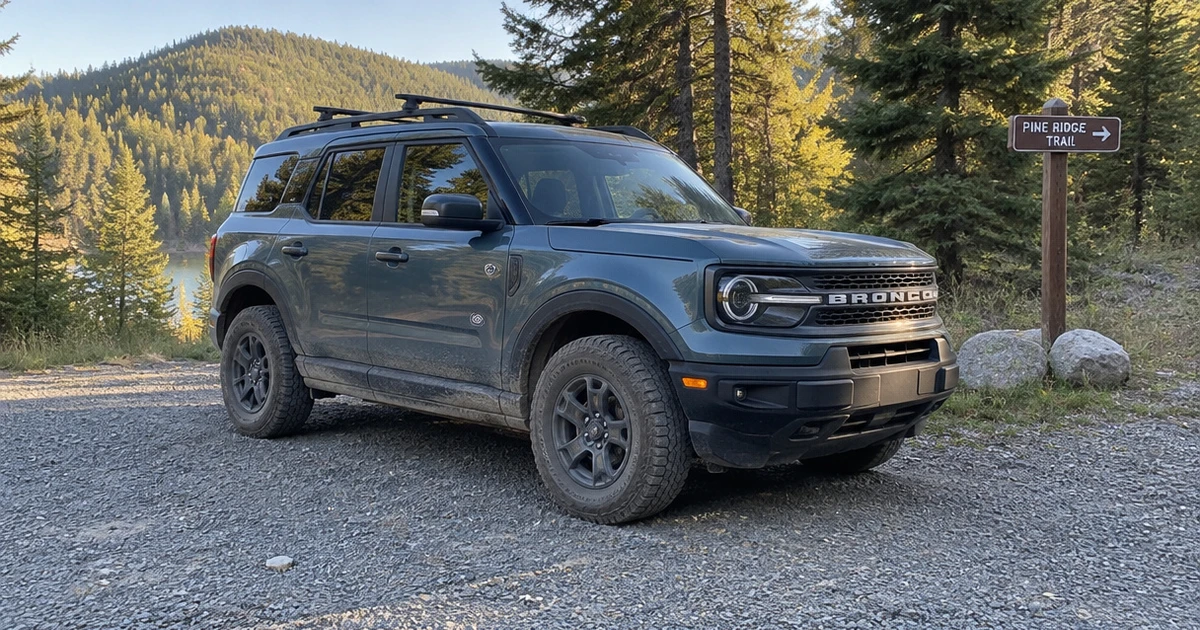
Your Bronco Sport’s trim, wheel setup, and regular routes should guide your choice. Start with the tire requirements on the vehicle, then weigh grip, comfort, and expected upkeep. A tire built for occasional gravel may feel tiring on a long commute, while a road-focused design may not suit frequent snow or rough tracks.
Fitment and Load Rating
Check the tire placard on the driver’s door jamb and your owner’s manual before you shop. Match the full size code, load index, and speed rating, not just the wheel diameter. Trims can use different fitments, and a similar-looking size may change clearance, handling, or speedometer readings.
Keep the replacement size within the vehicle maker’s approved range. If you want a taller or wider tire, ask a tire professional to check wheel width, suspension clearance, and spare-tire fit.
The vehicle’s AWD system works best with closely matched tires. If wear leaves a large difference in rolling circumference, have a shop check whether you need four new tires.
Roads and Terrain
Start with the roads you drive most. Highway use favors a closed tread pattern and stable center ribs, which help keep steering calm and road hum low. Gravel routes need open grooves and stronger shoulder blocks to resist cuts and clear loose stones.
Deep mud and rocks call for tougher, more open tread, though that pattern can feel louder and less settled on pavement. Keep your actual trail frequency in view.
- Mostly pavement: focus on wet grip, comfort, and wear.
- Regular gravel: favor open grooves and sturdy shoulders.
- Frequent rough trails: seek trail-focused tread and reinforced construction.
| Tread style | Best suited to | Trade-off |
|---|---|---|
| Touring or all-season | Commuting and pavement | Less bite on loose trails |
| Mild all-terrain | Mixed pavement and gravel | More tread hum |
| Trail-focused | Rough tracks | Firmer, louder road feel |
Wet and Winter Grip
Rain deserves as much attention as snow because worn or shallow tread can raise hydroplaning risk. Look for wide circumferential grooves and smaller sipes that channel water and add biting edges. For regular winter driving, check for the three-peak mountain snowflake mark, which signals a tire that meets a severe-snow traction standard.
An all-season tire may handle light snow, but it cannot match a dedicated winter tire on packed snow or ice. If your roads freeze often, winter tires give you better cold-weather grip. Plan to change them when temperatures stay mild.
Ride Comfort and Noise
Your commute can make tread noise and ride firmness hard to ignore. A highway-focused tread with smaller blocks and continuous ribs often rolls more quietly than a rugged pattern with large gaps. Check the tread design and tire comfort notes, but remember that cabin sound also depends on pavement, pressure, and vehicle condition.
If you drive long distances, a smoother tread and less stiff sidewall can reduce fatigue. If you often drive washboard gravel, firmer construction may resist damage better, though it can send more bumps into the cabin. Think about the roads you use most before trading comfort for trail traction.
Tread Life and Warranty
Compare treadwear information and the mileage warranty, but treat both as guides, not promises. U.S.
UTQG treadwear grades help you compare tires, yet each maker assigns its own grade, so comparisons work best within one maker’s range. Warranty terms may require regular rotations, service records, and replacement before the tread reaches a set limit.
Your alignment, tire pressure, load, and driving style affect wear along with the tread compound. If you carry gear or drive on rough roads, expect faster wear than with a gentle highway routine. Read the warranty terms before you buy so you know which maintenance steps they require.
Pressure and Regular Upkeep
Check tire pressure monthly and before a long trip. Use the cold-pressure number on the door placard, not the maximum printed on the tire sidewall. Rotate tires on the schedule in your owner’s manual, and ask a shop to check alignment if the tread wears unevenly or the vehicle pulls.
Use a tread-depth gauge or wear bars to track remaining tread, and replace tires before they lose safe wet-road traction. Inspect the tread and sidewalls for nails, cuts, bulges, or pressure loss. Regular checks can help you spot a problem before it strands you on a remote route.
Frequently Asked Questions
What tire size should I use on my Ford Bronco Sport?
Use the full size printed on the tire placard inside the driver’s door jamb, then confirm the load index and speed rating in your owner’s manual. Trim levels can use different setups. If you want a different size, ask a tire shop to check clearance, wheel fit, and spare compatibility first.
Are all-terrain tires a good choice for daily driving?
They can work well if your week includes gravel roads or campsites, but their tread often makes more noise than a highway tire and may feel less precise on pavement. For mostly city and highway miles, a mild tread design usually gives you a quieter ride and more predictable wet-road handling.
Do I need winter tires for snow?
Choose winter tires if you regularly drive on packed snow, ice, or roads that stay cold for long periods. A tire with the three-peak mountain snowflake symbol can handle severe snow conditions better than a standard all-season tire, but ice still calls for extra care. Keep tread deep and reduce speed when roads turn slick.
Can I replace only one or two tires?
Replacing one or two tires can leave a large tread-depth difference across the vehicle, which may affect handling and add strain to the AWD system. Ask a tire shop to measure the remaining tread and compare it with the vehicle maker’s limits. If the difference exceeds them, replace all four as a matched set.
What tire pressure should I use?
Use the cold tire pressure on the placard inside the driver’s door jamb, not the maximum pressure printed on the tire sidewall. Check pressure at least monthly and before long drives, since temperature changes can alter it. Follow the rotation schedule in your owner’s manual to help the tires wear evenly.