
This post may contain affiliate links. As an Amazon Associate I earn from qualifying purchases. If you choose to make a purchase, I may earn a small commission at no extra cost to you.
Hot pavement can raise tire temperatures and expose weak grip, fast wear, or a harsh ride. The best tires for hot climate suit your vehicle and the roads you drive, not just the weather forecast.
As you shop in 2026, this guide explains what heat does to tires and which features matter for dry roads, sudden rain, long commutes, and rough routes.
The reviews also cover choices for sports cars, family vehicles, and trucks, so you can match a tire to your daily needs.
Our Top Hot-Climate Tires Picks




More Details on Our Top Picks
Pros
- Dual-compound tread balances dry grip and wet braking
- Aramid-and-nylon belt sharpens steering response
- Stable handling at high speeds
- Designed for warm-weather performance
Cons
- Summer compound loses grip in cold temperatures
A dual-compound tread gives the Michelin Pilot Sport 4S the mix you want for hot-weather driving: strong dry grip with confident wet braking. Michelin uses different rubber compounds across the tread to balance those jobs.
Its Dynamic Response Technology combines aramid and nylon in the belt beneath the tread. That construction helps the tire respond quickly to steering inputs and hold its shape through fast corners.
On dry pavement, you get direct steering and stable cornering when you push the car. The tread also uses silica-rich rubber on the inner section to maintain grip when rain hits warm roads.
Michelin developed this summer tire from endurance-racing experience, and its reputation for high-speed control suits sports cars and performance sedans.
Bottom line: Choose the Michelin Pilot Sport 4S for a performance car that sees warm roads and needs precise steering with strong wet braking.
Pros
- Adaptive tread design responds to changing driving loads
- BlackChili compound balances grip and tread life
- Strong wet and dry performance
- Includes a 60-day trial
Cons
- Firm performance tuning can pass sharp impacts into the cabin
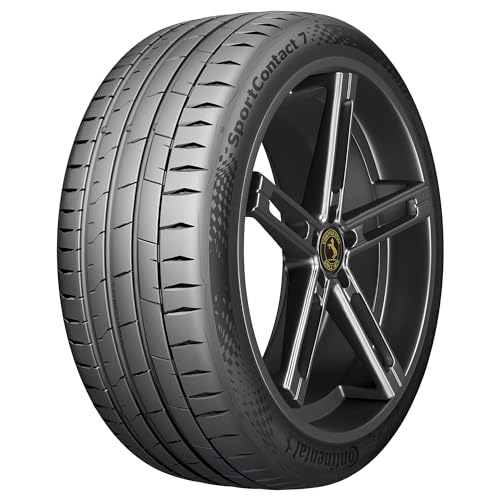
Continental’s track-derived design gives the SportContact 7 a clear focus on control when you drive hard in warm weather. Its adaptive tread design changes how the tread works under different loads, helping the tire stay composed through fast turns.
The BlackChili compound combines grip with a focus on tread life. On dry pavement, the tire responds quickly to steering and gives you a planted feel as speed rises.
Wet performance matters just as much on hot roads, where a sudden shower can change the drive. The SportContact 7 channels water through its tread and maintains traction during wet braking, so you can keep a steady feel in changing conditions.
Continental tunes the SportContact 7 for high-performance cars and original-equipment use. A 60-day trial adds a useful window to judge how it behaves on your own routes.
Bottom line: The Continental SportContact 7 fits drivers who want track-influenced handling for fast road driving in warm weather.
Pros
- Asymmetric tread supports quick turn-in
- Dry Contact Plus technology boosts dry-road control
- Wet Braking Pro compound improves wet traction
- Tread pattern helps limit road noise
Cons
- Coarse pavement can still create noticeable cabin hum
If warm-weather roads are part of your daily drive, the Goodyear Eagle F1 Asymmetric 6 gives you responsive handling without a track-only feel. Its asymmetric tread places rubber where it can keep steady contact through quick turns.
Dry Contact Plus technology helps the tire maintain grip during hard cornering and braking. Goodyear’s Wet Braking Pro technology uses a flexible tread compound to keep traction on wet pavement, a useful feature when summer rain arrives.
The tread pattern also limits road noise, while the tire’s lighter construction helps it feel nimble. You get quick steering response on dry roads and a calmer cabin during regular highway miles.
The Eagle F1 Asymmetric 6 brings performance features to a tire suited to both spirited drives and routine travel.
Bottom line: Consider the Goodyear Eagle F1 Asymmetric 6 if you want precise warm-weather handling with a quieter feel for daily driving.
Pros
- All-season traction with performance-focused handling
- Circumferential and lateral grooves channel water
- Full-depth 3D sipes maintain tread edges
- 50,000-mile limited treadwear warranty
Cons
- Steering feels less crisp than a summer-only UHP tire
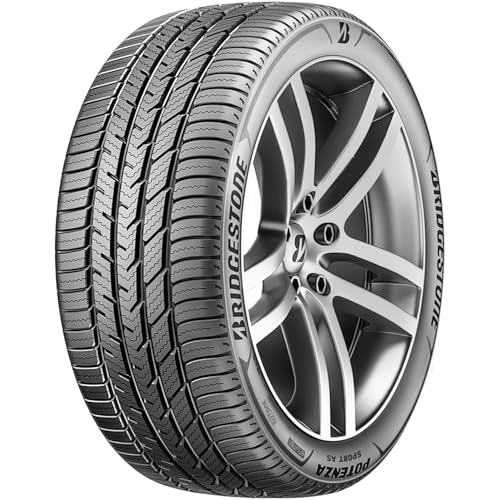
Rain after a hot afternoon can leave standing water across the road, and the all-season Bridgestone Potenza Sport has tread features made for that change. Circumferential and lateral grooves move water away from the contact area to help resist hydroplaning.
Bridgestone uses its PeakLife tread compound to promote long wear, while full-depth 3D sipes add gripping edges throughout the tread’s life. The open shoulder design also gives the tire more tread area for traction.
On warm pavement, the Potenza Sport delivers a performance-focused feel while keeping all-season traction in the mix.
Bridgestone backs the tire with a 50,000-mile limited treadwear warranty.
Bottom line: The Bridgestone Potenza Sport suits drivers who want sporty handling in a warm climate with traction for changing weather.
Pros
- EverGrip technology targets wet braking
- High-performance compound supports wet traction
- Tread pattern focuses on lasting performance
- Built-in treadwear indicators show remaining tread
Cons
- Summer tread lacks the cold-weather range of an all-season tire
In everyday driving, the Michelin Primacy 4+ puts wet braking near the center of its design. Its EverGrip technology combines tread design and a high-performance rubber compound to maintain traction when warm roads turn slick.
The tread pattern supports even, long-lasting performance rather than a sharp track-focused feel.
Michelin also includes treadwear indicators that give you a clear way to judge how much tread remains. On hot pavement, the tire delivers the composed road manners you expect from a touring design, while its wet braking focus comes into play during sudden summer showers.
You get wet-road confidence and a tread pattern designed to keep its performance over time.
Bottom line: Go with the Michelin Primacy 4+ for touring comfort and dependable wet braking on warm-weather commutes and road trips.
Pros
- High-grip silica compound suits warm-weather driving
- Interlocking outer grooves improve wet-road grip
- Responsive handling for spirited drives
- Summer tread design supports performance use
Cons
- Firm impacts can come through on rough pavement
A high-grip silica compound gives the Hankook Ventus S1 evo3 its warm-weather focus. This summer tire pairs that rubber with interlocking outside grooves that grip wet pavement and help clear water from the tread.
On dry roads, the Ventus S1 evo3 feels ready for quick steering and firm cornering.
The outside grooves also matter when rain arrives on a hot day. They give the tread edges more contact with wet pavement, helping the tire maintain traction rather than feeling unsettled through turns.
Hankook designed the Ventus S1 evo3 for high-performance summer use, so its strengths show up on warm roads.
Bottom line: The Hankook Ventus S1 evo3 suits you if sharp handling and wet grip matter most on warm-weather roads.
Pros
- 80,000-mile limited treadwear warranty
- Locking 3-D Sipes add wet and dry grip
- All-season traction suits changing weather
- Designed for long tread life
Cons
- Touring tread feels less sharp during aggressive cornering
Long-mileage drivers will appreciate the Michelin Defender 2’s focus on tread life. Michelin redesigned this all-season tire for extended wear and backs it with an 80,000-mile limited treadwear warranty.
Its Locking 3-D Sipes create biting edges across the tread to support stopping on wet and dry pavement. That grip comes in handy when hot, dry roads turn slick during a summer storm.
The Defender 2 works well for cars, crossovers, and minivans that spend plenty of time on the highway. It gives you a steady touring feel for daily trips, with all-season traction for weather changes beyond the hottest months.
Bottom line: The Michelin Defender 2 fits drivers who value long tread life and steady all-season performance for daily miles.
Pros
- EverTread 2.0 compound targets long wear
- Designed for pickups and full-size SUVs
- Quiet, comfortable highway manners
- All-season traction for wet roads
Cons
- Highway tread offers limited grip in deep mud
For a pickup or large SUV that spends most of its time on paved roads, the Michelin Defender LTX M/S2 offers a highway-focused tread with an emphasis on comfort. Michelin designed it for the weight and demands of modern trucks and full-size SUVs.
The tire’s EverTread 2.0 compound targets long tread life, a useful trait for heavy vehicles that cover many warm-weather highway miles. Its all-season design also gives you dependable traction when rain interrupts a hot, dry drive.
On the road, the Defender LTX M/S2 aims for a quiet, composed ride rather than an aggressive off-road feel.
Michelin’s Defender LTX M/S2 carries the line’s focus on lasting tread and everyday comfort.
Bottom line: Choose the Michelin Defender LTX M/S2 for a truck or SUV that spends most of its time on warm, paved roads.
Pros
- CoreGard Technology strengthens sidewall protection
- Advanced Deflection Design sheds sticks and stones
- Serrated shoulders and mud-phobic bars add traction
- 50,000-mile limited treadwear warranty
Cons
- Tread creates more road noise than a highway tire
Sidewall protection is a key part of the BFGoodrich All-Terrain T/A KO3’s design for drivers who leave paved roads behind. Its CoreGard Technology draws on Baja racing experience to build a tougher sidewall for rough routes.
The Advanced Deflection Design helps push sticks and stones away from the sidewall, while the all-terrain compound and tread pattern target durability on gravel. Those features suit hot-climate trips across rocky tracks, dusty roads, and construction sites.
Serrated shoulders and mud-phobic bars add grip when the route turns muddy or snowy. On paved sections, the KO3 still gives you a capable drive for a truck or SUV that moves between road and trail.
BFGoodrich backs the All-Terrain T/A KO3 with a 50,000-mile limited treadwear warranty.
Bottom line: The BFGoodrich All-Terrain T/A KO3 suits truck and SUV drivers who tackle gravel, mud, and rough roads in hot climates.
Factors to Consider When Choosing Tires for Hot Climate
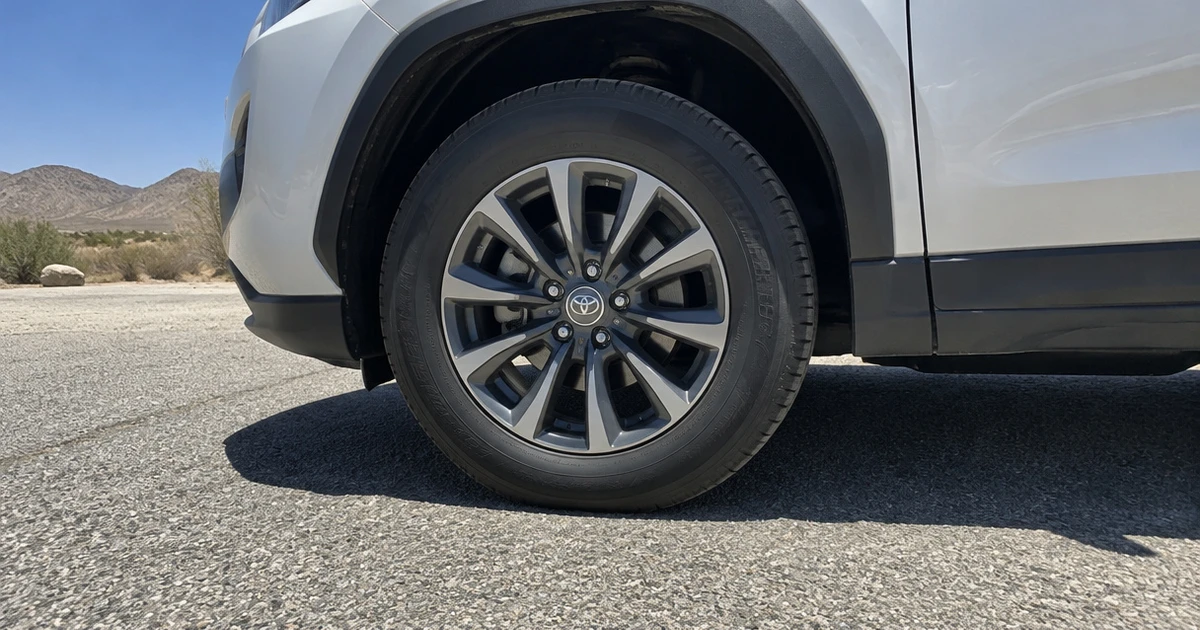
Warm weather alone does not tell you which tire to buy. Match the tire’s design to your vehicle, roads, driving pace, and rainy-season conditions.
Tread Compound and Heat
Tire compounds affect grip, wear, and how the tire responds as the road heats up. Summer tires focus on warm-weather handling and often give you sharper steering on dry pavement. Touring and all-season tires suit drivers who value everyday comfort and broader seasonal use.
Think about your routine before you choose. If you drive briskly on paved roads, a performance-focused design may give you more precise cornering.
For long commutes, a touring tire can make more sense if you value a quiet ride and steady wear. A tire’s design matters more than a simple claim that it handles heat.
Pressure, Load, and Speed Rating
Heat, underinflation, and heavy loads can all increase stress on a tire. Check pressure when the tires are cold, and use the pressure shown on your vehicle’s door placard or in its manual. Do not lower pressure just because a warm tire reads higher after driving.
Before buying, check these items against your vehicle manual:
- Use the recommended tire size and load index.
- Choose a speed rating that meets the vehicle’s requirements.
- Check cold pressure at least monthly and before long trips.
A higher speed rating does not make fast driving safe. It only reflects a tire’s tested speed capability under set conditions.
Wet-Road Grip
Hot regions can still bring heavy rain. Tread grooves help move water away from the contact area, while worn tread gives water less room to escape. If you drive through frequent downpours, look for a tire with a tread design suited to wet roads and check its depth as it wears.
Different tire types make different trade-offs. Use this broad guide as a starting point, then check the tire’s fit for your car and local weather.
| Tire type | Useful for | Trade-off |
|---|---|---|
| Summer | Warm, paved roads | Limited cold-weather use |
| All-season | Mixed conditions | Less focused warm-weather grip |
| Touring | Comfort and daily driving | Less sporty response |
| All-terrain | Rough roads and trails | More road noise |
Tread Life and Heat Aging
High temperatures and strong sun can speed up tire aging, even when the tread still looks usable. Check for cracks, bulges, uneven wear, or other damage, and follow the vehicle and tire makers’ advice on inspection and replacement. A tire’s age matters alongside its tread depth.
Regular care can help you get more even wear. Keep pressure at the recommended level, rotate tires on the schedule in your manual, and fix alignment or suspension problems when you spot uneven wear. If you park outside for long periods, shade can limit direct sun exposure.
Vehicle Fit and Road Type
Start with the size, load index, and speed rating approved for your vehicle. A tire that does not match those needs can affect handling and load capacity. Then consider how you use the vehicle: a quiet highway commute calls for different strengths than towing, city driving, or frequent gravel roads.
Ride comfort and noise can matter as much as grip if you spend hours behind the wheel. For trucks and SUVs, choose a design that fits your usual mix of pavement and rough surfaces. Aggressive tread can help off-road, but it may add noise and feel less settled on smooth roads.
Match Your Tires to the Heat and the Road
The Michelin Pilot Sport 4S suits drivers who want a balanced high-performance tire, while the Continental SportContact 7 targets strong grip at speed. For quieter precision, consider the Goodyear Eagle F1 Asymmetric 6; the Bridgestone Potenza Sport and Hankook Ventus S1 evo3 suit drivers focused on warm-weather handling. The Michelin Primacy 4+ puts wet-road touring first.
For long-wear daily driving, the Michelin Defender 2 is a touring option, while the Michelin Defender LTX M/S2 focuses on truck comfort. Choose the BFGoodrich All-Terrain T/A KO3 if rough roads matter most. Your best match depends on your vehicle, route, and priorities.
Frequently Asked Questions
Are summer tires a good choice for hot weather?
Summer tires often suit warm, dry roads because their tread and compounds focus on warm-weather grip and steering response. They may not suit places with freezing temperatures, snow, or ice. Check the weather across your full driving year before choosing a summer tire for everyday use.
Does heat raise tire pressure?
Yes. Pressure rises as a tire warms during driving, and hot weather can add to that change. Check pressure when the tires are cold, before driving or after the vehicle has been parked for several hours. Do not release air from a warm tire just to match the cold-pressure target.
How often should I check tire pressure in a hot climate?
Check your tires at least once a month and before long trips. Use a reliable gauge when the tires are cold, and follow the pressure listed on your vehicle’s door placard or in its manual. Also check after a sharp temperature change or if a tire looks low.
Can all-season tires work in a hot climate?
Yes. All-season tires can work well for daily driving in warm places, especially if you want one set for changing conditions. They may not offer the same warm-weather cornering response as a summer tire. Your choice should reflect local winter weather and how you drive.
How can I help tires last longer in hot weather?
Keep pressure at the vehicle maker’s recommended level, rotate tires on schedule, and fix alignment problems that cause uneven wear. Inspect the tread and sidewalls for damage, and avoid carrying more than the vehicle’s rated load. Parking in shade can reduce long exposure to direct sun.