
This post may contain affiliate links. As an Amazon Associate I earn from qualifying purchases. If you choose to make a purchase, I may earn a small commission at no extra cost to you.
Rain can turn an ordinary commute into a test of your tires. Worn tread, standing water, and sudden braking all cut into grip, and a tire that feels secure on dry pavement may react differently on a soaked road.
A good rain tire channels water through its tread, holds the road, and suits your climate, vehicle, and driving style.
The choices below cover year-round driving, SUVs, sporty handling, and quiet touring, helping you find the best tires for rain you can buy in 2026.
Our Top Rain Tires Picks


More Details on Our Top Picks
Pros
- Strong wet braking and cornering grip
- Responsive steering feel
- Sporty handling on dry roads
- Well-regarded performance tire
Cons
- Summer use limits cold-weather driving
- Aggressive driving can shorten tread life
Michelin Pilot Sport 4S earns its place near the top of rain-focused tire picks by pairing strong wet braking with sharp handling. It suits drivers who want a summer tire that keeps a performance car composed when rain hits.
Its tread uses separate rubber compounds across the inner and outer sections, balancing wet grip with dry-road cornering. Michelin also uses a reinforced belt to support quick steering response, so the tire feels direct when you change lanes or take a sweeping turn.
On wet pavement, the Pilot Sport 4S gives you reassuring traction and braking without dulling the car’s sporty feel. Owners often praise its grip and steering precision over time, though hard driving can wear the tread faster than a touring tire.
This tire works best in warm weather. Its summer compound loses grip in cold conditions, and it does not suit snow or icy roads; standing water still calls for sensible speeds. You get a more focused rain tire than an all-season option, with comfort and long wear taking a back seat to performance.
Bottom line: Choose the Michelin Pilot Sport 4S if you drive a sporty car in warm, rainy conditions and want precise handling. Skip it if you need one tire for winter weather.
Pros
- Confident wet braking and cornering
- Useful light-snow traction
- Responsive feel for an all-season tire
- Tread wear indicators show changing capability
Cons
- Less capable than a winter tire in severe snow
- Ride can feel firm on rough roads
Continental ExtremeContact DWS06 Plus stands out among rain-ready all-season tires for its blend of wet grip and responsive handling. It gives you a practical choice for changing weather without the softer feel of many comfort-focused touring tires.
Continental’s SportPlus Technology supports grip and steering response, while the asymmetric tread channels water away from the contact area. Tread markings show whether the tire retains its intended dry, wet, and snow performance, a useful visual guide as the tire wears.
In rain, the DWS06 Plus brakes confidently and feels stable through turns. It also handles light snow better than a summer tire, making it a useful option if your weather changes across the year. Owners often praise its road manners and grip, though driving style and alignment affect how long the tread lasts.
The tire’s winter ability adds flexibility, but it does not replace a dedicated winter tire in severe snow and ice. Its sporty focus can also bring a firmer ride than a comfort-first touring model. A limited treadwear warranty supports its everyday use, though it does not guarantee a specific lifespan.
Bottom line: Pick the Continental ExtremeContact DWS06 Plus if you want an all-season tire with strong rain grip and some winter flexibility. It fits drivers who value responsive handling over a plush ride.
Pros
- Strong wet braking
- Certified for severe snow conditions
- Useful grip across seasons
- Long-lasting tread for many drivers
Cons
- Road noise can stand out on some vehicles
- Less precise than a performance tire
Michelin CrossClimate2 is a strong rain pick for drivers who want one tire to cover changing seasons. Its wet braking and year-round grip help it stand apart from ordinary all-season tires, especially if your route also brings occasional snow.
The directional tread uses a sharp V-shaped pattern to move water away from the contact area. Michelin pairs that layout with a compound built to work across a wide range of temperatures, and the three-peak mountain snowflake mark confirms its rating for severe snow conditions.
In rain, the CrossClimate2 feels secure under braking and steady on damp roads. It also gives you more winter traction than a standard all-season tire. Owners often value its long service life and dependable year-round manners, while some notice more road hum and a firmer ride than comfort-focused touring tires.
Michelin designed this tire for broad seasonal use, not sharp sports-car responses. Its winter grip helps in snow, but it cannot match a dedicated winter tire on ice or in deep snow.
Bottom line: Choose the Michelin CrossClimate2 if rain, dry roads, and occasional snow all fall within your regular driving year. It suits drivers who want capable seasonal coverage from one set of tires.
Pros
- Responsive handling in wet conditions
- Asymmetric tread supports cornering
- Quieter ride than many sporty tires
- Light construction supports quick responses
Cons
- Not suited to snow or icy roads
- Hard driving can wear tread quickly
Goodyear Eagle F1 Asymmetric 6 earns a spot among rain tires for drivers who want quick responses on wet roads. This performance tire pairs wet traction with a quieter ride than you might expect from a sporty design.
Its asymmetric tread helps the tire respond in turns, while a flexible compound adapts to the road surface in wet conditions. Goodyear also shapes the tread to keep road noise down and uses a light construction to support responsive handling.
On damp pavement, the Eagle F1 Asymmetric 6 gives you confident grip and a controlled feel through corners. Owners often value its steering response and comfort during everyday driving, along with its ability to handle spirited use. Its performance-focused character makes it feel more alert than a typical touring tire.
This is a summer performance tire, so cold weather and snow fall outside its strengths. Its focus on grip and handling also means you should not expect the long tread life of a comfort-oriented touring tire, especially if you drive hard.
Bottom line: Pick the Goodyear Eagle F1 Asymmetric 6 if you want a summer performance tire with sure wet-road handling. It fits drivers who value steering response and a relatively quiet ride.
Pros
- Designed for year-round traction
- Certified for severe snow conditions
- Comfortable touring character
- Limited treadwear warranty
Cons
- Less responsive than a performance tire
- Dedicated winter tires suit harsh snow better
Pirelli Cinturato WeatherActive earns a place among the best rain tires for drivers who need wet grip in every season. Its all-weather design also brings added winter traction, so you can keep one set on the car as conditions change.
The tire carries the three-peak mountain snowflake rating for severe snow use. Its tread and rubber compound support traction across varied temperatures, while open channels help move water out from beneath the tire on wet roads.
In rain, the Cinturato WeatherActive offers a reassuring touring feel rather than a sharp, sporty response. Owners often value its comfort and dependable grip through changing weather. Pirelli backs it with a limited treadwear warranty, though real tread life still depends on road conditions, tire care, and driving habits.
Its all-weather design makes it more versatile than a summer tire, but a dedicated winter tire can offer better control in harsh snow and ice.
Bottom line: Choose the Pirelli Cinturato WeatherActive if you want one touring tire for rain and changing seasons. It suits drivers who encounter some snow but do not need a dedicated winter setup.
Pros
- Confident wet-road braking
- Quiet, comfortable ride
- Useful traction in light snow
- Long treadwear warranty
Cons
- Less sharp steering than a performance tire
- Not intended for severe winter conditions
Continental PureContact LS is a rain-ready touring tire for drivers who value wet braking, a quiet ride, and long tread life. It earns its place here by balancing everyday comfort with useful grip when roads turn slick.
Continental’s EcoPlus Technology helps the tire reduce rolling resistance and maintain wet-road traction. Its tread also includes visual indicators that help you track changes in performance as it wears, while the overall design aims to keep road noise low.
On wet roads, the PureContact LS feels composed and brakes with confidence for a touring tire. It handles light snow, too, giving you extra flexibility when the weather shifts. Owners often praise its quiet ride and steady wear, though tire pressure and alignment still play a large part in tread life.
A long treadwear warranty supports the tire’s everyday appeal, but its comfort-first design does not deliver the quick steering feel of a performance model. Its snow grip suits light conditions rather than severe winter weather.
Bottom line: Pick the Continental PureContact LS if you want a comfortable daily tire with wet grip and a long-wear focus. It suits drivers who face rain often and only light snow.
Pros
- Grooves help clear water and slush
- Severe-snow capability
- Comfortable ride with controlled steering
- Tread features support wet grip as it wears
Cons
- Not a replacement for a winter tire in severe conditions
- Less sporty steering feel
Goodyear Assurance WeatherReady 2 is a capable rain tire for drivers who also want traction in snow. Its water-clearing tread and all-season design make it a good fit for daily driving through changing weather.
Goodyear’s AquaTred Technology uses sweeping grooves to move water and slush out of the tread. Evolving traction grooves help preserve water evacuation as the tire wears, while a flexible tread compound supports grip across the seasons.
On rainy roads, the Assurance WeatherReady 2 gives you a stable feel and dependable handling. Comfort inserts help limit bumps and steering vibrations, and varied tread block sizes help keep the ride quieter. Owners often value the wet grip and everyday comfort, though tread life can vary with vehicle setup and driving habits.
The tire also carries a severe-snow designation, which gives you more winter ability than a standard all-season tire. It still cannot match a dedicated winter tire in deep snow or on ice.
Bottom line: Choose the Goodyear Assurance WeatherReady 2 if you drive through frequent rain and want added snow traction. It suits daily drivers who value comfort and steady control.
Pros
- Strong wet-road water evacuation
- Certified for severe snow conditions
- Tread features support grip as the tire wears
- Useful year-round traction
Cons
- Less sharp handling than a summer performance tire
- Not a dedicated tire for icy roads
Bridgestone WeatherPeak gives you all-weather traction with a strong focus on wet roads and winter grip. It earns a place in this rain roundup because its tread design moves water out while keeping useful traction as the tire wears.
Open shoulder slots help drain water, and a groove channel supports water evacuation through the tread. Bridgestone also uses full-depth sipes and evolving tread cuts to maintain wet and snowy grip over time, while snow vices help the tire gain traction in packed snow.
The WeatherPeak carries the three-peak mountain snowflake mark, so it suits drivers who face more than light winter conditions. Owners often appreciate its year-round traction and stable feel in rain. Its touring design favors comfort and security over the quick steering response you get from a summer performance tire.
That extra winter ability does not make it a dedicated snow tire, especially on ice or in deep snow. The tread can also feel less quiet and direct than a road-focused touring tire on some vehicles.
Bottom line: Pick the Bridgestone WeatherPeak if your vehicle sees rain throughout the year and regular winter weather. It suits drivers who want one tire for wet roads and seasonal snow.
Pros
- Wide grooves help evacuate water
- Responsive all-season handling
- Siping supports wet grip and ride comfort
- Limited treadwear warranty
Cons
- Less capable than a winter tire in severe snow
- Firmer ride than comfort-focused touring tires
Pirelli P Zero All Season Plus is a performance-focused all-season tire with strong wet-road manners. It earns its place here by blending responsive handling with tread features that help move water and slush away.
The asymmetric tread supports cornering and braking, while four wide grooves channel water out from beneath the tire. Dense sipes add grip on wet pavement and help soften road noise, giving the tire a more comfortable feel than some sporty alternatives.
In rain, the P Zero All Season Plus feels composed and responsive, making it a good match for performance-oriented sedans and coupes. Owners often value its handling and quiet ride in everyday use. A limited treadwear warranty supports regular driving, though actual tread life depends on alignment, road conditions, and driving style.
Its all-season design offers more flexibility than a summer tire, but it does not match a dedicated winter tire in severe snow or ice.
Bottom line: Choose the Pirelli P Zero All Season Plus if you want sporty handling with dependable wet-road grip. It suits drivers who need all-season flexibility but do not face severe winter conditions often.
Pros
- Quiet ride on many road surfaces
- Open shoulder slots help clear water
- Full-depth sipes support wet and snow grip
- Long treadwear warranty
Cons
- Less responsive than a performance tire
- Limited ability in severe winter weather
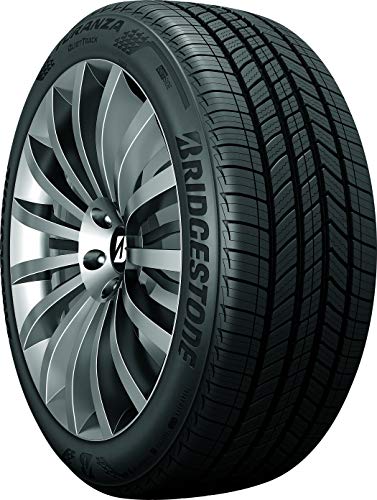
Bridgestone Turanza QuietTrack is a comfort-focused touring tire that handles rain while keeping road noise in check. It earns its place in this list for drivers who want calm daily travel and useful wet-weather traction.
Bridgestone’s QuietTrack package uses tread features that help reduce road noise, including ridges within the grooves. Open shoulder slots help move water away, while full-depth sipes support grip on wet and snowy roads as the tread wears.
In rain, the Turanza QuietTrack gives you steady touring manners and a comfortable ride. Owners often praise its quiet operation and even wear when they keep up with tire care. Bridgestone backs it with a long treadwear warranty, though the tire’s relaxed steering feel will not suit everyone.
Its all-season tread can handle some winter conditions, but it does not replace a dedicated winter tire in severe snow or ice.
Bottom line: Pick the Bridgestone Turanza QuietTrack if you want a quiet touring tire with dependable rain traction. It suits commuters and families who value comfort over sharp handling.
Factors to Consider When Choosing Tires for Rain
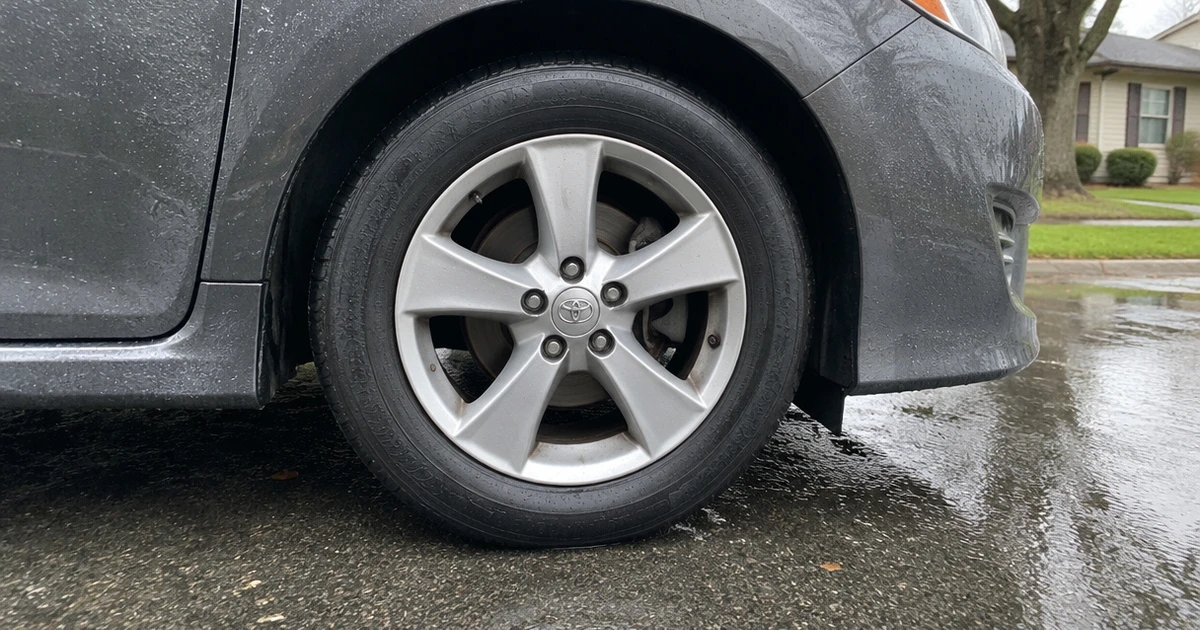
Rain performance depends on more than tread depth. Match the tire design to your climate and vehicle, then compare wet-grip information and maintenance needs. A good choice should clear water well, brake predictably, and fit the way you drive.
Tread Design and Water Control
Start with the tread face. Wide circumferential grooves and smaller lateral channels give water routes out from beneath the tire, which can reduce hydroplaning risk when water covers the road. Directional patterns can move water toward the sides, but the full design and rubber compound matter more than one striking groove.
Look across the whole tread, not only the center. If your roads collect water, favor clear drainage channels and avoid worn tread that leaves too little depth for water to escape.
- Deep main grooves give water a clear route out.
- Angled channels help move water toward tread edges.
- Even wear keeps the full tread working as designed.
Wet Braking and Grip
In markets with tire labels, check the wet-grip grade and compare tires of the same size and type. The grade comes from controlled wet-braking tests, so it gives you a useful comparison, not a promise about every road or vehicle.
Look for independent wet-braking results when you can find them, and focus on stopping distance rather than broad claims about handling. Strong wet-braking results matter most if you drive at highway speeds or face frequent rain, but you still need to slow down and leave extra space on slick pavement.
Check how the test conditions compare with your driving. A test on smooth pavement may not reflect the grip you get on rough roads, painted lines, or standing water.
Tire Type and Climate
Choose a tire category that matches the coldest weather you regularly drive through. Summer tires often deliver direct steering and strong wet grip in warm conditions, but they lose flexibility as temperatures drop and do not suit snow or ice.
All-season tires work across mild seasons, while all-weather tires carry a snow-service mark for added winter capability. Neither category replaces a dedicated winter tire in harsh cold or frequent icy conditions.
If rain dominates your year and snow stays rare, prioritize wet-grip results. If you face snow, check the severe-snow symbol and local winter rules before buying.
Think about your usual routes, too. A short city commute through mild winters calls for different seasonal coverage than regular drives over mountain roads or rural routes.
Size, Load, and Speed Ratings
Use the size and ratings your vehicle maker approves, not a guess based on appearance. The placard near the driver-side door or your manual lists the correct size and cold pressure. Keep the required load index and speed rating, especially if you often carry passengers or cargo.
| Check | Where to look | Why it matters |
|---|---|---|
| Tire size | Vehicle placard or manual | Matches the approved fit |
| Load index | Placard or manual | Supports the needed weight |
| Speed rating | Placard or manual | Meets the vehicle requirement |
Do not choose a lower load rating to change the ride. Some vehicles need reinforced tires to carry heavier loads. If you change wheel size, ask a tire professional to confirm the fit, clearance, and speed reading still suit your vehicle.
Tread Wear, Pressure, and Age
Check tread depth across the tire with a tread gauge, especially before the rainy season. Legal minimums vary by location, but tires lose wet-road grip as the tread wears. If you drive in regular rain, replace worn tires before they reach the legal limit.
Check pressure when the tires sit cold, and follow the vehicle placard rather than the maximum pressure printed on the sidewall. Correct pressure helps the tread meet the road as designed. Rotate tires on schedule and fix alignment problems to limit uneven wear.
Inspect sidewalls for cracks, bulges, or damage, and follow the tire maker’s guidance on age and replacement. A tire can look acceptable at a glance while worn shoulders or aging rubber reduce its grip in rain.
Picking Tires for Your Wet-Weather Roads
For wet-road control in a sporty summer tire, choose Michelin Pilot Sport 4S. Continental ExtremeContact DWS06 Plus suits drivers who want all-season grip, while Michelin CrossClimate2 fits year-round use.
Goodyear Eagle F1 Asymmetric 6 favors sporty handling, and Pirelli Cinturato WeatherActive offers all-weather touring. Continental PureContact LS leans toward comfort and long wear.
For SUV driving, Goodyear Assurance WeatherReady 2 targets wet-weather needs, while Bridgestone WeatherPeak adds a snow-ready all-weather option. Pirelli P Zero All Season Plus suits performance-minded all-season drivers, and Bridgestone Turanza QuietTrack favors quiet touring. Match your choice to your climate and vehicle, then keep its tread and pressure in good shape.
Frequently Asked Questions
Are all-season tires good in heavy rain?
They can be, but wet grip varies by tread design, rubber compound, and wear. Compare wet-braking results for the size and type you need, then check tread depth often. If your area gets heavy rain for much of the year, give wet performance more weight than mild-weather versatility.
How much tread do I need for rain?
Follow your local legal limit, but do not wait until your tires reach it if you drive in frequent rain. Tread channels need depth to move water away from the contact area. Use a tread gauge to check several points across each tire, since uneven wear can leave weak spots.
Can summer tires handle wet roads?
Many summer tires offer strong wet grip in warm conditions, but their performance depends on the design and tread condition. They do not suit snow or ice, and cold temperatures can reduce their flexibility. Check the tire’s seasonal limits and local weather before choosing a summer set.
Should I lower tire pressure when it rains?
No. Keep pressure at the cold level listed on your vehicle’s door placard or in its manual. Lowering pressure can affect handling and cause uneven wear. Check pressure regularly, since a tire can lose air over time even if it shows no obvious damage.
How often should I replace tires that still look fine?
Check tread depth, pressure, and sidewalls regularly, not just the visible tread center. Cracks, bulges, uneven wear, or aging can affect grip even when the tire looks usable from a distance. Follow the tire maker’s age guidance and ask a tire professional to inspect any damage.