
This post may contain affiliate links. As an Amazon Associate I earn from qualifying purchases. If you choose to make a purchase, I may earn a small commission at no extra cost to you.
If your truck leaves pavement, ordinary all-terrain tires can pack with mud or lose grip in deep ruts. Mud tires use open tread blocks and deep voids to clear muck, but that pattern can add road noise, reduce wet-road confidence, and wear faster on asphalt. Your choice should match the terrain you drive and how many road miles you cover.
A good set also needs the right fit and enough strength for your truck and trail use. Think about sidewall protection if you air down, along with comfort if you commute. This guide to the best Mud Terrain Tires you can buy in 2026 covers choices for different needs and the trade-offs behind them.
Our Top Mud Terrain Tires Picks


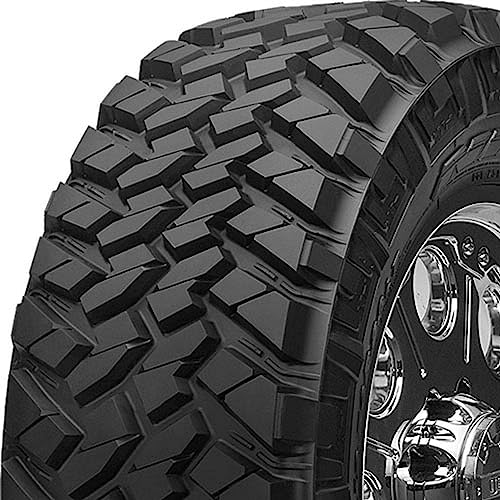



More Details on Our Top Picks
Pros
- Terrain-Attack blocks clear soft soil
- Krawl-TEK compound grips rock
- CoreGard Max strengthens vulnerable sidewall areas
- Sidewall bars add off-road bite
Cons
- Tread creates noticeable road noise
- Aggressive tread wears faster with frequent pavement driving
BFGoodrich Mud-Terrain T/A KM3 uses a Terrain-Attack tread with large blocks that bite into soft ground from several angles. Wide gaps between the blocks shed mud as the tire turns, so the tread can keep finding traction instead of packing with soil.
Its Krawl-TEK compound grips uneven rock, while the flexible tread design helps the tire conform to rough surfaces. You get a tire built for crawling as well as muddy trails, with sidewall traction bars that add bite when the tread cannot reach the ground.
BFGoodrich adds CoreGard Max sidewall protection, with thicker rubber in areas that face cuts and punctures. That extra defense matters when rocks and roots press against the tire during off-road driving.
The KM3 also uses a reinforced sidewall and a self-cleaning tread pattern for demanding trail work. It has an aggressive footprint, but its design still leaves room for controlled steering on the way to the trail.
This tire suits drivers who regularly tackle deep mud, rocky climbs, and rough backcountry routes. The sidewall design gives you another source of traction when the terrain gets especially uneven.
Bottom line: Choose the KM3 for serious trail use, especially if your routes include mud and rock. Its sidewall traction and puncture protection suit drivers who push beyond maintained roads.
Pros
- Deep channels move mud out of the tread
- Hook-shaped blocks bite into soft ground
- Shoulder lugs add traction in ruts
- Stone ejectors clear debris
Cons
- Road noise is pronounced
- Deep tread can feel less settled on pavement
For muddy trails and loose ground, the Toyo Open Country M/T relies on deep channels and chunky, hook-shaped tread blocks. Those open spaces give mud somewhere to move as the tire rolls, while the block edges dig into soft surfaces.
Large shoulder lugs extend the tread toward the sidewall, adding grip when you turn through ruts or travel across uneven ground. The tread also uses stone ejectors to push debris out of its grooves, helping prevent small rocks from lodging between the blocks.
Toyo builds the Open Country M/T with a strong casing for off-road use. Its deep tread and sturdy shoulder design give you traction across mud, gravel, and rough trails, while the aggressive layout provides a clear source of bite at the tire’s edges.
The hook-shaped tread blocks and open shoulder design are the key features here. They give the tire a direct, purposeful feel on soft terrain, where a packed tread can struggle to keep moving.
On paved roads, the large blocks produce a pronounced hum, especially as speed rises. The Open Country M/T puts its focus on off-road traction rather than a quiet ride.
Bottom line: The Open Country M/T fits drivers who spend a lot of time in mud, ruts, and loose dirt. Pick it for its open tread and substantial shoulder lugs.
Pros
- Deep sipes add wet-surface grip
- Reinforced shoulder grooves help in ruts
- Balanced voids help clear mud
- Tread pattern manages road noise
Cons
- Produces a steady highway hum
- Large tread blocks can feel firm on pavement
A mix of large tread blocks and detailed siping gives the Nitto Trail Grappler M/T a useful balance for changing trail conditions. Its staggered shoulder lugs dig into loose ground, while reinforced shoulder grooves add grip as you steer through ruts.
The tread’s deep sipes create extra biting edges on wet surfaces. Nitto also balances the open spaces and solid blocks to help the tire clear mud and dirt without giving up all of its contact area on firmer ground.
That design gives you a capable tire for rocky trails, wet roads, and muddy paths. The Trail Grappler M/T has a balanced void pattern that moves debris from the tread, and its reinforced shoulder grooves add traction near the edges.
Nitto uses a varied tread-block arrangement to manage the sound from its large lugs. You still hear a steady hum on pavement, but the pattern avoids the raw, constant roar that some drivers expect from a mud tire.
The Trail Grappler M/T’s combination of wet-weather siping and off-road shoulder lugs makes it useful across mixed routes. It keeps a more road-friendly character without losing its mud-terrain shape.
Bottom line: Consider the Trail Grappler M/T if your driving mixes trail time with regular paved routes. Its siping and shoulder grooves give you useful grip across varied conditions.
Pros
- Duraspec construction adds sidewall strength
- Raised shoulder blocks provide extra trail grip
- Heat Diffuser technology manages heat
- Tread works across varied off-road surfaces
Cons
- Tread noise is noticeable on highways
- Mud can collect in the shoulder grooves
Falken equips the Wildpeak M/T with a rugged tread and protected sidewalls for rocky off-road routes. Its Duraspec construction uses a three-ply sidewall in applicable versions, adding a layer of defense against sharp trail hazards.
The tire’s upper sidewall has raised blocks that reach beyond the main tread. Those lugs can add grip when you turn across ruts or press the tire against a rock, while the open tread channels give mud room to escape.
Falken’s Heat Diffuser technology works in the lower sidewall area to move heat away from the tire’s internal components. That feature helps manage heat during demanding off-road driving, while the Duraspec sidewall construction adds strength where trail damage often occurs.
On pavement, the Wildpeak M/T feels more composed than its rugged shape might suggest. The tread still makes itself heard at speed, but its block layout gives you a steadier road feel than a very open, loosely arranged pattern.
You get an aggressive shoulder design for added traction near the tire’s edge, plus a tread built to work across mud, gravel, and rock. The Wildpeak M/T brings its durability features to the fore without making the tread look overly complicated.
Bottom line: The Wildpeak M/T suits drivers who want added sidewall protection for rocky trails. Its Duraspec construction and raised shoulder lugs are useful on rough routes.
Pros
- Kevlar reinforcement helps resist punctures
- Open channels clear mud
- Asymmetric blocks provide off-road bite
- Strong shoulders grip through ruts
Cons
- Road noise increases at highway speeds
- Ride feels firm on smooth pavement
Kevlar reinforcement gives the Goodyear Wrangler MT/R with Kevlar extra defense against punctures and cuts. Goodyear pairs that material with an off-road tread designed to claw through mud and loose ground, giving the tire a clear focus on rough trails.
The tread has an asymmetric layout, with blocks shaped to find traction across changing surfaces. Open channels help the tire clear mud, while the sturdy shoulders add bite when you turn or work through deep ruts.
That Kevlar-reinforced construction is the defining feature. It adds strength to the tire without changing its basic role as a mud-terrain design, and the casing suits the knocks and scrapes that come with rocky routes.
The MT/R name has a long history in off-road use, and this version keeps the line’s rugged approach. Its large blocks offer the grip you need in loose soil, while the tread channels give mud a route out as the tire rotates.
On pavement, the aggressive pattern brings a firm ride and audible hum. The Wrangler MT/R with Kevlar makes its priorities plain through its reinforced build and trail-focused tread.
Bottom line: The Wrangler MT/R with Kevlar fits off-road drivers who place a high value on casing protection. Its reinforced construction suits routes with sharp rocks and rough ground.
Pros
- Silica-reinforced compound improves wet grip
- PowerPly sidewall adds puncture resistance
- SideBiters provide extra edge traction
- Tread geometry helps reduce noise
Cons
- Aggressive tread creates road hum
- Ride can feel firm on pavement
Mickey Thompson builds the Baja Legend MTZ around a silica-reinforced T4 compound and an aggressive tread. The silica compound supports wet-road grip while adding resistance to cuts and chips on rocky trails.
Its PowerPly three-ply sidewall construction adds puncture resistance and gives the tire a responsive feel. Four-pitch SideBiters vary in length and depth, so the sidewall can find purchase in loose dirt and uneven terrain.
The PowerPly three-ply sidewall and T4 silica compound give the MTZ a clear mix of toughness and wet-weather ability. Its block layout also uses varied geometry to reduce the repetitive sound that can come from large tread lugs.
You get a tire with prominent sidewall lugs and a bold, open tread for off-road driving. The SideBiters come into play when you need extra grip along the tire’s edge, such as while crossing a slope or working through a rut.
The MTZ also brings the wet handling and braking character of its silica compound to paved roads. Its mud-terrain tread remains audible, but the design does more than focus on soft-ground traction.
Bottom line: The Baja Legend MTZ suits drivers who want a tough mud tire with added wet-road grip. Its reinforced sidewall and SideBiters also fit rocky trail use.
Pros
- Armor Tek3 construction adds durability
- Stone ejectors help clear rocks
- Open tread channels move loose dirt
- Shoulder lugs add off-road grip
Cons
- Tread hum is clear on highways
- Ride feels firm on paved roads
Cooper’s Armor Tek3 construction gives the Discoverer STT Pro a tough foundation for demanding off-road driving. The design adds protection to the tire’s structure, while the aggressive tread focuses on traction in mud and other loose surfaces.
Stone ejectors sit in the tread to push rocks away as the tire rolls. That detail helps limit stone retention, a useful feature when gravel roads and rocky trails would otherwise trap debris between the blocks.
The Discoverer STT Pro also uses shoulder lugs and open channels to find grip in soft terrain. Its Armor Tek3 construction and stone-ejecting tread design give it a sturdy, trail-ready character, while the tread pattern maintains traction on paved roads.
Cooper describes this as its most extreme all-season off-road tire. You get a design intended to work through more than one kind of weather, with blocks that can bite into dirt and grooves that help clear loose material.
The deep tread and durable construction suit vehicles that see regular trail use. On the highway, the large blocks bring a distinct hum, and the ride feels less smooth than a road-focused tire.
Bottom line: The Discoverer STT Pro fits drivers who regularly travel over rocky ground and loose trails. Its stone ejectors and durable construction suit hard off-road use.
Pros
- Open channels shed mud
- DuraGen technology resists cuts and chips
- Stone bumpers help clear debris
- Sidewall lugs add edge traction
Cons
- Deep tread produces highway noise
- Large blocks feel rough on smooth roads
Open channels and large blocks give the General Grabber X3 a tread made to clear mud. Its pattern leaves room for packed soil to escape as the tire turns, helping the tread stay active on soft trails.
General’s DuraGen technology adds resistance to cuts and chips, which matters when sharp rock edges press into the tread. The design also uses stone bumpers to help dislodge debris, keeping the grooves clearer on gravel and rocky ground.
The DuraGen compound and stone-bumper details make the X3 more than a basic mud tire. Its sidewall lugs add traction close to the tire’s edge, while its open tread pattern works through mud and loose dirt.
You get a tire built for off-road traction with enough siping to add biting edges across wet surfaces. The block arrangement also provides a direct, planted feel as you work over uneven ground.
The Grabber X3’s tough tread and sidewall details give it a practical focus on trail durability. It is loud on pavement, as you would expect from a deep, open mud-terrain pattern.
Bottom line: The Grabber X3 works for drivers who need a tread that clears mud and handles rocky trails. Its stone bumpers and cut-resistant compound suit frequent off-road use.
Pros
- Large tread blocks bite into deep mud
- Dual sidewall designs offer two looks
- Waved sipes add wet-weather grip
- Multi-rib pattern manages heat and wear
Cons
- Tread noise is loud on pavement
- Aggressive blocks can feel rough at speed
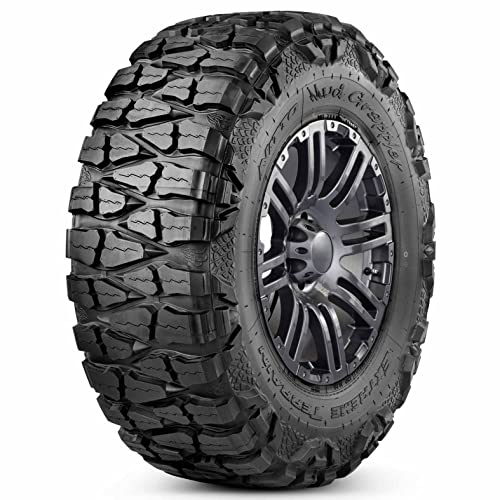
The Nitto Mud Grappler wears one of the most aggressive tread patterns in the mud-terrain category. Its tall, widely spaced blocks dig into loose ground, and its substantial shoulder lugs help the tire find traction in deep ruts.
Nitto gives each tire two sidewall designs: a traditional pattern on one side and a metal-fin look on the other. That lets you choose the appearance that faces outward, while both sides retain the raised features that help with off-road grip.
The tread uses a multi-rib layout to manage wear and heat, and waved sipes add biting edges for wet conditions. The open pattern gives mud and loose dirt a way out as the tire rotates, keeping the blocks available to grip.
On pavement, the Mud Grappler’s large lugs create a strong hum. Its design puts trail traction and a bold look first, with the sidewall styling adding a distinctive visual touch.
You get a tire made for trucks that see serious mud and rough terrain. The dual sidewall designs give it a custom appearance, while the widely spaced tread blocks take on soft ground.
Bottom line: The Mud Grappler suits drivers who want a bold sidewall and strong traction in deep mud. Its open tread and shoulder lugs are built for demanding trails.
Pros
- GEO-SHIELD construction supports off-road durability
- Sidewall armor guards against impacts
- Sipes add wet-surface traction
- Wide profile spreads driving pressure
Cons
- Tread noise carries onto highways
- Deep blocks feel firm on pavement
Yokohama’s GEO-SHIELD construction gives the Geolandar M/T G003 a durable base for off-road driving. Sidewall armor protects against trail impacts, while the sturdy design suits the sharp rocks and uneven ground that can challenge a mud tire.
The tread combines open spaces with sipes to give you traction in mud and on wet surfaces. Its void ratio leaves room for loose material to clear, and the tread edges help the tire grip as conditions change.
Yokohama uses a wide, flat tread profile to spread driving pressure across the contact area. That design works alongside GEO-SHIELD construction and sidewall armor to support durability and more even tread wear.
The Geolandar M/T G003 has a substantial tread with blocks that dig into soft ground. Its siping adds extra edges for wet braking and traction, so the pattern can do more than move through mud.
You hear the tread on pavement, but the tire gives you a stable feel on firmer roads. Its reinforced build and broad tread make it a capable choice for trucks that split time between roads and rough trails.
Bottom line: The Geolandar M/T G003 suits drivers who want a durable mud tire for mixed road and trail use. Its sidewall armor is useful on rocky routes.
Factors to Consider When Choosing Mud Terrain Tires
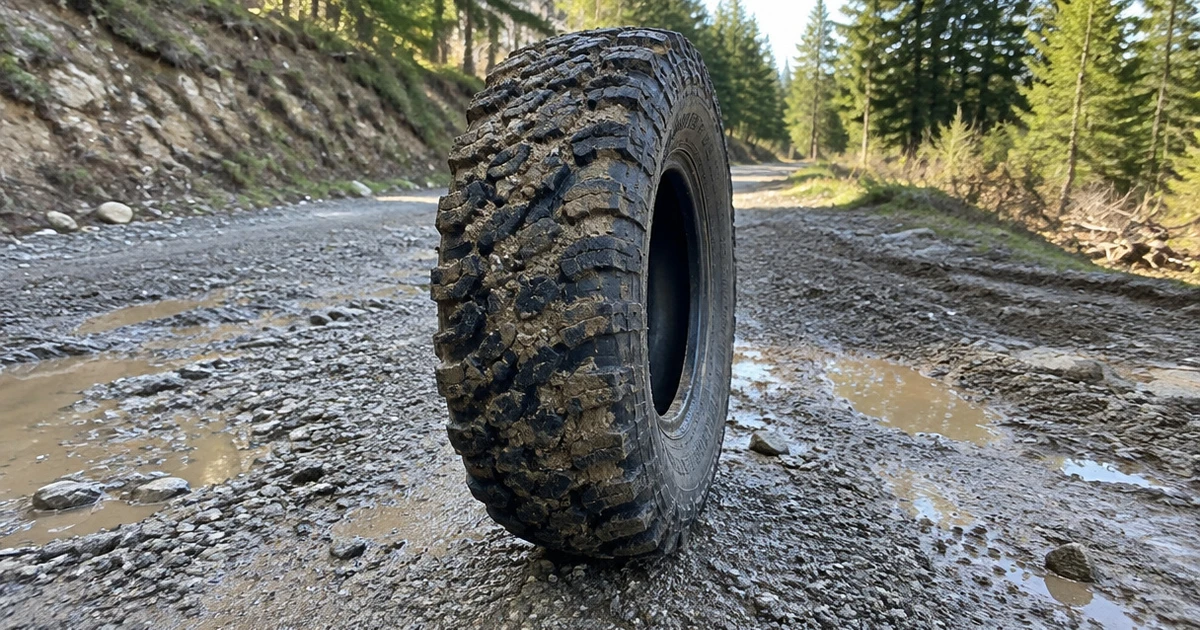
Start by matching the tire to the ground you drive and the weight your vehicle carries. Then check how its off-road strengths affect highway comfort, fit, and upkeep.
Tread Design and Terrain
Start with the ground you drive most, not the deepest mud you might see once a year. Wide gaps between tread blocks help a tire release sticky soil, while large lugs can bite into ruts and loose ground. For clay, seek an open pattern that clears packed mud, while broad tread blocks can add contact on rocky trails and resist chunking.
Check the shoulder lugs as well. They can help pull your truck through soft ruts, but aggressive blocks may add noise and make steering feel less settled on pavement. Use these traits to narrow your choices:
- Open voids for sticky clay and churned soil.
- Strong shoulders for soft ruts and uneven tracks.
- Closer center blocks if you spend more time on hard ground.
Fit and Load Rating
Check your owner’s manual and the tire placard on the driver’s door before you shop, then match the approved tire size, load index, and speed rating and confirm that your wheel width suits the tire. A tire that exceeds available clearance can rub at full steering lock or when the suspension compresses, and taller tires can change gearing and speedometer readings.
Load range and construction matter if you carry tools, tow, or pack your truck for trips. A heavier-duty tire can support more load at its rated pressure, but added stiffness may make an unloaded truck ride harder. Follow your vehicle maker’s limits and check loaded axle weights if your setup runs near capacity.
Sidewall Strength
If you air down on sharp rock, inspect the sidewall design and carcass construction rather than judging a tire by tread depth alone. Reinforced sidewall layers and protective ribs can help resist cuts and abrasion, while shoulder lugs add grip when you steer through ruts. No sidewall makes a tire immune to punctures, so match its strength to your trails and keep a repair kit and working spare on board.
Heavy-duty construction often brings more weight and a firmer ride. For frequent rocky trips, that trade can make sense; for mostly city driving, a lighter tire may suit you better. Check for cuts, bulges, and lodged stones after rough outings, and replace damaged tires rather than trusting a quick glance from far away.
Road Noise and Wet Grip
Expect a mud tire to sound louder than a road-focused tire, especially as the tread wears; large blocks can hum on highways and feel less precise during quick lane changes. Wet pavement deserves special attention: wide voids clear mud well, but less rubber touches the road at a given moment, which can reduce braking and grip in heavy rain depending on the tire, vehicle, and conditions.
If you commute often, check independent road and wet-braking tests for the exact tire size you plan to run. You can also look for a more continuous center tread, which may soften highway manners. Choose an aggressive design only if its off-road gain matters more to you than quiet travel.
Pressure and Upkeep
Plan for pressure checks, rotations, and alignment work, because uneven wear can ruin a set before the tread disappears. Set cold pressure to the vehicle maker’s recommendation for normal road use, not the maximum printed on the tire sidewall. Rotate at the schedule in your owner’s manual, and ask a shop to check alignment if the steering pulls or the tread wears unevenly.
On trails, lower pressure can help the tire flex and gain traction, but the right setting depends on load, wheel, terrain, and tire construction. Air down only when conditions call for it, avoid sharp obstacles, and reinflate before returning to road speed. Include a full-size spare in your plan if remote trips make a flat difficult to manage.
Frequently Asked Questions
Are mud terrain tires suitable for daily driving?
They can work for daily use if you accept more tread noise, firmer road manners, and faster wear than many road-focused tires. Rain also calls for extra care because aggressive tread can offer less wet-road grip. If your truck spends most of its time on pavement, weigh those trade-offs against how often you need deep-mud traction.
Are mud terrain tires good in snow?
Some handle loose snow well because their open tread can move snow out of the grooves, but packed snow and ice demand more than large lugs. Check for a winter rating and follow local rules. Drive gently, leave more stopping room, and remember that mud-focused tread does not guarantee strong grip on ice.
What pressure should you run in mud terrain tires?
Use the cold pressure listed by your vehicle maker for normal road driving, then adjust only for off-road conditions with a reliable gauge and a plan to reinflate. Do not use the tire sidewall’s maximum pressure as your everyday target. Load, wheel fit, and trail surface all affect safe pressure choices.
How long do mud terrain tires last?
Tire life depends on your driving habits, road mileage, load, pressure, alignment, and rotation schedule. Frequent pavement use and hard acceleration can wear aggressive tread faster than occasional trail driving. Check the tread and sidewalls regularly, and replace tires when wear or damage affects safe driving.
Do mud terrain tires need a lift kit?
Not always. Many vehicles can use tires that fit within their factory clearance, but a larger tire may rub during turns or suspension movement. Check your vehicle’s fit limits and the tire’s actual dimensions before changing sizes. A lift does not fix every fit issue, since wheel width and offset also affect clearance.