
This post may contain affiliate links. As an Amazon Associate I earn from qualifying purchases. If you choose to make a purchase, I may earn a small commission at no extra cost to you.
Your Mirage needs tires that fit its exact year and trim, but the right replacement also depends on where you drive. A quiet city commute, frequent rain, rough pavement, and long highway trips can call for different tread designs and ride qualities, even when the size matches.
Choosing the best tires for Mitsubishi Mirage in 2026 means balancing fit, wet grip, comfort, tread life, and fuel use. The options below cover distinct priorities, while the guide explains how to check compatibility and match a tire to your daily routes. You can use those details to narrow the field before comparing specific replacement choices.
Our Top Tires for Mitsubishi Mirage Picks




More Details on Our Top Picks
Pros
- 3D Canyon sipes add edges for ice braking
- Interlocking tread blocks steady dry-road handling
- Angled grooves aid traction on packed snow
- Symmetrical ribs promote even wear
Cons
- Deep-snow grip falls short of a dedicated winter tire
The 3D Canyon sipes give the Falken Sincera SN250 A/S extra edges for grip on icy roads. Their interlocking design also firms up the tread blocks under load, so the tire keeps a steadier feel on dry pavement.
Angled grooves and dense siping add biting edges for changing weather, including packed snow. Those features suit the stop-and-go pace of city driving, where you may face wet streets one day and a cold snap the next.
Falken uses a symmetrical rib pattern to promote even tread wear. The Sincera line also focuses on long-lasting touring performance, which can matter when your Mirage handles regular commutes and errands.
The SN250 A/S gives you a balanced approach to seasonal traction without a specialized winter-tire design. Its interlocking sipes and symmetrical tread make its road manners the main draw, while the angled grooves add useful snow traction.
Bottom line: The Falken Sincera SN250 A/S suits Mirage owners who want a balanced touring tire for changing weather and everyday road use.
Pros
- Four grooves channel water away from the tread
- Siped pattern adds wet-road grip
- Wide shoulders support cornering response
- Symmetrical tread reduces vibration and noise
Cons
- Touring-focused handling feels less sharp than a performance tire
A four-groove tread gives the Kumho Solus TA31 a clear route for moving water away from the contact area. Sipes add gripping edges, so the tire can handle wet roads while keeping its everyday touring focus.
Kumho pairs those grooves with wide shoulder blocks. The broad shoulders create a stable edge through corners and give steering a more direct response during lane changes or quick turns.
Its symmetrical tread pattern also reduces rolling resistance, vibration and road noise. That mix suits the steady pace of a Mirage commute, where a calm cabin and efficient rolling matter more than a track-focused feel.
The Solus TA31 favors predictable road manners over aggressive handling. You get water-clearing grooves for rainy days and a quiet, low-vibration character for daily pavement driving. Its touring design keeps the experience composed through routine trips.
Bottom line: If a quieter commute and confident wet-road manners top your list, the Kumho Solus TA31 deserves a place on your shortlist.
Pros
- Ecopia design targets lower rolling resistance
- Full-depth grooves move water through the tread
- Optimized blocks improve wet-road braking
- Backed by a 70,000-mile limited treadwear warranty
Cons
- SUV-oriented design may not suit a Mirage application
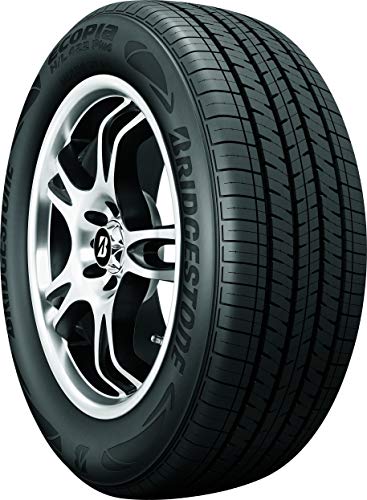
Fuel efficiency guides the design of the Bridgestone Ecopia H/L 422 Plus. Its Ecopia touring approach targets lower rolling resistance, giving you a sensible focus for a Mirage that spends much of its time on paved roads.
Bridgestone uses an optimized tread pattern to promote even wear and a comfortable ride. Full-depth grooves continue to channel water as the tread wears, while the block design improves wet-road braking compared with the earlier Dueler H/L 422 Ecopia.
The H/L 422 Plus also puts quiet highway manners near the center of its design. Bridgestone backs the tire with a 70,000-mile limited treadwear warranty, a useful sign of its long-distance touring intent.
This is a crossover- and SUV-oriented tire, so its design serves a different vehicle class from the Mirage. Its fuel-saving focus and water-clearing grooves remain its main strengths for drivers drawn to the Ecopia line.
Bottom line: Mirage owners drawn to the Ecopia H/L 422 Plus should weigh its efficiency and comfort focus against its SUV-oriented design.
Pros
- Silica compound targets lower rolling resistance
- Wide grooves move water and slush
- Shoulder blocks add edges for turning
- Jointless Band technology stabilizes the tire structure
Cons
- Fuel-saving design puts less emphasis on sporty handling
Wide circumferential grooves give the Dunlop Enasave 01 A/S a clear path for water and slush. That design targets hydroplaning resistance, which can bring welcome peace of mind on wet streets during a daily Mirage commute.
Dunlop adds silica to the tread compound to lower rolling resistance. The compound also supports the tire’s fuel-saving goal, while the symmetric tread keeps steady contact with the road for stable cornering.
Independent shoulder blocks add biting edges at the outer tread. They support maneuverability when you turn, and Dunlop’s Jointless Band technology helps stabilize the tire structure for a more comfortable ride.
The Enasave 01 A/S balances efficient rolling with routine all-season use. Its silica-enhanced compound and wide grooves give it a practical focus for drivers who value fuel economy and wet-road control over sporty response.
Bottom line: The Dunlop Enasave 01 A/S fits Mirage drivers who want an efficiency-minded touring tire with useful wet-road features.
Pros
- Original-equipment tuning supports predictable road manners
- Tread design reduces road noise
- Comfortable ride with less vibration
- Some versions carry up to 80,000 miles of treadwear coverage
Cons
- Snow traction suits light snow, not severe winter conditions
Continental tunes the ContiProContact for original-equipment use, with a tread design built around steady, predictable road manners. That touring character suits a Mirage used for commuting, errands and longer drives.
Its tread pattern aims to cut road noise and vibration, so the cabin stays more settled on ordinary pavement. The tire also offers all-season traction on wet and dry roads, with capability for light snow.
Continental uses this line across different vehicle applications, and some versions carry up to 80,000 miles of limited treadwear coverage. The exact coverage depends on the version, but the long-wear focus fits drivers who rack up regular miles.
The ContiProContact keeps its strengths in comfort and year-round road use. Its original-equipment tuning favors an even, composed feel rather than sharp performance responses, while the tread pattern helps keep road noise in check.
Bottom line: Choose the Continental ContiProContact for a comfortable touring feel and long-wear focus, especially if your Mirage sees frequent highway miles.
Pros
- Sidewall stiffeners resist sideways movement
- Tread grooves channel water
- Interlocking blocks provide all-season traction
- Polyester cord body supports ride comfort
Cons
- Snow capability does not match a dedicated winter tire
Hard rubber sidewall stiffeners give the Bridgestone Potenza RE92 a firm base through turns. They limit sideways movement in the tire, which helps the car feel more stable when you steer into a corner.
Bridgestone pairs that structure with interlocking triangulated tread blocks and circumferential grooves. The grooves channel water, while the block pattern supplies grip across dry, wet and snowy roads.
A computer-enhanced tread design manages road noise, and a polyester cord body adds ride comfort. That balance gives the Potenza RE92 a more composed character than its sporty name might suggest, with sidewall support doing much of the work in corners.
The RE92’s design brings together steering stability and everyday comfort. Its triangulated tread blocks and water-channeling grooves give it all-season versatility, while the sidewall stiffeners help control lateral movement.
Bottom line: Mirage drivers who value steadier cornering and a more direct steering feel should consider the Bridgestone Potenza RE92.
Pros
- All-season touring design suits routine road use
- Passenger-tire focus fits everyday driving needs
- Balanced role across dry and wet conditions
Cons
- Lacks the specialized grip of a winter tire
For straightforward everyday driving, the Nexen N’Priz AH5 takes a standard all-season touring approach. Its role suits the regular mix of dry pavement and rain that a Mirage may encounter on commutes and errands.
The AH5 uses a conventional passenger-tire design rather than a specialized winter or performance setup. Its all-season tread balances road grip across changing conditions, while the touring focus keeps the emphasis on predictable behavior during routine trips.
Nexen places the N’Priz AH5 in the passenger touring category. That makes it a simple option for drivers who want a tire built for ordinary road use, without a design focused on high-speed cornering or deep snow.
The all-season touring design is the core appeal here. It gives you a familiar road-use profile for varied weather, and the passenger-tire focus keeps its purpose clear. The AH5 works best as a basic everyday tire rather than a specialist choice.
Bottom line: The Nexen N’Priz AH5 is worth a look for Mirage drivers who want a simple all-season tire for daily road use.
Pros
- Silica and polymer compound supports grip and tread life
- Four grooves help resist hydroplaning
- Tread ribs and grooves reduce road noise
- Long limited treadwear coverage on qualifying versions
Cons
- Touring tread favors comfort over sporty steering response
A high-dispersion silica compound gives the Kumho Solus TA51a a useful blend of grip and tread life. Kumho combines the silica with multi-functionalized polymers to support traction across wet and dry roads.
Interlocking sipes add edges for grip, while four wide circumferential grooves carry water away from the tread. Those grooves help resist hydroplaning when rain leaves standing water on the road.
Kumho also shapes the ribs and grooves to break up road noise. The result suits a Mirage used for commuting, where a quieter ride can make regular trips more pleasant.
The TA51a’s limited treadwear warranty reaches 65,000 miles on H-rated and faster versions and 75,000 miles on T-rated versions. Its compound, sipes and grooves show how Kumho balances long wear with year-round road grip.
Bottom line: For a Mirage driver focused on long tread life, low road noise and wet-road grip, the Kumho Solus TA51a is a compelling option.
Pros
- Cornering Lag Technology sharpens steering response
- Dual compound balances response and comfort
- Four grooves help evacuate water
- Casing design absorbs road bumps
Cons
- SUV-oriented touring design may not suit a Mirage application
Cornering Lag Technology gives the Kumho Solus KH16 a quicker link between steering input and the tire’s response. Kumho designed the feature to sharpen steering without giving up the comfort expected from a touring tire.
A dual-compound tread balances steering response with ride comfort and tread life. The tire’s multi-siped pattern adds gripping edges, while four circumferential grooves move water away from the contact patch.
Kumho also shapes the casing and sidewall stiffness to absorb bumps while maintaining road response. That balance gives the Solus KH16 a composed feel on ordinary pavement, including the uneven streets a Mirage may meet during city driving.
The KH16 brings together Cornering Lag Technology and a comfort-minded casing design. Its water-clearing grooves add wet-road function, while the dual compound supports the tire’s touring character and mileage goals.
Bottom line: The Kumho Solus KH16 suits drivers who want a comfort-focused touring tire with a more responsive feel through corners.
Factors to Consider When Choosing Tires for Mitsubishi Mirage
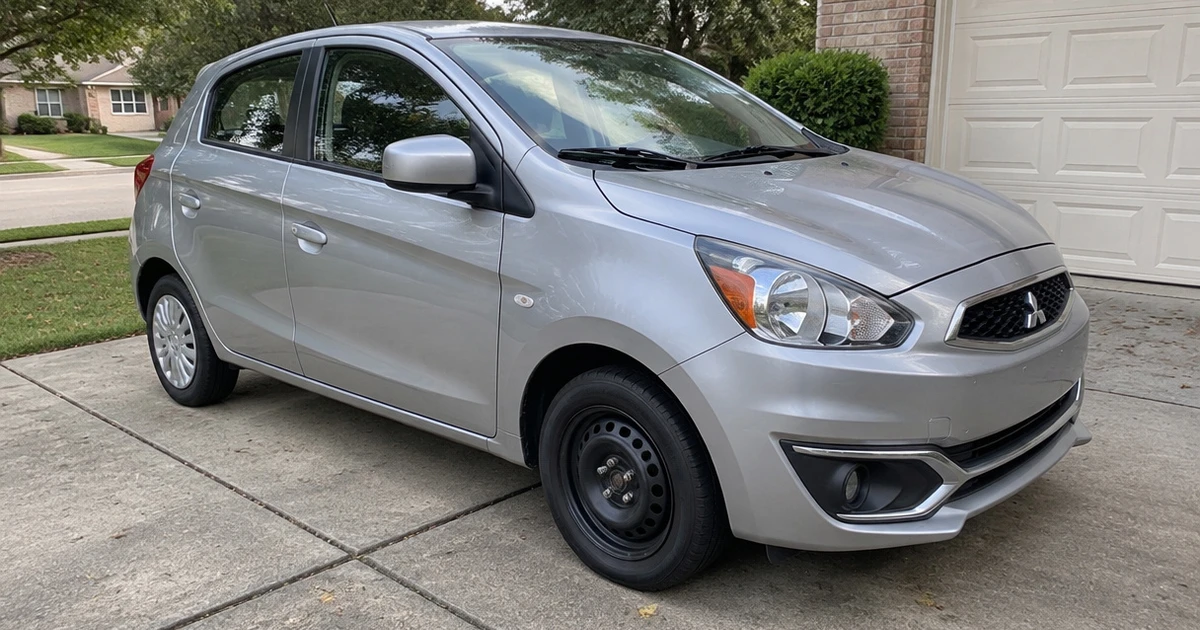
Start with the car’s approved fitment, then weigh your usual routes and priorities. A good choice should suit your weather, preserve predictable handling, and fit your budget for replacement and upkeep.
Correct Fit and Ratings
Start with the tire size shown on the driver-side door placard or in your owner’s manual, and match it to the car’s model year and trim. The sidewall code gives the tire’s width, aspect ratio, construction, and wheel diameter, so each part needs to match an approved fitment.
Check the load index and speed rating too. Those figures show the load and speed range the tire can handle, and your replacement should meet the vehicle maker’s requirements or exceed them.
Do not choose by wheel diameter alone, and ask a tire shop to confirm fitment if your car has aftermarket wheels. A correct fit avoids rubbing and helps the car keep its intended handling.
Weather and Road Grip
Match the tire’s seasonal rating to your local weather, not just a label that sounds versatile. All-season tires work for many mild climates, but repeated snow, ice, or very low temperatures can call for a dedicated winter tire; check local rules and driving needs before choosing.
Look for tread grooves that move water away from the contact area, and compare wet-braking results from a trusted independent test when available. Tire choice cannot replace slower speeds and extra stopping room on slick streets. Use this guide to sort your needs:
| Driving condition | Useful quality | What to check |
|---|---|---|
| Frequent rain | Water-clearing grooves | Wet-braking results |
| Mild weather | Balanced all-season tread | Expected seasonal lows |
| Snow or ice | Winter-rated compound | Local rules and storage |
Ride Comfort and Handling
Ride comfort and steering feel depend partly on tread blocks and sidewall design. A tire with a softer ride may take the sting out of patched pavement, while a firmer construction can feel more direct in turns; the right balance depends on how you use the car.
Noise also matters in a small cabin, where tire hum can stand out at highway speed. Check test notes for cabin noise and wet handling, and look for a tread pattern designed to limit uneven block sounds. A drive on familiar roads after installation can help you spot harshness or steering pull.
Fuel Use and Rolling Resistance
Rolling resistance affects how much energy a tire needs to keep moving. Tires designed to reduce rolling resistance can support fuel economy, which may suit long commutes, but you should still prioritize proper fit, wet grip, and braking. A modest efficiency gain is not worth giving up safe control in your usual weather.
Keep pressure at the vehicle maker’s recommended cold setting; low pressure raises flex and can waste fuel while wearing shoulders faster. Check pressure monthly and before long drives, since correct inflation helps any tire perform as intended. Measure before driving, while the tires remain cool.
Tread Life and Maintenance
Tread life depends on compound, driving style, road surface, and maintenance, so a long mileage promise cannot guarantee a set lifespan. Compare treadwear grades only within their limits: manufacturers assign them under a common test, but they do not predict exact mileage across different tire lines or real roads.
A steady maintenance routine helps you catch wear before it affects grip. Use each rotation to check:
- Pressure and signs of a slow leak.
- Uneven wear, cracks, or other damage.
- Alignment if the tread wears unevenly.
Read warranty terms for required rotations and proof of maintenance, and check whether coverage changes if tires wear unevenly. Follow the rotation schedule in your manual, keep alignment and pressure in check, and replace a tire when tread reaches your area’s legal minimum or grip suffers.
Frequently Asked Questions
How do I confirm the right tire size?
Read the tire placard on the driver’s door jamb or check the owner’s manual for the approved size, load index, and speed rating. Match those details to your car’s year and trim. If the wheel setup has changed, ask a tire shop to confirm the fit before buying.
Are all-season tires enough for winter?
All-season tires suit many drivers in mild climates, but they may not provide enough grip for frequent snow or ice. If winter brings long periods of freezing temperatures, consider tires designed for those conditions. Check local rules, your routes, and your plans for storing a second set.
Should I replace two tires or all four?
Replacing all four keeps the tread depth even and helps the car respond consistently. If you replace only two, follow your vehicle maker’s guidance on which axle should receive the new tires. A tire shop can check tread depth and advise whether the remaining pair still offers safe grip.
How often should I check tire pressure?
Check pressure at least once a month and before a long trip. Measure it when the tires are cold, then compare the reading with the vehicle placard or manual. Do not use the maximum pressure printed on the tire sidewall as the normal target.
How can I get more life from my tires?
Keep pressure at the recommended level and rotate tires on the schedule in your manual. Check tread for uneven wear, and have the alignment inspected if the car pulls or the tread wears unevenly. Careful driving and prompt attention to damage can also help extend tire life.