
This post may contain affiliate links. As an Amazon Associate I earn from qualifying purchases. If you choose to make a purchase, I may earn a small commission at no extra cost to you.
Choosing a 10-ply-rated truck tire can feel like a balancing act. You need enough load capacity for your work, but a tire built for rough sites may feel noisy or stiff on daily highway drives. The right fit depends on your truck, its loads, and the roads you travel.
Check the load range and tire size first, then match the tread to your usual conditions. A good pick should support your truck’s rated load and offer the grip, comfort, and wear life you need. This guide to the best 10 Ply Truck Tires you can buy in 2026 covers options for work, towing, highway use, and trails.
Our Top 10 Ply Truck Tires Picks


More Details on Our Top Picks
Pros
- Commercial-duty design for regular work use
- Severe-snow rating for winter traction
- Curb guards protect the sidewalls from scrapes
- Treadlife focus for heavy loads
Cons
- Less suited to deep mud than a dedicated off-road tire
- Firmer ride than a standard passenger tire
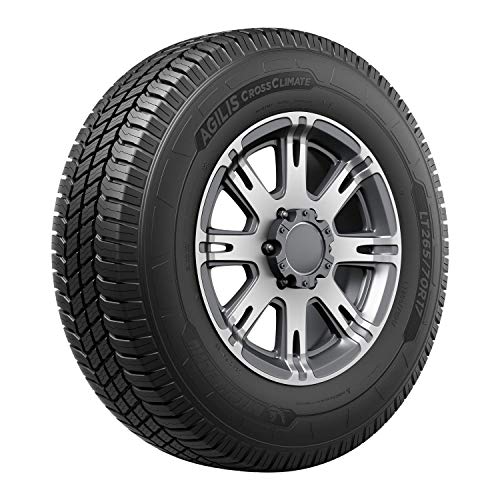
A commercial-duty build and an all-weather tread give the Michelin Agilis CrossClimate its place in this roundup. Its tread channels water and slush, while the severe-snow rating marks it for winter traction as well as wet and dry roads.
Michelin designed this tire for light commercial work, where heavy loads can wear tread quickly. Its durable construction helps the tread last under load, and curb guards on the sidewall help protect against scrapes near curbs and loading areas.
The directional tread has a purposeful pattern for mixed weather, rather than the smooth, road-focused look of a basic highway tire. On paved routes, you get steady handling and traction without giving up the toughness needed for regular work use.
The Agilis CrossClimate also stands out for its focus on long tread life under heavy loads. That blend of commercial durability and all-weather grip makes it useful through changing seasons, including slushy winter stretches.
Bottom line: Choose it for a work truck that carries loads on paved routes through changing weather. It suits drivers who value long tread life and winter-ready traction.
Pros
- Quiet ride for highway travel
- Long-lasting tread design
- Reliable all-season road traction
- Comfortable feel in trucks and SUVs
Cons
- Limited grip on deep mud and rough trails
- Less suited to severe off-road work
Long highway drives in a pickup or full-size SUV call for steady road manners, and the Michelin Defender LTX M/S2 focuses on that kind of use. Michelin tunes its tread for lasting wear, dependable all-season traction, and a quiet ride.
The tread design suits paved roads and everyday hauling better than rough trails. Its contact with the road stays even as you drive, which helps the tire wear steadily over time and keeps handling composed on long trips.
Michelin also gives this model a more comfort-minded feel than a rugged all-terrain tread. The tread blocks keep road noise in check, while the all-season pattern gives you useful grip in rain and other demanding road conditions.
The Defender LTX M/S2 puts long tread life and low cabin noise near the center of its design. It brings the familiar highway focus of the Defender line to larger, heavier trucks and SUVs without turning daily driving into a rough ride.
Bottom line: Pick it for a truck or SUV that spends most of its time on pavement. It fits drivers who want quiet travel and lasting tread for daily use.
BFGoodrich All-Terrain T/A KO3

Pros
- CoreGard Technology strengthens sidewall toughness
- Mud-phobic bars improve traction in loose ground
- Severe-snow rating for winter use
- 50,000-mile limited treadwear warranty
Cons
- Tread noise rises on paved roads
- Chunky tread feels less smooth than a highway tire
The BFGoodrich All-Terrain T/A KO3 builds on a line known for taking rough ground in stride. Its CoreGard Technology, first developed for racing, gives the sidewall added toughness, while Advanced Deflection Design helps deflect sticks and stones before they snag the rubber.
BFGoodrich also updated the tread pattern and compound to resist wear on gravel. Serrated shoulders and mud-phobic bars add bite in loose ground, mud, and snow, giving the KO3 a more capable feel when the road ends.
The tread balances trail traction with everyday road use, though its chunky blocks bring more sound on pavement than a highway design. A severe-snow rating adds confidence in winter conditions, and the treadwear warranty covers up to 50,000 miles.
The All-Terrain T/A KO3 brings durable sidewall protection and a traction-focused tread to demanding work and recreation. It has the tools for repeated gravel travel and rougher routes without giving up useful road manners.
Bottom line: Consider it for frequent gravel travel, rough trails, or winter driving. It suits truck owners who want sidewall toughness and a long treadwear warranty.
Pros
- Severe-snow rating for winter traction
- Multi-wave sipes add biting edges
- Stone ejectors clear tread grooves
- Balanced road and trail performance
Cons
- More tread noise than a highway tire
- Less bite in deep mud than a mud-terrain tire
On daily drives, the Toyo Open Country A/T III keeps its all-terrain tread civil enough for paved travel while still giving you useful grip off-road. Its open tread blocks clear loose dirt, and the design carries a severe-snow rating for winter traction.
Toyo uses multi-wave sipes across the tread to add biting edges as road conditions change. Those cuts help the tread hold onto wet pavement and snow, while the block pattern gives you more traction on gravel and packed dirt than a highway tread can offer.
The A/T III also uses stone ejectors to clear debris from the tread grooves. That detail matters on gravel routes, where trapped stones can wear at the tread over time.
This tire balances road comfort with trail-ready grip rather than focusing on one surface alone. The Open Country A/T III gives you all-season traction and a tread pattern that can handle routine off-pavement use without feeling out of place on the highway.
Bottom line: Choose it for a truck that splits time between pavement, gravel, and occasional trails. It offers winter traction without leaning too far toward a specialized off-road tread.
Pros
- Durable sidewalls for rough terrain
- 3D Canyon Sipes add tread grip
- Heat Diffuser Technology manages sidewall heat
- All-weather design for varied conditions
Cons
- Aggressive tread adds road noise
- Heavier feel than a highway-focused tire
Changing weather and mixed surfaces are the conditions the Falken Wildpeak A/T4W was made to handle. Its all-weather tread and durable sidewalls suit routes that shift from pavement to gravel, mud, or rocky ground.
Falken uses 3D Canyon Sipes to add grip across the tread, while the rugged upper sidewall gives you extra toughness on rough surfaces. Heat Diffuser Technology in the lower sidewall helps manage heat during demanding use, and the deeper tread works for both trail traction and longer wear.
The A/T4W’s tread compound handles a wide range of conditions, from summer heat to snowy winter roads. Its tread pattern gives you more off-road bite than a highway design, yet it remains usable for regular road driving.
The sidewall protection and all-weather tread make this tire practical for trucks that see varied terrain through the year. Its design puts real effort into balancing off-road durability with everyday highway use.
Bottom line: Go with it if your routes include gravel, rocky ground, and winter weather. It suits truck owners who need a durable all-terrain tread for regular highway miles too.
Pros
- Deep grooves clear water and slush
- Quiet tread design reduces road vibration
- Durable compound resists uneven wear
- 60,000-mile limited treadwear warranty
Cons
- Limited traction in deep mud
- Highway tread is less suited to rocky trails
Deep, wide grooves give the Goodyear Wrangler Workhorse HT its wet-weather focus. They push water and slush out of the tread, helping the tire maintain grip on rainy roads and in light winter conditions.
Goodyear uses a durable rubber compound to resist uneven wear and keep performance consistent over time. The computer-optimized tread design also cuts road noise and vibration, which can make a difference during long workdays behind the wheel.
This highway tire suits light trucks and SUVs that spend much of their time on paved roads. Its tread provides useful dry and wet traction without the louder, more open pattern you often get from a tire built for heavy off-road use.
The Wrangler Workhorse HT comes with a 60,000-mile limited treadwear warranty. Its mix of quiet road manners, wet-weather grooves, and wear resistance fits daily driving and steady fleet use.
Bottom line: This is a good fit for work trucks and SUVs that rack up paved miles. Choose it for quiet highway travel and useful traction in rain and light winter weather.
Pros
- Tread profile helps limit uneven wear
- Made for light truck work
- Highway design suits paved routes
- Handles regular load-carrying use
Cons
- Limited traction in deep mud
- Less suited to rocky off-road routes
For trucks that carry heavy loads on regular routes, the Firestone Transforce HT2 focuses on keeping tread wear even. Its optimized tire profile spreads the load across the tread, which helps limit the uneven wear that can shorten a work tire’s service life.
The highway tread suits commercial driving and paved work routes. It gives you steady road manners for hauling, while its practical design avoids the large, open blocks used on tires made for loose terrain.
Firestone designed the Transforce HT2 around the demands of light truck work, where a tire may spend long days under load. Its profile addresses one of the main wear concerns in that setting, so the tread can wear more consistently over time.
The load-focused tread profile gives this model a clear role in a work fleet. It favors highway stability and wear management over aggressive trail traction, keeping the tire centered on everyday commercial use.
Bottom line: Choose it for a work truck that carries loads on paved roads. It suits drivers who value even tread wear over off-road traction.
Pros
- Steel belts support heavy-duty use
- Tread design suits towing and carrying loads
- Wide grooves move water away
- Snow-focused tread pattern adds winter traction
Cons
- Limited grip on deep mud
- Highway tread is not suited to technical trails
Steel belts and a two-ply polyester construction give the Bridgestone Dueler H/T 685 a sturdy base for towing and carrying heavy loads. Bridgestone pairs that structure with a highway tread for regular truck and SUV use.
Wide grooves move water away from the contact area to improve wet-road grip. The tread also uses a pattern intended to hold traction in snow, giving the tire more winter usefulness than a basic dry-road highway design.
A road-contact footprint that adapts to the load helps the tread wear more evenly. That detail matters when you use the truck for hauling, since the tire has to manage changing weight while keeping steady contact with the road.
The Dueler H/T 685 combines heavy-duty construction with wet-weather grooves and snow-focused tread details. Its design puts towing and road travel first, with extra attention to tread life under load.
Bottom line: Consider it for towing and regular hauling on paved roads. It suits truck and SUV owners who want sturdy construction with useful wet- and winter-road traction.
Pros
- Open tread grips gravel and packed dirt
- Stone ejectors clear debris
- Durable design for demanding routes
- Useful traction on rough surfaces
Cons
- Tread noise on pavement
- Less comfortable than a highway tire
Rugged tread blocks give the Toyo M-55 its character as a commercial tire for demanding routes. The open pattern bites into gravel and packed dirt, while the deep grooves help clear loose debris from the tread.
Toyo designed the M-55 for drivers who work beyond smooth pavement, including those who travel on rough rural roads. Its durable construction suits demanding use, and the tread has the chunkier shape you want when gravel, dirt, or snow appears along the route.
Stone ejectors help clear debris from the grooves and limit stone buildup during gravel travel. The M-55’s aggressive pattern brings useful traction on uneven ground, though it gives up some of the quiet ride you get from a highway-focused tire.
With its focus on rugged commercial traction, this Toyo offers a practical option for trucks that face rough surfaces as part of their regular work. The design favors durability and grip over a smooth, quiet feel on paved roads.
Bottom line: Pick it for work routes with regular gravel, dirt, or uneven ground. It suits drivers who need a rugged commercial tire more than a quiet highway ride.
Factors to Consider When Choosing Ply Truck Tires
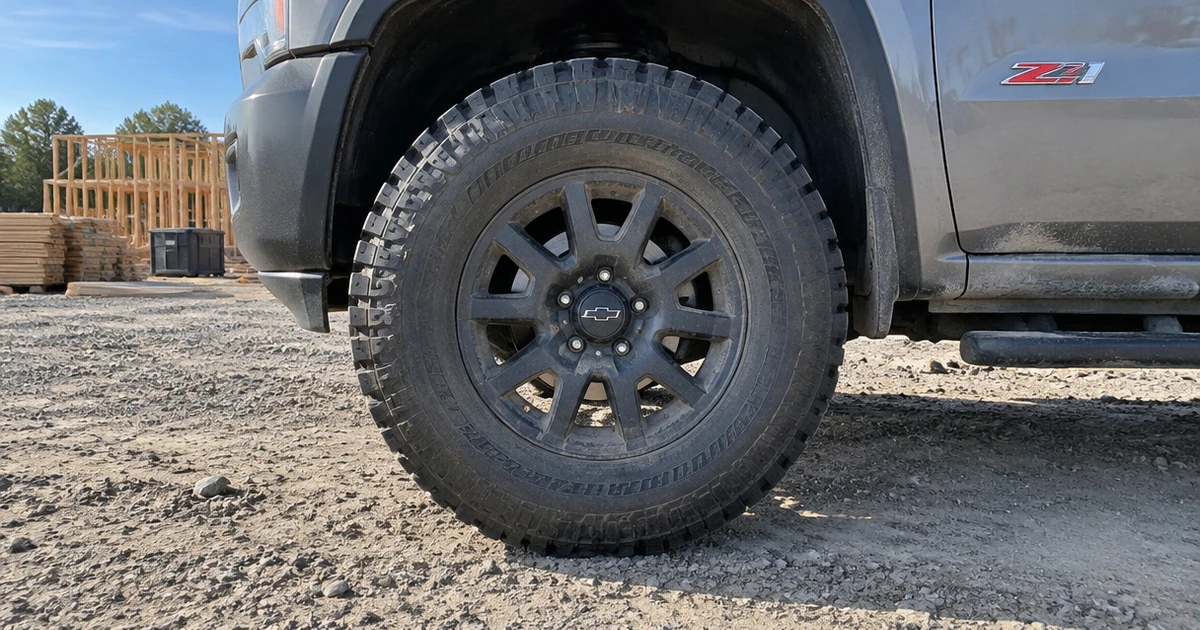
A 10-ply-rated tire can suit heavy truck use, but the label alone does not tell you if it fits your vehicle. Start with your truck’s requirements, then weigh your routes and driving habits.
Load Rating and Capacity
Check your door-jamb placard and owner’s manual before shopping. A 10-ply rating usually refers to Load Range E, not ten physical layers inside the tire. Load range and load index tell you about capacity, but neither raises your truck’s payload or axle ratings.
- Match the tire’s load index to your truck’s requirements.
- Check the load capacity listed for the tire’s rated pressure.
- Use your truck’s placard for its recommended cold pressure.
Think about your heaviest regular load, including passengers, tools, cargo, and trailer tongue weight. If you haul close to the truck’s limits, weigh each axle and compare the results with its rating. Leave room for changes in cargo, rather than choosing a tire that only just meets your typical load.
Tire Size and Fit
Start with the size printed on your truck’s placard, then confirm it fits the wheel you plan to use. The tire’s width, overall diameter, and load capacity all matter. A tire that is too wide or tall can rub against the body or suspension, especially when you turn or carry a heavy load.
Changing size can also affect speedometer readings, handling, and clearance. If you want a different size, ask a tire professional to check fit at full steering lock and under load. Keep all four tires matched in size and type on four-wheel-drive trucks, unless the vehicle maker gives other guidance.
Tread for Your Routes
Choose tread based on the surfaces you drive most, not the roughest road you might meet once a year. Highway tread usually gives you a quieter ride and steady manners on pavement. All-terrain tread adds grip on dirt and gravel, while more open tread can help in deep mud at the cost of extra road noise.
| Tread style | Good fit for | Trade-off |
|---|---|---|
| Highway | Mostly paved roads | Less grip in loose ground |
| All-terrain | Mixed pavement and trails | More noise than highway tread |
| Mud-terrain | Frequent deep mud or rough ground | Can feel loud on pavement |
For regular snow or icy roads, look for the three-peak mountain snowflake symbol, which marks a tire that meets a set snow-traction standard. It does not make every tire a dedicated winter tire, so match your choice to how often you face harsh winter conditions.
Pressure, Heat, and Wear
Use the cold tire pressure on your vehicle placard for normal driving. The pressure printed on a tire sidewall refers to its maximum, not a default setting for your truck. If your load changes often, use the tire maker’s load and inflation chart to find a pressure suited to the weight you carry.
Check pressure before long trips and when the tires are cold, since heat raises the reading. Underinflation can build excess heat and wear the shoulders; overinflation can reduce the contact patch and wear the center. A reliable gauge helps you spot a slow leak before it affects handling or tire life.
Ride Comfort and Service Life
Heavy-duty tires often use stronger construction to handle demanding loads, and that can make the ride feel firm when your truck carries little weight. Tread design also affects road noise. If you spend most of your time on pavement, a highway-focused tread may suit your daily drive better than an aggressive pattern.
Rotate the tires on the schedule in your owner’s manual, and keep the alignment in good shape. Uneven wear can point to pressure, suspension, or alignment problems.
Check any mileage warranty for its conditions, since coverage may depend on proper rotation, maintenance, and proof of service. A warranty does not promise a set tire life.
Choosing Ply Truck Tires for the Work You Do
For commercial all-weather use, the Michelin Agilis CrossClimate fits the brief. Choose the Michelin Defender LTX M/S2 for a quieter highway ride, the BFGoodrich All-Terrain T/A KO3 for rough trails, or the Toyo Open Country A/T III for balanced trail driving. The Falken Wildpeak A/T4W suits mixed terrain and changing weather.
For fleet highway miles, look at the Goodyear Wrangler Workhorse HT; for work-truck duty, the Firestone Transforce HT2. The Bridgestone Dueler H/T 685 is aimed at towing on paved roads, while the Toyo M-55 suits severe-service grip. Match your choice to your truck’s load needs and the roads you travel most.
Frequently Asked Questions
Does a 10-ply tire have ten layers?
Usually, no. The phrase describes a ply rating or load range, not a count of ten fabric layers inside the casing. Modern tire construction can use fewer plies while meeting that rating. Check the tire’s load range and load index, then compare them with your vehicle placard and axle needs.
What pressure should I use in a 10-ply-rated tire?
For normal driving, follow the cold pressure on your truck’s placard, not the maximum pressure printed on the tire sidewall. If you carry a changing load, use the tire maker’s load and inflation chart to match pressure to weight. Check pressure before driving, while the tires are cold.
Do 10-ply-rated tires increase my truck’s payload?
No. A higher tire load rating does not change the truck maker’s payload or axle limits. Your truck can only carry the load its frame, suspension, brakes, and axles support. Check the door-jamb label and owner’s manual, and count passengers, cargo, tools, and trailer tongue weight.
Are 10-ply-rated tires good in snow?
Some handle snow better than others, so check the tread design and look for the three-peak mountain snowflake symbol if winter traction matters. That mark shows the tire meets a snow-traction standard, but it does not mean the tire performs like a dedicated winter tire on ice or in severe cold.
How long do 10-ply-rated truck tires last?
Tire life depends on the tread, load, pressure, road surface, and maintenance. Heavy hauling and rough roads can wear tires faster, while incorrect pressure or poor alignment can cause uneven wear. Rotate them on schedule and check tread depth and sidewalls often. Replace a tire when wear or damage makes it unsafe.