
This post may contain affiliate links. As an Amazon Associate I earn from qualifying purchases. If you choose to make a purchase, I may earn a small commission at no extra cost to you.
Your Altima needs tires that fit its exact trim and suit the roads you drive, but sidewall labels and broad marketing terms can make the choice harder than it should be. A tire that excels in dry handling may not give you the quiet, wet-weather confidence you want for everyday commutes. Your trim, wheel setup, and local winter weather can change what makes sense.
Start with the size and ratings on the driver-door placard, then weigh climate, comfort, tread life, and handling against your routine. The options below cover different priorities, so you can focus on the traits that matter most and choose the best tires for Nissan Altima you can buy in 2026.
Our Top Nissan Altima Tires Picks


More Details on Our Top Picks
Pros
- Locking 3-D sipes add wet-road biting edges
- Long tread life for frequent driving
- Quiet, comfortable touring ride
- 80,000-mile treadwear warranty
Cons
- Steering response favors comfort over sportiness
- Light-snow traction cannot replace a winter tire
Locking 3-D sipes give the Michelin Defender2 hundreds of small edges that grip the road as you brake. That design helps the tire hold steady on wet pavement, while its all-season tread suits the changing weather you face in an Altima.
Michelin reworked the tread and compound to fight wear over years of daily driving. Its long-wearing tread pairs with a quiet, comfort-focused ride, so highway trips feel settled rather than harsh.
The Defender2 also brings dependable dry-road braking and traction in light snow. Michelin backs it with an 80,000-mile treadwear warranty, a useful signal of the tire’s focus on lasting through many miles of commuting.
For your Altima, the Michelin Defender2 puts steady braking and long tread life ahead of sporty cornering. It makes daily driving feel calm and predictable across a wide range of weather.
Bottom line: Choose it for a comfortable Altima commuter tire with a strong treadwear warranty. It fits drivers who value long service and reliable all-season braking.
Pros
- EcoPlus Technology supports fuel efficiency and tread life
- Quiet ride for daily highway miles
- Strong wet braking design
- QuickView wear indicators
- 70,000-mile treadwear warranty
Cons
- Light-snow traction has a seasonal limit
- Steering feel is tuned for comfort, not sharp response
A quiet cabin and wet-road confidence shape the Continental PureContact LS. Its EcoPlus Technology blends fuel-saving design with a tread compound that promotes long wear and strong wet braking, which suits the steady pace of an Altima commute.
On the road, the PureContact LS feels composed and smooth, with less tire noise filtering into the cabin. It also delivers traction in light snow, giving you more seasonal range than a warm-weather touring tire.
Continental’s QuickView Indicators sit in the tread and show its performance condition as the tire wears. The feature gives you a simple visual cue, while the 70,000-mile treadwear warranty backs its long-distance touring focus.
Continental PureContact LS keeps the drive relaxed without giving up useful wet-weather grip. Its balanced character works well for an Altima that spends most of its time on city streets and highways.
Bottom line: Pick it for a quiet, efficient touring tire with solid wet-road manners. It suits Altima drivers who spend long stretches on paved roads.
Pros
- Three-peak mountain snowflake certified
- Strong wet and dry braking
- V-shaped tread moves water away
- Useful traction in snow
Cons
- Tread can hum on rough pavement
- Firmer ride than comfort-focused touring tires
The V-shaped tread gives the Michelin CrossClimate2 a distinctive look and channels water away from its contact area. Michelin pairs that design with a temperature-adaptive compound, so the tire can hold grip through changing conditions rather than just mild weather.
Its three-peak mountain snowflake certification marks it as an all-weather tire with tested snow capability. You get confident braking on wet and dry pavement, plus more winter traction than a typical all-season design.
For an Altima, the CrossClimate2 offers reassuring control through rain and occasional snow. The directional tread works with deep grooves and numerous biting edges to keep the tire engaged when the road turns slick.
The Michelin CrossClimate2 can also create a more noticeable hum on rough pavement than a comfort-first touring tire. Its year-round traction and sure braking make it a practical option for drivers who face several seasons without switching tires.
Bottom line: Choose it for an Altima that sees rain, cold weather, and occasional snow. It suits drivers who want one tire with useful winter grip.
Pros
- Multi-pitch tread reduces road noise
- Compound resists irregular wear
- Grooves clear water and slush
- Comfortable touring character
Cons
- Steering response is not sporty
- Snow traction suits light conditions, not deep snow
Bridgestone gives the Turanza EverDrive a multi-pitch tread pattern to cut down on road noise and vibration. The pattern changes the timing of tread contact, which makes the cabin feel calmer during everyday Altima trips.
A next-generation tread compound resists irregular and premature wear. That focus matters on a sedan that racks up steady commuter miles, where uneven wear can shorten a tire’s useful life and make the ride less smooth.
The tread grooves move water and winter slush away from the tire’s path. You get more dependable control on wet roads and in light winter conditions, while the touring design keeps the drive composed rather than sporty.
The Bridgestone Turanza EverDrive brings a measured response to steering inputs and a comfortable feel over ordinary road surfaces. Its noise-conscious tread and wear-focused compound suit the familiar rhythm of daily driving.
Bottom line: Consider it for an Altima that needs a calm ride and steady all-season control. It works for drivers who spend more time commuting than pushing through tight corners.
Pros
- Asymmetric tread supports stable handling
- All-season compound suits changing weather
- Comfortable grand-touring feel
- Predictable wet-road response
Cons
- Not intended for deep snow
- Touring focus limits sporty cornering feel
The Pirelli P7 AS Plus 3 brings a grand-touring feel to everyday sedan driving. Its asymmetric tread pattern balances stable road contact with the grip you need on wet pavement, while the all-season compound handles routine changes in temperature.
On an Altima, that design favors smooth highway travel and steady responses in ordinary turns. The tread gives you a composed feel without making the car seem heavy or sluggish during normal lane changes.
Pirelli built the P7 AS Plus 3 for drivers who want a measured blend of comfort and control. Its tread blocks and grooves manage water across the contact patch, helping the tire stay settled when rain covers the road.
The Pirelli P7 AS Plus 3 has a touring character, so it focuses more on predictable daily handling than aggressive cornering. Its all-season versatility works well for regular drives through changing weather, while the familiar sedan feel keeps the Altima easy to place on the road.
Bottom line: Go with it for an Altima used for commuting and regular highway travel. It suits drivers who want a calm ride with dependable all-season handling.
Pros
- Responsive steering and cornering
- Wet and dry performance focus
- Useful traction in cooler weather
- Performance design selected for Corvette use
Cons
- Firmer ride than touring tires
- Sporty tread focus can shorten tread life
Sharper steering and confident cornering define the Michelin Pilot Sport All Season 4. Michelin developed this performance tire for year-round use, and Chevrolet chose it as the first all-season tire for the Corvette, which speaks to its sporty design.
Its asymmetric tread puts responsive handling at the center of the experience. On an Altima, you feel that focus through quicker reactions to steering inputs and confident grip on wet or dry pavement.
The Pilot Sport All Season 4 also keeps useful traction in cooler weather, giving you more flexibility than a summer performance tire. Its performance-focused tread favors control when you take a winding road or need a quick, steady response in traffic.
Michelin Pilot Sport All Season 4 gives an Altima a more engaged feel without giving up all-season use. The trade-off is a firmer ride and less emphasis on long tread life than comfort-oriented touring tires.
Bottom line: Choose it for an Altima that you want to feel more responsive in corners. It suits drivers who value handling and braking over a soft ride.
Pros
- AquaChannel grooves move water efficiently
- Comfortable handling over road impacts
- Noise-reducing tread pattern
- Built-in Wear Gauge
- 65,000-mile tread life warranty
Cons
- Steering feel favors smoothness over sport
- Snow grip is for cold-weather roads, not severe winter use
Goodyear built the Assurance ComfortDrive around a smooth ride and reduced road noise. Its tread pattern limits the sounds that reach the cabin, while the tire’s handling design absorbs bumps and keeps the Altima composed through curves.
Optimized AquaChannel grooves move water away from the contact patch to reduce hydroplaning risk. That drainage design gives you steadier wet-road control, and the tread maintains traction in cold conditions as well.
The ComfortDrive includes an easy-to-read Wear Gauge in the tread, so you can track wear at a glance. Goodyear also backs it with a 65,000-mile tread life warranty, adding long-distance appeal to its comfortable touring design.
Goodyear Assurance ComfortDrive feels settled during highway travel and smooth over ordinary road seams. Its steering stays refined instead of sharp, which suits the Altima’s role as a comfortable daily sedan.
Bottom line: Pick it for a quieter Altima cabin and a comfortable ride over daily routes. It suits drivers who want wet-weather control without a sporty setup.
Pros
- TriBLEND compound balances grip and wear
- Wide grooves clear standing water
- Adaptive 3-D sipes add biting edges
- Comfortable touring response
Cons
- Light-snow traction has limits
- Less immediate steering feel than a performance tire
Yokohama’s TriBLEND compound gives the Avid Ascend GT a balance of wet grip and tread durability. The tire’s all-season touring design also uses an asymmetric pattern, keeping the contact patch steady as you steer your Altima through everyday traffic.
Wide circumferential grooves channel water away from the tread, while adaptive 3-D sipes add biting edges as the tire rolls. That combination helps the Avid Ascend GT maintain control on wet roads and gives it useful traction in light snow.
Yokohama’s BluEarth approach puts efficiency and everyday comfort into the tire’s design. The wet-road tread layout pairs with a composed touring feel, so the car stays easy to manage on rainy commutes and longer highway drives.
The Yokohama Avid Ascend GT focuses on steady handling rather than quick, sporty reactions. Its blend of water evacuation and all-season grip gives an Altima a predictable feel across changing road conditions.
Bottom line: Consider it for an Altima that sees frequent rain and regular highway use. It suits drivers who want composed touring manners and dependable wet-road grip.
Pros
- Four center grooves channel water
- Tread design targets comfortable highway driving
- All-season traction for routine conditions
- Predictable daily handling
Cons
- Not suited to deep snow
- Less cornering grip than performance tires
Four center grooves give the Hankook Kinergy PT a clear job in wet weather: moving water away from the tread. That layout helps reduce hydroplaning and gives your Altima a more settled feel when rain covers the road.
Hankook shaped the tread for highway comfort and all-season use. Its touring design keeps road manners calm on longer drives, and the tread pattern balances traction with an even, steady contact patch.
The Kinergy PT feels predictable during routine lane changes and gentle turns. It does not chase a sharp sports-sedan response, but it gives you a relaxed ride for commuting and daily errands.
Hankook Kinergy PT keeps the focus on practical touring performance. Its four-groove water channeling and comfort-oriented tread make it an uncomplicated fit for an Altima that spends most of its time on paved roads.
Bottom line: Choose it for an Altima used for daily commutes and highway trips. It suits drivers who want a comfortable, straightforward touring tire with useful wet-road drainage.
Pros
- Visual Alignment Indicators show uneven wear
- Replacement Tire Monitor tracks tread wear
- Symmetrical design supports steady handling
- All-season tread suits daily driving
Cons
- Steering response is comfort-focused
- Not built for severe winter conditions
Two tread features make the General AltiMAX RT45 easy to monitor as it wears. Visual Alignment Indicators show uneven wear across the tread, while the Replacement Tire Monitor changes as the tire approaches the end of its service life.
General uses a symmetrical tread pattern to support steady handling and even wear. The all-season design gives an Altima dependable road manners in dry weather and rain, with siped tread blocks adding grip in colder conditions.
The AltiMAX RT45 focuses on a comfortable ride and predictable steering instead of sharp sports handling. Its tread pattern keeps road contact consistent through everyday turns, giving you a calm feel during commutes and longer trips.
General AltiMAX RT45 brings practical monitoring features to a familiar touring design. The tread wear indicators add useful visibility as the tire ages, and its even-handed road manners suit regular Altima use.
Bottom line: Pick it for an Altima and a touring tire with clear wear-monitoring features. It fits drivers who want dependable everyday handling without a sporty feel.
Factors to Consider When Choosing Tires for Nissan Altima
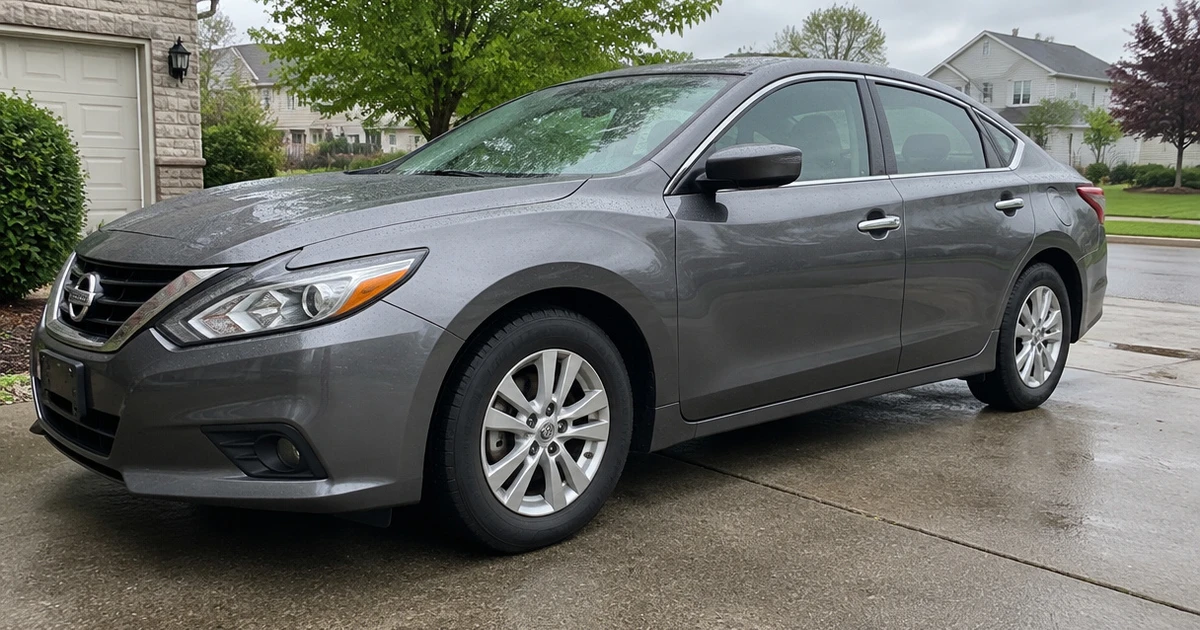
Your Altima may serve for short commutes, highway miles, or all three, so start with fit and daily conditions. A clear order helps: confirm the vehicle requirements, then compare weather grip, comfort, durability, and handling. Use the guidance below to decide which trade-offs work for you, rather than choosing by one claim on the sidewall.
Match the Size and Ratings
Read the tire size on the driver-door placard or in the owner’s manual before you compare models. The code lists width, aspect ratio, wheel diameter, and construction; together, those details tell you which tires fit the wheels and keep the car’s handling systems working as intended. Altima trims can use different wheel setups, so do not assume a tire on another Altima will fit yours.
Also match or exceed the vehicle’s required load index and speed rating. Those ratings describe the weight each tire can carry and its speed capability, not how fast you should drive. Avoid changing diameter or choosing a lower rating unless a qualified tire shop confirms the setup suits your car.
Choose for Your Local Weather
Pick a tread category around your local seasons, not just the word all-season. Standard all-season tires suit mild winters and warm weather, while all-weather tires use rubber compounds and tread patterns that improve grip in cold weather. Dedicated winter tires suit frequent snow, ice, or long stretches below freezing; they can feel less responsive in warm weather and need seasonal swaps.
| Tire type | Best fit | Main trade-off |
|---|---|---|
| All-season | Mild winters and year-round use | Less grip in severe cold |
| All-weather | Mixed weather and occasional snow | Less responsive in warm weather |
| Winter | Frequent snow, ice, or severe cold | Requires seasonal swaps |
Check for the Three-Peak Mountain Snowflake symbol if severe snow traction matters; the mark shows that the tire met a snow-traction standard. Still check fit and ratings for your Altima before choosing a winter tire.
Weigh Ride Comfort and Road Noise
Pay attention to comfort if you spend hours on rough pavement or do a lot of highway driving. A touring tire with a comfort-focused tread and flexible construction often softens small bumps and limits road noise. Tires with large, open tread blocks can add sound on dry pavement, though tread design alone does not predict cabin noise; the Altima’s suspension and road surface matter too.
Look at independent noise and ride notes for the exact tire size, not only the family name. A different wheel diameter often means a shorter sidewall, which can make sharp impacts feel stronger. If a quiet cabin matters more than quick steering response, favor comfort-oriented designs and keep inflation at the placard level.
Check Tread Life and Maintenance Needs
Long tread life depends on the tire’s compound and construction, but your upkeep matters just as much. Check the warranty mileage as a comparison point, not a promise: high mileage claims usually require proper rotation, inflation, and alignment, and coverage terms can vary with wear conditions. Frequent stop-and-go driving, rough roads, and aggressive cornering can shorten service life.
Build these checks into your routine:
- Check cold tire pressure monthly and before long trips.
- Rotate tires at the interval in your owner’s manual.
- Inspect tread and sidewalls for uneven wear or damage.
If wear differs across the tread or from side to side, have a shop check alignment and suspension before you install a new set. That can help protect the next set from the same wear pattern.
Match Handling to Your Driving
If you take on curving roads or value sharp steering, a grand touring or performance all-season design can feel more direct than a soft comfort tire. That response can come with a firmer ride and faster wear, especially if you drive hard. For mostly urban errands and steady highway trips, a standard touring tread often gives you a calmer balance.
Compare the tire’s intended use with your actual driving, not an occasional spirited trip. Check its wet-road handling and braking reputation as carefully as its dry-road feel, since rain concerns many drivers. If you rarely use the car in snow, prioritize wet grip and comfort; if you drive on snow-covered roads, give cold-weather traction more weight.
Frequently Asked Questions
What tire size fits a Nissan Altima?
Use the size printed on the driver-door placard or in your owner’s manual, and match the load index and speed rating too. Trim level and wheel package can change the factory fit. If your current tires differ from the placard, ask a tire professional to confirm the setup before you replace them.
Are all-season tires enough for winter driving?
All-season tires work for mild winters, but they lose grip as temperatures fall and roads become icy or snow-covered. If your area sees frequent severe winter weather, choose a tire designed for winter conditions or use dedicated winter tires. Local rules may also require winter-rated tires during certain months.
Should you replace all four tires at once?
Replacing all four keeps grip and handling more even, which matters on a front-wheel-drive sedan. If only one tire fails, a shop can check tread depth and wear on the remaining tires to see whether replacing a pair suits. Follow the vehicle maker’s guidance for matching tires across each axle.
How often should you rotate your tires?
Follow the interval in your owner’s manual, since rotation needs can vary with tire type and driving conditions. Regular rotations help spread wear across the set, especially because front tires handle steering and much of the braking. Ask a shop to inspect alignment and inflation if one tire wears faster.
When should you replace Altima tires?
Use the built-in tread-wear bars as a clear warning, and replace tires sooner if cracks, bulges, exposed cords, or repeated pressure loss appear. Wet-road grip can fade well before tread reaches its legal limit. A tire shop can measure tread and check for damage you may not see.