
This post may contain affiliate links. As an Amazon Associate I earn from qualifying purchases. If you choose to make a purchase, I may earn a small commission at no extra cost to you.
Choosing tires for a Nissan Pulsar can feel tricky because the right set depends on your trim, wheel setup, local weather, and driving habits. A tire that feels composed on a dry commute may lose grip in heavy rain, while a quiet, comfortable option may not suit you if you enjoy sharper cornering.
Start by checking the size and load rating on your car’s tire placard, then weigh wet grip, seasonal needs, tread life, cabin noise, and handling. The best tires for Nissan Pulsar you can buy in 2026 should match your car’s approved requirements and the roads you use most.
The options below cover different priorities, so you can compare what matters and choose a set that fits your daily driving.
Our Top Tires for Nissan Pulsar Picks


More Details on Our Top Picks
Pros
- ENLITEN technology balances grip and rolling resistance
- Tread channels water for wet-road control
- Stable handling for daily driving
- Tread pattern is designed to limit road noise
Cons
- Summer compound loses grip in cold conditions
Bridgestone Turanza 6 uses Bridgestone’s ENLITEN technology to balance summer grip with lower rolling resistance. Its tread design channels water away from the contact area, which gives you composed handling on wet roads as well as steady traction in dry weather.
For a Nissan Pulsar driven mostly in warm conditions, the tire’s touring focus suits daily commutes and longer highway runs. You get a stable feel through sweeping bends, with a tread pattern designed to keep road noise in check.
Bridgestone Turanza 6 brings confident wet-road handling without the sharper, firmer character of a track-focused tire. The summer compound works best in warm weather, so grip falls as temperatures drop. Its all-around balance makes it a useful choice for Pulsar drivers who want composed road manners through the warmer months.
Bottom line: Choose it for a Pulsar you drive mainly in warm weather, with wet-road control high on your list. It pairs everyday comfort with a confident summer feel.
Pros
- Directional tread clears water effectively
- Three-peak mountain snowflake certified
- Designed for wet and dry braking
- Works across a broad range of seasons
Cons
- Road hum can rise on coarse pavement
- Less suited to severe ice than a winter tire
The directional V-shaped tread gives Michelin CrossClimate2 its distinctive look and its all-weather purpose. Its thermal-adaptive compound changes with temperature, while deep grooves clear water and help the tire keep its grip across changing seasons.
The three-peak mountain snowflake mark confirms that this tire meets a defined snow-traction standard. That makes it a practical option for Nissan Pulsar drivers who face rain, cold snaps, and occasional snow but want one tire for more than warm-weather driving.
On wet pavement, the tread’s open channels help resist hydroplaning, and the tire also delivers assured dry-road braking. Michelin CrossClimate2 has a firm, blocky tread feel, and you may hear more road hum on rough pavement than you would from a quieter touring design. Year-round traction is its main strength, though it does not replace a dedicated winter tire in severe ice and snow.
Bottom line: This fits a Pulsar driven through mixed seasons, especially where winter brings some snow but not constant severe conditions. Pick it for year-round versatility without switching to a dedicated winter tire.
Pros
- Optimized silica compound
- Touring design emphasizes tread life
- Predictable wet-road braking
- Calm highway manners
Cons
- Steering feels less sharp than a max-performance tire
- Not intended for winter conditions
An optimized silica tread compound gives Goodyear EfficientGrip Performance 2 a useful mix of wet grip and steady road manners. The tire’s touring design also puts a clear focus on tread life, making it a sensible match for a Nissan Pulsar that racks up regular commuting miles.
Its tread pattern is built to maintain contact with the road as you brake and turn, including on wet pavement. The silica compound helps the rubber stay flexible enough to grip in changing summer conditions, while the design favors calm, predictable handling over an especially sharp sports-car response.
Goodyear EfficientGrip Performance 2 feels at home on routine drives and longer highway trips, where stable tracking matters more than aggressive cornering. Long-wearing touring performance is the point of this line, and the ride stays composed without demanding a sporty driving style. It remains a warm-weather tire, so cold-weather use falls outside its intended strength.
Bottom line: Go for this tire if your Pulsar spends many miles on commutes and highways. It favors lasting touring performance over a very sporty steering feel.
Pros
- Tread pitch design limits road noise
- Flat profile promotes even wear
- Grooves help manage standing water
- Chamfered edges aid braking
Cons
- Firmer feel over rough pavement
- Summer compound is unsuitable for cold conditions
Pirelli Cinturato P7 (P7C2) uses a refined tread pitch sequence to reduce the steady hum that can tire you on longer drives. Its summer tread also uses shaped grooves to move water away from the contact patch, helping maintain control when the road turns wet.
The flat tread profile spreads pressure more evenly across the rubber, which supports regular wear and lower rolling resistance. Chamfered tread edges help the tire brake with confidence, while the UHP design gives a Nissan Pulsar a more engaged response on warm, dry roads.
Pirelli Cinturato P7 (P7C2) balances quiet highway manners with grip for brisk everyday driving. Its design puts comfort and efficiency alongside handling, rather than chasing the hardest-edged feel of a track tire. Expect a firmer ride over broken pavement, and keep in mind that its summer compound does not suit cold-weather driving.
Bottom line: Choose this for a Pulsar used mostly on warm roads, especially if you value a quieter ride. Its touring touches temper the sharper feel of its UHP design.
Pros
- Inner grooves help clear water
- Rigid outer blocks grip dry pavement
- MaxTouch Construction promotes even tread wear
- Responsive handling for spirited driving
Cons
- Firm ride over uneven roads
- Summer compound loses grip in cold weather
Michelin Pilot Sport 5 splits its tread duties between wet and dry roads. Large inner grooves leave room for water to escape, while firmer outer blocks put more rubber to work on dry pavement.
That dual-sided layout suits a Nissan Pulsar driver who wants direct responses through bends without giving up wet-road confidence. Michelin’s MaxTouch Construction spreads the forces from acceleration, braking, and cornering across the tread, which promotes even wear during spirited road use.
Michelin Pilot Sport 5 delivers precise summer handling and a planted feel when you change direction. Its performance-focused tread feels firmer than a comfort-first touring tire, and drivers who spend most of their time on highways may not use all the grip it offers. The summer compound also gives up traction as temperatures fall.
Bottom line: Pick the Pilot Sport 5 for a Pulsar you enjoy driving on warm, winding roads. It suits drivers who value steering response and cornering grip over a softer ride.
Factors to Consider When Choosing Tires for Nissan Pulsar
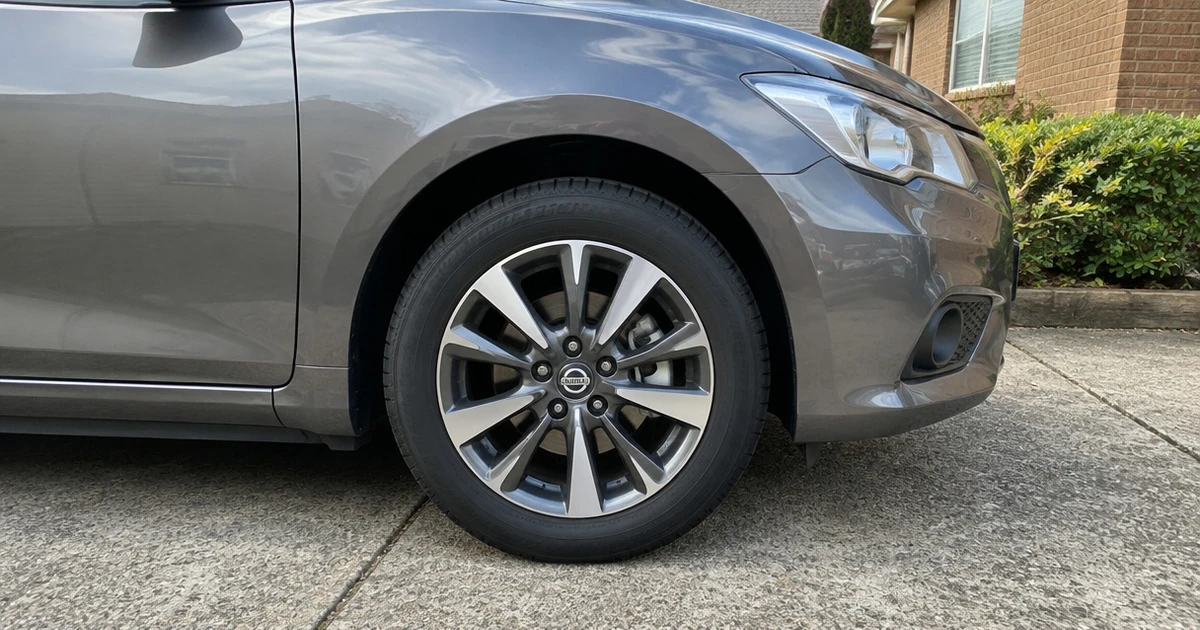
Your tire choice affects how your car brakes, handles, and feels on everyday roads. Start with the required fitment, then compare how each tire suits your weather, driving style, and maintenance habits.
Confirm the Correct Fitment
Start with your car’s tire placard and owner’s manual; they give the approved size, load index, and speed rating. Check the full sidewall code on your current tire as a cross-check, especially if a previous owner changed the wheels. Match the placard rather than assuming every Pulsar trim uses one size.
The load index shows how much weight each tire can carry, while the speed rating shows the tire’s rated speed capability. Choose tires that meet the car maker’s requirements, and ask a tire shop to verify fitment if your wheels differ from the original setup.
| Marking | What it tells you | What to check |
|---|---|---|
| Size code | Tire width, profile, and wheel diameter | Match the placard |
| Load index | Weight capacity | Meet the required rating |
| Speed rating | Rated speed capability | Meet the required rating |
Match Tires to Your Weather
Think about the conditions you drive in most, not just the weather on a typical day. All-season tires suit drivers who face mild changes through the year, while dedicated winter tires offer more grip in repeated snow and freezing temperatures. Summer tires focus on warm-weather handling, but they lose grip as temperatures drop.
- Choose winter tires if snow and ice are regular parts of your routes.
- Look for the three-peak mountain snowflake symbol for severe-snow use.
- Use a full matching set to keep handling balanced across the car.
All-season tires vary in cold-weather ability, so check their markings and intended use. If your climate swings between hot summers and harsh winters, plan for seasonal changes rather than expecting one tire type to perform equally well in every condition.
Prioritize Wet-Road Grip
Wet grip matters even if your area rarely sees snow. Look for a tread pattern with channels that move water away from the contact patch, and compare wet-grip information on the tire label where available. Strong wet braking helps during sudden stops, while good water evacuation can lower the risk of hydroplaning in heavy rain.
Tread depth also affects performance in wet weather. A tire with shallow grooves has less room to clear water, even if its original design offered strong rain grip.
Check tread wear regularly and replace tires before they reach the legal limit. Drivers who use fast roads in frequent rain should put wet handling ahead of small gains in comfort or mileage.
Balance Handling, Comfort, and Noise
Your usual routes help you decide what kind of ride you want. A tire with a more responsive design can make steering feel direct on winding roads, but a firm ride may send more bumps into the cabin. If you spend most of your time commuting, look for a touring-focused tire that aims for calm handling and lower road noise.
Tread pattern and construction both affect sound and comfort. A quieter tire can make long drives less tiring, while a performance-focused tire may feel more precise during quick turns.
Think about road surface, too: coarse pavement can create more tire noise than smooth streets. Pick a balance that suits your daily use rather than judging a tire only by its sporty feel.
Check Tread Life and Upkeep
Check the tire maker’s treadwear warranty, but treat it as a guide rather than a promise of how long your tires will last. Road surface, driving habits, alignment, and tire pressure all affect wear. A warranty can help you compare intended mileage, but it may include conditions for rotation and care, so read the terms before you buy.
Good upkeep helps your tires wear evenly. Check cold tire pressure each month and before long trips, using the pressure listed on the car’s placard rather than the maximum printed on the tire. Rotate the tires at the intervals in your manual, and ask for an alignment check if the car pulls or the tread wears unevenly.
Frequently Asked Questions
Frequently Asked Questions
How do I find the right tire size for my Nissan Pulsar?
Check the tire placard on your car and confirm the details in the owner’s manual. The sidewall code on your current tires can serve as a second check, but do not rely on it if someone changed the wheels. A tire shop can confirm fitment if you are unsure.
Are all-season tires suitable for a Nissan Pulsar?
All-season tires can work well if your area has mild winters and you want one set for most of the year. They do not match dedicated winter tires on snow and ice, and they may not offer the same warm-weather handling as summer tires. Choose for your local conditions.
Should I replace two tires or all four?
Replacing all four at once helps keep grip and handling more even, especially in wet conditions. If you replace only two, put the new tires on the rear axle to help maintain stability. Follow your car maker’s guidance, and make sure the new tires match the existing set’s required size and ratings.
How often should I check tire pressure?
Check pressure at least once a month and before a long trip. Measure it when the tires are cold, then compare it with the pressure on your car’s placard. Correct pressure supports even wear and predictable handling, while underinflation can cause excess heat and faster wear.
When should I replace my tires?
Replace tires when the tread reaches the legal limit, or sooner if you see cracks, bulges, cuts, or uneven wear. Check the tread across the full width of each tire, since alignment or pressure problems can wear one area faster. A tire professional can inspect damage you cannot judge safely.