
This post may contain affiliate links. As an Amazon Associate I earn from qualifying purchases. If you choose to make a purchase, I may earn a small commission at no extra cost to you.
Your Subaru Crosstrek has standard all-wheel drive, but it still depends on its tires for grip, braking, and a calm ride. Choosing a set gets tricky because the right balance changes with your weather, commute, and how often you leave pavement. A tire that feels secure in rain may not give you the snow traction or quiet highway manners you want.
The best tires for Subaru Crosstrek you can buy in 2026 should match your trim’s approved size and load needs, then suit the roads you drive most. This roundup covers options for year-round weather, wet commutes, long tread life, quiet touring, and light trails. Use the reviews below to compare those strengths with your daily routes, seasonal conditions, and tolerance for road noise.
Our Top Subaru Crosstrek Tires Picks




More Details on Our Top Picks
Pros
- Severe-snow certification for winter traction
- Directional tread clears water and bites into snow
- Strong wet and dry braking
- Designed for long tread life
Cons
- Tread hum can stand out on rough pavement
The directional V-shaped tread on the Michelin CrossClimate2 channels water away while its sharp tread edges bite into snow. Its thermal-adaptive compound responds to changing temperatures, giving you a tire that can handle cold-weather roads without giving up everyday wet and dry grip.
The three-peak mountain snowflake mark confirms its severe-snow rating, a useful advantage when your Crosstrek faces regular winter weather. You also get confident braking on wet pavement, where the broad grooves help clear water from the contact area.
Michelin designed the CrossClimate2 for year-round use, and its tread life is a key part of that appeal. The tread design maintains useful grip as it wears, and Michelin says the tire can last longer than several leading competitors.
On dry roads, steering feels steady and braking remains reassuring. The CrossClimate2 has more tread presence than a mild touring tire, so you may hear a hum on rough pavement, but it keeps a composed feel through ordinary daily driving.
Bottom line: Choose the Michelin CrossClimate2 if your Crosstrek needs one tire for changing seasons and frequent winter weather.
Pros
- AquaTred grooves clear water and slush
- Traction grooves adapt as the tread wears
- Severe-snow certification
- Comfort inserts reduce bumps and vibration
Cons
- Steering feels less sharp in warm, dry corners
If your Crosstrek spends plenty of time on rain-soaked roads, the Goodyear Assurance WeatherReady 2 puts water management at the center of its design. AquaTred Technology pairs sweeping grooves with an adaptable tread compound to move water and slush away from the tire’s contact area.
Its Evolving Traction Grooves keep opening new paths for water as the tread wears, so wet-road grip does not rely only on the original groove shape. The tire also carries the three-peak mountain snowflake mark, giving you added traction for winter driving.
Goodyear adds comfort inserts to soften bumps and reduce vibration through the cabin. Variable tread block sizes work to limit repeating road noise, which can make longer paved drives more pleasant in your Crosstrek.
On wet roads, the WeatherReady 2 gives you predictable handling and a confident feel when the pavement gets slick. Its touring design keeps the ride composed through daily driving, though the tread does not feel as sharp in warm, dry corners as a summer-focused tire.
Bottom line: The Goodyear Assurance WeatherReady 2 fits your Crosstrek if rain is common and winter traction matters too.
Pros
- Three-peak mountain snowflake certification
- Dense sipes and deep grooves aid winter traction
- Low rolling resistance design
- 60,000-mile limited tread life warranty
Cons
- Tread can sound busy on rough pavement
Nokian’s all-weather tires have a strong winter focus, and the Nokian Remedy WRG5 follows that approach with an asymmetric tread, deep grooves, and a dense network of sipes. Those small cuts create extra biting edges for snow and slush, while the open grooves give water a route out.
The Remedy WRG5 carries the three-peak mountain snowflake mark for moderate to severe winter conditions. That added winter rating gives your Crosstrek more cold-weather capability than a standard all-season tire, while the tread still suits year-round road use.
Nokian also uses a low rolling resistance design, which can help your vehicle use fuel more efficiently during daily driving. A limited tread life warranty adds a clear measure of the company’s confidence in the tire’s durability.
On wet roads, the grooves and sipe pattern give you useful grip when rain turns to slush. The WRG5 keeps steering settled on paved routes, though its winter-minded tread can sound busier on rough pavement than a mild touring design.
Bottom line: Consider the Nokian Remedy WRG5 for a Crosstrek that sees regular snow and needs year-round road manners.
Pros
- All-weather touring design for year-round road use
- Suited to wet commutes and occasional snow
- Road-focused tread for daily driving
Cons
- Deep snow traction falls short of a dedicated winter tire
For drivers who want an all-weather touring tire from Bridgestone, the Bridgestone UltraWeather is aimed at year-round paved-road use. Its role suits a Crosstrek that moves between wet commutes, cold mornings, and occasional snow without changing tires for each season.
The UltraWeather’s touring focus favors steady road manners over the chunky tread of a trail tire. On the road, that kind of design can keep steering calm and the ride comfortable through regular errands and longer drives.
Its all-weather tread pattern gives you channels to move water away and biting edges for cold-weather grip. That balance matters when rain or light snow catches you on a familiar route, while the road-focused layout keeps the tire suited to pavement.
The UltraWeather gives your Crosstrek a single-tire approach to changing weather, without a rugged tread that can feel out of place on daily roads. Like other all-weather touring designs, it cannot match a dedicated winter tire in deep snow or an all-terrain tire on rough trails.
Bottom line: The Bridgestone UltraWeather suits your Crosstrek if you want Bridgestone’s all-weather touring approach for everyday roads.
Pros
- 80,000-mile limited treadwear warranty
- Locking 3-D Sipes add wet and dry grip
- Predictable touring manners
- Designed for extended tread life
Cons
- No severe-snow certification
Michelin built the Michelin Defender2 around long tread life, making it a practical touring tire for many miles of daily Crosstrek driving. Locking 3-D Sipes create hundreds of biting edges across the tread, adding grip for wet and dry braking.
The tire carries an 80,000-mile limited treadwear warranty, one of its clearest advantages for drivers who rack up highway miles. Michelin redesigned the tread to extend usable life, and its broad road contact helps the tire keep a steady feel as you drive.
In rain, the sipes add extra grip as the tread blocks meet the pavement, while the touring pattern keeps handling predictable. You get a comfortable, road-focused character for commutes and longer trips rather than an aggressive tread meant for snow or dirt.
The Defender2 is an all-season tire, but it does not carry the severe-snow rating you get from an all-weather model. Its tread still offers useful everyday grip, yet deep or frequent snow calls for a tire with stronger winter credentials.
Bottom line: The Michelin Defender2 is a sensible fit for your Crosstrek if long tread life and regular paved-road driving top your list.
Pros
- EcoPlus Technology targets fuel savings and longer tread life
- Short wet braking distances
- Quiet ride on paved roads
- Responsive year-round handling
Cons
- Not intended for severe winter conditions
If your Crosstrek spends most of its time on pavement, the Continental CrossContact LX25 brings a quiet touring feel with useful wet-road grip. Continental’s EcoPlus Technology works to lower rolling resistance, extend tread life, and shorten wet braking distances.
That blend suits daily commutes and highway miles, where you want steady handling without a harsh ride. The tread keeps road noise subdued, helping the cabin feel calmer on longer trips.
Wet braking is a particular strength of the CrossContact LX25. Its road-focused tread gives you consistent control in rain, while the responsive handling works well through routine lane changes and turns.
Continental offers limited tread life coverage of up to 70,000 miles, adding value for drivers who plan to keep their Crosstrek on the road for years. The LX25 handles ordinary seasonal changes, but it lacks the severe-snow credentials for regular driving in harsher winter conditions.
Bottom line: Go with the Continental CrossContact LX25 if you want a quiet, efficient touring tire for mostly paved Crosstrek driving.
Pros
- Designed for CUVs and smaller SUVs
- 3D Canyon Sipe Technology adds winter grip
- Better loose-surface traction than a touring tread
- 65,000-mile limited tread life warranty
Cons
- Firmer and noisier than a mild touring tire
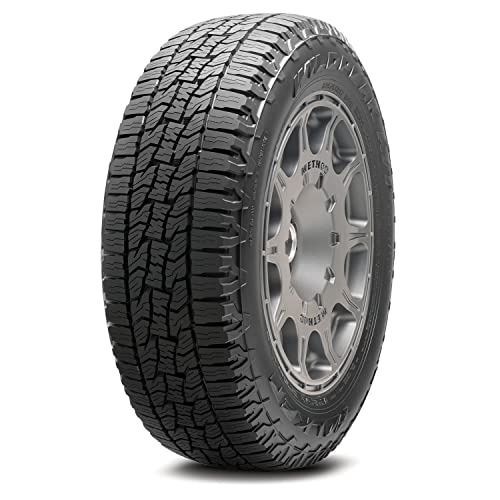
The compact SUV focus of the Falken Wildpeak A/T Trail makes it a natural fit for a Crosstrek that leaves pavement for gravel roads or trailheads. Its deeper tread and 3D Canyon Sipe Technology create extra edges for winter traction while keeping the tire suited to on-road driving.
The all-terrain pattern gives you more bite on loose surfaces than a standard touring tire. It also carries the three-peak mountain snowflake mark, so the Wildpeak A/T Trail brings added traction for snow-covered routes.
Falken backs the tire with a 65,000-mile limited tread life warranty. That figure reflects its dual role: you can use it for daily paved driving, then take unpaved roads without needing a dedicated trail tire for every outing.
On pavement, the Wildpeak A/T Trail keeps a controlled feel for an all-terrain design. Its more substantial tread can add some noise and firmness compared with a mild touring tire, especially on coarse roads.
Bottom line: The Falken Wildpeak A/T Trail fits your Crosstrek if gravel roads and snowy routes are part of your routine.
Pros
- Full-depth 3-D locking sipes
- Optimized footprint supports even wear
- Comfortable, quiet ride for an all-terrain tire
- 60,000-mile warranty
Cons
- Not designed for technical mud or rock trails
Gravel roads and paved commutes call for a tire that can handle both, and the BFGoodrich Trail-Terrain T/A targets that mix. Its optimized footprint and full-depth 3-D locking sipes keep the tread blocks stable for even wear and dependable road grip.
The Trail-Terrain T/A is made for SUVs and crossovers that split time between pavement and unpaved routes. Its tread adds traction on dirt and gravel while keeping a quieter, more comfortable feel for everyday driving than a tire made for tougher off-road work.
Those full-depth sipes continue to provide biting edges as the tread wears, and the design supports grip through rain and snow. BFGoodrich backs the tire with a 60,000-mile warranty and a 60-day satisfaction guarantee.
In your Crosstrek, the Trail-Terrain T/A gives you useful range for ordinary roads and weekend detours. It does not have the deep, aggressive tread for technical mud or rock trails, but its road manners suit drivers who spend most miles on pavement.
Bottom line: The BFGoodrich Trail-Terrain T/A makes sense for your Crosstrek if you drive on pavement but take regular gravel-road detours.
Pros
- Snow claws bite into snow
- High sipe density for winter grip
- Three-peak mountain snowflake certification
- 60,000-mile limited tread life warranty
Cons
- Less crisp handling in warm, dry conditions
Snow claws are a defining feature of the Toyo Celsius II, digging into snow to give your Crosstrek extra traction. High sipe density and zigzag tread blocks add more biting edges for slippery winter roads.
The Celsius II carries the three-peak mountain snowflake mark for moderate to severe winter conditions, while its all-weather design also suits year-round driving. Its asymmetric tread pattern balances winter grip with the handling you need on ordinary paved routes.
Toyo backs the tire with a 60,000-mile limited tread life warranty. On snow-covered roads, the snow claws and dense sipes give the tread useful grip, and the grooves help manage water when winter weather turns wet.
The Celsius II can handle more winter driving than a standard all-season tire, but its tread has a clear cold-weather focus. In warm, dry conditions, it feels less crisp than a mild touring tire, particularly when you push through quick turns.
Bottom line: Choose the Toyo Celsius II for your Crosstrek if winter traction matters more than sharp warm-weather handling.
Pros
- Replacement Tire Monitor shows tread wear
- Visual Alignment Indicators flag uneven wear
- Symmetric tread supports even wear
- Predictable all-season handling
Cons
- Not designed for severe winter conditions
General’s AltiMAX touring line focuses on steady daily road manners, and the General AltiMAX RT45 carries that approach into an all-season design. Its symmetric tread supports even wear and predictable handling for your Crosstrek’s commutes and highway trips.
The RT45 includes General’s Replacement Tire Monitor, which displays a visual cue as the tread wears toward replacement. Visual Alignment Indicators on the tread shoulders can also show uneven wear patterns linked to alignment changes.
On paved roads, the RT45 gives you a straightforward, comfortable ride with dependable handling through common weather. Its balanced tread makes it easy to live with during everyday driving, rather than adding the extra road feel of an aggressive all-terrain design.
This is a conventional all-season tire, so it does not offer the severe-snow capability of a snowflake-certified all-weather tire. You still get useful grip for regular wet roads and mild winter conditions, but heavier snow can call for a more winter-focused tread.
Bottom line: The General AltiMAX RT45 suits your Crosstrek if you want practical touring manners for everyday paved driving.
Factors to Consider When Choosing Tires for Subaru Crosstrek
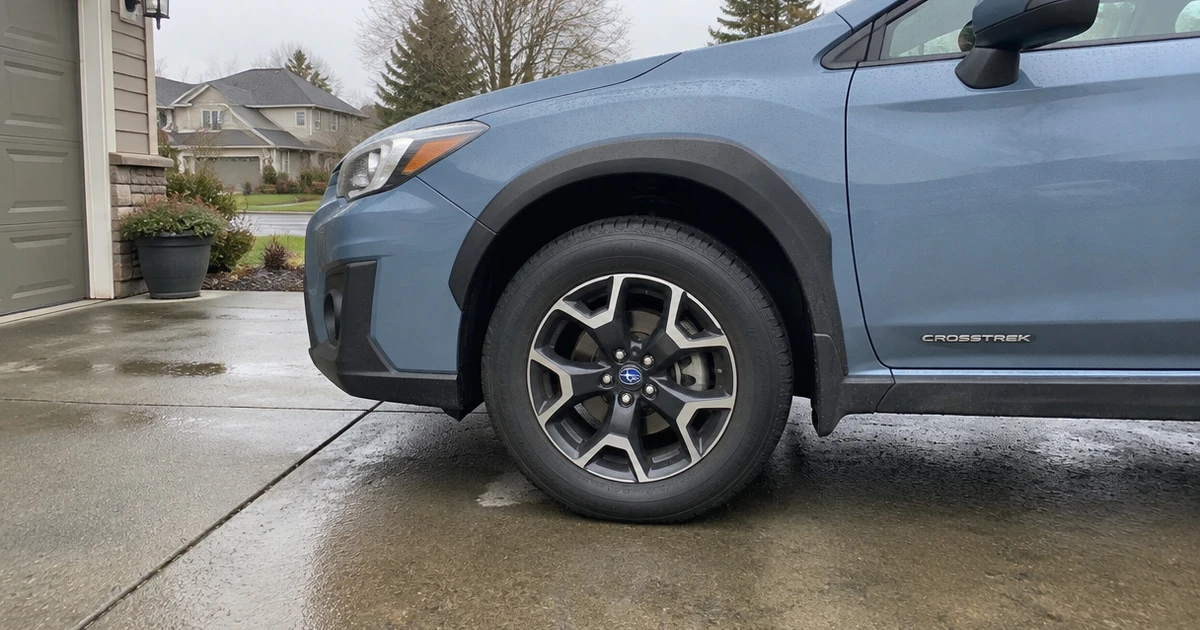
Start with fit, then weigh your climate, roads, and driving habits. These factors can help you narrow your choices before comparing tread designs and warranties.
Fit and Load Requirements
Start with the tire size on the driver-door placard or in your owner’s manual, not just the sidewall of the tires now on the car. Crosstrek sizes and wheel fit can vary by model year and trim, and a previous owner may have changed the setup. Keep the approved diameter and width unless a tire shop confirms a compatible alternative.
Check the load index and speed rating against Subaru’s requirements. A lower rating can compromise handling or carrying capacity, while a much heavier tire can affect ride comfort and fuel use.
If you replace only one tire after damage, ask a tire professional to compare its tread depth with the other three. Subaru’s AWD system works best with closely matched rolling circumferences.
Weather and Seasonal Needs
Think about the coldest and snowiest conditions you actually drive in, not just the weather near home. Standard all-season tires suit mild winters, while all-weather tires carry a severe-snow rating and handle more winter conditions. Dedicated winter tires focus on cold-weather grip, but require seasonal changes and storage.
- Choose all-season tires for mostly mild winters and occasional light snow.
- Choose all-weather tires if you face winter trips but want one set year-round.
- Choose winter tires for frequent deep snow, ice, or sustained freezing temperatures.
Look for the Three-Peak Mountain Snowflake symbol on a tire meant for severe snow. It shows that the tire meets a defined snow-traction threshold, but it does not promise equal grip on ice. Match the tire to the winter conditions you face most often.
Wet Grip and Braking
Rain grip matters on daily roads, especially when you face standing water or sudden downpours. Deep circumferential grooves help move water away from the tread, while smaller sipes add biting edges on wet pavement. A tread that resists hydroplaning can help you keep control, but you still need to slow down in heavy rain and leave room to brake.
Compare independent wet-braking and handling tests when you can, and look for consistent results across more than one test. Check that the tire suits your usual driving speed and road conditions. If you often travel on wet highways, put dependable wet grip ahead of a small gain in tread life or fuel economy.
Ride Comfort, Noise, and Efficiency
Tread design affects what you hear and feel inside the cabin. Touring-focused tires often use tread patterns that limit road noise and help the ride feel smooth on pavement.
More open, aggressive tread can add noise and vibration, especially at highway speeds. If you spend long hours on paved roads, give comfort and quiet a high place on your list.
Rolling resistance also affects fuel use, though your driving style and tire pressure play a part. Look for a tire designed for everyday road use if efficiency matters more than loose-surface grip. Keep pressure at the vehicle maker’s recommended level, since underinflated tires can wear faster and make steering feel less precise.
Tread Life and Road Use
A treadwear warranty gives you a way to compare a tire maker’s expected service life, but it does not guarantee how long your tires will last. Your roads, driving style, pressure, and rotation habits all affect wear. Rotate the tires on the schedule in your manual, and check alignment if the tread wears unevenly or the car pulls to one side.
Choose a tread that suits your usual surface rather than an occasional trip. Use this table as a starting point for matching tire design to your driving.
| Main use | Design focus | Trade-off |
|---|---|---|
| Daily pavement | Quiet ride and long wear | Less grip on loose ground |
| Gravel roads | Tougher tread and added traction | More road noise |
| Frequent snow | Cold-weather grip and snow traction | Seasonal changes may help |
Frequently Asked Questions
Are all-season tires enough for a Subaru Crosstrek?
All-season tires can work well if you drive mostly in mild weather and see only occasional light snow. They do not offer the same cold-weather grip as winter tires, and some struggle in deep snow or on ice. Match your tires to the winter roads you regularly face, not just the car’s all-wheel drive.
Can you use all-terrain tires on a Subaru Crosstrek?
Yes, if you choose a size and load rating approved for your vehicle. All-terrain tires can add grip on gravel, dirt, and rough roads, but their open tread may create more noise and reduce fuel efficiency on pavement. If you rarely leave paved roads, a road-focused tire may suit your daily driving better.
Do all four tires need to match?
Yes. Use four tires with the same size, type, and closely matched tread depth. Different rolling circumferences can put extra strain on the all-wheel-drive system. If damage forces you to replace one tire, ask a tire professional to measure the others and follow Subaru’s guidance for your model.
How often should you rotate Crosstrek tires?
Follow the rotation schedule in your owner’s manual, since the right interval and pattern can depend on your vehicle and tire setup. Regular rotations help the tires wear more evenly. Check pressure at the same time, and ask a shop to inspect alignment if you see uneven tread wear or feel the car pull.
When should you replace your tires?
Replace tires when the tread reaches the wear bars, or sooner if you notice weak wet grip, cracks, bulges, or repeated air loss. Do not wait for the legal minimum if you drive often in rain or snow. Check all four tires regularly, since AWD works best with closely matched tread depth.