
This post may contain affiliate links. As an Amazon Associate I earn from qualifying purchases. If you choose to make a purchase, I may earn a small commission at no extra cost to you.
Choosing tires for a Dodge Durango means balancing a heavy SUV’s needs with the way you drive it. A quiet highway set may suit commuting, while frequent snow, heavy rain, towing, or spirited cornering can call for different tread and handling traits. The wrong fit can dull steering, add road noise, or wear unevenly.
The best tires for Dodge Durango you can buy in 2026 should match the size and load rating on your vehicle’s placard, fit your local weather, and support the Durango’s weight. This roundup covers touring, all-season, winter-friendly, performance, and value options, so you can compare the trade-offs and choose a set for your routes, climate, and comfort needs.
Our Top Tires for Dodge Durango Picks


More Details on Our Top Picks
Pros
- Long-wearing design for SUVs and pickups
- Quiet, comfortable highway ride
- Dependable all-season road traction
- Suited to larger, more powerful vehicles
Cons
- Limited grip for serious off-road driving
- Not a dedicated winter tire
A Durango that spends most of its time on pavement needs a tire that can handle SUV weight without making every trip noisy. The Michelin Defender LTX M/S2 pairs a highway-focused all-season tread with a design aimed at long tread life and steady traction in changing conditions.
Michelin shaped this tire for today’s larger, more powerful SUVs and pickups. Its road-oriented tread gives you a composed feel on daily drives and long highway runs, while the design keeps cabin noise in check.
The Michelin Defender LTX M/S2 puts durability and comfort ahead of aggressive off-road grip. That balance suits a Durango used for commuting, family travel, or towing on paved routes, where predictable traction matters more than a rugged trail tread.
Michelin’s Defender line has a reputation for lasting wear, and this version carries that focus forward. You get dependable all-season road manners and a quiet ride without a tread pattern built for deep mud or rocky ground.
Bottom line: Choose the Michelin Defender LTX M/S2 if you want a comfortable, durable road tire for a Durango used mainly on pavement.
Pros
- Three-Peak Mountain Snowflake certified
- Strong wet and dry braking
- V-shaped tread channels water
- All-season performance through changing weather
Cons
- Directional tread may limit rotation options
- Not a dedicated ice tire
The Michelin CrossClimate2 uses a distinctive V-shaped tread pattern to manage changing road conditions through the year. Its Three-Peak Mountain Snowflake certification marks it as a more capable snow tire than a typical all-season design.
On wet roads, the tread channels water away from the contact area, while the design also delivers strong dry-road braking. That gives your Durango reassuring control through rain and everyday stop-and-go traffic.
The Michelin CrossClimate2 also brings a flexible approach to seasonal driving. Its tread and compound work across a broad range of temperatures, and the tire retains its all-season focus as it wears.
Michelin gives this model a touring character, so it suits drivers who want a calm ride along with winter traction. The directional tread looks different from a standard highway pattern, but it serves a clear purpose: year-round grip without switching to a dedicated snow tire for every cold spell.
Bottom line: The CrossClimate2 fits Durango owners who face regular winter weather and want one tire for year-round driving.
Pros
- EcoPlus Technology reduces rolling resistance
- Confident wet-road braking
- Quiet touring tread
- Up to 70,000-mile limited treadwear coverage
Cons
- Limited traction for rough off-road routes
- Less focused on sporty handling
Wet braking can feel unsettling in a heavy SUV, so the Continental CrossContact LX25 puts a clear focus on control in the rain. Continental’s EcoPlus Technology combines tread and compound choices to improve wet stopping while limiting rolling resistance.
That efficiency focus can also help your Durango use fuel more sparingly on regular road trips. The tread delivers responsive year-round handling, while its design keeps road noise low for a more relaxed cabin.
The Continental CrossContact LX25 carries a limited treadwear warranty of up to 70,000 miles. That long-wear coverage pairs well with its touring design, which favors pavement comfort and predictable road manners over loose-surface traction.
On daily drives, the tire’s quiet character makes a noticeable difference in a roomy SUV. It gives you steady handling on wet and dry roads, with an emphasis on comfort rather than sporty cornering or deep-trail use.
Bottom line: Pick the CrossContact LX25 for a Durango that spends most of its miles on paved roads, especially if a quiet ride and wet braking matter to you.
Pros
- 70,000-mile limited treadwear warranty
- All-season traction for road use
- Performance-oriented SUV design
- High treadwear rating
Cons
- Not designed for challenging off-road terrain
- No stated severe-snow certification
Bridgestone’s Alenza line targets trucks and SUVs that spend their time on the road. The Alenza Prestige brings that focus to an all-season performance tire, with a 70,000-mile limited treadwear warranty for drivers who expect plenty of everyday mileage.
Its performance-oriented design suits a Durango driver who wants composed road manners rather than an aggressive trail tread. The all-season setup works for routine changes in weather, while the tire’s road focus supports steady driving on paved routes.
The Bridgestone Alenza Prestige has a high treadwear rating, which reflects its emphasis on extended service life. Bridgestone pairs that wear focus with a performance category, giving you a tire suited to normal commuting and longer highway trips in a full-size SUV.
This is a straightforward fit for a road-focused Durango, especially if you value a long warranty and predictable all-season use. Its design centers on pavement, so it does not bring the deep tread or loose-surface bite of an off-road tire.
Bottom line: The Alenza Prestige suits Durango drivers who want an all-season road tire with long treadwear coverage.
Pros
- Computer-tuned symmetric tread
- Up to 70,000-mile limited treadwear coverage
- Tread design reduces road noise
- Built for SUVs and crossovers
Cons
- Limited traction on deep mud or rough trails
- Not a dedicated winter tire
A quiet cabin matters on long Durango drives, and Pirelli designed the Scorpion AS 4’s tread to reduce noise and vibration. Its computer-tuned symmetric pattern also promotes even wear, so the tire balances everyday comfort with extended use.
Pirelli varies the tread-block pitch to limit repeating road sounds. The result is a calmer ride on highways, while the pattern gives the tire steady handling through ordinary wet and dry conditions.
The Pirelli Scorpion AS 4 is made for SUVs and crossovers, with a limited treadwear warranty of up to 70,000 miles. Its updated construction and tread pattern give your Durango a road-focused all-season feel rather than the harder ride and open tread of a trail tire.
For daily driving, the Scorpion AS 4 keeps its priorities clear: predictable handling, even wear, and low cabin noise. It suits regular pavement use, including family errands and longer trips, without making the tire’s tread pattern the loudest part of the drive.
Bottom line: Choose the Scorpion AS 4 for a road-going Durango where quiet travel and long tread life matter.
Pros
- Responsive performance handling
- Designed for all-season use
- Chevrolet chose it for Corvette original equipment
- Suits spirited paved-road driving
Cons
- Less focused on a soft touring ride
- Not a substitute for a winter tire
Sharp steering response gives the Michelin Pilot Sport All Season 4 its character. Michelin designed this performance tire for drivers who want lively road manners without giving up all-season use.
The tire brings a sporting feel to dry and wet pavement, making it a fit for a Durango setup that prioritizes road response. Chevrolet selected this model as original equipment for the Corvette, a sign of its performance focus.
The Michelin Pilot Sport All Season 4 puts handling precision ahead of a soft, touring-style feel. Its performance design suits drivers who enjoy a more connected response through turns and during quick changes in direction.
For a Durango, that road-focused character works best for paved driving rather than rough trails. The all-season label gives it broader use than a summer-only tire, though it does not replace a dedicated winter tire when snow and ice dominate the roads.
Bottom line: The Pilot Sport All Season 4 suits Durango drivers who value steering response and a sportier feel on paved roads.
Pros
- D, W, and S tread indicators
- SportPlus Technology for responsive handling
- Designed for wet, dry, and snow grip
- Up to 50,000-mile limited treadwear coverage
Cons
- Not a dedicated winter tire
- Less suited to off-road use
Continental puts a useful feature right in the tread: its D, W, and S indicators show when the tire remains tuned for dry, wet, and snow performance. As the tread wears, those marks disappear, giving you a quick visual cue about the tire’s remaining seasonal capability.
The Continental ExtremeContact DWS06 Plus uses SportPlus Technology for responsive steering and grip on wet and dry roads. Continental also designed it for snow and ice performance, broadening its appeal beyond warm-weather driving.
On a Durango, this ultra-high-performance all-season design favors road control over off-road work. It offers a more engaging feel through turns while keeping the flexibility to handle changing weather.
The tire carries a limited treadwear warranty of up to 50,000 miles. That coverage accompanies a performance-focused tread, and the built-in indicators give you a clear way to track how its dry, wet, and snow tuning changes as it wears.
Bottom line: The ExtremeContact DWS06 Plus suits a Durango owner who wants sporty handling with added snow and wet-road capability.
Pros
- Responsive reinforced steel belt construction
- Rib design supports cornering
- Compound targets warm-up and wet performance
- Pattern limits rolling resistance and road noise
Cons
- Not suited to snow or ice
- Cold weather limits its use
Warm pavement brings out the Pirelli P Zero PZ4’s performance focus. Pirelli designed its tread compound to warm up quickly and deliver wet-weather performance, while a reinforced steel belt gives the tire a more responsive feel.
The ribbed tread design supports cornering, which suits a Durango built for confident road handling. Pirelli also tunes the pattern to reduce rolling resistance and road noise, adding comfort to its summer performance character.
The Pirelli P Zero PZ4 gives drivers a more direct feel on paved roads than a comfort-first touring tire. Its construction targets response and grip in warm conditions, with wet-road ability built into the compound and tread design.
This is a seasonal tire, not a year-round solution for a Durango that sees cold weather. Snow and ice fall outside its intended use, so its strengths make the most sense during warmer months.
Bottom line: The P Zero PZ4 suits Durango drivers who want sharper pavement handling during warm-weather driving.
Pros
- Up to 65,000-mile limited treadwear coverage
- Precise wet and dry steering response
- Designed for wet-road braking
- Quiet highway ride
Cons
- Limited grip in deep mud or on rocks
- Not a dedicated winter tire
Highway driving calls for steady steering and quiet road manners, which define the General Grabber HTS60. General designed this all-season SUV tire to deliver precise handling on wet and dry pavement while keeping cabin noise down.
Its tread gives your Durango dependable braking on wet roads, and the durable construction resists wear through regular use. The 65,000-mile limited treadwear warranty reflects the tire’s focus on long-term highway driving.
The General Grabber HTS60 also keeps road noise low, a welcome trait in a large SUV that often carries passengers. Its steering response gives you a composed feel on paved routes without the harsher, more open tread pattern used for demanding off-road terrain.
This tire’s strengths sit firmly on the road: wet braking, predictable handling, and comfort for daily trips. It can handle ordinary seasonal conditions, but it does not deliver the deep mud or rock traction of a dedicated off-road tire.
Bottom line: The Grabber HTS60 is a good fit for Durango drivers who prioritize quiet highway travel and reliable wet-road control.
Pros
- Water channels support wet-road traction
- Reinforced layer promotes even wear
- 65,000-mile treadwear warranty
- Tread design reduces road noise
Cons
- Not intended for serious off-road driving
- Less focused on sporty handling
Rain grooves and checkmark-shaped channels give the Cooper Endeavor Plus a clear wet-weather focus. These paths move water away from the contact area, helping the tread keep more rubber against the road when your Durango drives through rain.
Cooper adds a reinforced material layer to promote even wear and extend tread life. That design pairs with a 65,000-mile treadwear warranty, giving the tire a practical touring focus for regular SUV use.
The Cooper Endeavor Plus also uses a contemporary tread pattern to reduce road noise and keep the ride smooth. On everyday drives, that quieter character works well for a family SUV that spends more time on pavement than on rough ground.
Its all-season design gives you everyday traction across changing conditions, with water evacuation as a key strength. The Endeavor Plus favors comfort and tread life over sporty steering response or serious off-road grip.
Bottom line: Consider the Endeavor Plus for a Durango used mainly on paved roads, especially if rain traction and a smooth ride rank high for you.
Factors to Consider When Choosing Tires for Dodge Durango
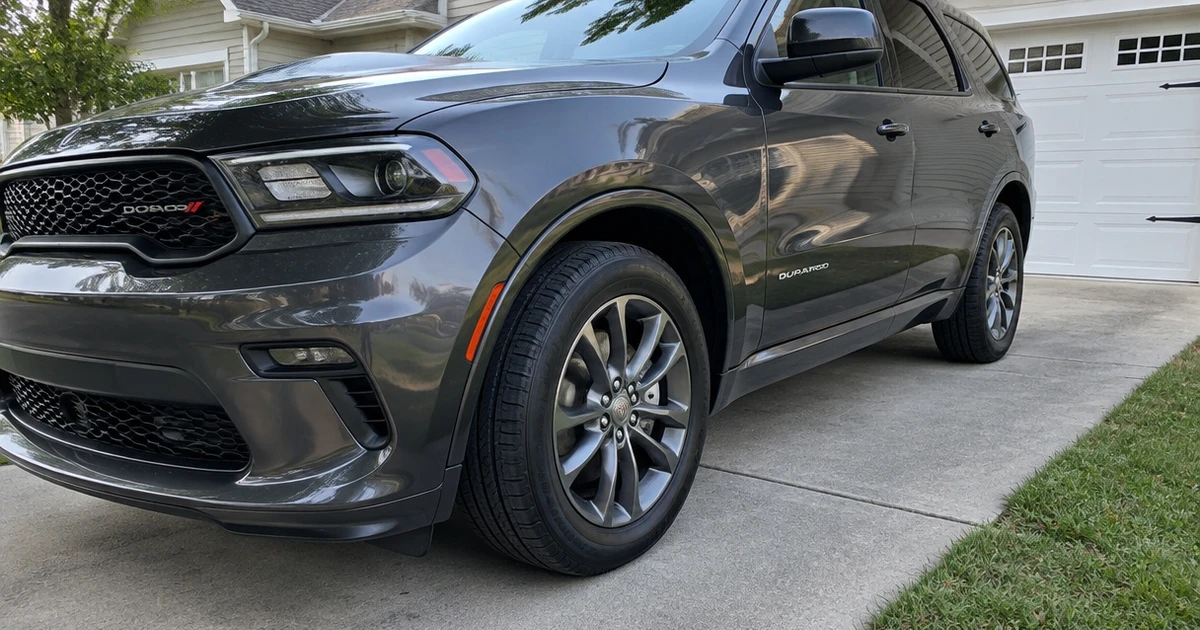
Start with the Durango’s approved fitment, then match tire behavior to the roads, weather, and loads you handle most. A tire can feel calm on a commute but struggle in snow or under a full cabin and trailer, so compare the details that affect safety, comfort, and wear.
Fit, Load, and Speed Ratings
Use the tire size and ratings on the driver’s door placard or in the owner’s manual for your exact model year and trim. Read the full code, not just wheel diameter: width, aspect ratio, construction, and rim size all affect fit. The replacement must meet the vehicle’s listed load index and speed rating; do not choose a lower rating to save money or gain a softer ride.
Check whether your Durango calls for standard-load or extra-load tires, and keep all four tires at the approved size unless the manual permits a different setup. A larger wheel often means a shorter sidewall, which can sharpen steering but pass more bumps to the cabin and leave less cushion around the rim. Confirm fitment before ordering, especially if you changed wheels.
| Check | Where to look | Why it matters |
|---|---|---|
| Tire size | Door placard or manual | Matches the approved fit |
| Load index | Placard and tire sidewall | Supports the vehicle’s weight |
| Speed rating | Placard and tire sidewall | Meets the vehicle’s rating |
Weather and Tread Type
Choose weather capability around your worst regular conditions, not a rare trip. All-season tires suit drivers who see mild winters, but they lose grip as temperatures drop and snow packs in.
A dedicated winter tire uses a cold-weather compound and tread that bites into snow and slush; use a matched set of four, then switch back when warm weather returns. Summer tires favor warm roads and sharp response, but their compounds can harden in cold conditions.
Use these label checks:
- Look for the Three-Peak Mountain Snowflake symbol if you need a tire rated for severe-snow service.
- Do not treat an M+S mark alone as the same winter test.
- Consider your route: plowed suburbs, steep hills, and untreated rural roads ask different things from a tire.
Ride Comfort, Noise, and Control
Think about what matters most in daily driving: cabin noise, a soft ride, or steering response. Touring-style SUV tires often use tread patterns and compounds aimed at quiet running and even wear.
More open tread blocks can add grip on loose surfaces, but may create more hum on pavement. Firmer shoulders can help a heavy SUV feel steady during lane changes, though they may pass more bumps into the cabin.
For pavement, check wet-grip design too. Circumferential grooves move water away, while sipes add biting edges.
Those features help, but they cannot make worn tread safe in standing water. Give predictable wet traction and manageable noise priority if you rarely leave paved roads.
Passengers, Cargo, and Towing
Durango owners often carry passengers or gear, and some tow. Match the tire’s load capacity to the vehicle’s specified rating, then account for your usual cargo and trailer use without exceeding the SUV’s payload or towing limits. A tire’s sidewall maximum pressure is not the pressure target for normal use; follow the cold-pressure figure on the door placard, adjusting only when the owner’s manual gives a towing instruction.
Frequent towing can add heat and stress, especially on long highway climbs. Check pressure before trips and inspect for cuts, bulges, or uneven wear. Choose a tire suited to paved highway use or mixed surfaces based on where you actually drive, and keep the spare ready for the same load demands.
Maintenance, Wear, and Warranty
Plan for regular pressure checks, rotation, and alignment. Measure pressure when tires are cold and follow the vehicle placard, not the maximum molded on the sidewall.
Rotations help even out wear, but the pattern depends on tire direction, wheel setup, and drivetrain, so use the manual’s schedule and pattern. If steering pulls or tread wears faster on one edge, ask a shop to check alignment and suspension.
Check tread depth across the tire and watch for cracks, bulges, or repeated pressure loss. The legal minimum tread depth does not promise confident wet or snow traction, so replace tires earlier if grip drops or wear becomes uneven. Treat a mileage warranty as a coverage limit with conditions, not a promise of service life; rotation records and maintenance rules can affect a claim.
Frequently Asked Questions
What tire size does a Dodge Durango use?
Durango tire sizes vary by model year, trim, and wheel package. Read the tire placard on the driver’s door jamb and confirm the approved size in the owner’s manual. Use the complete size code and meet or exceed the listed load index and speed rating; matching only the wheel diameter is not enough.
Are all-season tires suitable for winter driving?
That depends on your winter weather and routes. All-season tires can handle occasional light snow, but cold rubber and packed snow reduce grip. If you drive often on icy roads, steep hills, or untreated routes, a dedicated winter set offers a safer margin. Look for the Three-Peak Mountain Snowflake symbol for severe-snow certification.
Can you replace only two tires on an AWD Durango?
Replacing all four tires usually keeps tread depth and rolling circumference close across the drivetrain. A large mismatch can strain an AWD system. If damage affects only two tires, check the owner’s manual for its tread-depth limit and ask a tire shop to measure the remaining pair before choosing a solution.
What tire pressure should you use?
Use the cold pressure listed on the driver’s door placard, not the maximum pressure molded into the tire sidewall. Check all four tires with a gauge before driving or after the SUV sits for several hours. Follow the owner’s manual for any pressure change when towing or carrying a heavy load.
How long do tires for a Dodge Durango last?
Tire life depends on mileage, climate, road surfaces, pressure, alignment, and driving habits, so a fixed year or mileage promise can mislead. Check tread and sidewalls regularly, and follow the tire maker’s age guidance. Replace tires if you see damage, exposed cords, persistent pressure loss, or poor wet grip.