
This post may contain affiliate links. As an Amazon Associate I earn from qualifying purchases. If you choose to make a purchase, I may earn a small commission at no extra cost to you.
Winter roads can change from packed snow to glare ice in a few miles, and a loaded truck needs tires that can handle both the weather and its workload. The right winter tire can improve grip and control, but tread design, load rating, and road conditions all affect how well it suits your truck.
For the best snow tires for trucks you can buy in 2026, match the tire to your route, hauling needs, and local rules on studs. The options below cover harsh winters, icy roads, work use, and drivers who want a quieter highway ride, so you can narrow the choice to the conditions you face most.
Our Top Snow Tires for Trucks Picks


More Details on Our Top Picks
Pros
- Heavy-duty winter design for light trucks
- Multi-Cell compound works to clear water from ice
- Handles wet roads, snow, and ice
- May last an extra winter season over the W965
Cons
- Winter compound wears faster in extended warm weather
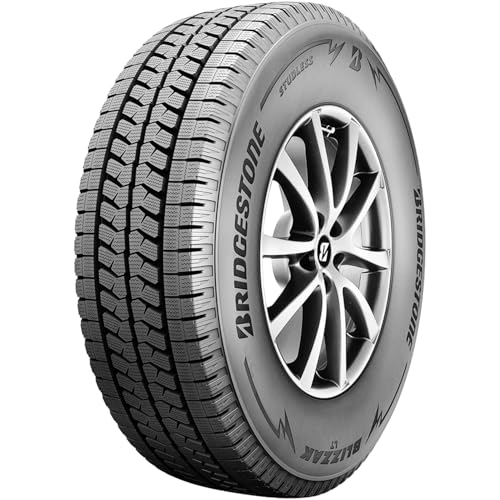
Bridgestone Blizzak LT brings Bridgestone’s winter-focused Multi-Cell compound to a tire built for light trucks and commercial use. The compound works to clear the thin water film that forms on ice, giving the tread a better chance to grip during braking and turns.
Its design targets heavy-duty winter driving, where a loaded pickup needs steady control on wet roads, snow, and ice. You get a tire made for more than occasional trips through a light snowfall, with a focus on keeping a work truck manageable in demanding conditions.
On snow-covered roads, the Blizzak LT’s tread gives you useful traction for getting moving and staying on course. Its wet-weather handling also matters during the messy stretches when snow melts and refreezes around town.
Bridgestone positions this tire as an improvement over the older Blizzak W965, including a potential extra winter season of service. The Blizzak LT carries the brand’s winter tire expertise into a tougher light-truck application without losing sight of ice and snow performance.
That mix of heavy-duty construction and winter grip makes it a practical option for pickups that work through the cold months. Its winter-focused rubber still suits cold conditions best, rather than long stretches of warm-weather driving.
Bottom line: Choose the Bridgestone Blizzak LT for a work truck or pickup that faces regular snow and icy roads. It fits drivers who value winter control in a heavy-duty tire.
Pros
- Aramid-reinforced sidewalls resist cuts and impacts
- Arctic Grip compound supports load carrying
- Aggressive tread works through snow and slush
- Built specifically for winter driving
Cons
- Not suited to consistently warm weather
For winter routes that mix deep snow with rough, debris-strewn roads, Nokian Hakkapeliitta LT3 brings unusual toughness to the job. Nokian reinforces the sidewalls with synthetic aramid fibers, which resist cuts and impact damage from sharp edges.
The Arctic Grip compound adds another layer of durability while supporting load carrying in cold conditions. Its aggressive tread pattern bites into snow and moves slush out of the contact area, which lowers the chance of slushplaning on wet winter roads.
You get a tire built around the demands of severe winter driving, not mild year-round use. The tread’s open, forceful layout gives it a purposeful feel in fresh snow, while the sidewall reinforcement suits trucks that see more than smooth pavement.
The Hakkapeliitta LT3 carries Nokian’s winter tire focus into a light-truck design. On icy and snow-packed roads, that combination of winter compound, tread grip, and reinforced sidewalls gives you a dependable foundation for daily work or travel.
Its cold-weather design has a clear seasonal role: consistent warmth does not suit this tire. In the weather it targets, though, the LT3 balances grip with the toughness that truck owners need.
Bottom line: The Nokian Hakkapeliitta LT3 fits truck owners who face severe winters and rough road conditions. Pick it for reinforced sidewalls and strong snow-clearing tread.
Pros
- Multi-Cell compound clears water from ice
- Bite particles add ice traction
- Tread edges grip snow and slush
- Winter tire limited warranty
Cons
- Winter-focused tread suits cold-weather use best
On ice, the Bridgestone Blizzak DM-V2 uses its Multi-Cell compound to pull water away from the tire’s contact with the road. That helps the tread hold on through braking and turns, where a slick film can make control difficult.
Bridgestone also added bite particles to the compound for extra traction on icy surfaces. A redesigned tread gives you more block edges to shear through snow and slush, and a more even contact patch helps the tire feel stable as you steer.
Those features make the DM-V2 a dedicated winter option for trucks and SUVs that spend time on frozen roads. Its snow grip also comes into play as you pull away from a stop or cross slushy intersections.
In everyday winter driving, you get a tire focused on reliable handling as conditions shift from packed snow to polished ice. The Blizzak DM-V2 carries Bridgestone’s winter tire limited warranty, adding coverage for drivers who use it through the season.
Ice performance is the main draw, but the tread design also gives you useful control in snow and slush. The DM-V2 keeps its attention on winter grip rather than year-round versatility.
Bottom line: Choose the Bridgestone Blizzak DM-V2 for an SUV or truck that regularly travels on icy roads. Its compound and tread design put braking grip near the top of the list.
Pros
- Directional tread channels snow and slush
- Dense siping adds grip edges
- Accepts studs for added ice traction
- Designed for light trucks
Cons
- Studs can add road noise on clear pavement
A directional tread gives the General Grabber Arctic LT a clear focus on winter traction. Its design channels snow and slush through the grooves while dense siping adds edges that can grip slick pavement.
The Arctic LT also accepts studs, so you can add more bite for icy routes. That option makes the tire useful in places where hard-packed snow and freezing surfaces stay part of the drive for much of the season.
As a light-truck winter tire, it brings a more work-ready purpose than a passenger-car snow tire. The tread blocks dig into loose snow, while the directional layout helps the tire track steadily through changing winter conditions.
You can feel the value of that design on everyday trips where a road shifts from wet pavement to slush and then to packed snow. The Arctic LT keeps its attention on winter grip, with the stud-ready tread offering another way to tune its ice traction.
General’s Grabber line serves truck and off-road drivers, and this winter model brings that practical approach to cold-weather travel. The Arctic LT’s focused tread design gives you a capable option for pickups and light trucks that need dedicated winter tires.
Bottom line: The General Grabber Arctic LT suits truck drivers who want a stud-ready winter tire. It is especially useful on routes where ice remains a regular concern.
Pros
- Winter compound designed for cold conditions
- Dense siping adds snow-gripping edges
- Deep grooves clear slush
- Studless design needs no added studs
Cons
- Dedicated winter tread is less suited to warm weather
Long winter shifts call for a tire that can handle a truck’s daily workload while keeping its grip in cold weather. Toyo Open Country WLT1 is a light-truck winter tire with a cold-weather compound and a tread built for snow traction.
Its dense siping creates many edges that press into snow and slick road surfaces. Deep grooves move slush away from the tread, which helps the tire keep contact as winter roads turn wet and messy.
The WLT1’s studless design gives you winter performance without relying on added studs. That suits drivers who want a dedicated snow tire for regular travel through cold conditions, including work routes where the road changes from packed snow to slush.
Toyo built the Open Country line for trucks and SUVs, and the WLT1 applies that purpose to winter use. Its tread pattern has a practical, truck-focused layout, with features aimed at maintaining traction under the demands of light-truck driving.
On snow-covered streets and rural roads, that combination gives you a steady winter tire for daily use. The Toyo Open Country WLT1 favors seasonal grip and work-ready use over warm-weather driving.
Bottom line: The Toyo Open Country WLT1 fits pickup owners who need winter traction through regular work travel. Choose it for a studless tire with a truck-focused tread.
Pros
- Three-dimensional sipes add snow and ice grip
- Directional tread increases road contact
- Under-tread compound lowers rolling resistance
- Warranty includes a 30-day trial
Cons
- Studless design cannot take added studs
Yokohama’s iceGUARD G075 uses a directional tread to keep a broad area of rubber in contact with snowy and icy roads. Three-dimensional sipes and small biting edges add grip while helping the tread stay stable under load.
A high-density rubber compound promotes even road contact and wear. Yokohama also uses a low-heat under-tread compound that adds tread stiffness and lowers rolling resistance, a useful detail for drivers who spend long hours on winter highways.
The G075 gives you a studless winter tire for trucks and SUVs, with a design that balances snow traction and steady road manners. Its siping works across ice and packed snow, while the directional pattern channels water and slush through the tread.
Yokohama backs the tire with its standard warranty, which includes a 30-day trial satisfaction guarantee. That coverage adds reassurance as you put the G075 to use on cold-weather commutes and longer trips.
Compared with a more aggressive studded setup, the G075 keeps the focus on a composed drive without added metal studs. Its winter compound and tread features still target grip where snow and ice shape the route.
Bottom line: The Yokohama iceGUARD G075 suits truck and SUV drivers who spend plenty of time on winter highways. Its studless design and steady tread feel work well for regular cold-weather travel.
Pros
- High sipe density grips snow, wet roads, and ice
- Pinned for #15 studs
- Directional tread supports a comfortable ride
- Winter tire limited warranty
Cons
- Studs can increase noise on bare roads
When ice and packed snow make a truck’s route unpredictable, the Firestone Winterforce LT gives you dense siping and a directional tread to find grip. Its tread includes pin locations for #15 studs, giving you the option to add more traction for icy roads.
The high sipe count creates extra biting edges for snow, wet pavement, and ice. The directional layout also gives the tire a predictable feel as you travel through winter conditions, with a design tuned for traction and a comfortable ride.
Firestone built the Winterforce LT for light trucks that need dedicated winter performance. On snowy roads, the tread works through loose and packed snow, while the stud-ready design adds another tool for routes where ice causes the most trouble.
Its mix of siping and stud capability makes it a practical winter tire for trucks that see varied road conditions. Firestone also backs the tire with a winter tire limited warranty, so you get coverage tied to its seasonal role.
The Winterforce LT keeps its design focused on cold-weather traction instead of year-round driving. Its directional tread and dense sipes give you a straightforward approach to winter grip.
Bottom line: The Firestone Winterforce LT suits pickup owners who want a stud-ready winter tire. It fits routes where snow and ice remain common through the cold season.
Factors to Consider When Choosing Snow Tires for Trucks
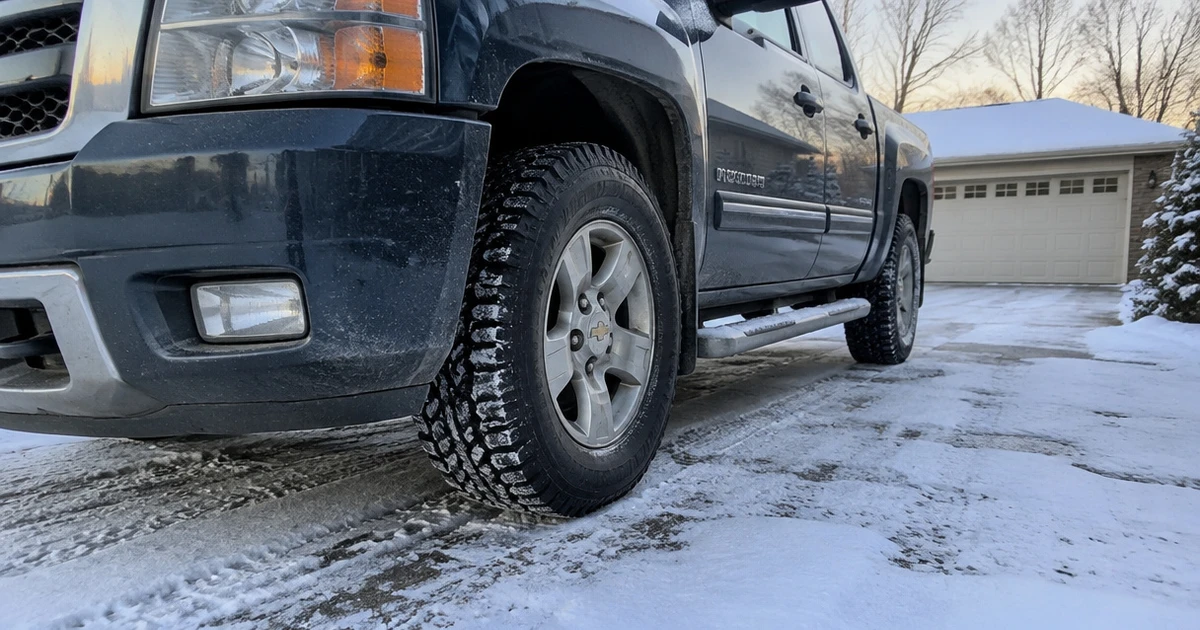
Start with your truck’s approved tire fit and the winter roads you drive most. A tire that suits your route and load can give you more useful grip than a design chosen for snow alone.
Winter Certification and Tread
Look for the three-peak mountain snowflake symbol on the sidewall if you need a tire rated for severe snow service. This mark means the tire meets a defined snow-traction standard. The M+S marking reflects tread design, but it does not show that the tire passed the same snow test.
Check the tread for winter-focused features such as narrow cuts called sipes and blocks that can grip loose snow. Certification helps you screen options, but it does not predict how a tire will handle every patch of ice or slush. Match the tire’s design to your usual road conditions.
Size and Load Capacity
Start with the tire size and load rating on your truck’s door placard or owner’s manual. The replacement tire must fit the wheel and meet the vehicle’s load needs. If you carry heavy cargo or tow, check the load rating carefully rather than choosing by size alone.
Load range describes a tire’s carrying capacity and construction, not a simple score for traction or quality. Keep the tire type and rating suited to your truck, and use the pressure listed by the vehicle maker for normal driving. The sidewall’s maximum pressure is not a target setting.
| Driving need | What to check |
|---|---|
| Daily commuting | Approved size and load rating |
| Heavy hauling | Load capacity for the truck’s rated use |
| Towing | Vehicle guidance for tire type and pressure |
Tread Design for Your Roads
Different tread layouts suit different winter surfaces. Sipes add biting edges on slick pavement, while wider grooves help channel slush and water. More open tread blocks can help a tire claw through loose snow, but the tread pattern alone cannot tell you how stable it will feel on a cleared highway.
Use your regular routes to guide your choice:
- For mostly plowed roads, favor a winter tread built for steady pavement grip.
- For frequent unplowed stretches, look for a more open pattern that can move snow through its grooves.
- For slick intersections and icy hills, give extra attention to ice-focused grip and stud options.
Studs and Local Rules
Studs can add grip on hard-packed snow and ice, especially on roads that stay slick for long periods. They can also make more noise and wear road surfaces, and many areas restrict when or where you can use them. Check local rules before choosing a tire that accepts studs or comes studded.
Stud-ready tires give you the option to add studs for your conditions, but the tread must be designed for them. A studless winter tire may suit drivers who spend more time on cleared pavement or face restrictions. Either way, match your choice to the surfaces you drive, not just the coldest day of the season.
Truck Use, Hauling, and Towing
Think about how much weight your truck carries in winter. A lightly loaded pickup used for commuting has different needs from a truck that hauls equipment or tows on icy roads. Check the tire’s load capacity against the vehicle maker’s guidance and your normal use, including any added cargo.
Truck-rated tires can offer construction suited to heavier loads, but a tougher tire does not remove the need to stay within your truck’s limits. For work routes, look for a winter design that balances snow grip with stable handling under load. Follow your owner’s manual for pressure, especially when you change the load.
Ride, Wear, and Seasonal Care
Winter tires often use softer tread compounds to stay pliable in cold weather. That can help grip, but warm pavement can wear winter tread faster, so many drivers switch to a suitable all-season or summer set when winter ends. If you drive long highway distances, pay attention to road-noise expectations and seasonal use.
Check pressure regularly as temperatures fall, since cold air can lower tire pressure. Fit winter tires on all four wheels to keep handling balanced, and rotate them as your vehicle manual directs. Check tread condition through the season, since worn tread can reduce the tire’s ability to clear snow and slush.
Choosing the Right Snow Tire for Your Truck
The Bridgestone Blizzak LT suits drivers who want balanced winter grip, while the Nokian Hakkapeliitta LT3 targets harsh conditions and offers a studdable design. For ice-focused traction, consider the Bridgestone Blizzak DM-V2; the General Grabber Arctic LT also gives you a studdable option. The Toyo Open Country WLT1 fits work trucks, and the Yokohama iceGUARD G075 favors highway comfort.
If you want a stud-ready tire for a light truck, the Firestone Winterforce LT rounds out the choices. Before deciding, confirm the tire fits your truck’s load needs and the roads you drive most.
Frequently Asked Questions
Can I use winter tires all year?
You can, but winter tires tend to wear faster on warm pavement because their tread compounds suit cold conditions. Their handling may also feel less precise in summer heat. Many drivers switch to a suitable warm-weather set once winter conditions end, then store the winter tires in a cool, dry place.
Should I put winter tires on all four wheels?
Yes. Fitting winter tires on all four wheels helps keep grip and handling balanced when you accelerate, turn, and brake. Putting them only on one axle can create a mismatch between front and rear traction, which may make the truck harder to control on slippery roads.
Are studded tires better on ice?
Studs can improve grip on hard ice and packed snow, especially on roads that stay slick for long periods. They may add noise and can wear road surfaces, and local rules often limit their use. Check the rules where you drive and compare them with the conditions on your regular routes.
How do I know which tire size fits my truck?
Check the tire placard on your truck or the owner’s manual for approved sizes and load ratings. A replacement must fit the wheel and meet the vehicle’s load needs. If you plan to change tire size, ask a qualified tire shop to check fit, clearance, and speedometer effects.
When should I install winter tires?
Install them before your area’s regular cold weather and snow arrive, rather than waiting for the first storm. Winter tires work best when temperatures stay low, even on clear roads. Check local weather patterns and rules, then plan a seasonal change that leaves time to book service before demand rises.